
There is something rather remarkable about wool.
A fibre that begins its life on the back of a sheep can, through generations of knowledge, craftsmanship and careful refinement, become one of the most beautiful materials in a gentleman's wardrobe.
At Fielding & Nicholson, we spend much of our time admiring the finished article, the softness of a fine flannel, the crispness of a worsted or the elegant drape of a beautifully woven cloth. Yet the journey from raw fleece to finished fabric is every bit as fascinating as the tailoring that follows.
Where it all begins
The journey starts with the fleece. Once shorn, the wool is carefully sorted and graded according to its fineness, length and quality. It is then washed to remove natural grease and impurities before being prepared for spinning.
Through a process called carding, the fibres are separated and arranged. For finer worsted cloths, an additional stage of combing removes shorter fibres and aligns the longer ones, creating the foundation for a smoother, more refined yarn.
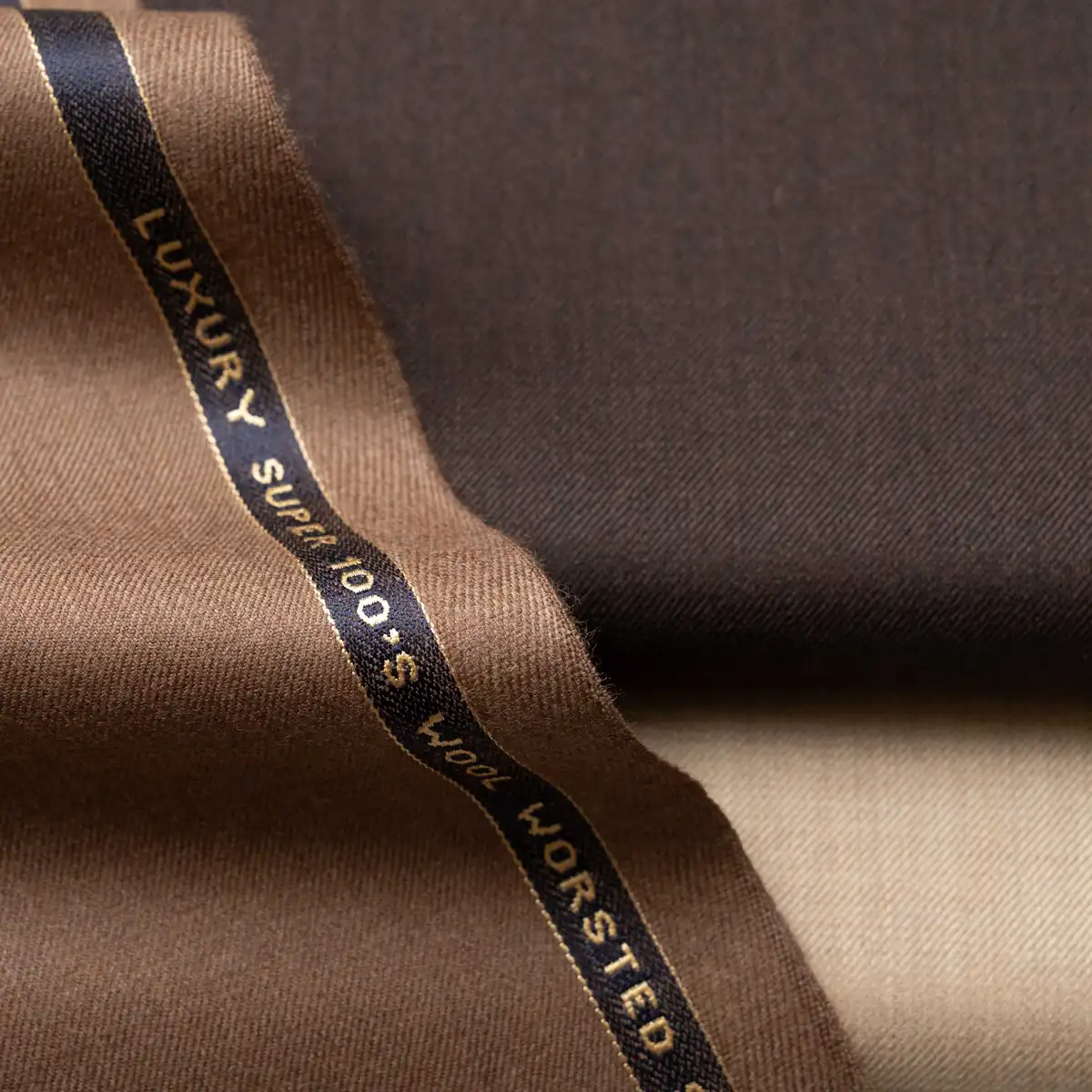
It is extraordinary how something so naturally irregular can gradually be transformed into a material of such consistency and elegance.
From fibre to fabric
The prepared wool is spun into yarn, with the degree of twist influencing its strength, texture and character. It is then woven into cloth, with different weaving techniques producing different appearances and qualities.
Woollen yarns generally create softer, fuller fabrics, ideal for traditional flannels and tweeds, while worsted yarns produce smoother, more defined cloths with an elegant drape.
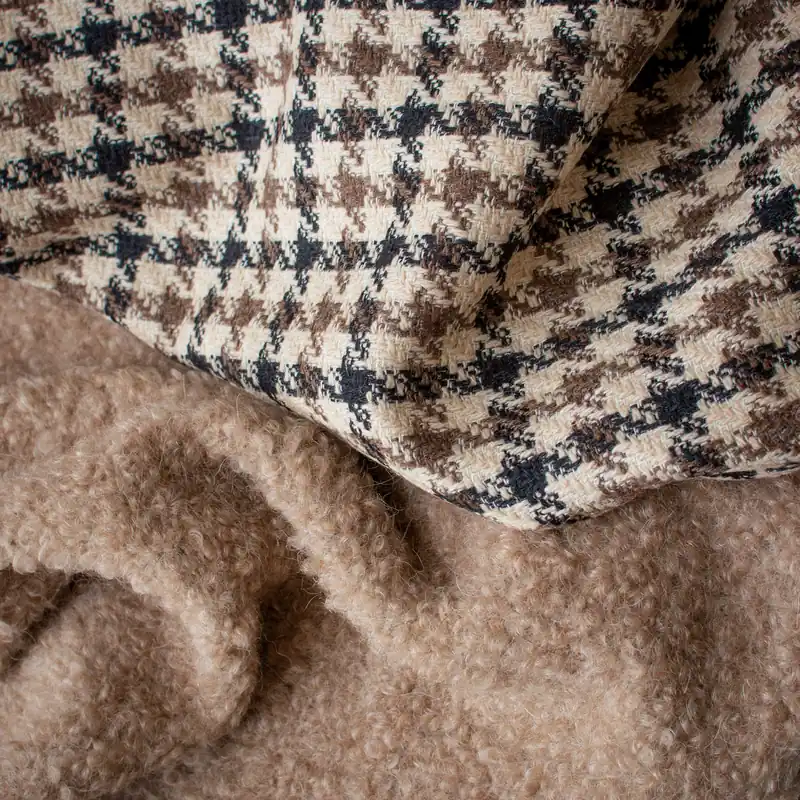
Both have their place in fine tailoring, offering distinct possibilities in terms of comfort, appearance and style.
The art of finishing
Perhaps one of the most fascinating stages comes after the cloth has been woven.
Through specialist finishing techniques involving moisture, heat, pressure and sometimes brushing, the fabric develops its final character. Some cloths acquire a beautifully soft surface, while others are finished to achieve a cleaner, more polished appearance.
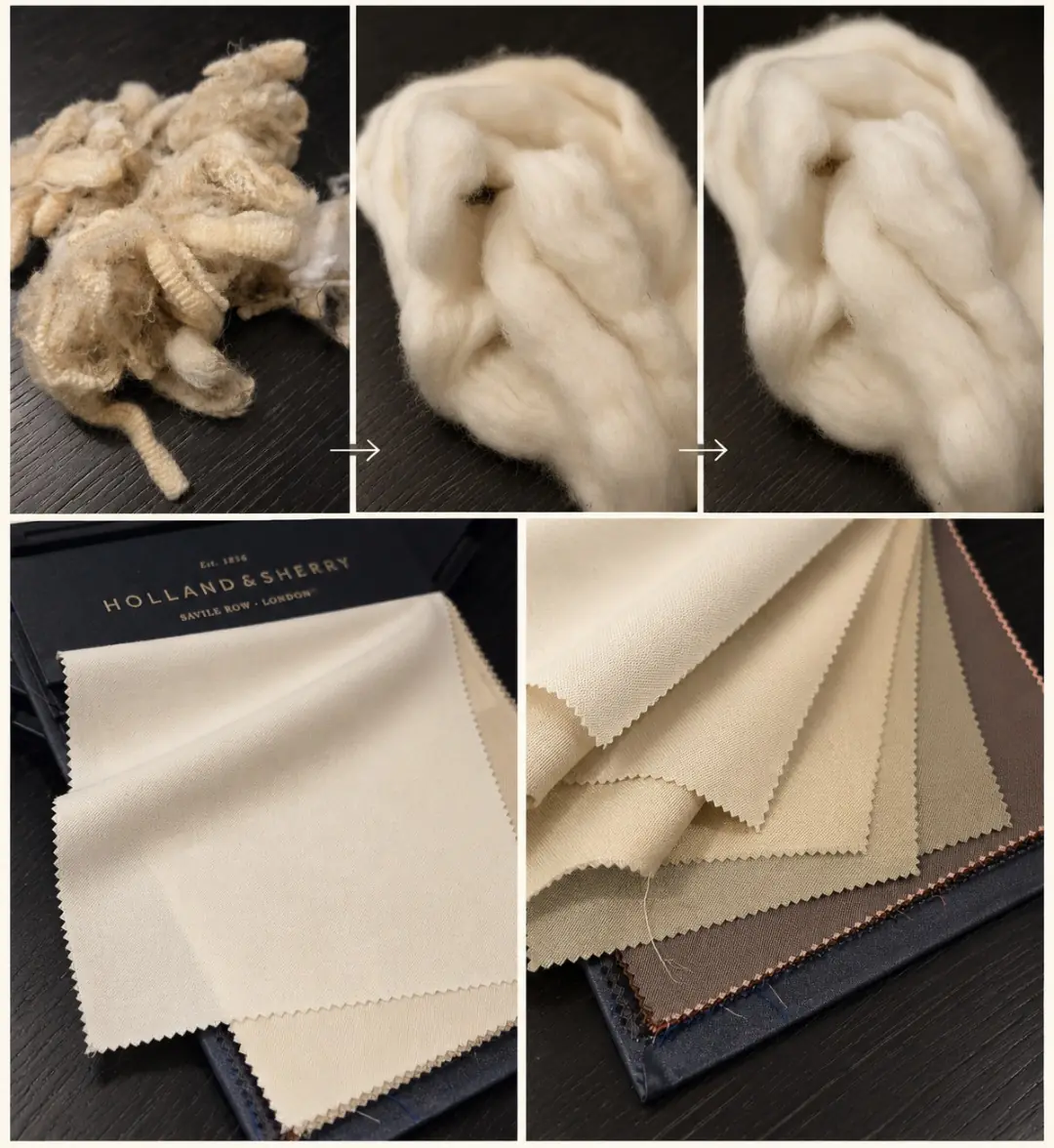
The Holland & Sherry cloths pictured here illustrate this remarkable transformation, from the natural texture of raw fleece to the smooth, refined fabrics we ultimately select for our clients.
A deeper appreciation of cloth
Understanding this journey adds another dimension to the experience of choosing a fabric.
Every piece of fine wool represents countless decisions, from selecting the original fibre to the techniques used in spinning, weaving and finishing.
And, of course, the journey does not end there. In the hands of a skilled tailor, the finished cloth begins its next transformation, becoming a garment designed around the individual who will wear it.
That is what makes fine tailoring so special, the coming together of nature, tradition and craftsmanship.
From fleece to finery, every stage has its part to play.