What is the best fabric for most autumn suits?
For most first bespoke autumn suits, we usually start with mid-weight wool. It gives you structure without feeling heavy, works for business and social wear, and copes better with repeated use than very seasonal cloth. Flannel adds softness and warmth, and tweed adds texture and character, but both need a clearer purpose.
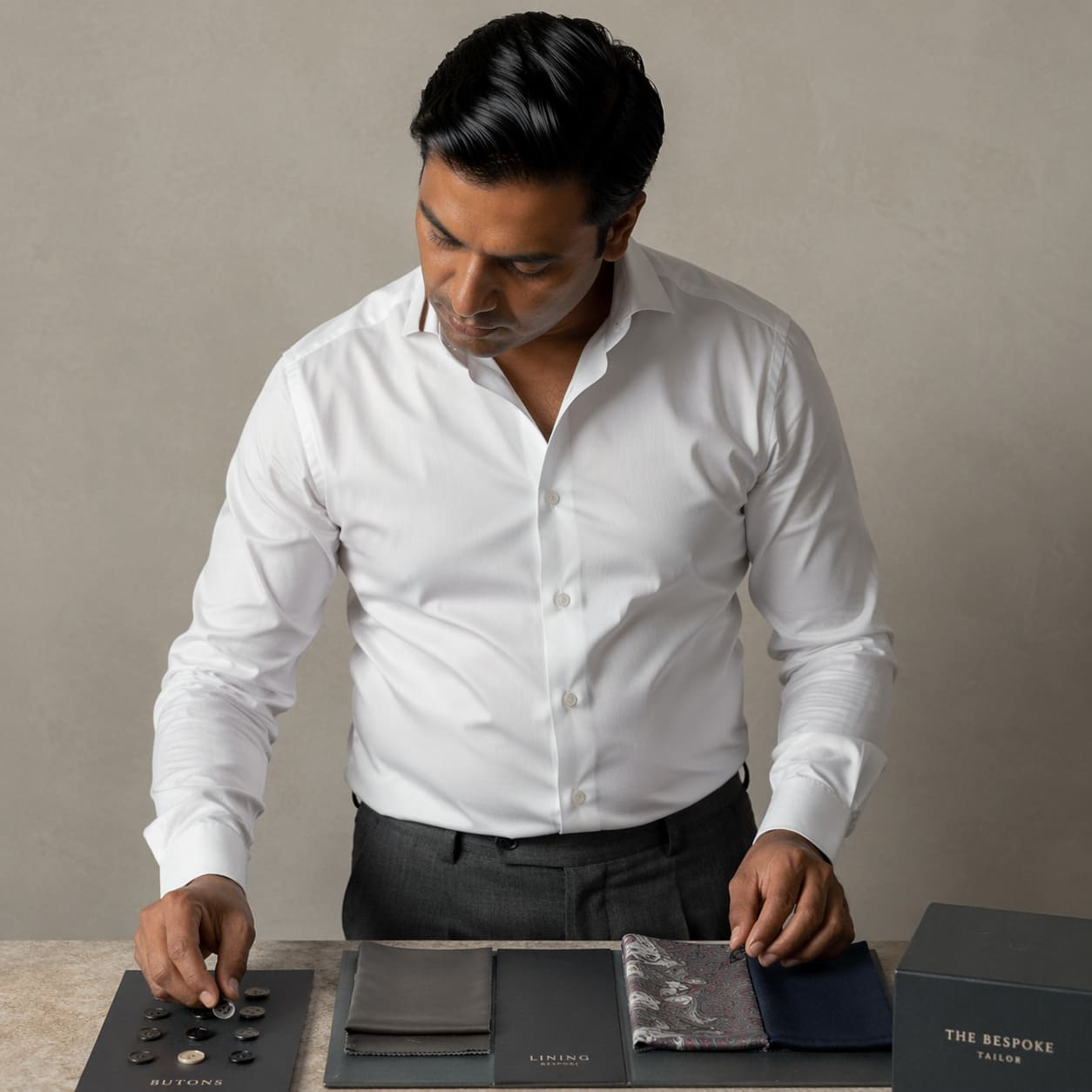
Men's Bespoke – Fabric selection with tailored shirt and styling tools – Sample Image
What Is In This Article
Most autumn suits start best with mid-weight wool
Autumn cloth is easy to overthink. Cooler weather arrives, heavier swatches appear on the table, and the tempting answer seems to be the warmest cloth in the bunch. In practice, the best fabric for an autumn suit is the one that fits your actual days, including office wear, travel, cooler evenings, weddings and the number of times you expect to wear it.
The plain answer is mid-weight wool first
A mid-weight wool suit is usually the safest starting point because it has enough body to drape cleanly without making you feel wrapped up indoors. Smooth worsted wool, which has a flatter and cleaner surface than flannel or tweed, also reads as more business-friendly and more adaptable across formal and social settings.
Fox Brothers describes 290g to 430g cloths as commonly chosen for suits because they offer balance, structure and comfort across much of the year. That range matters less as a shopping rule and more as a reminder that weight sits inside a bigger decision. We also look at weave, finish, lining and cut before we say a cloth will feel right.
Flannel or tweed work when character matters
Flannel and tweed come into the conversation when you want the suit to feel deliberately seasonal. A flannel autumn suit has a soft surface and a slightly warmer, more dressed quality. Tweed carries more texture and a stronger personality, which can be excellent for an autumn wedding or a relaxed jacket.
Neither cloth is a default answer. If you run warm, sit in heated rooms or travel often, a heavy flannel can become tiring by mid-afternoon. If your week needs a polished business suit, a bold tweed check may do more talking than you want it to. We start with use, then move to cloth.
Fabric names give clues, but real wear gives the answer
Fabric names are useful shorthand, but they do not tell the whole story. Two flannels can feel very different, and two tweeds can sit at opposite ends of formality depending on colour, texture and pattern.
Here is the practical autumn suit cloth comparison we use when narrowing the choice.
| Cloth | Where it works best | Feel and watch-outs |
|---|---|---|
| Mid-weight wool | Business suits, frequent wear, travel, dinners and a first bespoke autumn suit | Smooth, structured and adaptable. It is usually the most formal of the three, especially in worsted wool, but lining and cut still affect warmth. |
| Flannel | Cooler offices, seasonal business wear, formal dinners and polished autumn occasions | Softer and warmer with a brushed surface. It can feel very smart, although heavier versions need care if you run warm. |
| Tweed | Autumn weddings, country-adjacent settings, relaxed social tailoring and statement jackets | Textured, substantial and expressive. It is usually less formal than smooth worsted wool, so pattern scale and colour matter a great deal. |
Our cloth conversations at Fielding & Nicholson start with where the suit will be worn, because the same swatch can look sensible or completely wrong once the setting changes. A charcoal flannel in a clean cut can feel quietly polished in a smart room. A bold tweed in a full suit may be perfect for a countryside wedding and too strong for a conservative boardroom.
Wool also has practical benefits beyond warmth. Quality wool suiting has good wrinkle recovery, and a suit should be hung after wear so the cloth can recover its shape. Merino wool can absorb moisture vapour too, which helps it drape and reduces that clingy feeling you can get from less forgiving cloth.
One hidden trap sits in Super S labelling. A higher Super S number means finer wool fibre and finer yarns, not an automatic upgrade for an everyday autumn suit. Fine cloth can look beautiful, but daily wear asks different questions about handle, recovery and how the trousers behave after repeated sitting.
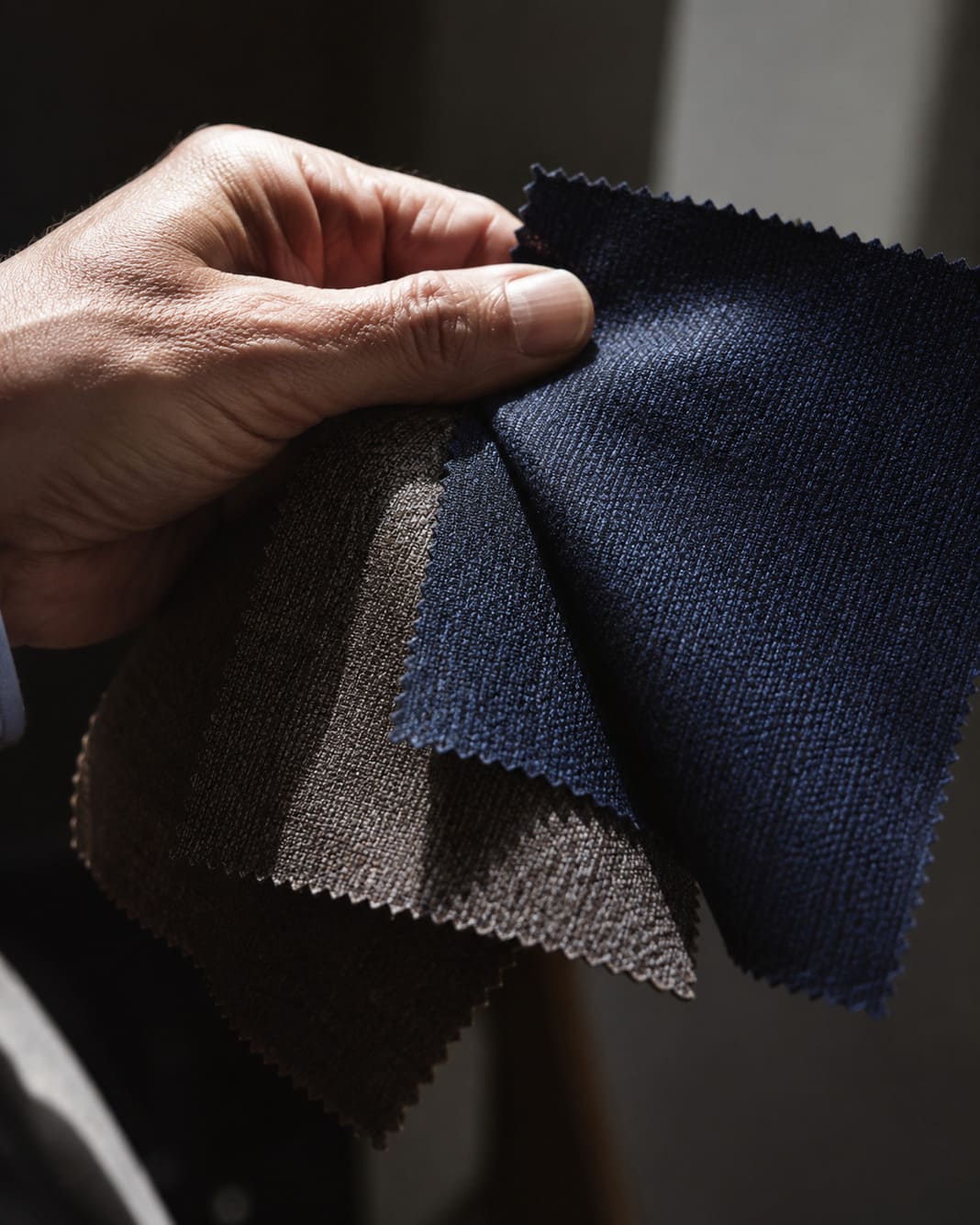
Navy and grey wool suiting fabric swatches held up in soft light

Pro Tip: If you want one suit to work across office, dinners and travel, begin with mid-weight wool and adjust warmth through lining and cut.
Flannel works best as a polished seasonal choice
Picture a client who wants a softer autumn suit for dinners, cooler commutes and smart rooms where navy worsted feels a little too flat. Flannel belongs in that conversation. Its brushed surface gives depth without needing a loud pattern, and grey or navy flannel can look composed when the cut stays clean.
Warmth is the point to handle carefully. Heavy flannel belongs to colder-weather tailoring, and heavy flannels bring depth, warmth and longevity without being meant for every month of the year. That makes flannel a strong seasonal suit, especially if you already own a more flexible business cloth.
Trouser choice deserves attention. Flannel feels soft because of its finish, and that softness affects how the cloth looks after sitting, walking and repeated wear. For a full suit, we look closely at how often you will wear the trousers, whether you travel, and how much crease recovery you need between wears.
Flannel can absolutely look polished. It simply asks for a more deliberate brief than mid-weight wool: cooler setting, considered colour, clean styling and a wearer who likes softness against structure.
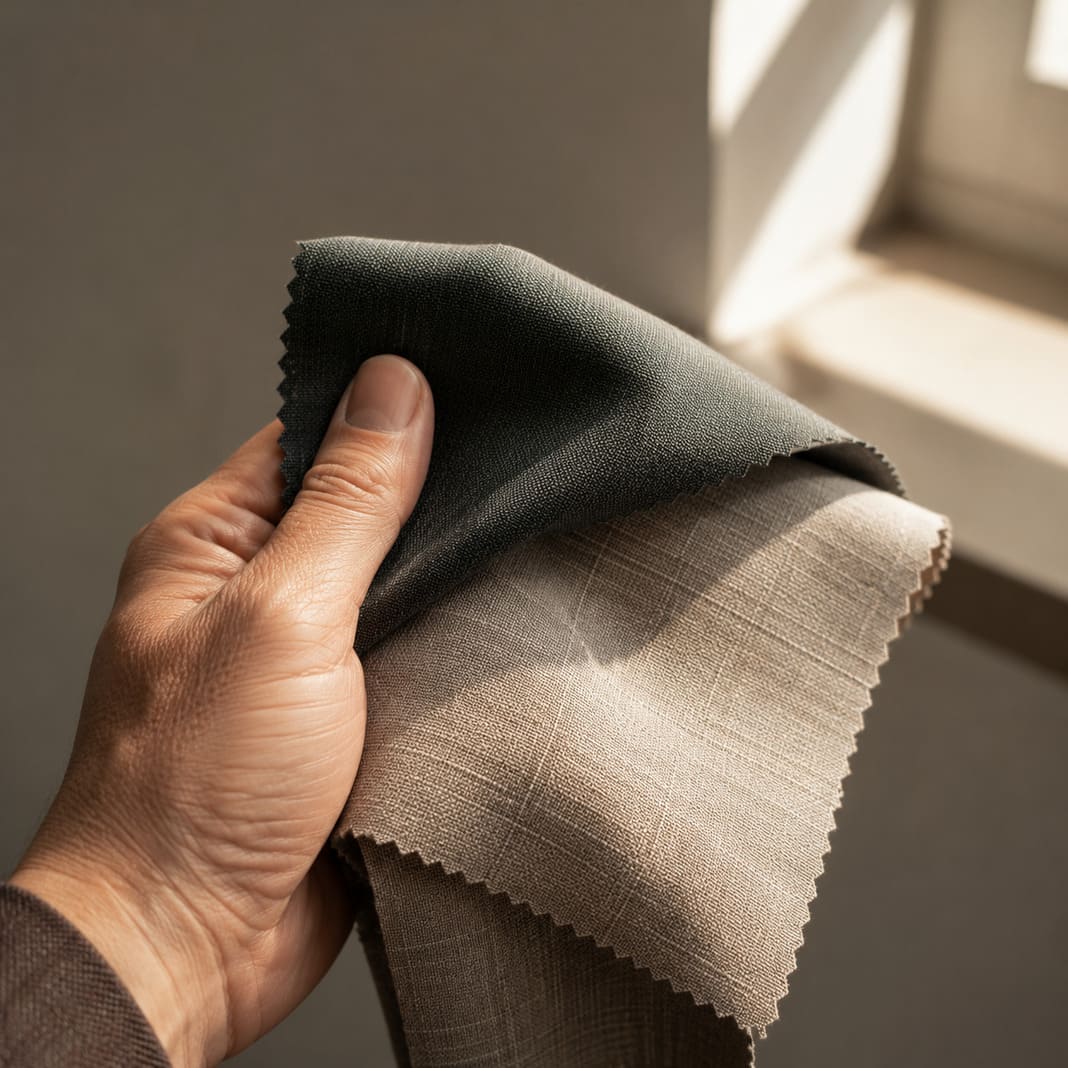
Sage green wool suiting fabric swatch held gently up in soft daylight
Tweed suits need the right setting and styling
Can tweed work for weddings, work and city wear? Yes, but the setting decides how far it can go. Tweed can look assured and elegant at an autumn wedding, especially when texture is welcome, but it carries a more relaxed signal than smooth worsted wool.
Pattern scale changes everything. A quiet herringbone reads differently from a strong check. Brown, green and earthy tones push tweed toward a more rural mood, while darker shades and restrained patterns make it easier to wear in town. Cut matters as well, because a sharp shoulder and clean trouser line can pull textured cloth into a smarter space.
For many wardrobes, a tweed jacket gives better use than a full tweed suit. It can sit with flannel trousers, denim in a relaxed setting or smart wool trousers, giving you texture without committing every part of the outfit to the same statement. A full suit needs a clearer purpose.
Genuine Harris Tweed also deserves accurate language. The Harris Tweed Authority treats Harris Tweed as a protected name, and the Orb mark certifies that the cloth meets that definition. All Harris Tweed is tweed, and tweed as a category is much wider.
Tweed is at its best when you want the cloth to be seen.
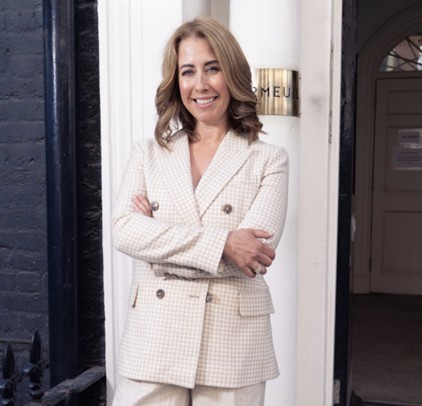
Pro Tip: If you are drawn to flannel or tweed, test the cloth against your usual settings first, because pattern, texture and weight change the formality more than colour alone.
Your tailor needs the shape of your life before the cloth choice
Before we put a swatch against you, we want to know how the suit will live. A first bespoke autumn suit has a different job from a third or fourth seasonal piece, and a wedding suit has a different brief from something you will wear every week.
Use this sequence before you settle on cloth:
- Start with setting. Name the rooms first: office, evening, wedding, travel or mixed use. Cloth that feels perfect in one setting can feel too expressive in another.
- Be honest about warmth. Some people run warm even in light cloth. If you do, we keep the surface, lining and weight under close review.
- Decide how formal the suit must be. Smooth worsted wool gives the cleanest business signal. Flannel softens that mood, and tweed brings stronger texture.
- Think about frequency of wear. Weekly wear asks more from the trousers than occasional wear. Cloth choice must account for sitting, creasing and recovery.
- Place it in your wardrobe. A first autumn suit usually benefits from versatility. Later pieces can carry more seasonal personality, stronger colour or a richer surface.
Inclusive tailoring does not change these questions; it makes them more important. Fit, drape and comfort matter for every client, and cloth behaves differently depending on cut, body shape and the way you like to move. Our work at Fielding & Nicholson treats cloth selection as part of long-term wardrobe planning, so the suit earns its place beyond one season.
The common misconception is that an autumn suit should be the heaviest or most textured cloth you can sensibly wear. That assumption leads people past the better answer. Autumn tailoring begins with where you will wear the suit, how often you will wear it, and whether the fabric still feels good after a full day.
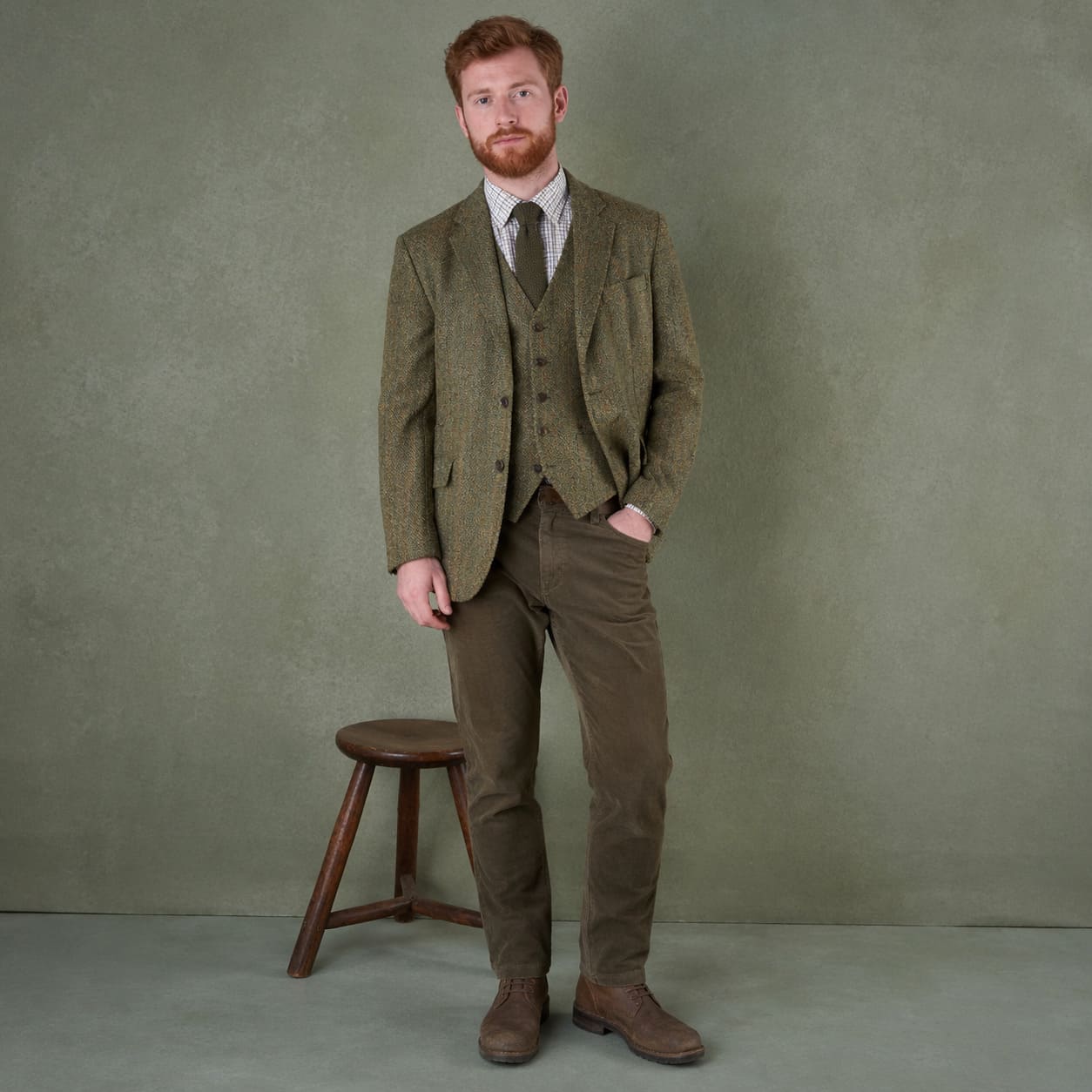
Men's Country Wear – Green tweed suit with waistcoat and rustic styling – Sample Image
Questions we get asked about autumn suit fabrics
Can I wear a flannel suit all year round?
A flannel suit is usually better as a seasonal cloth than an all-year answer. Lighter flannels exist, but warmth, lining and your own comfort decide whether it works beyond cooler months.
Is worsted wool better than flannel for a first bespoke suit?
Worsted wool is usually the safer first choice because it looks cleaner across business and social settings. Flannel makes sense when you already know you want softness, warmth and a more seasonal feel.
Does a higher Super S number mean a better autumn suit?
A higher Super S number means finer wool fibre and finer yarns. It does not automatically mean the cloth is better for regular autumn wear, because weight, weave, finish and durability still matter.
Should I choose a tweed jacket instead of a full tweed suit?
A tweed jacket can be the more useful choice if you want texture without committing to a very characterful full suit. A full tweed suit works best when the occasion and your personal style clearly support it.
Does an autumn suit need to be brown, green or heavily textured?
The common misconception is that autumn tailoring has to look obviously autumnal. Navy, charcoal and other restrained cloths can be better if the suit needs to work hard in your wardrobe.