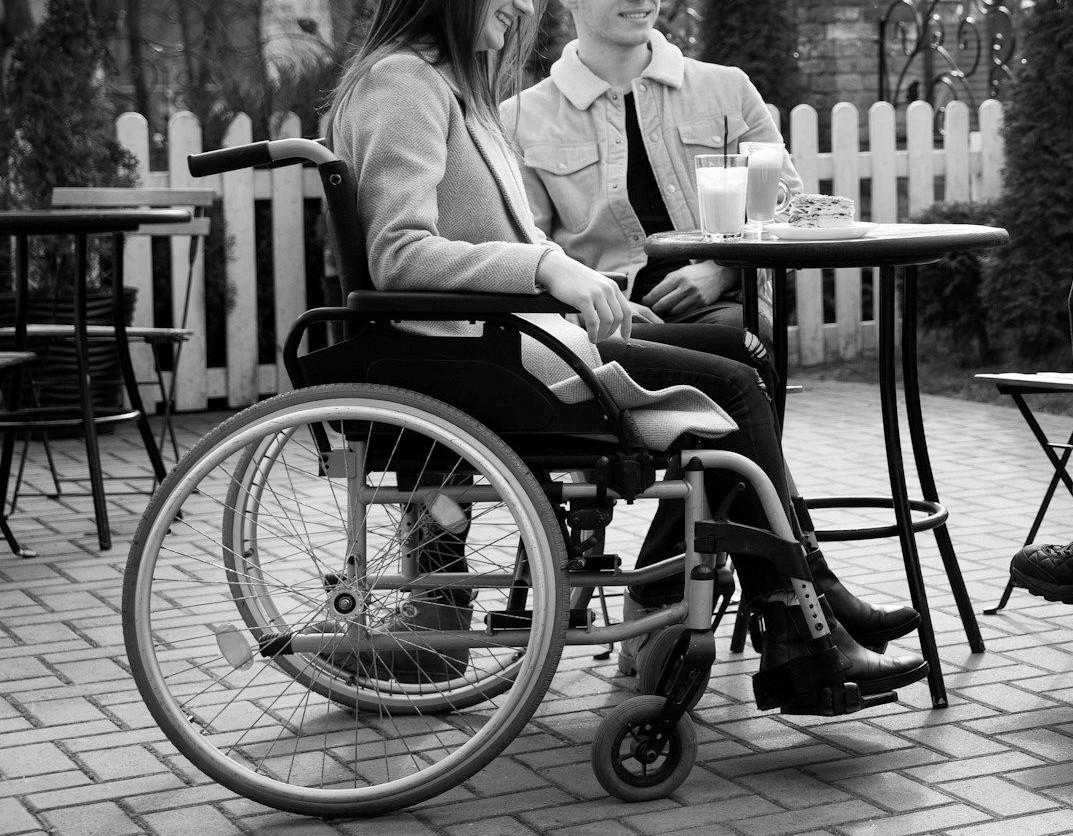
Adaptive tailoring for women
Tailoring for women with mobility needs. Adapted with care, and without compromise on style.
Tailoring for access
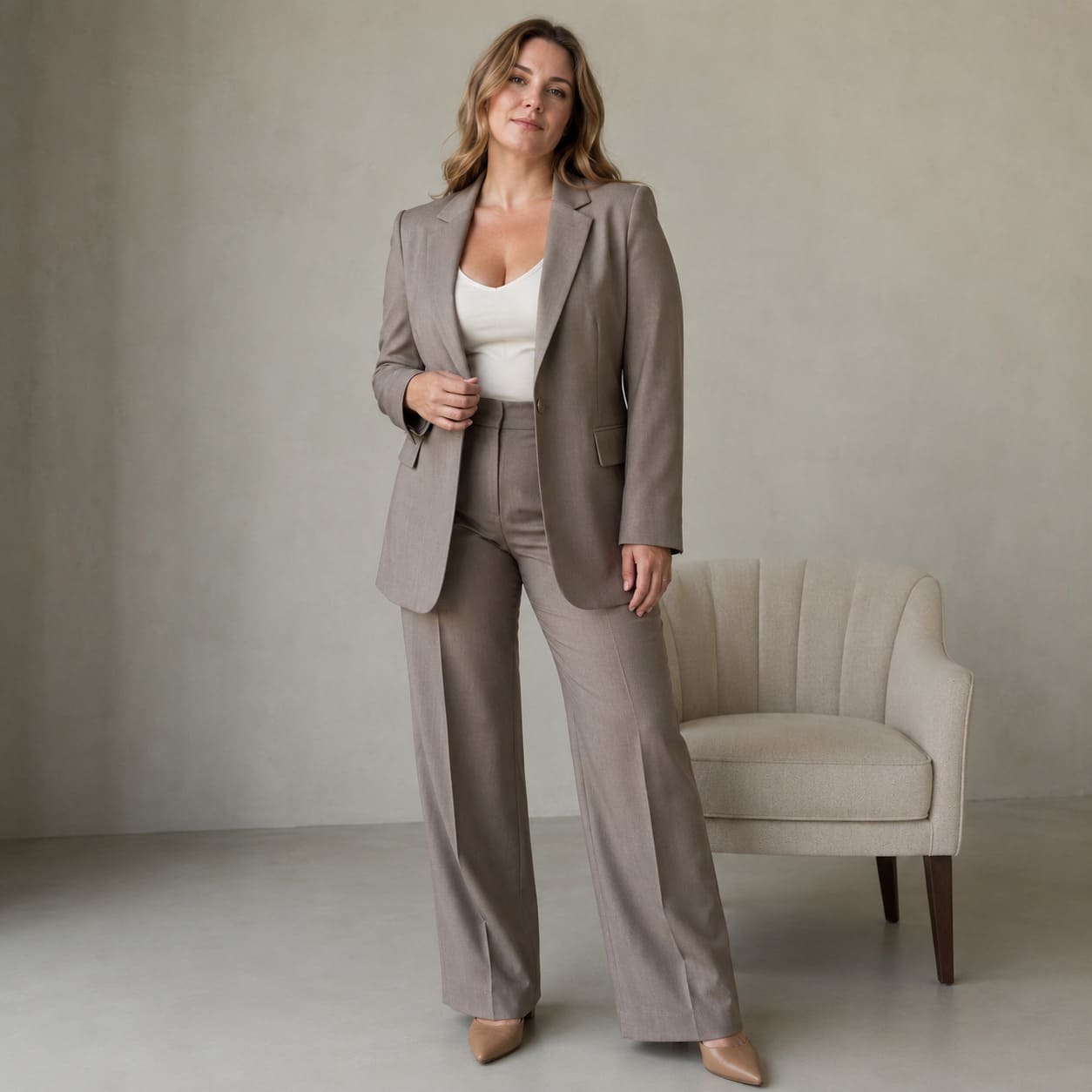
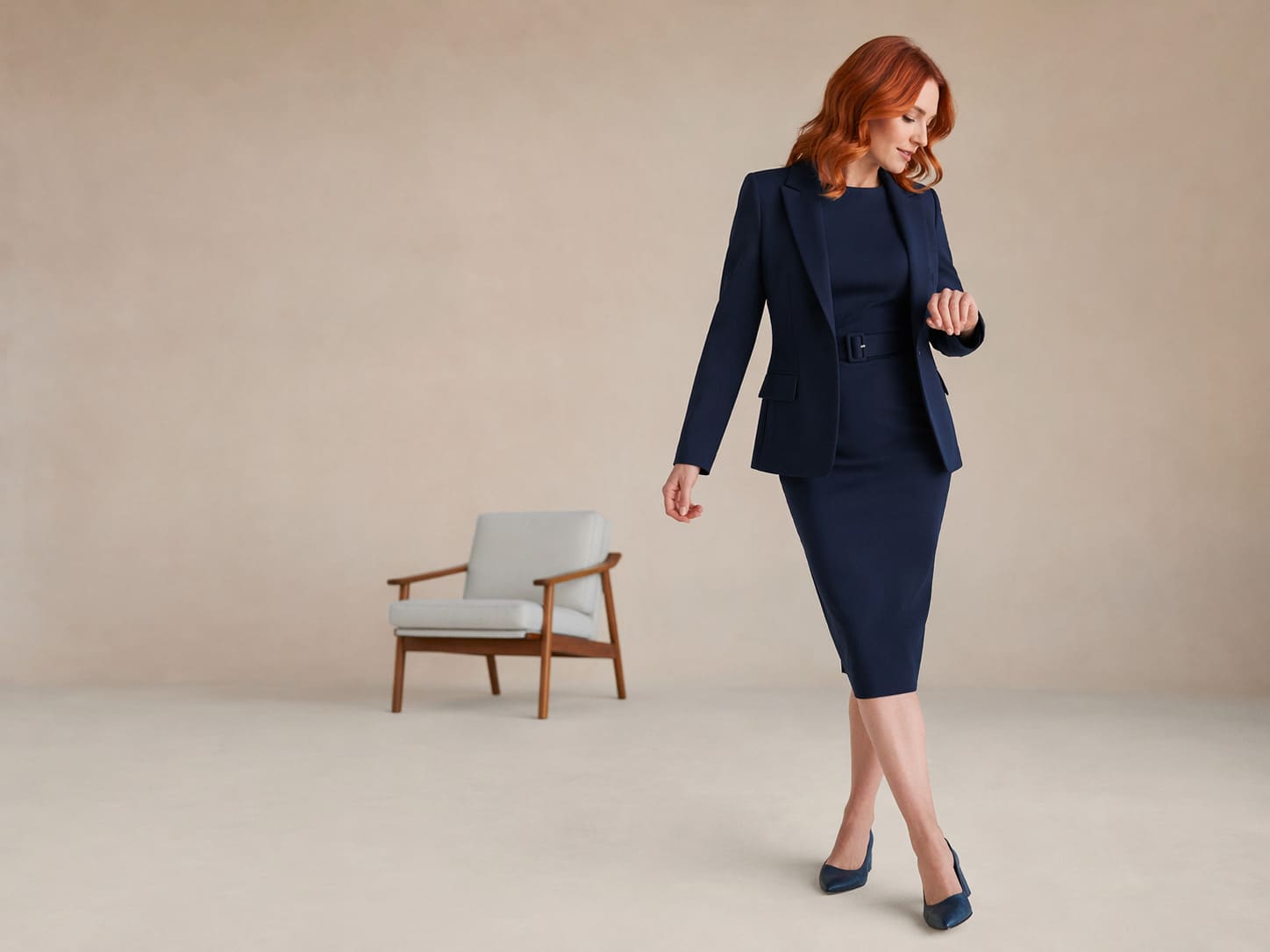
Tailored suits for women with mobility needs, adapted with care and without compromise on fit, comfort or style.
How adaptive tailoring works
Consultations can be arranged in our Mayfair showroom, at home or by video. We will discuss access requirements and suitable appointment arrangements before your visit.
TAILORING DESIGNED AROUND YOU
Our service is ideal for first-timers looking for tailoring that feels comfortable, flattering, and true to who they are. From your initial consultation to your final fitting, we guide you through each step clearly, so you always know what to expect.
We welcome all body types and identities, creating garments that are tailored to the individual rather than made to fit a standard.
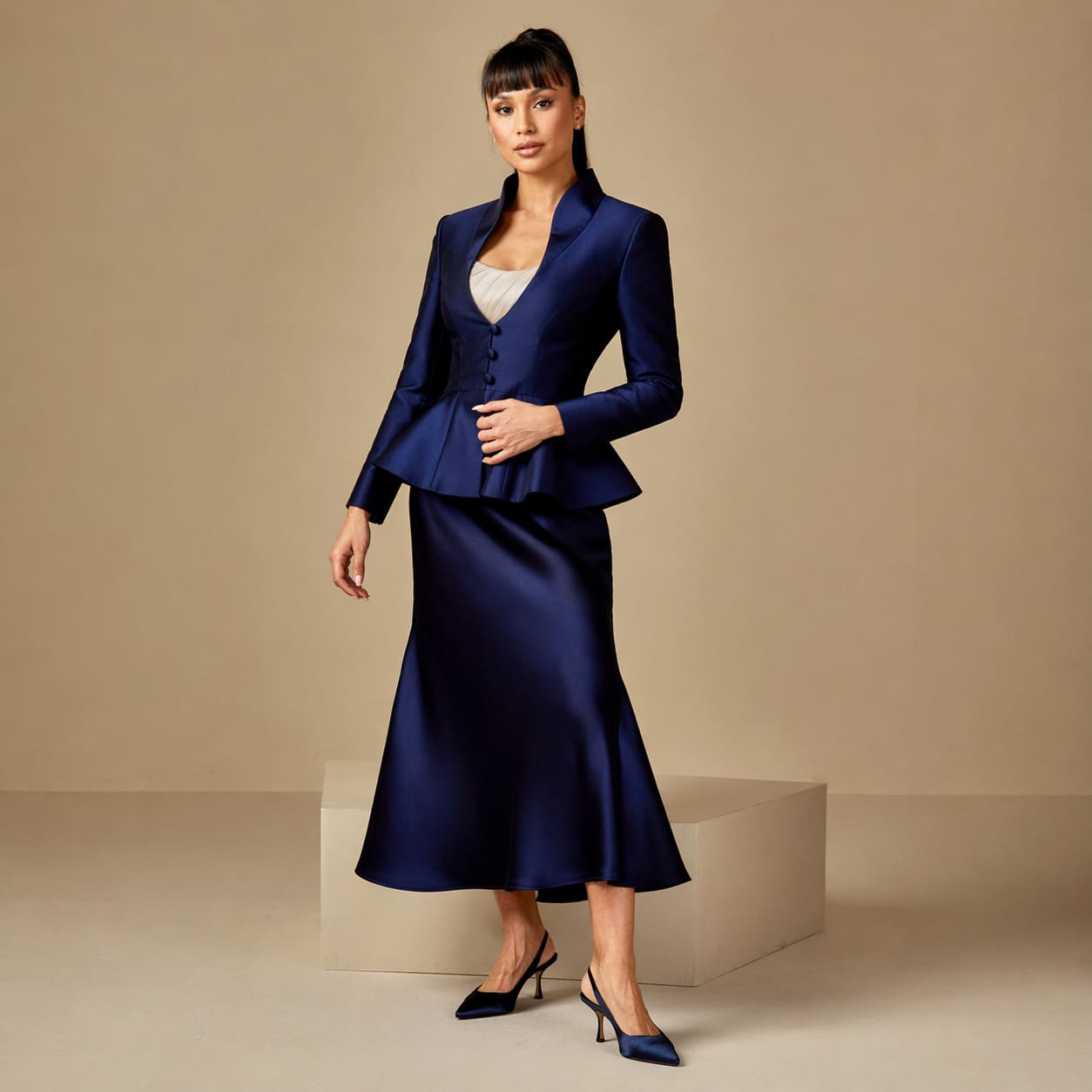
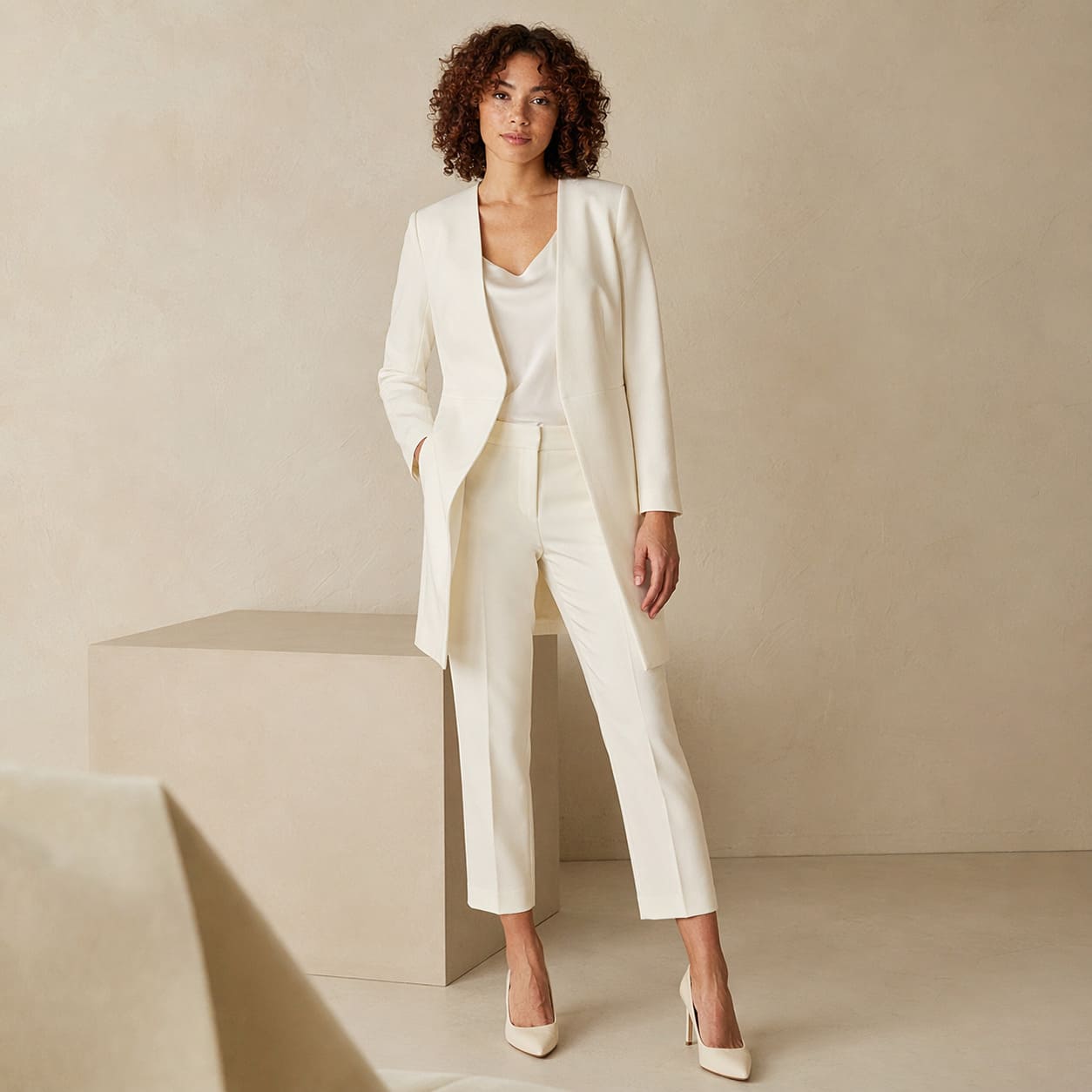
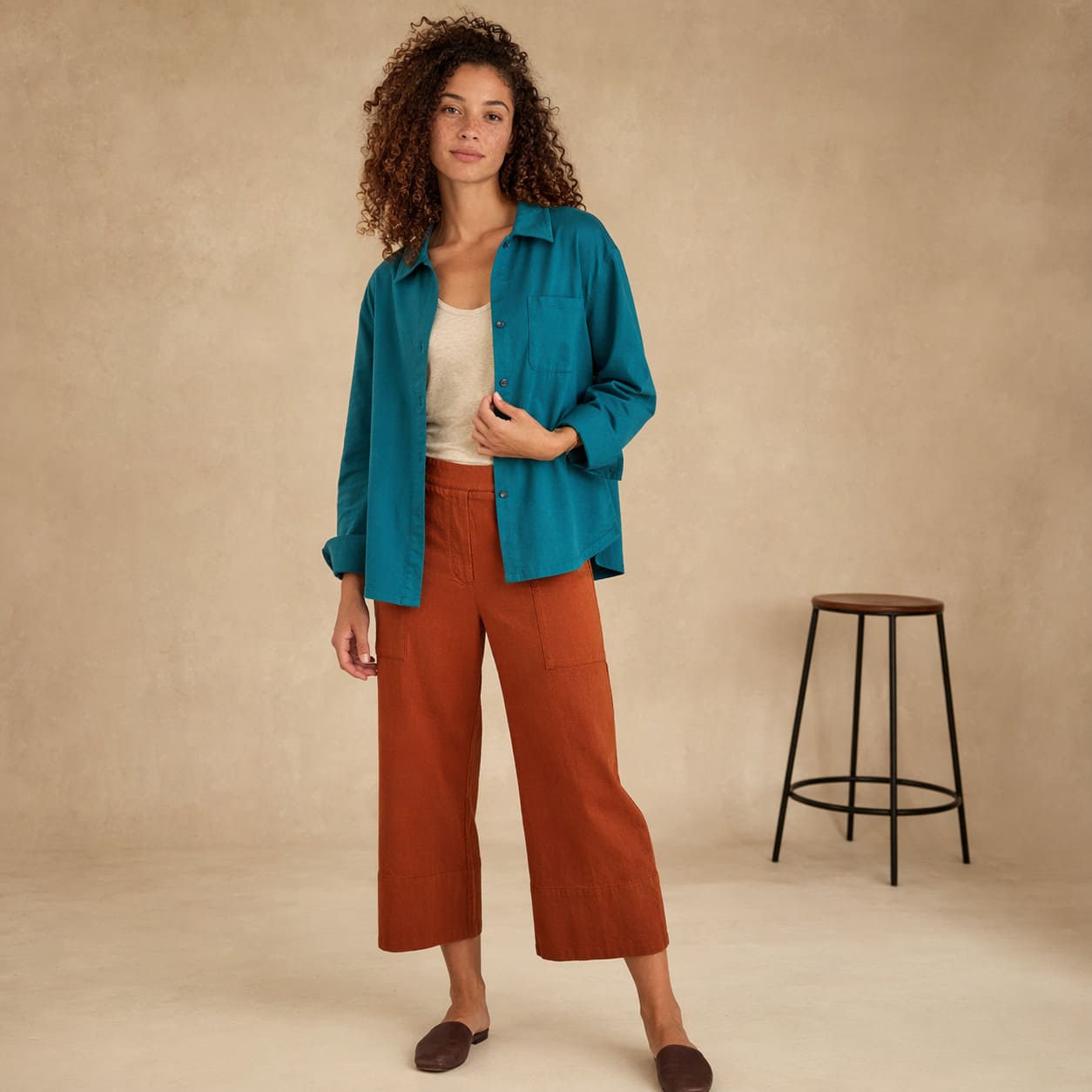
Our women’s tailoring includes casual separates, evening wear, and wedding suits, designed for special occasions as well as everyday confidence.
Discuss your ideas, explore your options, and discover the right fit for you.
Send us a photo, get a price
Send a picture of any garment and a tailor replies with a price to create it for you.
Or call 020 7167 3490

Cut for how you move
Seams, fastenings and fittings planned around your body, your day and how you dress.
What does adaptive tailoring actually change about a garment?
Usually four things: where the seams and darts sit, how the garment opens and closes, how much room there is where you need it, and how it behaves in the position you spend most of your day in. The outside can look exactly like any other tailored piece. Most of the work happens in the pattern and the construction.
Do I have to explain my medical history?
No. We only need to know what affects the garment: how you move, what is difficult, what causes discomfort, and what you want the piece to do. You are welcome to share more if it helps, but a diagnosis is not required and we will not ask for one.
My body is not symmetrical. Is that a problem?
No. Almost nobody is symmetrical, and a bespoke pattern is drawn to your body, not to a standard block. If one shoulder sits lower, one leg is shorter, or one side carries more room than the other, we cut for it rather than working around it.
Can a suit be cut for a seated posture?
Yes, and it makes a large difference. A jacket cut for standing rides up at the back and gathers at the front when you sit. A seated cut shortens the front, lengthens the back, raises the armhole for easier arm movement, and moves the pockets to where your hands actually reach. Trousers are cut with a higher back rise and a flatter front so there is no bunching at the lap.
Do you make trousers for wheelchair users?
Yes. Seated trousers have a higher rise at the back, a shorter front, and no back pockets, which are uncomfortable to sit on. We can also remove or move side seam bulk, taper the leg so it does not catch on the footplate, and set the hem length for a seated leg rather than a standing one.
Can you allow for a prosthetic limb or a brace?
Yes. Prosthetics and orthoses change the shape and the width of a limb, so we measure over them and cut the sleeve or leg accordingly. Where a socket or hinge would wear the cloth, we can reinforce the inside. If you sometimes wear it and sometimes do not, we can build in an adjustment so the piece works both ways.
What if my size or shape changes from day to day, or over the year?
Tell us the range rather than a single measurement. Swelling, medication and fluid changes are all common and we can plan for them. Adjustable waistbands, extra inlay in the seams, a slightly softer construction and cloth with a little give all give you room to move without losing the shape.
Can you replace buttons and zips with easier fastenings?
Yes. Concealed magnetic closures, larger pulls on zips, hook and loop under a button placket, or a side opening instead of a front one are all possible. The garment still reads as a normal buttoned jacket or shirt from the outside. Tell us which fastenings you find difficult and we will design around them.
Can you make something I can put on with one hand?
Yes. That usually means larger openings, fastenings on your stronger side, wider armholes, slightly slippier linings so sleeves do not grip, and closures you can operate without pinching. Show us how you currently dress at your appointment and we will build the garment around that movement.
Can you accommodate medical equipment?
In many cases yes. Discreet access points, hidden pockets for a pump or a sensor, adapted waistbands, and openings positioned to avoid a line or a port are all things we can build in. Bring the equipment or a photo to your first appointment so we can plan the placement properly.
Can garments be made for someone who is dressed by a carer or a family member?
Yes, and it is worth telling us early because it changes the design. Openings that come apart fully, back closures, split seams and generous cuffs all make dressing easier for two people. If your carer can join the appointment or a fitting, that often speeds up the process.
Which fabrics work best for adaptive pieces?
It depends on the need. Lighter, softer cloths are easier if lifting your arms is tiring. Cloth with a little stretch helps if you transfer often. Flatter, smoother weaves reduce rubbing where a garment sits against a chair or a strap. If you are sensitive to texture, we can line the whole garment or choose a cloth with no scratch to it. We will put samples in your hands rather than describe them.
Can you reduce seams and bulk where I sit or lean?
Yes. We can move seams away from pressure points, flatten or remove them entirely in some places, use a smoother finish on the inside, and avoid rivets, studs and thick pocket bags where you rest your weight. This is one of the most useful adjustments we make and it costs nothing extra to plan for.
Fittings are tiring for me. Can we do fewer, or shorter ones?
Yes. We can shorten each session, split a fitting across two visits, or reduce the number of fittings by taking more detail at the start. If sitting or standing for long is painful, say so when you book, and we will plan the appointment around your energy rather than our usual schedule.
Is your showroom accessible?
Get in touch before you book and we will tell you exactly what to expect: step-free access, lift, doorway widths, turning space, changing area and toilet facilities. We would rather answer that honestly in advance than have you arrive to a surprise. Where a location does not suit, we can arrange a home visit instead.
Can you come to me instead?
Yes. We offer home and workplace visits, and online consultations where a family member or carer helps with measurements. If travelling is difficult, tell us at the enquiry stage and we will arrange the whole process around that, including fittings.
Can you adapt clothes I already own?
Sometimes. It depends on the garment, how it was made and how much cloth is left inside the seams. Bring the piece to your appointment and we will tell you honestly whether it can be altered well or whether you would be better off having it remade.
Can you make a whole wardrobe rather than one piece?
Yes, and it often works better. Once your pattern exists, further pieces are quicker to make and the adaptations carry across. Many clients start with one work or event piece, then build out over time. There is no minimum order.
Does adaptive tailoring cost more?
Not automatically. Price depends on the cloth and the construction, the same as any bespoke piece. Some adaptations, such as moving a seam or repositioning a pocket, add nothing. Others, such as concealed magnetic closures or a second adjustable waistband, are additional work and we will price them clearly before you commit.
Tell us what you need it to do
Fill in the form and we will get back to you. Tell us how you need the clothes to work for you, whether that is a seated fit, easier fastenings, room for a brace or support, or something else entirely.
Ask about cloth, cut, how the fittings work, how long it takes or what it costs. If it is easier to talk it through, leave your number and we will call.
We are in London (Mayfair), Manchester, Zurich and New York. If a home visit or a video call is easier for you, just say so in your message.