Made-to-measure women's clothing
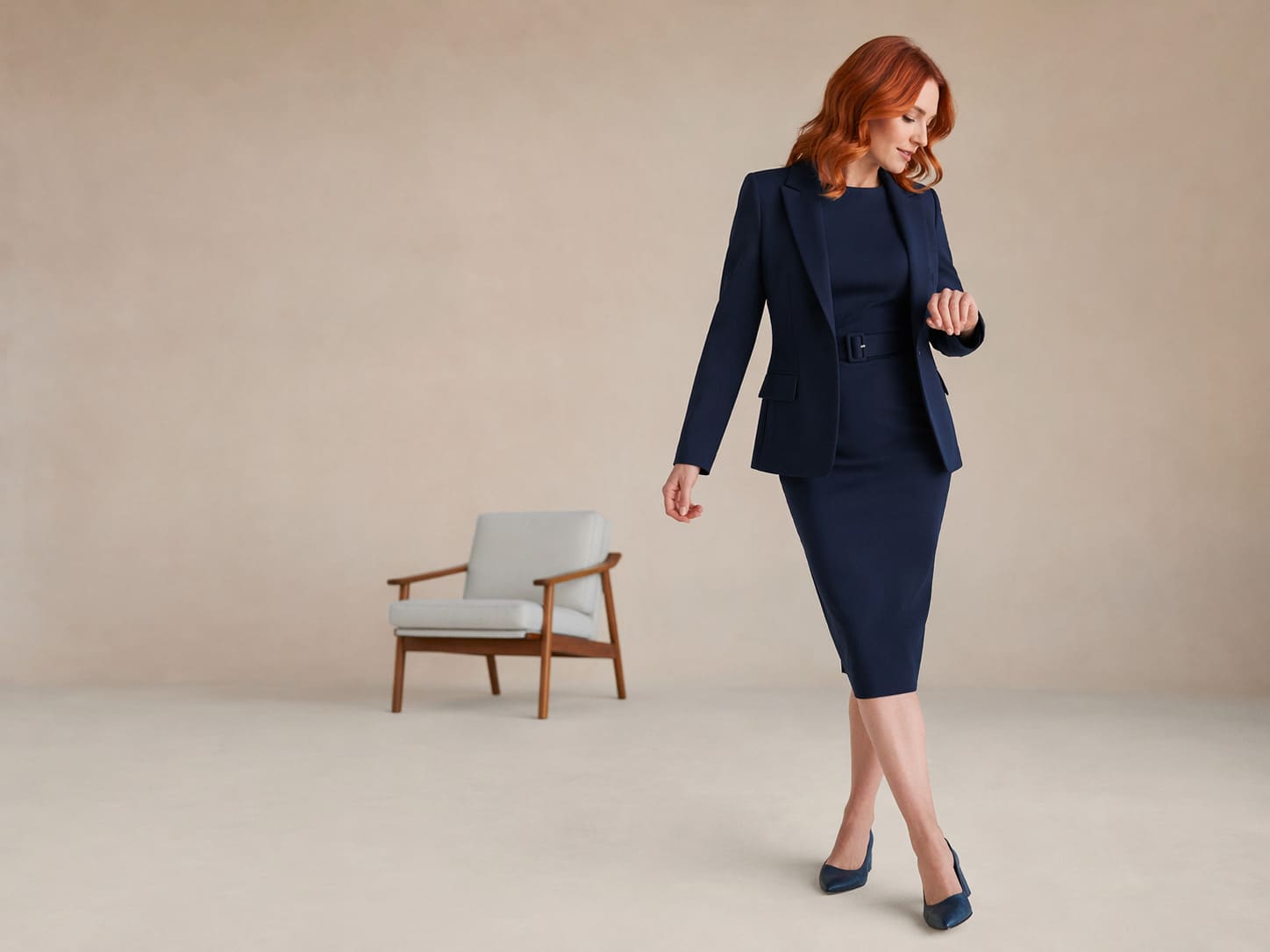
Suits, blazers, trousers, skirts and coats built from your measurements. Faster than bespoke, better than anything on a rail.
Rated 5 stars on Google from over 150 reviews
Tell us what you're looking for
Replies within a couple of working hours. Prefer to talk? Call 020 7167 3490 or choose one of our five showrooms.
Why made-to-measure works better for women
The fit problems off-the-peg cannot solve, and how made-to-measure fixes them in one go.
Business suits
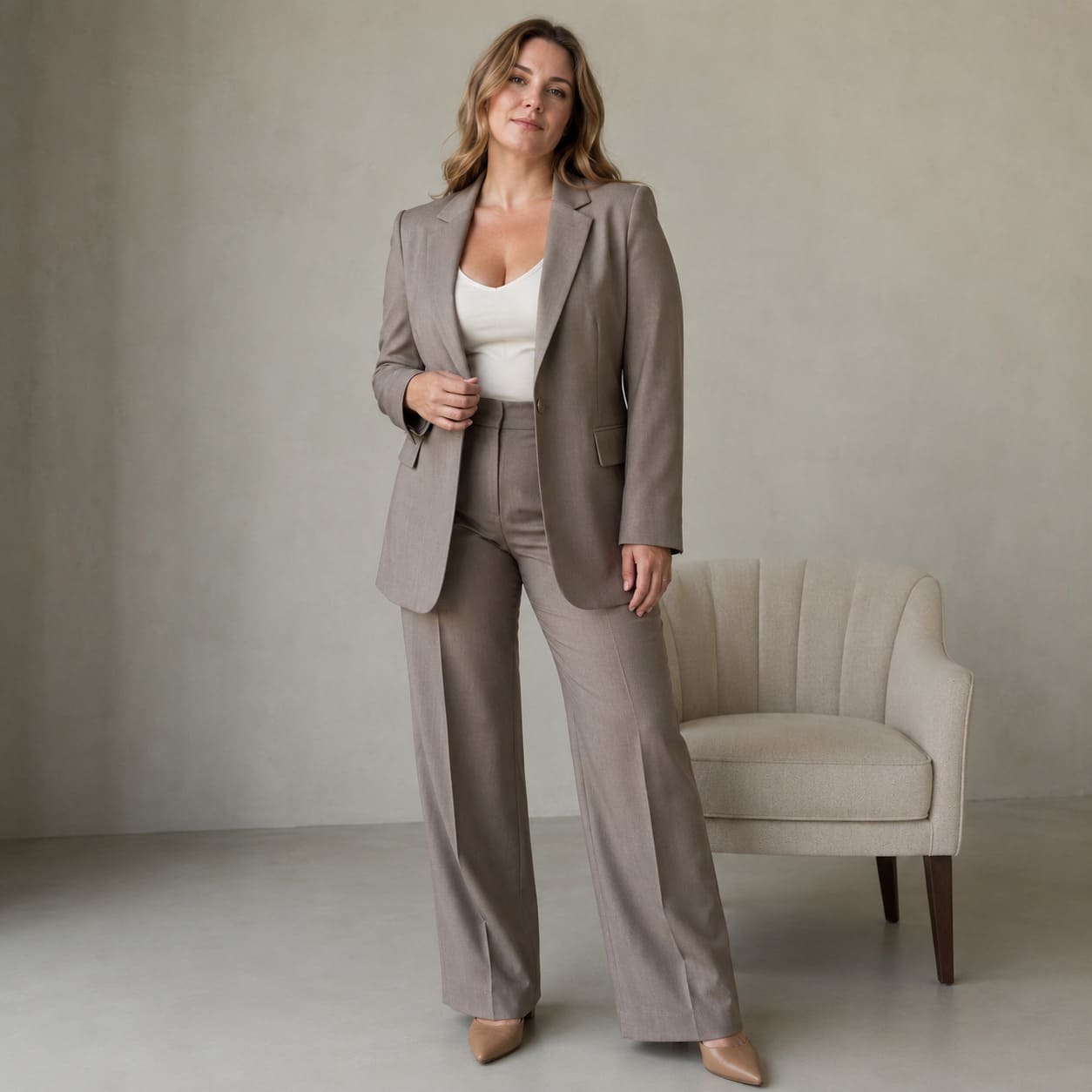
A tailored business suit changes how you carry yourself. We make two-piece and three-piece suits for the office in wools, worsteds, and blends that hold their shape through a long day. You choose the cut, the lapels, the trouser style, and every detail. The result is a suit that fits your body and your working life.
The sizing problem
Women's sizing is broken. A size 12 at one brand is a size 14 at another. Even within the same brand, a blazer in size 12 and a trouser in size 12 are built for two different bodies. You end up buying for your largest measurement and tailoring the rest, or worse, just living with a bad fit.
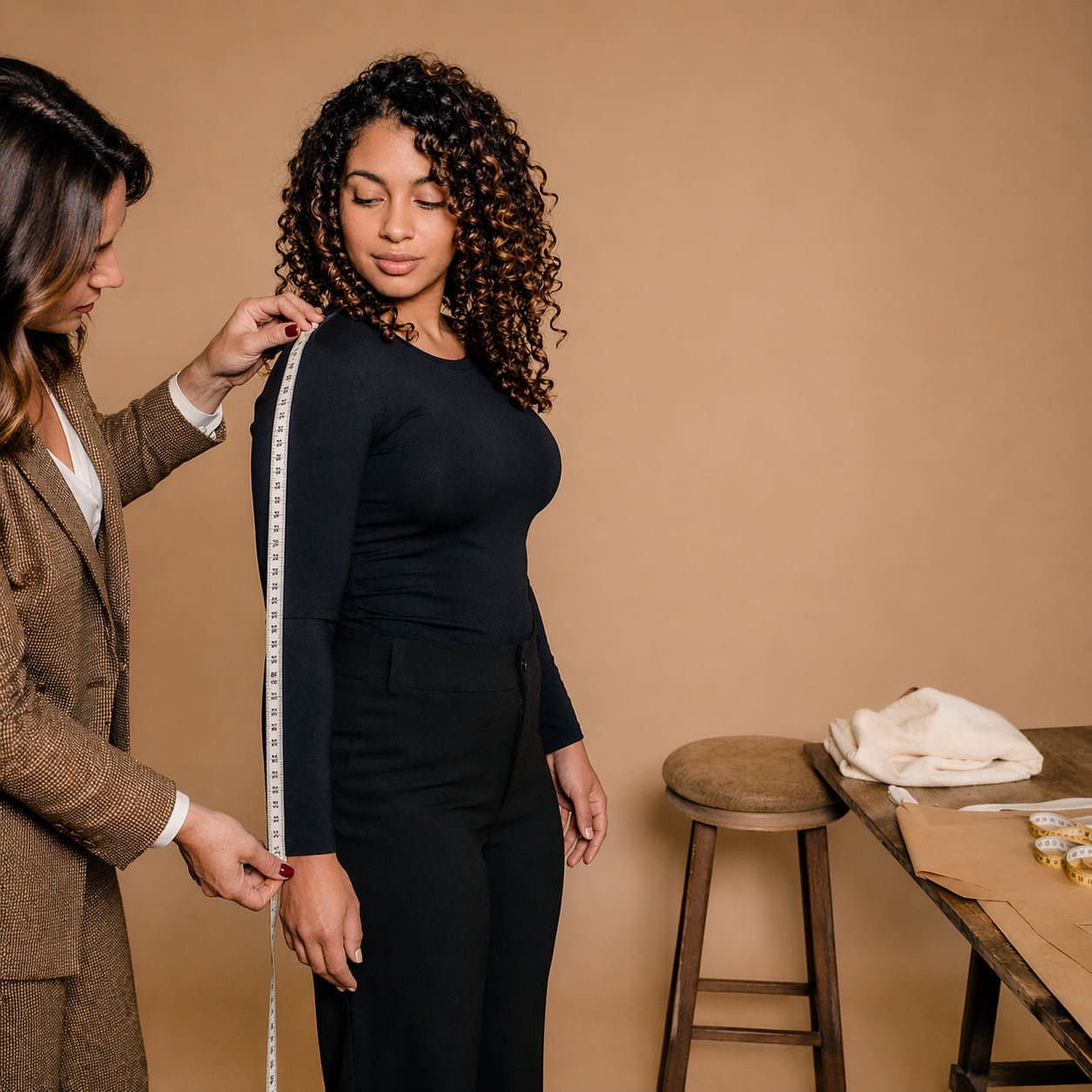
Made-to-measure skips all of that. We measure your bust, waist, hips, shoulders, arms, back length, and more. We check your posture and how you stand. Then we build a pattern to those numbers. The piece fits your body, not a size chart.
What changes
The bust sits flat without pulling. The waist lands where your waist actually is. The shoulders end at your shoulders, not two inches past them. Sleeves finish at the right point. Trousers do not gap at the back. A blazer buttons without strain and sits smooth when open. These are the things you notice every time you put it on, and the things off-the-peg gets wrong every time.
Send us a photo, get a price
Send a picture of any garment and a tailor replies with a price to create it for you.
Or call 020 7167 3490
What we make
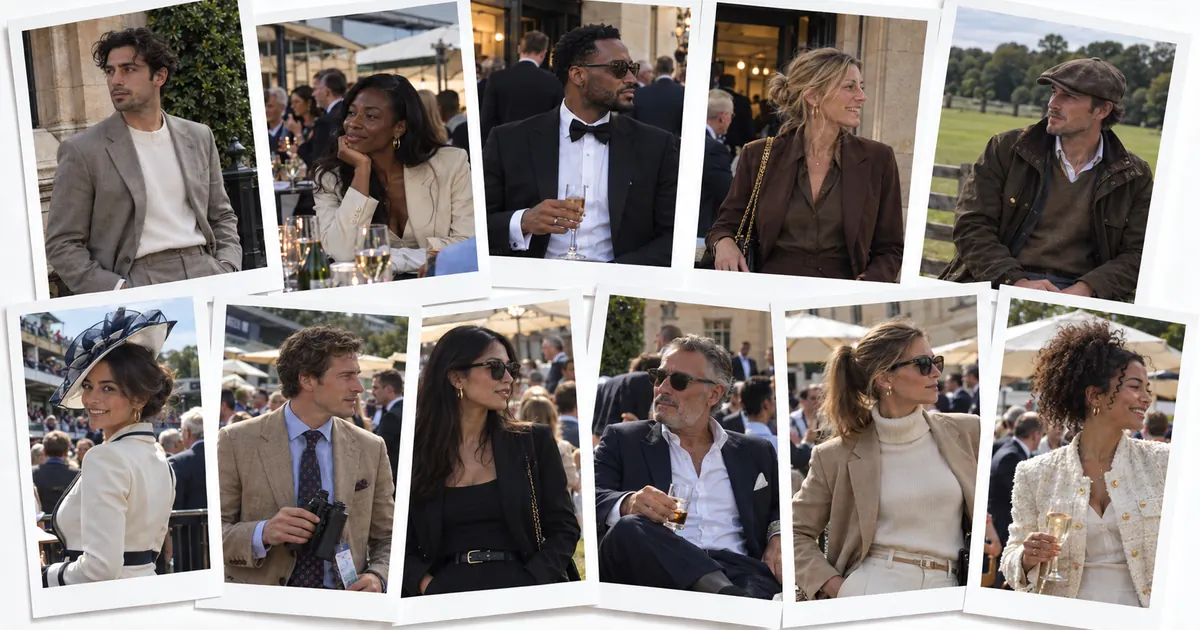
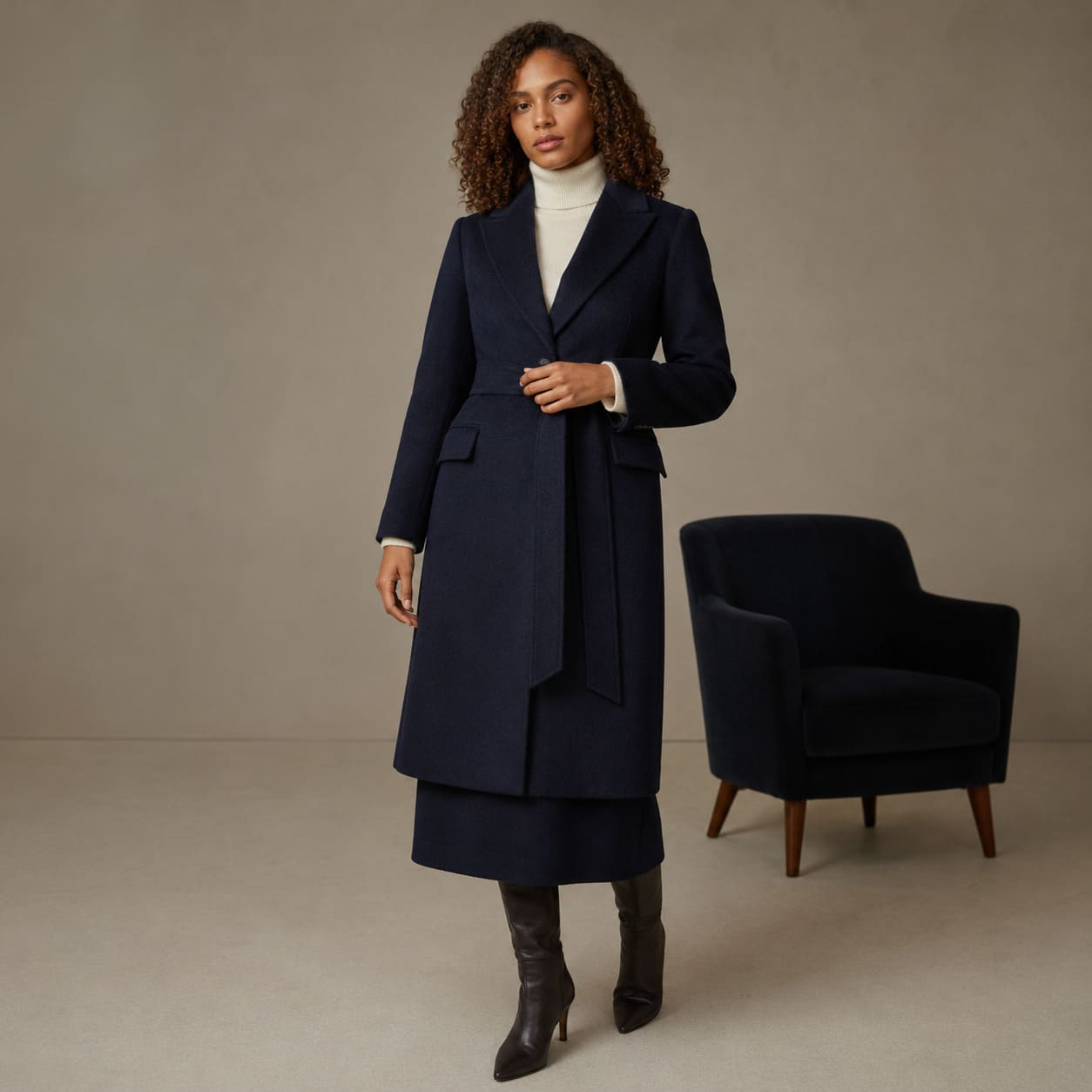
Blazers, suits, trousers, skirts, waistcoats and coats. In cloths and styles you will not find on any rail.
Blazers
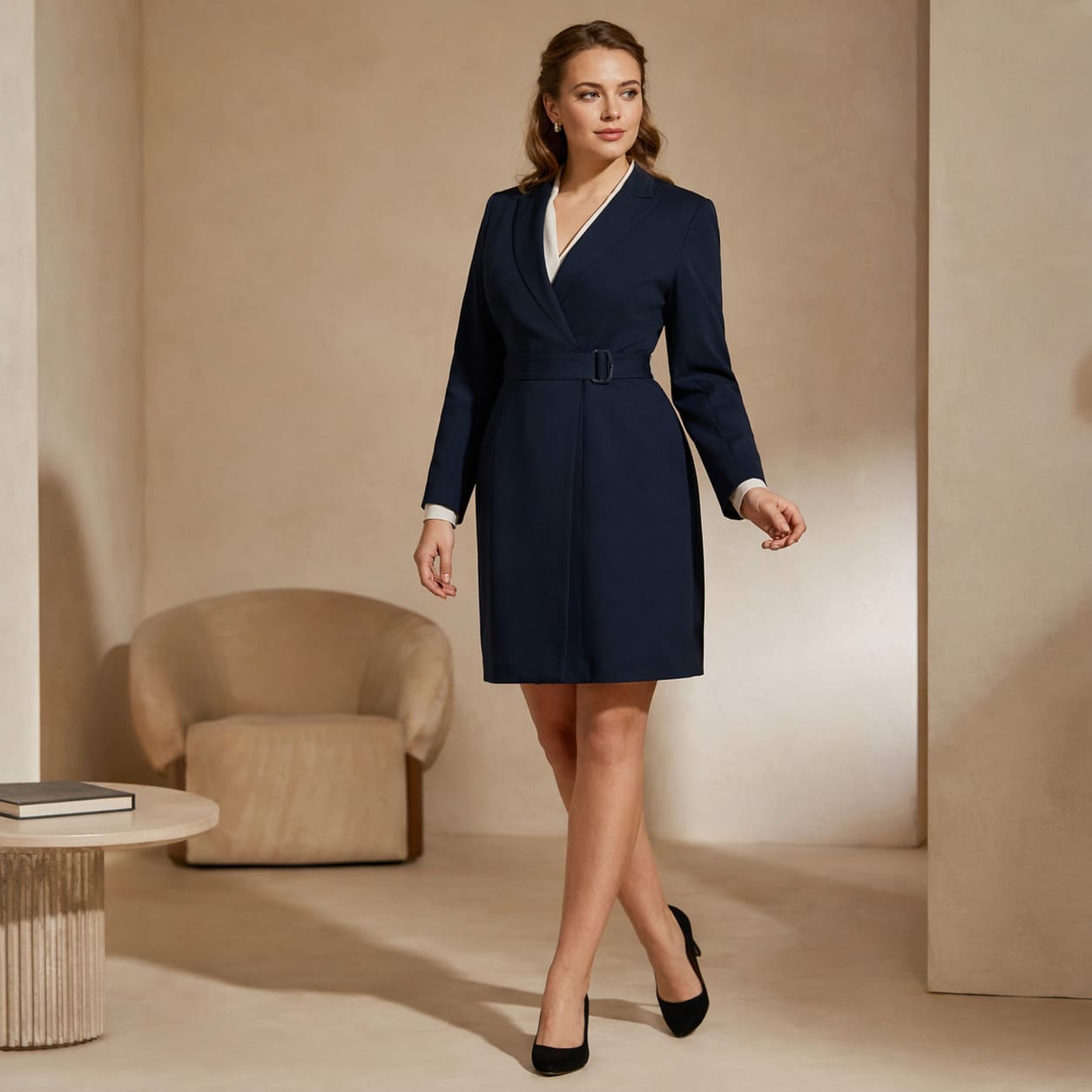
The most popular starting point. A blazer that fits your shoulders, nips at the waist, and sits clean through the hips changes how everything else in your wardrobe looks. We make structured and unstructured styles, single-breasted, double-breasted, and collarless. Cropped, hip-length, or longer. You set the shape.
Suits
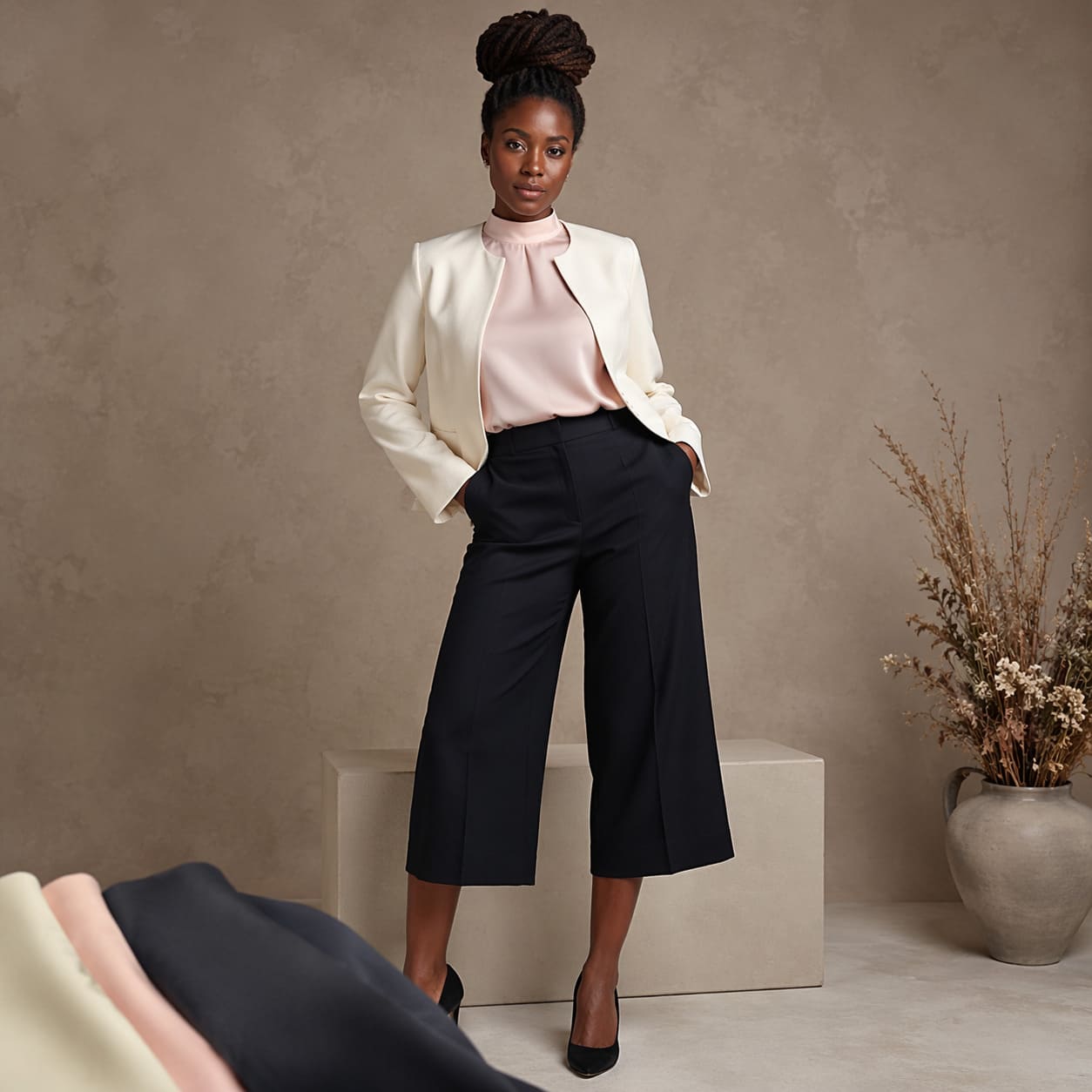
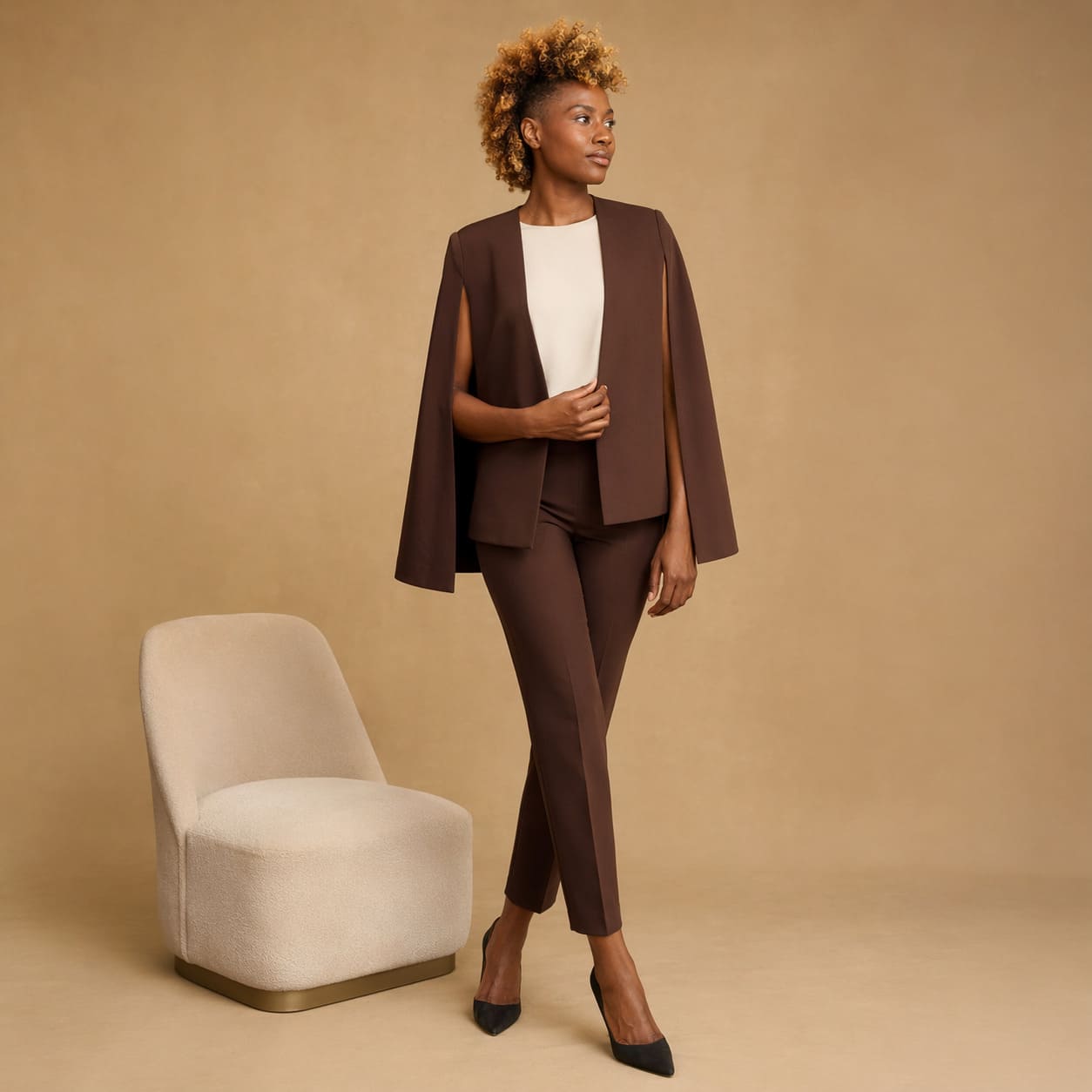
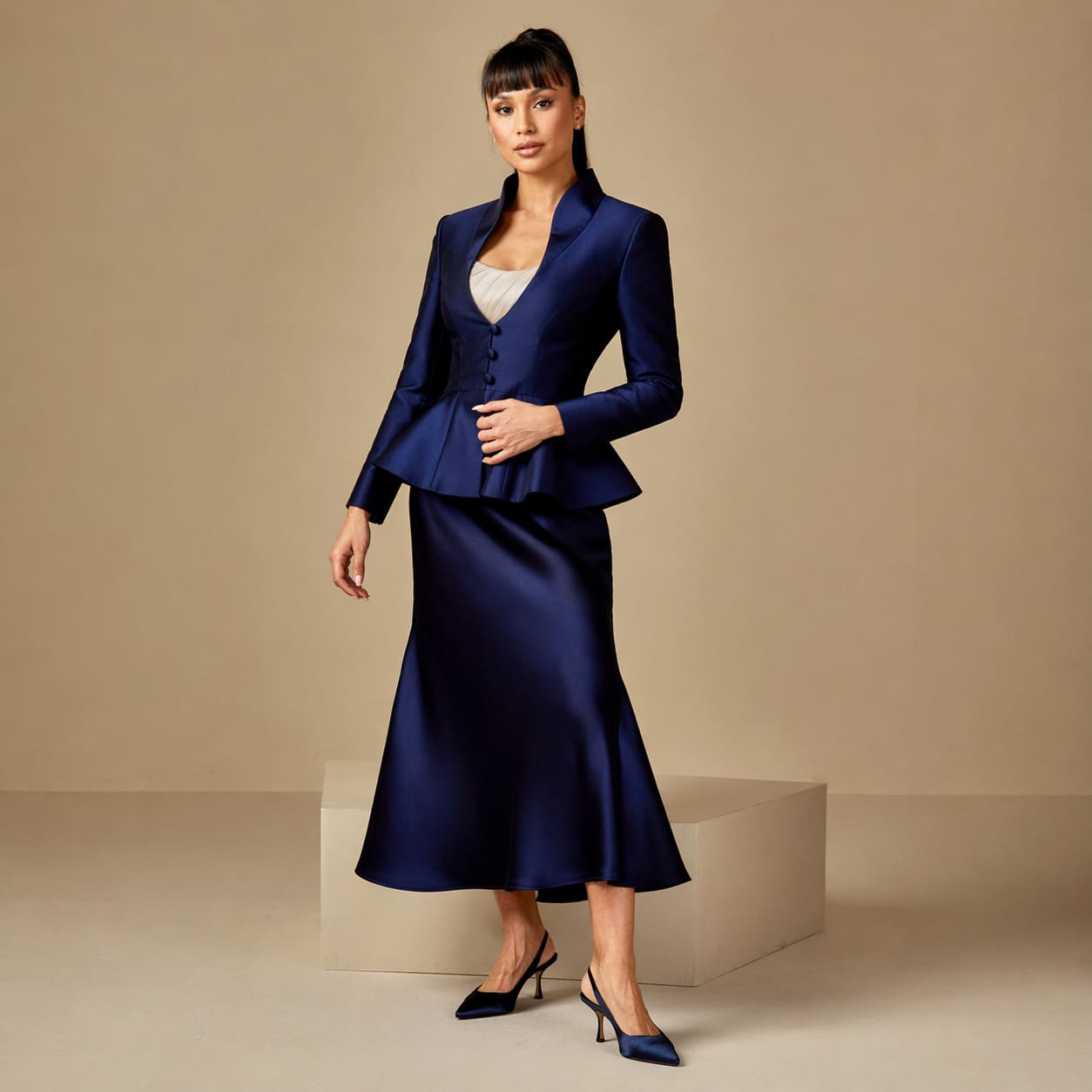
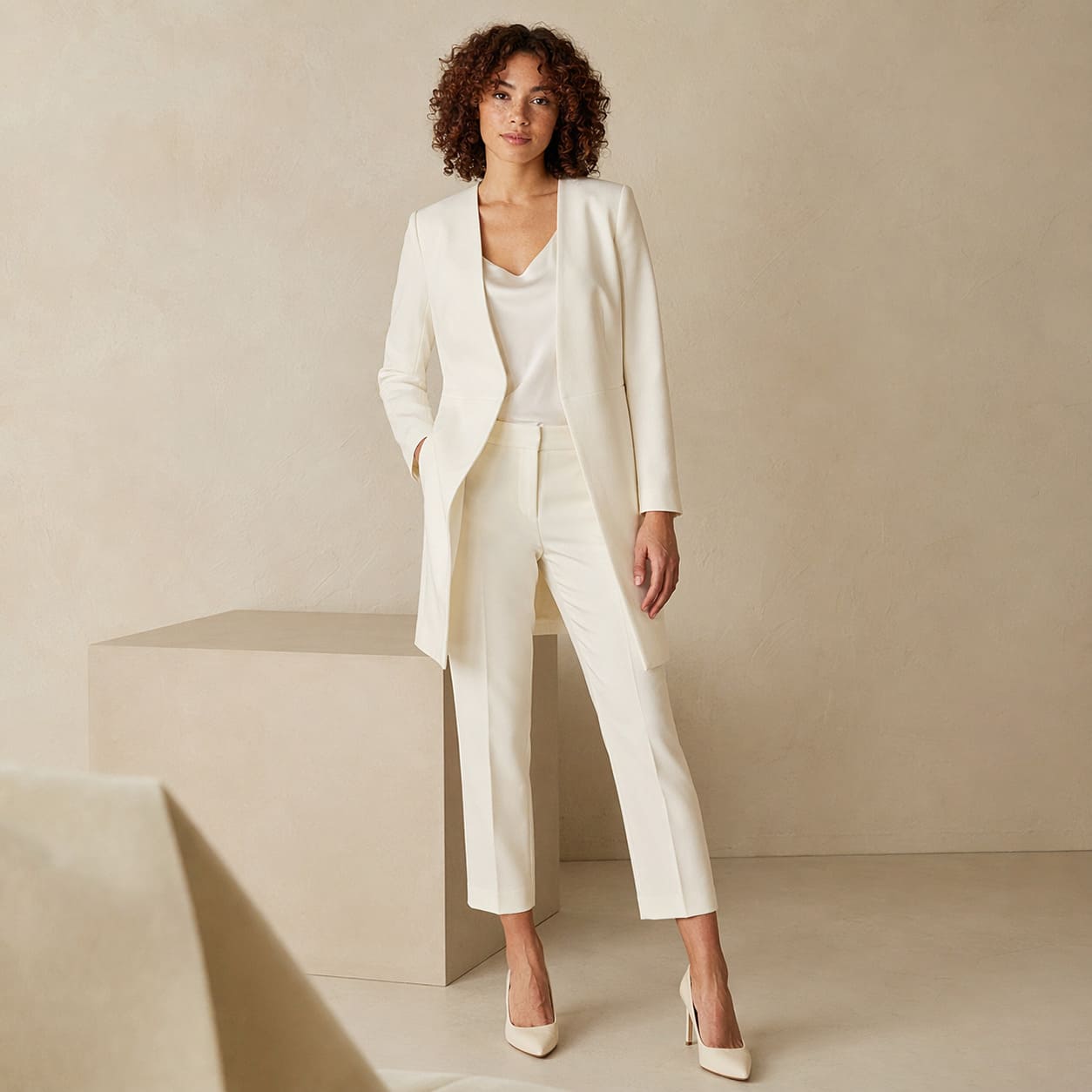
Two-piece and three-piece suits for work, events, and everyday wear. The trouser can be slim, wide-leg, straight, or cropped. The jacket can be anything from a sharp peak lapel to a soft collarless cut. See our workwear page or occasion wear page for ideas on what works in different settings.
Trousers and skirts
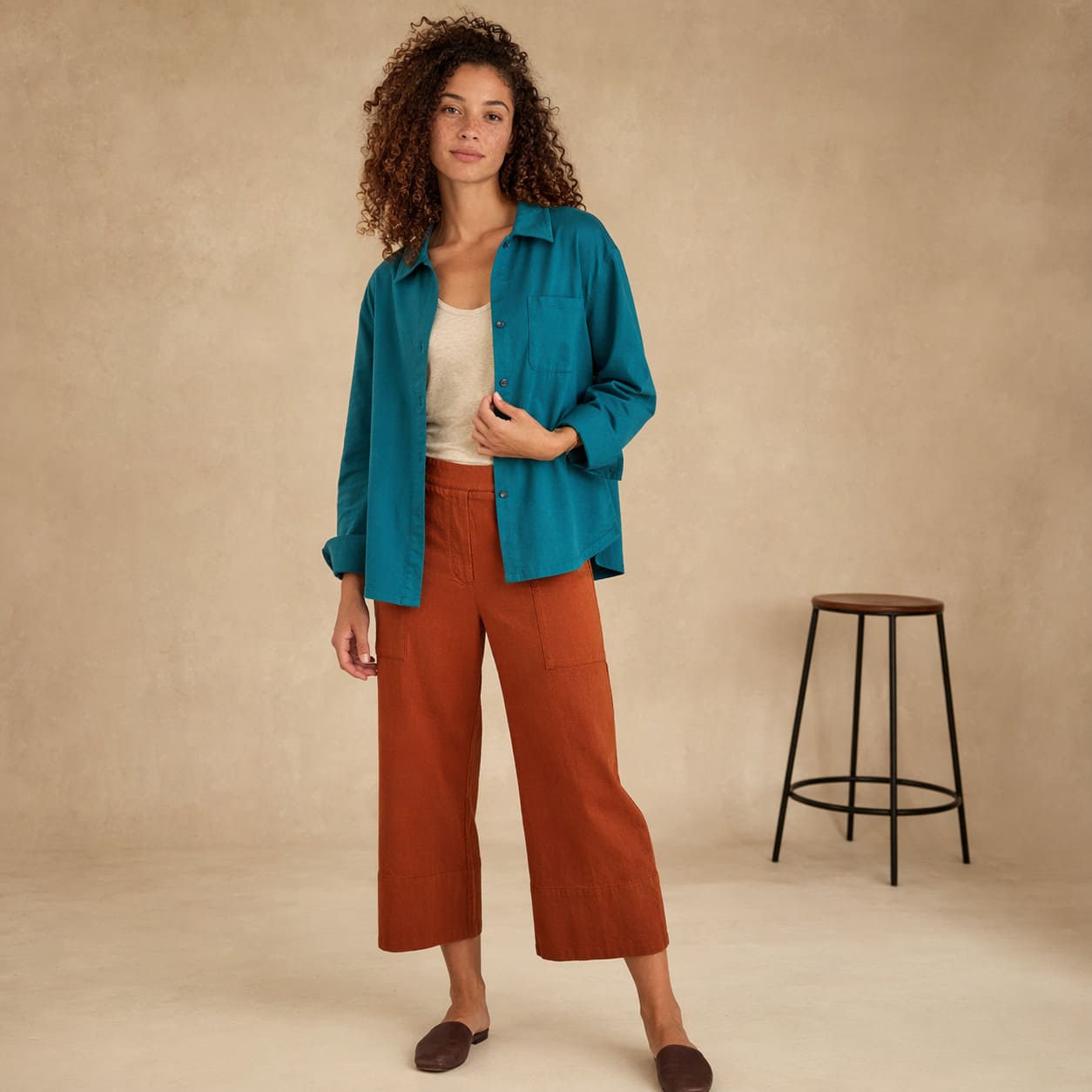
If you want to start with one piece, start here. A pair of trousers that actually fits your waist, hips, and legs will change how you think about getting dressed. We make every cut: wide-leg, slim, straight, tapered, cropped. High-waisted, mid-rise, or on the hip. Side zip, front fly, or clean waistband. Skirts too, in the same range of cloths.
Coats
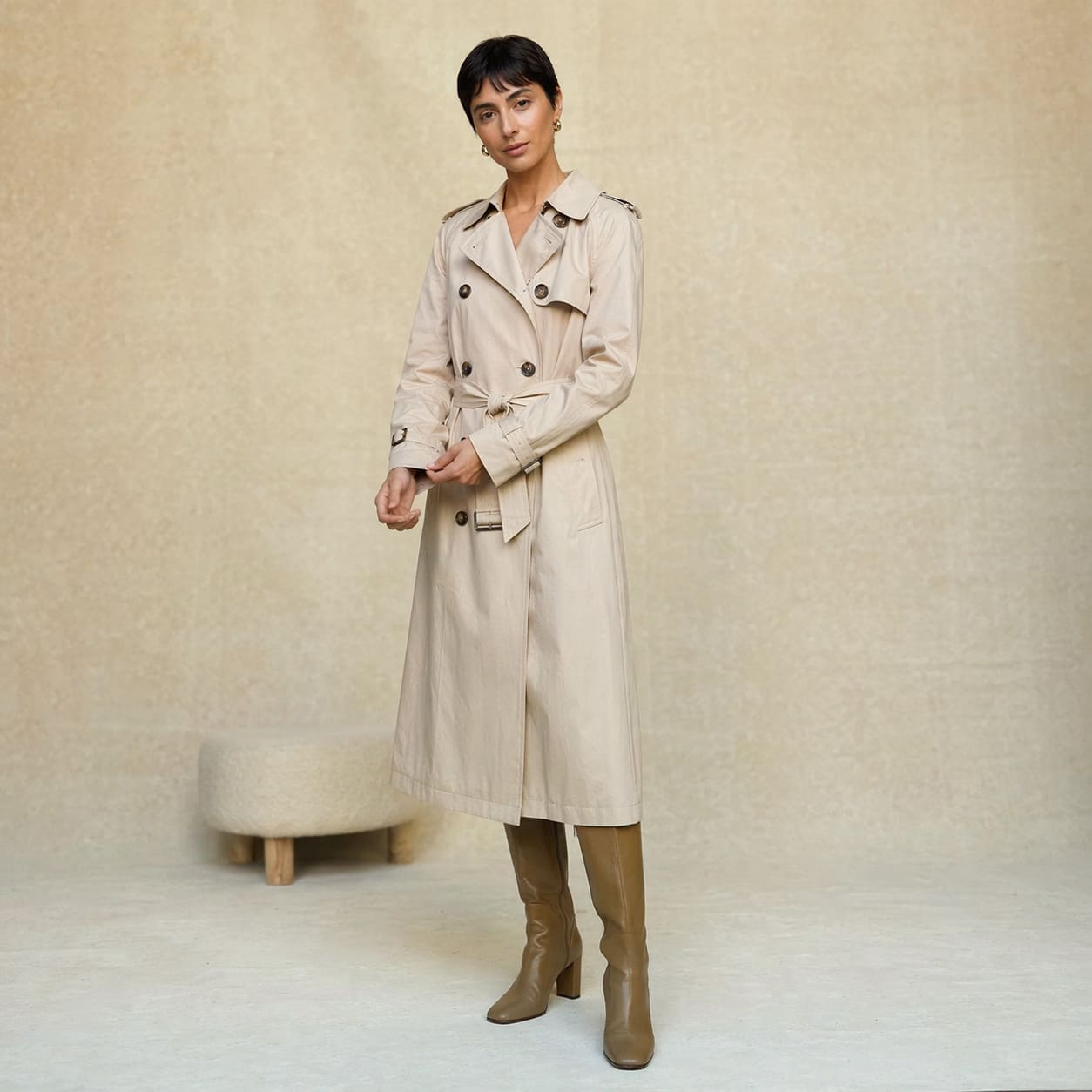
Overcoats, topcoats, trench coats and lighter jackets. Same process: your measurements, your cloth, one fitting. See our coats and outerwear page for style options.
Waistcoats
As part of a three-piece or as a standalone piece to wear over a shirt or blouse. A waistcoat on its own with tailored trousers is one of the sharpest smart casual looks going.
The fitting experience
What happens when you walk in, how we measure, and why there is nothing to worry about.
Your first visit
You come in and we talk. Not about cloth or buttons, not yet. First we ask about your life: what you do, what you wear now, what drives you mad about your current clothes, and what you are looking for. This is the part most clients say they enjoy most, because nobody has ever asked them these questions before.
Then we look at cloths, talk through styles, and take your measurements. The whole thing takes about an hour.
Being measured
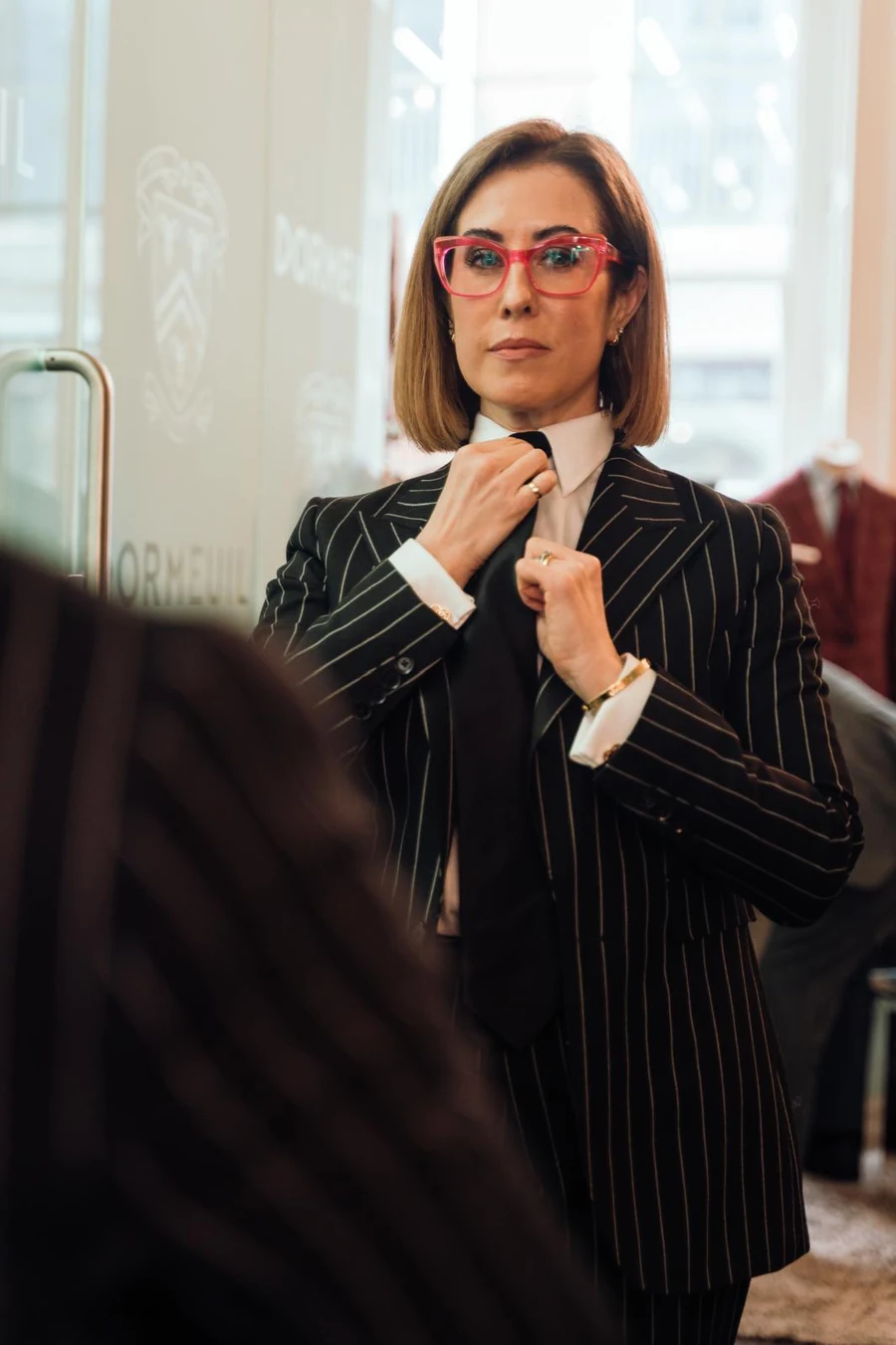
If you have never been measured for clothes, it can feel odd at first. We get that. Your tailor will talk you through every step and only measure what is needed. It is quick, it is straightforward, and most clients relax within the first few minutes. We measure over your clothes, not under them.
After the consultation
We adjust a base pattern to your measurements and send it for cutting. You come back for one fitting, usually two to three weeks later. We check how everything sits, pin any adjustments, and the finished piece is with you a week or so after that.
Cloth and colour
The same range we use for bespoke. Wools, silks, linens and blends in every colour you can think of.
The range
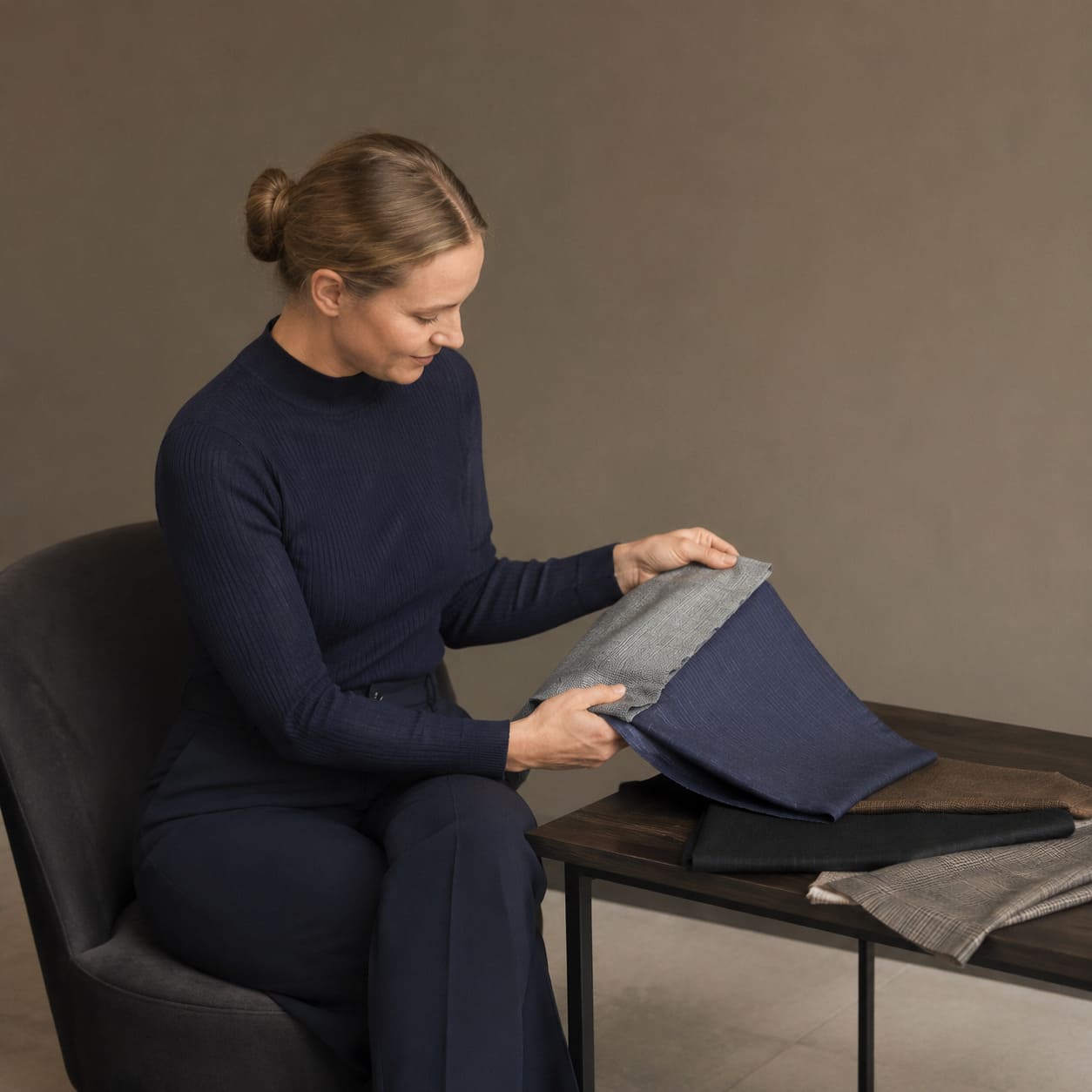
We do not have a separate made-to-measure cloth book. You choose from the same mills and the same cloths as our bespoke clients. Holland and Sherry, Dormeuil, Scabal, Loro Piana and others. Fine worsteds for work. Silk-wool blends for events. Lighter wools, linens and cottons for summer. Heavier wools and cashmere for coats.
Colour
This is where made-to-measure for women really opens up. You are not limited to what the high street decided to stock this season. Navy, charcoal, black, yes. But also dusty pink, sage, cobalt, champagne, burgundy, emerald, lilac, and anything else you have in mind. If you can picture the colour, we can find a cloth to match.
Your tailor will bring samples so you can see and feel the cloths against your skin. What looks good on a swatch card and what looks good on you are not always the same thing.
What it costs
Pricing depends on the garment, the cloth, and the level of construction. We are happy to talk through budgets at the consultation. There is no minimum spend and no hard sell.
Starting small and building up
You do not need to order a full wardrobe. Most clients start with one piece and come back for more.
Where to start
A single blazer or a pair of trousers is the best first order. It is quick, it is affordable, and it shows you what made-to-measure feels like before you commit to anything bigger. Once you feel the difference, the next piece is an easy decision.
Made-to-measure costs less than bespoke because the pattern work is simpler, and there is no pressure to order more than you want.
Building from there
After your first piece, most clients come back for a second within a few months. A blazer leads to trousers. Trousers lead to a suit. A suit leads to a coat. There is no rush and no minimum. You build at your own pace.
Some clients move to bespoke for the pieces that matter most, like a wedding suit or a statement blazer, and keep using made-to-measure for the everyday pieces. Others stay with made-to-measure for everything. Both work. Your tailor will help you decide as you go.
Any questions, just ask
Fill in the form and we will get back to you. Ask about cloth, fit, how the fittings work, how long it takes or what it costs.
If you are still weighing up made to measure against bespoke, say so in your message. We will explain the difference and which one makes more sense for what you need.
We are in London (Mayfair), Manchester, Zurich and New York. We can also come to you, or start with a video call.
What nobody tells you
The things clients only find out once they are in the room, put here instead so you know before you book.
Can I bring in something I already own and ask you to copy the fit?
Yes, and it is one of the most useful things you can do. If you own a jacket or a pair of trousers that fits better than everything else, bring it. We can measure it flat, see where it has been altered, and work out what it is doing right. Bring the piece you hate as well. Pointing at where it gapes, pulls or rides up tells us more in ten seconds than a long conversation about what you want. Most people find it easier to describe a problem than to describe an ideal.
Can you make something from a photo?
Bring photos, and expect us to be honest about them. A picture is the fastest way to show a lapel shape, a trouser width or a length you like, and we can build to it. What a photo cannot show is how a garment was cut for the person wearing it, or what has been pinned out of sight behind them. So we will take the elements that will work on your frame and tell you plainly if something in the image relies on a body shape different from yours. Bring several, not one. The common thread between them is usually the thing you actually want.
Will you allow for a full bust, or a big difference between bust and waist?
Yes, and this is the single biggest reason women come to us. Off the peg, a jacket is cut to one fixed ratio between bust and waist, so anyone outside it either buys for the bust and swims at the waist or buys for the waist and cannot fasten the button. We measure bust, underbust and waist separately and shape the front to the difference between them. That means the jacket closes flat, the lapels lie down instead of springing open, and there is no drag line running from the button across to the side seam.
What if I am very petite, very tall, or long in the body?
It is handled at the pattern stage, which is why it works. Shortening a finished jacket moves the hem but leaves the pockets, buttons and waist shaping where they were, which is why altered off the peg pieces so often look slightly off without anyone being able to say why. When the pattern is built to your back length and your leg, every one of those points lands where it should. Petite clients tend to notice the improvement most, followed by anyone whose height sits mainly in the body rather than the legs, or the other way round.
What happens if my weight changes after it is made?
There is spare cloth left in the seams so the piece can be let out or taken in later. As a rough guide, a size either way is comfortable, and more than that depends on where the change sits on your body. Bring it in rather than living with it. A tailored piece that no longer fits is the most common reason good clothes stop being worn, and an alteration costs a fraction of a new order. Tell us at the consultation if you expect your shape to change, and we will leave more cloth in from the start.
Do I get a say in the lining, buttons and pockets?
All of it. Lining colour and pattern, button type and finish, pocket style and where they sit. The one worth thinking about before you arrive is pockets, because placement is set early and cannot be moved later. Say if you want them deep enough to hold a phone rather than decorative, and say if you would rather have none at all on a close fitting skirt or trouser. Small decisions like these are the difference between a piece you wear because it fits and one you wear because it suits how you actually live.
Can I supply my own cloth?
Sometimes, but show it to us before you buy it. Three things decide whether a cloth can be tailored: the weight, the weave, and how much of it you have. Dress fabrics are often too light to hold a tailored shape, and a length bought for a simpler garment is usually short once pattern matching and seam allowance are accounted for. If you have inherited a cloth or found something on your travels, bring it in or send a photo with the width and length. We will tell you honestly what it can become.
Can you make something for pregnancy, or for afterwards?
Yes, and it is worth planning as one piece of work rather than two. We make trousers and skirts with adjustable or extended waistbands, and jackets cut with enough room in the seams to be taken back in later. Tell us at the consultation what stage you are at and roughly when you will want to wear it. A piece designed from the start to be altered afterwards will serve you far longer than something bought to get through a few months.
Can you work around a mobility need, or a difference between one side and the other?
Yes. Almost nobody is symmetrical, and a shoulder that sits lower, a longer arm or a difference in leg length is measured and built in as standard rather than treated as unusual. Beyond that, we can change how a garment fastens, opens and moves for wheelchair users, for limited grip or reach, and for anyone who dresses with help. Tell us what makes getting dressed difficult and we will design around it. See our adaptive tailoring for women.
Do you take orders for teams or groups?
Yes. We dress company teams, front of house staff and groups who want one look across very different bodies, which is exactly where ordering a batch of one size fails. Everyone is measured individually and gets their own fit in the same cloth, so the group reads as a group without anyone being stuck in a size that does not work for them. We can measure people across different cities and diaries rather than needing everyone in one room on one day. See our locations.