How can you wear tweed trousers without looking old fashioned?
Tweed trousers look modern when they are worn as one textured separate, with a plain top half, restrained colour and shoes that suit the setting. The country squire effect comes from piling up rural signals, such as a flat cap, waistcoat, checked shirt, heavy brogues and a country jacket.
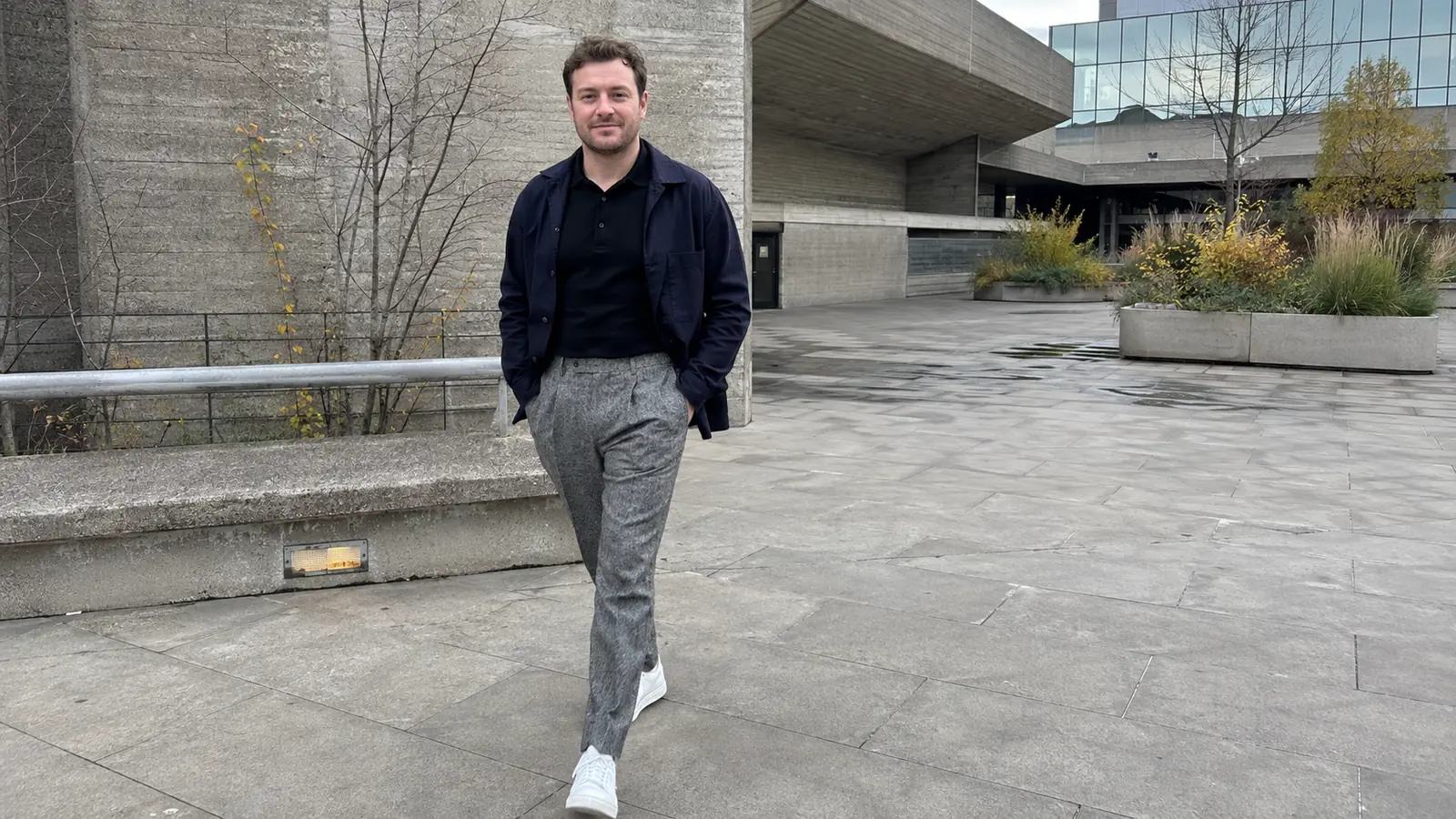
Grey Tweed Trousers Modern London Style Guide Smart Casual Outfit Featured Photo
Cloth sets the tone
Picture two pairs of tweed trousers on a rail. One has a high-contrast check, a rough handle and a strongly rural mood. Another sits in muted grey, brown, olive or charcoal, with a smaller pattern and a softer surface. Both are tweed, but they will lead your wardrobe in very different directions.
Quieter cloth gives you more room to move. A soft herringbone or a small-scale check can sit close to flannel in spirit, especially when the colour is calm. A louder cloth asks for more restraint everywhere else, because the trousers have already made the statement.
Harris Tweed also needs clear language. The Harris Tweed Authority protects Harris Tweed under the Harris Tweed Act 1993, and the Orb mark guarantees cloth dyed, spun and handwoven by islanders of the Outer Hebrides in their homes. That matters if authenticity is part of what you value, but it does not mean every good tweed trouser must be Harris Tweed.
Fielding & Nicholson works with country cloths including Harris Tweed, Lovat and Porter and Harding, but the smarter choice is rarely the most dramatic swatch in the book. Your cloth has to suit the life you actually lead, from a soft knit and loafers to an overshirt and boots, instead of sitting in the wardrobe as a novelty.
Fit does the modernising
Tweed trousers fail fastest when the fit is vague. Textured wool has presence, so extra fabric at the seat, thigh or hem reads heavier than it would in a smooth worsted wool.
The aim is a clean line, not a skinny one. A good cut lets the cloth hang with ease, gives the leg shape, and keeps the hem from collapsing over the shoe. Pleats can look sharp in tweed when the rise, taper and break have been judged together.
- Rise. A mid or higher rise can lengthen the leg and make knitwear or shirting sit more cleanly at the waist. A low rise can work, but heavy cloth often looks less settled when it hangs from the hip.
- Pleats need room to open and close. If they pull flat when you stand still, the trouser is too tight through the front, and the cloth will fight the body.
- Taper and leg line. Tweed needs shape through the leg, especially below the knee. Too wide and it can feel costume-like; too narrow and the texture looks strained.
- Break at the hem changes the whole age of the outfit. A small break or clean finish feels sharper than a pool of cloth sitting on the shoe.
- Seat fit matters because tweed shows bulk quickly. The back of the trouser should look settled, with enough ease to move and no sagging under the waistband.
Through bespoke work, Fielding & Nicholson treats this as a joined-up decision. Cloth selection, measurement and fittings all shape how the trouser sits before it is finished. That is where tweed becomes personal, because the cut can serve different bodies and style identities without forcing one traditional silhouette.
Precision removes the costume before the outfit has even begun.
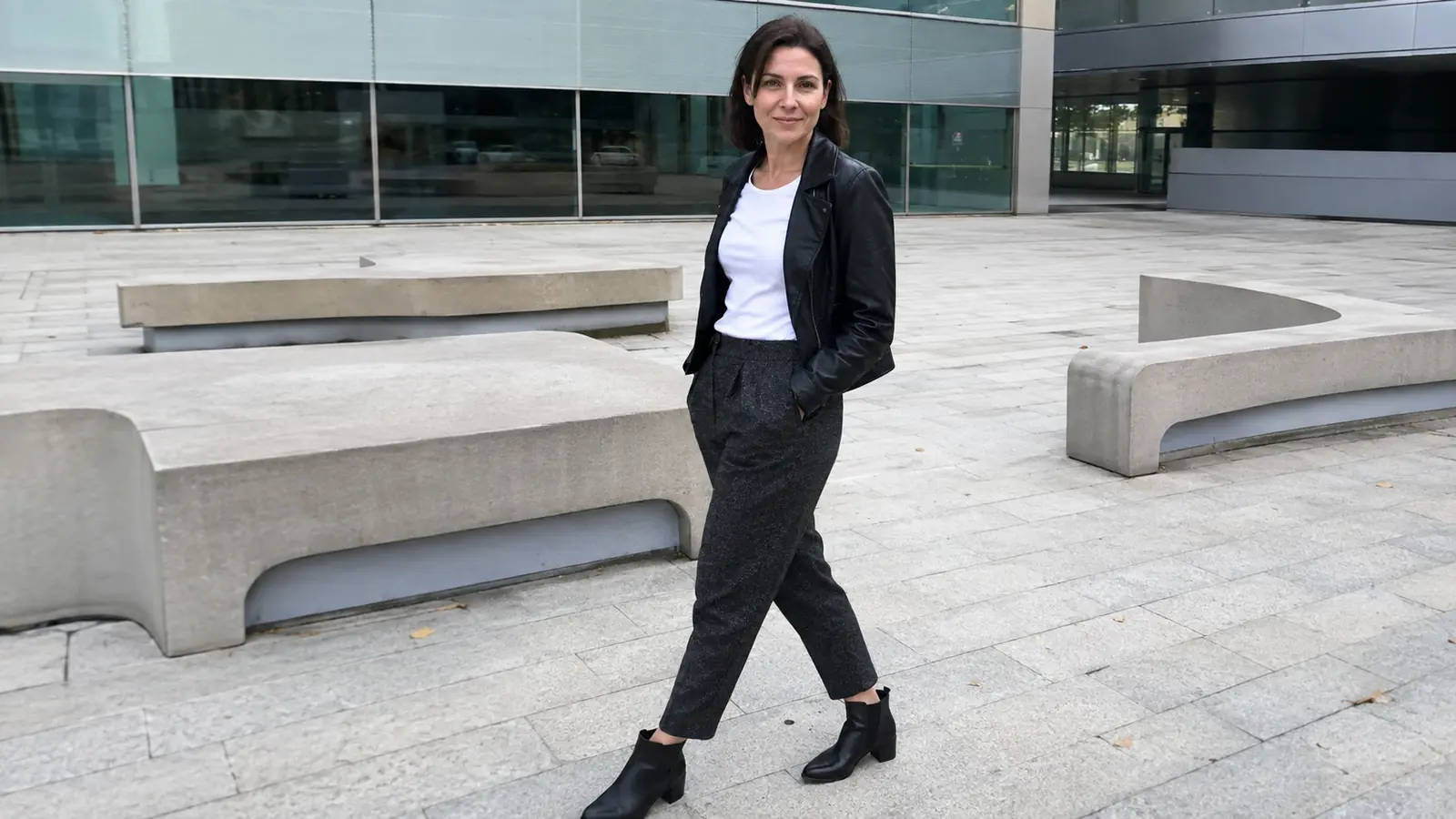
Women's Charcoal Tweed Trousers Styled with Modern Leather Jacket for London Days

Pro Tip: Choose a quieter tweed cloth if you plan to wear the trousers with knitwear, loafers or trainers. The fabric keeps its character while the outfit feels easier to place in everyday life.
Pairings remove the costume
Take brown tweed trousers first. With a checked shirt, waistcoat, flat cap and heavy country shoes, they start telling one very specific story. With a cream merino knit, suede loafers and a plain coat, the same trousers feel quieter, softer and easier to wear.
Grey tweed is even more direct. It works well with navy knitwear, a white Oxford shirt, black leather shoes or clean trainers, depending on how formal you want to feel. The rule is simple: let the trousers carry texture, then keep the surrounding pieces calmer.
| Too country | More modern |
|---|---|
| Checked shirt with waistcoat and tweed jacket | Plain Oxford shirt with a soft jacket |
| Flat cap and heavy brogues | Suede loafers, derbies or softer boots |
| Full tweed outfit in mixed patterns | Tweed trousers with merino knitwear |
| Thick shirt tucked into a bulky waistband | Fine roll neck or clean overshirt |
| High-contrast colour pairing | Brown with cream, blue or olive; grey with navy, white or charcoal |
Shoes do more work than people expect. Suede loafers lighten the mood, derbies keep it smart, clean trainers can make tweed feel relaxed, and softer boots sit well for weekends. Heavy brogues are not wrong, but they become the problem when everything else points the same way.
Tweed trousers can also be worn without a jacket. The top half simply needs enough weight to stand up to the cloth. A thin T-shirt often looks underpowered beside textured wool, but a merino crew neck, roll neck, overshirt or substantial Oxford shirt gives the outfit balance without making it formal.
Colour restraint keeps the whole thing believable. Brown tweed likes cream, denim blue, olive and soft grey. Grey tweed takes navy, charcoal, black, white and muted knitwear cleanly. Once the colour and texture are calm, the trousers stop feeling like a costume reference and start acting like a useful separate.
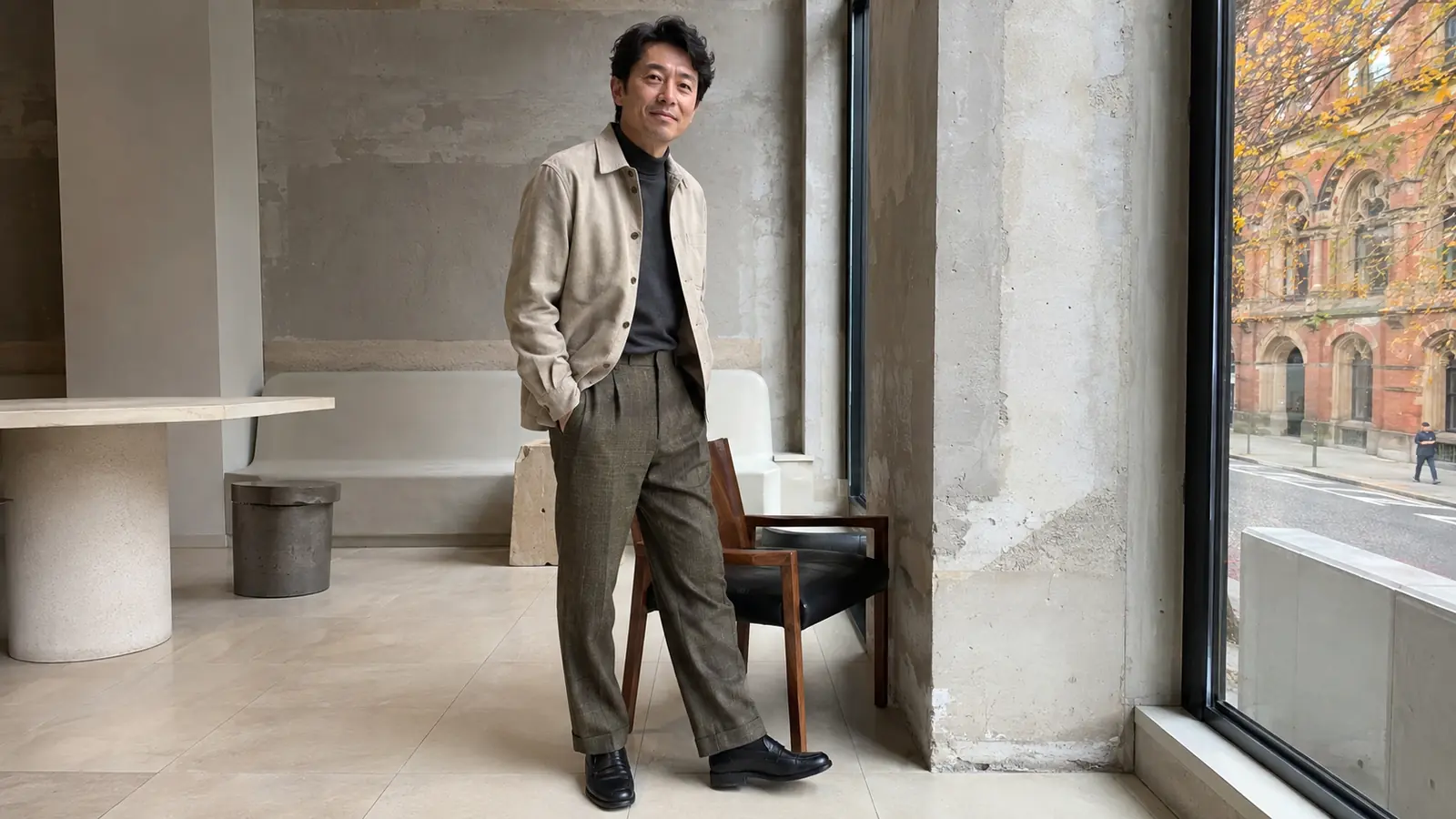
Olive Tweed Trousers Urban Autumn Style Guide Modern Menswear Tailoring Featured Photo
Care keeps tweed sharp
When tweed looks tired, styling cannot fully rescue it. Creases in the wrong place, a flattened nap or a soft hem line can make even a well-cut trouser look neglected.
The Woolmark Company recommends brushing woven wool garments lengthwise after wearing to remove surface soil, and airing wool garments to deal with odours. A woven wool trouser can be hung in fresh air on a suitable hanger, but the sewn-in care label should guide any washing or cleaning decision.
Pressing matters as much as cleaning. Tweed trousers look more current when the crease is clean, the hem sits properly and the cloth has not been over-handled. Care supports the cut, which is the part people see first.
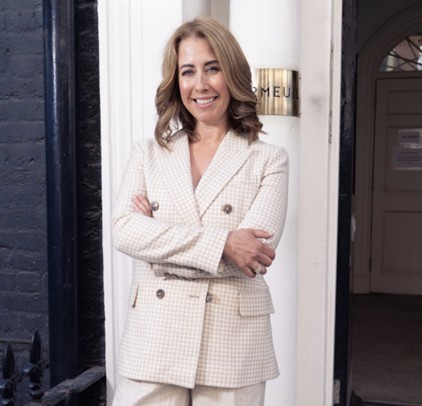
Pro Tip: Keep the hem clean and the crease sharp. Tweed looks much more current when the trouser line stays crisp from the waist to the shoe.
One decisive priority
Plenty of people try to make tweed look younger by adding brighter trainers, louder shirts or a theatrical clash of textures. That usually solves the wrong problem. Tweed does not need to be disguised; it needs proportion and editing.
The strongest tweed trouser outfits start with a cut that suits the body and a cloth that suits the wardrobe. After that, the surrounding pieces should give the trousers room to breathe. One textured element is interesting. Several rural signals at once become a character study.
Prioritise proportion above novelty, because fit decides whether tweed looks intentional before colour, shoes or styling have their say.
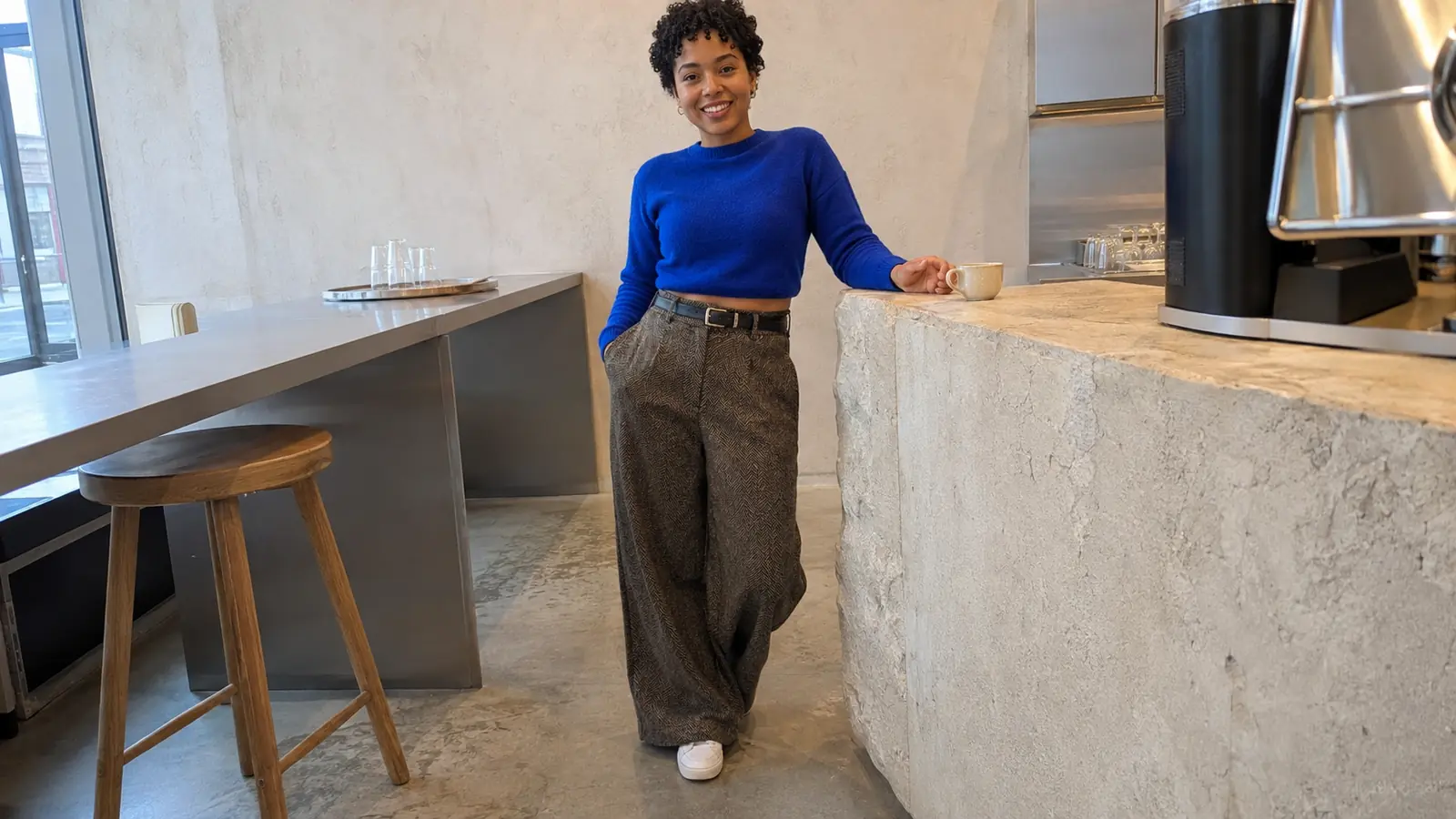
Women's Brown Herringbone Tweed Trousers Create Relaxed Contemporary Style with Bright Knitwear
Common questions about styling tweed trousers
Can tweed trousers be worn casually?
Yes, tweed trousers can work casually when the rest of the outfit is relaxed but considered. Merino knitwear, an overshirt, clean trainers or suede loafers can soften the formality without making the trousers look careless.
Do tweed trousers need to match a jacket?
No, tweed trousers often look better as a separate. A matching tweed jacket can work, but wearing the trousers with plain knitwear, shirting or soft outerwear usually feels more current.
Are brown or grey tweed trousers easier to wear?
Grey tweed is usually easier for city outfits because it pairs cleanly with navy, white, black and charcoal. Brown tweed feels warmer and more relaxed, especially with cream, blue, olive and softer shoes.
What should you avoid wearing with tweed trousers?
Avoid stacking too many rural cues in one outfit. A flat cap, checked shirt, waistcoat, heavy brogues and country jacket worn together can make the trousers look like part of a costume.
How should tweed trousers be stored between wears?
Hang them properly, let the cloth air, and keep the crease in good shape. Brushing after wear and following the sewn-in care label will keep the fabric looking sharp for longer.