
What does the bespoke process really feel like?
Bespoke tailoring should feel calm, guided and collaborative. We take you from a first conversation through cloth, style choices, measurements, fittings and collection, so each decision feels manageable. You do not need tailoring vocabulary before you arrive; you need honest preferences and a sense of how you want to feel.
Most people imagine bespoke tailoring as a high-pressure appointment where every answer needs to be exact. A better way to think about it is as a series of small, guided decisions. One choice gives shape to the next, and the garment becomes clearer as we learn how you dress, move and live.
A simple bespoke tailoring process usually feels like this:
- The first conversation gives us the reason for the garment and the way you want to feel in it.
- Cloth books help us narrow colour, texture and weight in a practical way.
- Style choices turn broad taste into visible details, such as lapels, pockets and buttons.
- Measurements and fittings refine the garment around your body, posture and movement.
- Collection brings the finished piece into your wardrobe after final checks and small adjustments.
Ready-to-wear asks you to fit the garment as closely as possible. Bespoke gives us room to make the garment around you. A little uncertainty at the start gives us useful material to work with.
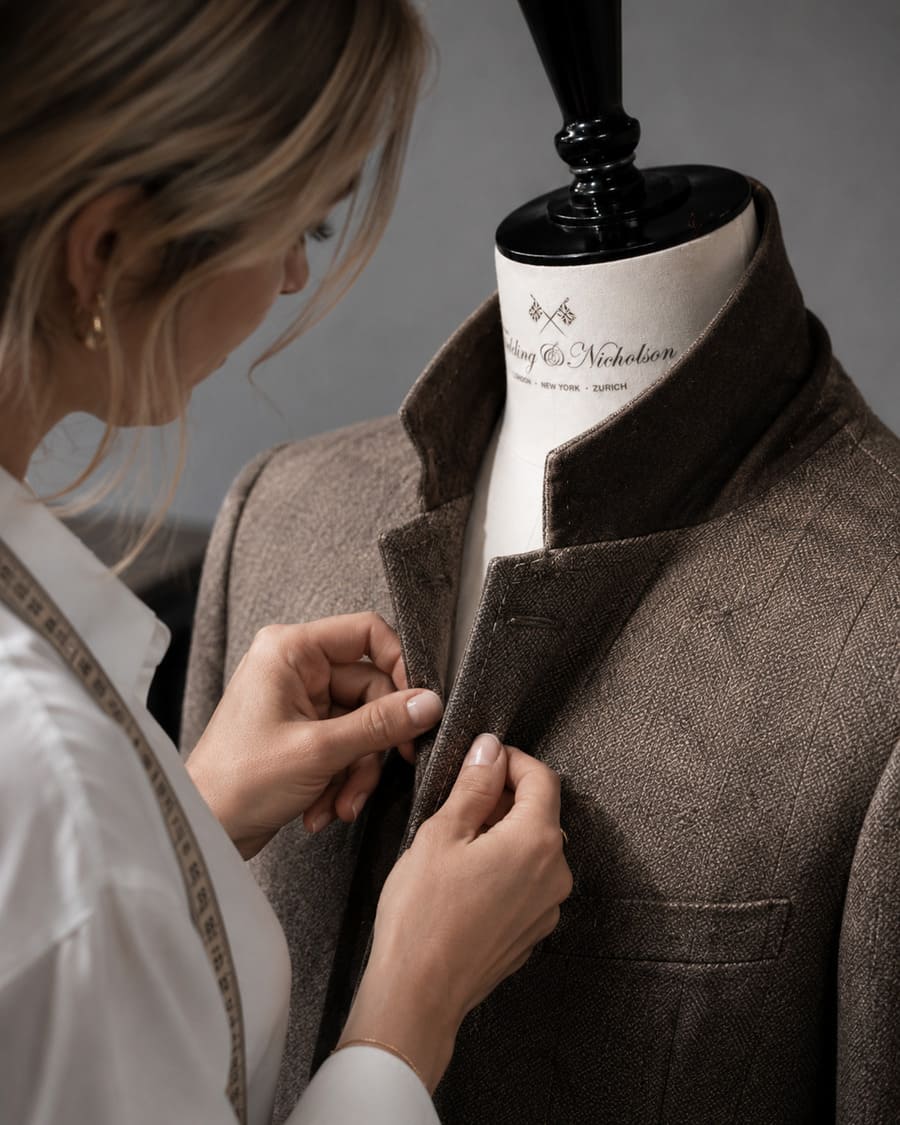
What Is In This Article
Bespoke Versus Made-to-Measure
Bespoke and made-to-measure can both be personal, but the experience feels different because the garment is developed in a different way. Bespoke gives more time to pattern, fitting and refinement, which matters when you want the finished piece to feel natural in movement.
| Bespoke | Made-to-measure |
|---|---|
| A pattern is developed for you, with fittings used to refine balance and comfort. | An existing pattern is adjusted to suit your size and selected preferences. |
| The process gives more room for posture, body shape, movement and personal use. | The process works best when the starting shape already suits you well. |
| Fittings allow the garment to change before it is finished. | Adjustments are usually more limited once the main choices are set. |
Savile Row gives useful context here. The Savile Row Bespoke Association requires full members to make Savile Row bespoke garments from an individually cut paper pattern made by a Master Cutter, meaning a senior cutter trained to create the garment’s pattern. The same association says a two-piece suit made by its full members typically involves at least 50 hours of hand work.
For you, the point is practical. Bespoke involves more conversation and more fitting work because the garment is being shaped around a real person, not a neat set of numbers on a form.
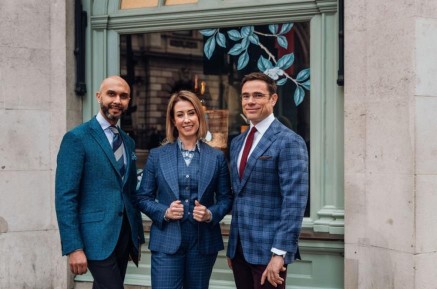
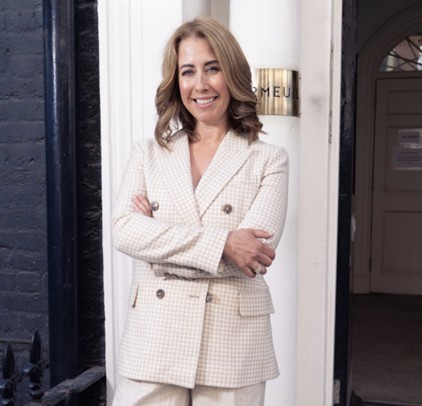
A big welcome from the tailors at Fielding and Nicholson
The First Appointment
Some clients arrive with a picture in their head. Others arrive with a sentence such as, “I want to look sharp, but I still want to feel like myself.” Both are useful, because the first appointment is a conversation before it is anything else.
In a Fielding & Nicholson Tailoring consultation, we start with your requirements, the occasion, your style preferences and the practical things the garment needs to do. That might mean a suit for work, a jacket for travel, ceremonial clothing, womenswear, an outfit for a major event, or a piece that needs to take account of comfort, mobility or body confidence.
A first bespoke suit appointment works best when you talk plainly. Tell us what you wear often, what you avoid, what has never fitted well and what you want this garment to solve. If a shoulder always feels tight, if trousers never sit comfortably, or if formal clothing usually makes you feel unlike yourself, those details help us.
Clothing for the appointment does not need to be special. Wear something that shows how you normally like clothes to sit on your body, or bring a garment you like if it explains your preference better than words. Specialist knowledge can stay at the door; honest preferences are much more useful.
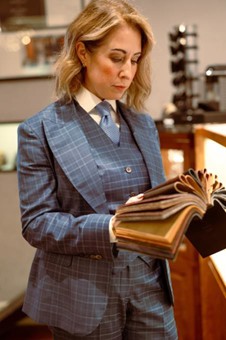
A photo of tailor Nathalie May looking through a fabric catalogue.
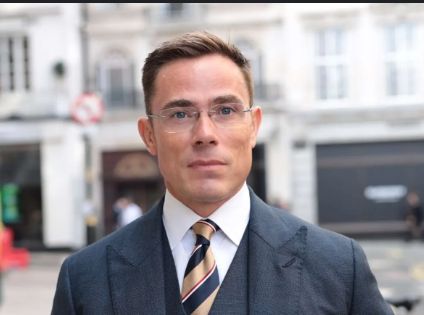
Pro Tip: Bring a garment you already wear well to the first appointment, because it gives a clearer read on fit, balance and comfort than description alone.
Cloth And Style Choices
Cloth books can look overwhelming at first, then the process starts to make sense once we connect the fabric to your use. The right question is not how many options exist, but which few options suit the way you will wear the garment.
Texture, weight and drape all change how a piece feels. Drape simply means how the cloth hangs on the body. Wool gives a broad range of smart and versatile options, linen brings a lighter feel for warm weather, cotton can feel clean and relaxed, and cashmere or silk blends can add softness or depth when the garment calls for it.
The same logic applies to styling details. We narrow the choices by asking what they do for you.
- Cloth direction. A work suit, an occasion jacket and a relaxed weekend piece ask different things from the fabric.
- Lapels change the character of the front of a jacket. A notch lapel reads quieter, and a peak lapel gives a stronger line.
- Pockets and cuffs. These details affect how formal or relaxed the garment feels, and they can be kept clean or given more personality.
- Trouser details such as pleats, side adjusters, belt loops and turn-ups influence comfort as well as appearance.
Personal style does not need to shout. Sometimes the best choice is the cloth that makes you stand differently because it feels right in your hand and sensible for your life. The strongest decisions come from use.

A selection of clothes to choose from for your desired outfit.
Measurements And Fittings
A tape measure starts the fit work. It does not finish it. Bespoke tailoring measurements matter because they give us a map, but fittings show how the garment behaves on your actual body.
What Measurements Capture
Through the Fielding & Nicholson Tailoring process, we record over 30 measurements and consider posture, movement and body nuances. Those details matter because two people can share similar measurements and still need different garments.
Shoulder balance, waist position and the way you stand all affect how cloth sits. A jacket that looks fine when you stand still can pull when you reach forward. Trousers can appear neat in a mirror and still feel wrong when you sit. Measurements give us the starting point; your movement gives us the truth.
Why Baste Fittings Matter
A baste fitting is an early fitting where the suit is loosely stitched together before the garment is completed. It is not meant to look finished. Its value lies in what it reveals.
At this stage, we can assess the broad shape, the balance of the jacket and the way the trousers relate to your body. Because the garment is still open to change, small refinements can be made before the final work goes too far. For many first-time clients, this is the moment when bespoke stops feeling abstract.
How Refinement Changes Fit
Refinement is where the garment becomes easier to wear. We look at details such as jacket drape and trouser taper because they change how the finished piece feels when you stand, sit and walk.
A sleeve can be adjusted so it falls more cleanly. The waist can be shaped without making the garment feel restrictive. A trouser line can be sharpened while still giving you comfort through the seat. These changes are modest in isolation, but together they decide whether the garment belongs in real life.
The fitting room is where a garment learns how you move.
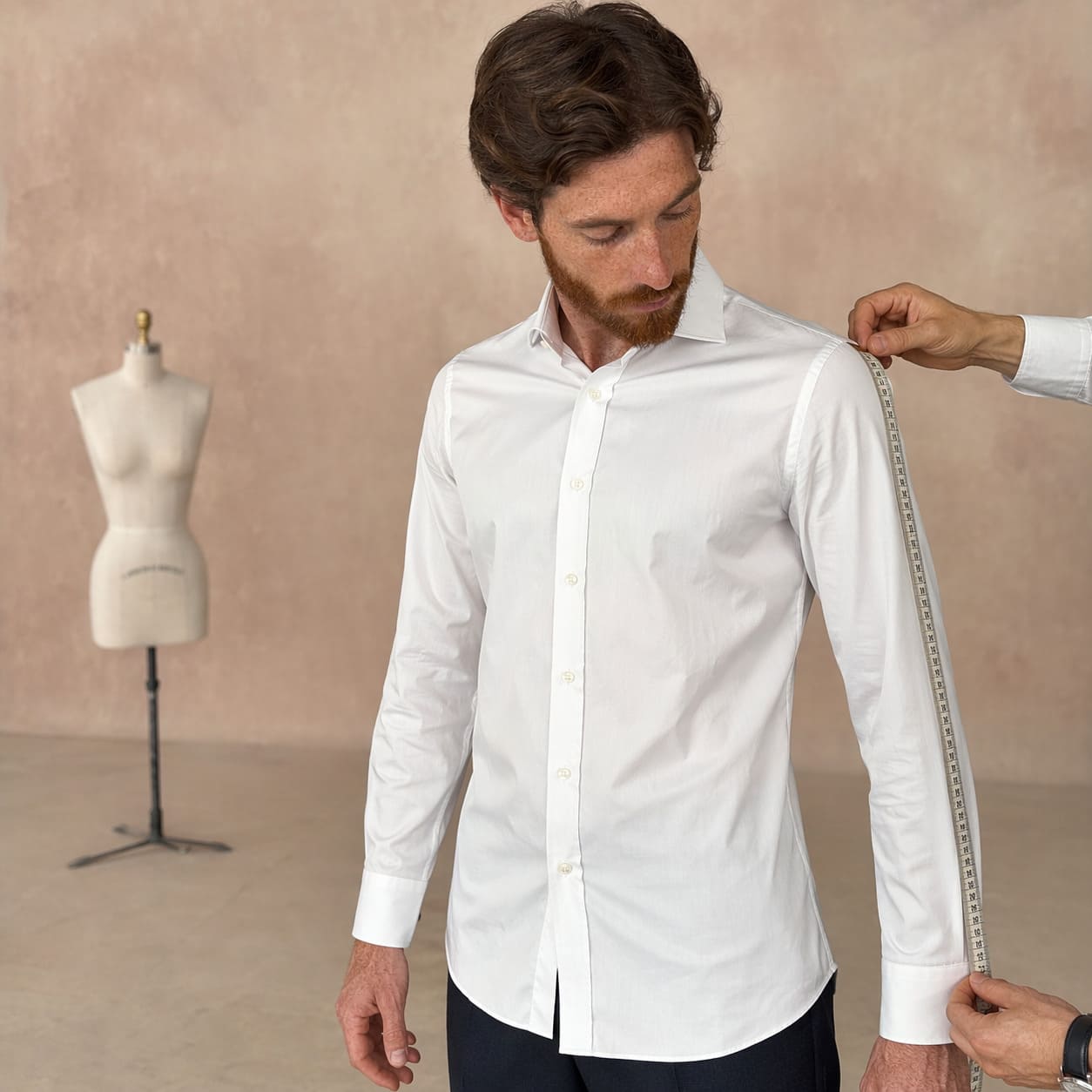
Men's Shirts – White button-up shirt with tailoring measurement detail - Sample Image
Pro Tip: Treat the baste fitting as a working stage, since the most useful changes often come from seeing how the garment moves when you sit, walk and reach.
Collection And Belonging
Collection day is quieter than people expect. The finished garment goes on, and the first test is simple: does it feel like you can live in it?
The final fitting is still a working stage. We check seams, buttons and lining, make any necessary adjustments, and press the garment before it joins your wardrobe. That practical care matters because the final impression comes from the whole piece, not from one dramatic detail.
A good bespoke garment often feels familiar before it feels impressive. The shoulders sit properly, the cloth makes sense, and the details no longer feel like choices from an appointment. They feel as if they were always meant to be there.
The real question was whether you would feel understood, guided and able to recognise yourself in the finished garment. When bespoke is handled well, the answer is there every time you put it on: the garment asks less of you because more thought has already gone into it.
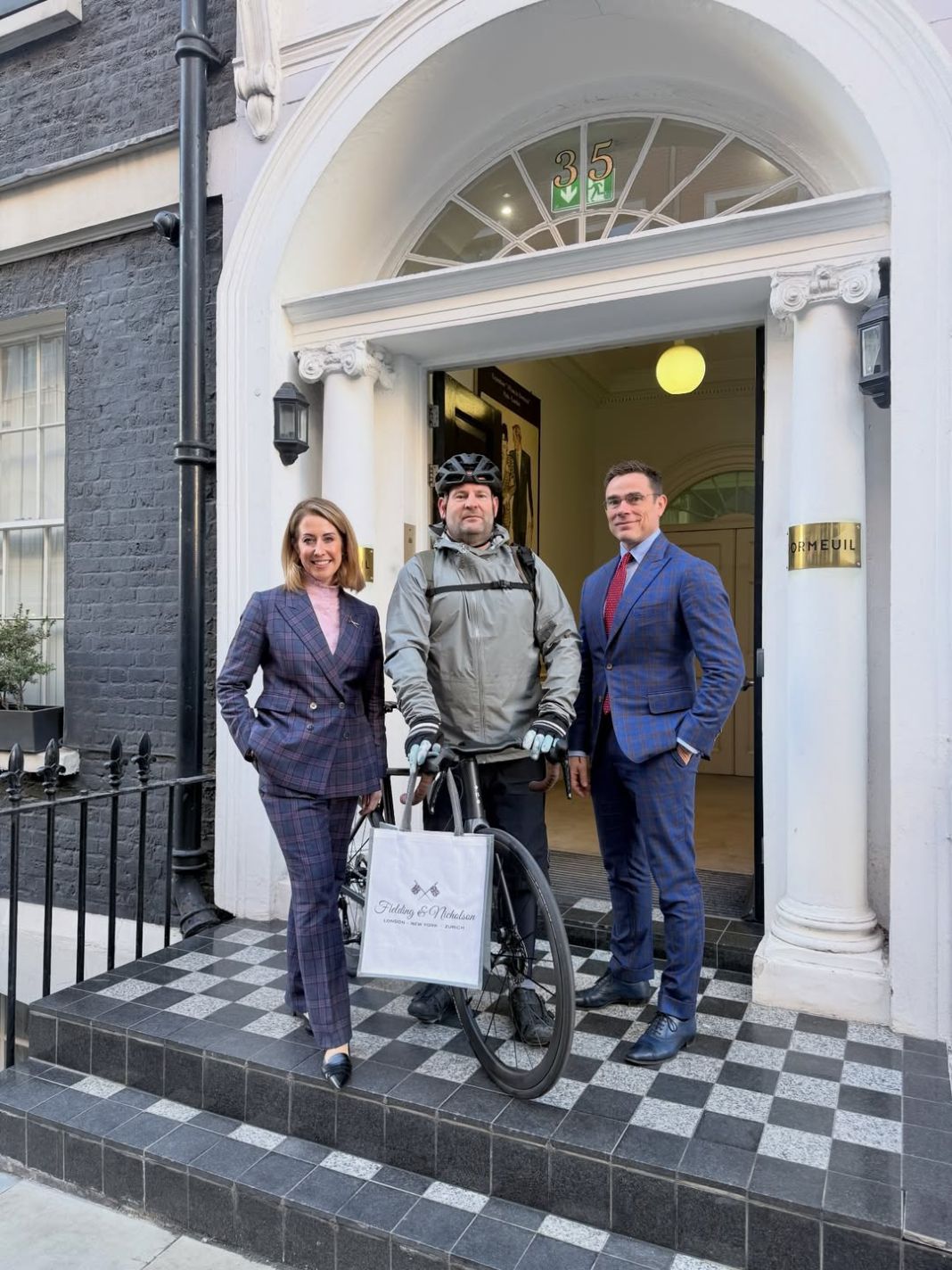
A happy customer collecting their clothing from Fielding & Nicholson Tailoring
Questions we get asked about the bespoke process
Do I need to know tailoring terms before my first appointment?
You do not need to know tailoring terms before a bespoke appointment. Plain descriptions of what you like, dislike and need from the garment give us enough to begin guiding the choices.
Can bespoke tailoring work for womenswear, non-binary clients or comfort needs?
Bespoke tailoring can be shaped around different bodies, identities and comfort requirements. The process works best when you speak openly about how you want the garment to feel and where standard clothing has fallen short.
Is bespoke only for suits?
Bespoke can cover suits, jackets, trousers, shirts, outerwear and occasion garments. The same process of conversation, cloth selection, fitting and refinement can apply to many pieces in a long-term wardrobe.
Will I have to make every style decision on my own?
You will not be left alone with a wall of options. We edit cloths, shapes and details around your use, taste and comfort, so the choices become easier as the garment takes shape.
Why does bespoke feel worth the time?
Bespoke feels worth the time when the finished garment fits your body, your movement and your sense of self. The fittings and refinements are there so the garment feels natural when you wear it, not simply smart on a hanger.
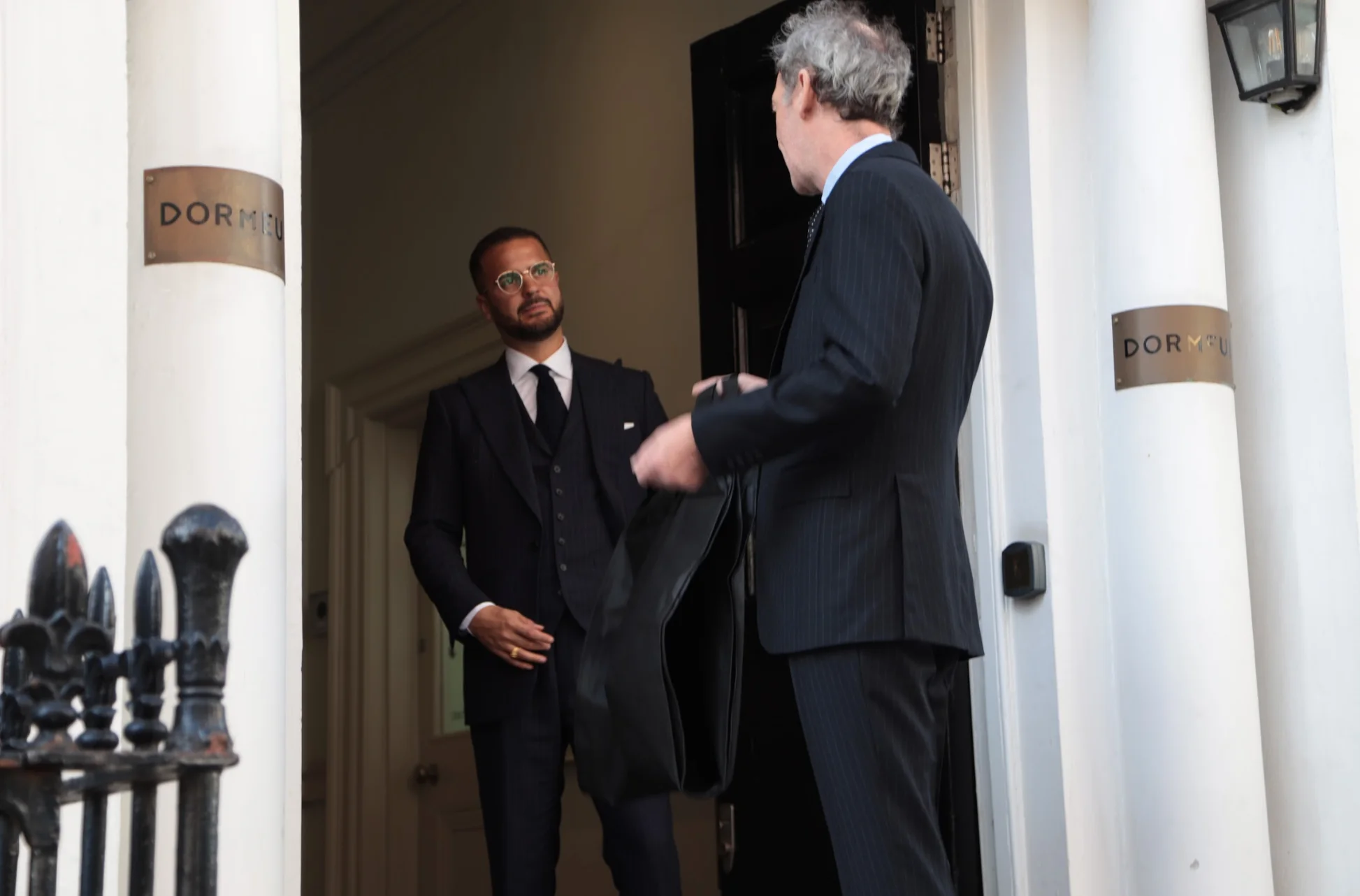
A happy customer collecting their clothing from Fielding & Nicholson Tailoring