
How much notice does a bespoke tailor need?
Most bespoke pieces need a planning window of about 6 to 8 weeks, although shirts can be faster and coats or wedding suits need more room. The real limit is rarely sewing time alone, because cloth choice, fittings, diary space and final refinement all affect the finish.
Use these planning ranges
A bespoke tailoring timeline works best when you treat it as a planning window, not a race to a collection date. We are building the garment around you, using measurements, posture, cloth choice and fittings to refine how it sits on your body.
For most bespoke suits and similar pieces, 6 to 8 weeks is a sensible benchmark. Two to three fittings are normal for many bespoke pieces, which gives time to adjust the balance, comfort and line before the final fitting. A made-to-measure garment often follows a different route because it starts from an existing block or base pattern. Off-the-peg is faster again, but it starts with a finished garment and then asks whether alteration can get it close enough.
Bespoke gives you a different answer. We start with you, then shape the garment to the purpose, whether that is a wedding suit, an overcoat, an evening shirt or a business wardrobe piece.
Ask early if your deadline is close
A close deadline does not always mean you have missed your chance. It does mean the conversation has to be honest from the start, because the available cloth, the garment type and your fitting availability will decide what is realistic.
Bring the date you need the garment and the reason for it. A dinner suit for a fixed event, a coat for a coming season and a shirt to sit under an existing jacket each create different pressures. The sooner we know the deadline, the better we can advise what can still be done well.
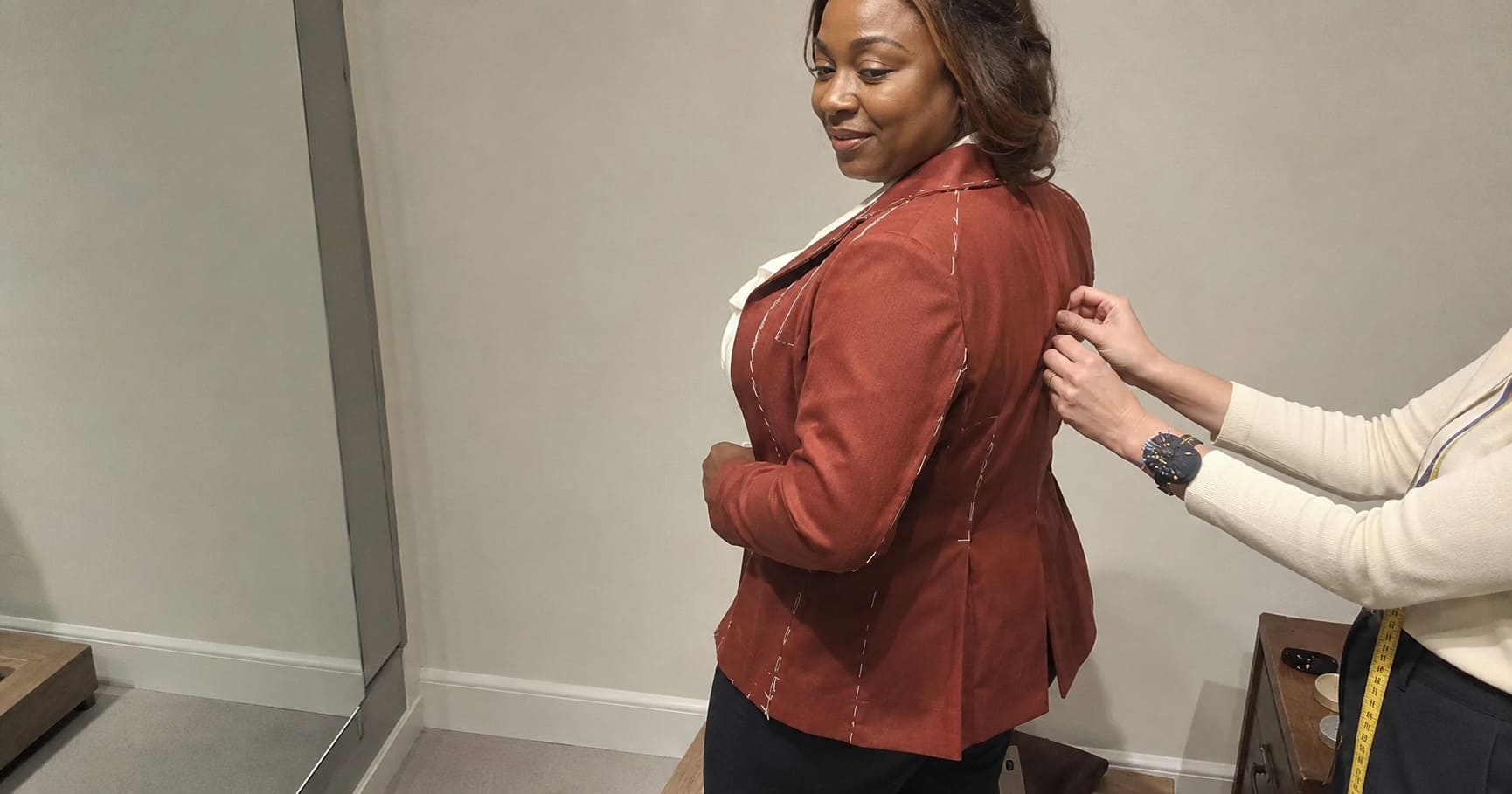
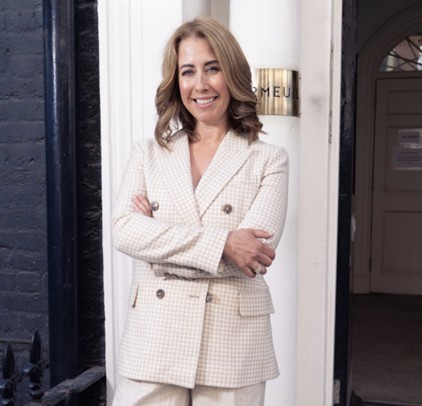
Woman wearing rust tailoring smiles during a bespoke jacket fitting with cropped tailor behind.
What Is In This Article
Suits, coats and shirts need separate planning
Imagine you are working back from three fixed dates: a wedding, a cold-weather trip and a black tie dinner. A suit, coat and shirt may all be bespoke, but each one asks a different question of the body and the outfit.
| Garment | Usual planning emphasis | What can slow it down |
|---|---|---|
| Suit | Jacket balance, trouser line, shoulder shape, posture and overall silhouette. | Cloth choice, fitting diary space, style changes and final alterations. |
| Coat | Layering, shoulder room, arm movement, coat length and how it works over real clothing. | Waiting too close to the season, fitting over the wrong under-layers or changing the intended use. |
| Shirt | Collar sit, cuff show, sleeve length, tie space and how it sits under a jacket. | Treating it as a late add-on, changing dress code details or leaving formal styling too late. |
At Fielding & Nicholson, we look at the garment in relation to the occasion and the rest of your wardrobe. A wedding shirt has to work with the jacket collar and cuffs. A coat has to move over the clothes you will actually wear underneath it. A suit needs enough time for the jacket and trousers to settle into one clean line.
That is why one universal answer to how long bespoke tailoring takes is too blunt. The better question is what the garment has to do and how much refinement it needs before the date you have in mind.
Wedding suits need a wider margin
Fixed events need more margin because the garment has to be ready for one date, with no useful room after it. Wedding tailoring also brings styling decisions into the timeline, including shirt choice, shoes, accessories and the look of the wedding party.
For a bespoke wedding suit, our guidance is to begin 9 to 12 months before the wedding where possible. That gives you the widest choice of cloth and the most relaxed fitting schedule. If the date is closer, at least three months is recommended, provided the tailor confirms the timeline and the decisions are kept clear.
Possible and ideal are not the same thing. Three months can work in closer circumstances, but a longer lead gives you more space to settle the cloth, refine the fit and make sure the final styling check feels composed. For grooms, groomsmen and wedding parties, diary pressure can matter as much as garment making, especially when people travel or need coordinated looks.
Work backwards from the wedding date, then allow time before that date for final adjustments and collection.
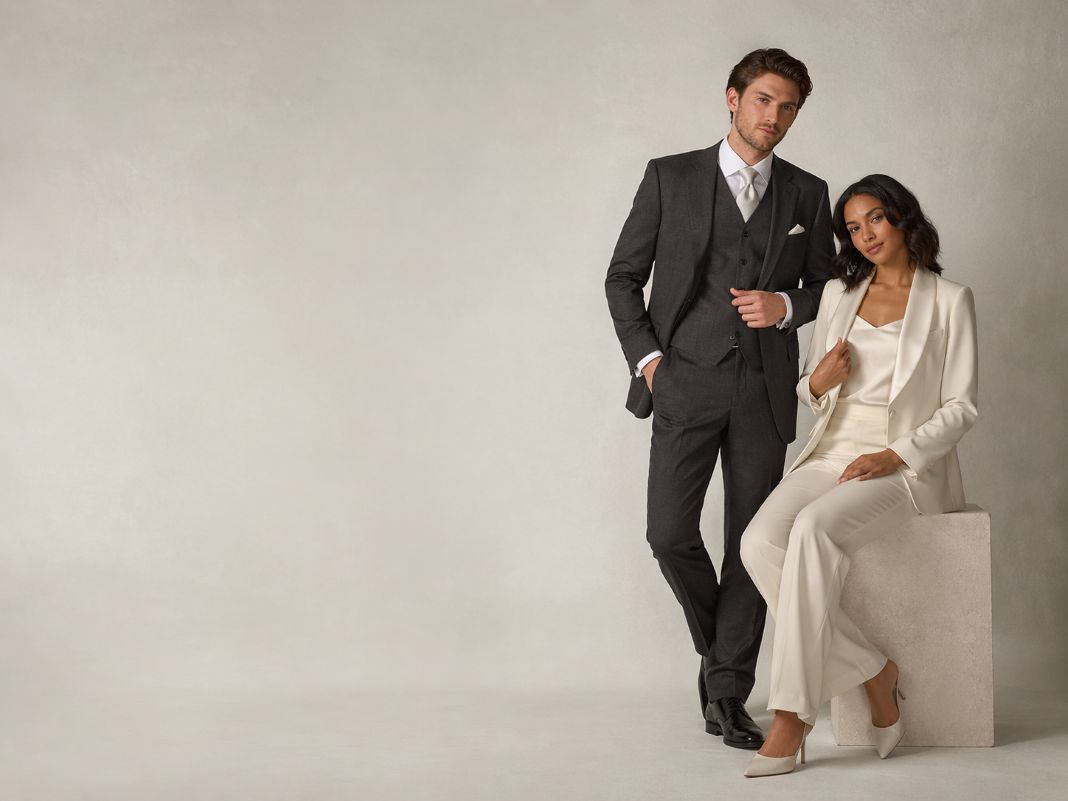
Men and Women's Wedding Suits - Sample Image
Coat timing deserves its own answer
A winter overcoat fitted over a thin shirt will not tell the tailor enough. A coat is worn over other clothing, so the fitting has to account for the layers, the season and the way you move through the day.
For women’s coats and outerwear, we suggest booking at least 10 weeks before the coat is needed. The same practical principle applies across menswear, womenswear and inclusive fittings: the coat has to be tested over the kind of outfit you plan to wear beneath it.
An overcoat, topcoat or trench coat is a longer jacket. Shoulder room matters because you will move, sit, reach and carry yourself differently in outerwear. Sleeve length has to make sense with gloves, knitwear or suiting beneath. The coat also needs enough ease without becoming bulky, which is why the under-layer you bring to the fitting is so useful.
A good coat has to fit the weather and the wardrobe, not the hanger.
Pro Tip: Bring the shoes, shirt or coat layers you expect to wear with the garment. That detail gives the tailor a truer picture of length, balance and how the finished piece will sit.
Shirts shape the finished outfit
Look at a finished suit and your eye often goes to the jacket first, but the shirt quietly controls several visible details. The collar frames the face and tie. The cuff decides what shows beneath the sleeve. The fabric affects comfort under the jacket.
Shirts are faster than most larger bespoke pieces, but they still deserve proper notice. Business, casual and evening shirts can involve over 9 hours of handwork, so a bespoke shirt is not a disposable last-minute fix. For black tie, a wedding shirt or a formal business look, the shirt can set the whole tone of the outfit.
Timing the shirt with the suit or dinner jacket avoids late compromises. If your jacket sleeve is being refined, the cuff show has to be judged with the right shirt. If your collar is high, low, soft or formal, it changes how the jacket and tie sit. A shirt left until the end can force decisions that would have been simpler earlier.
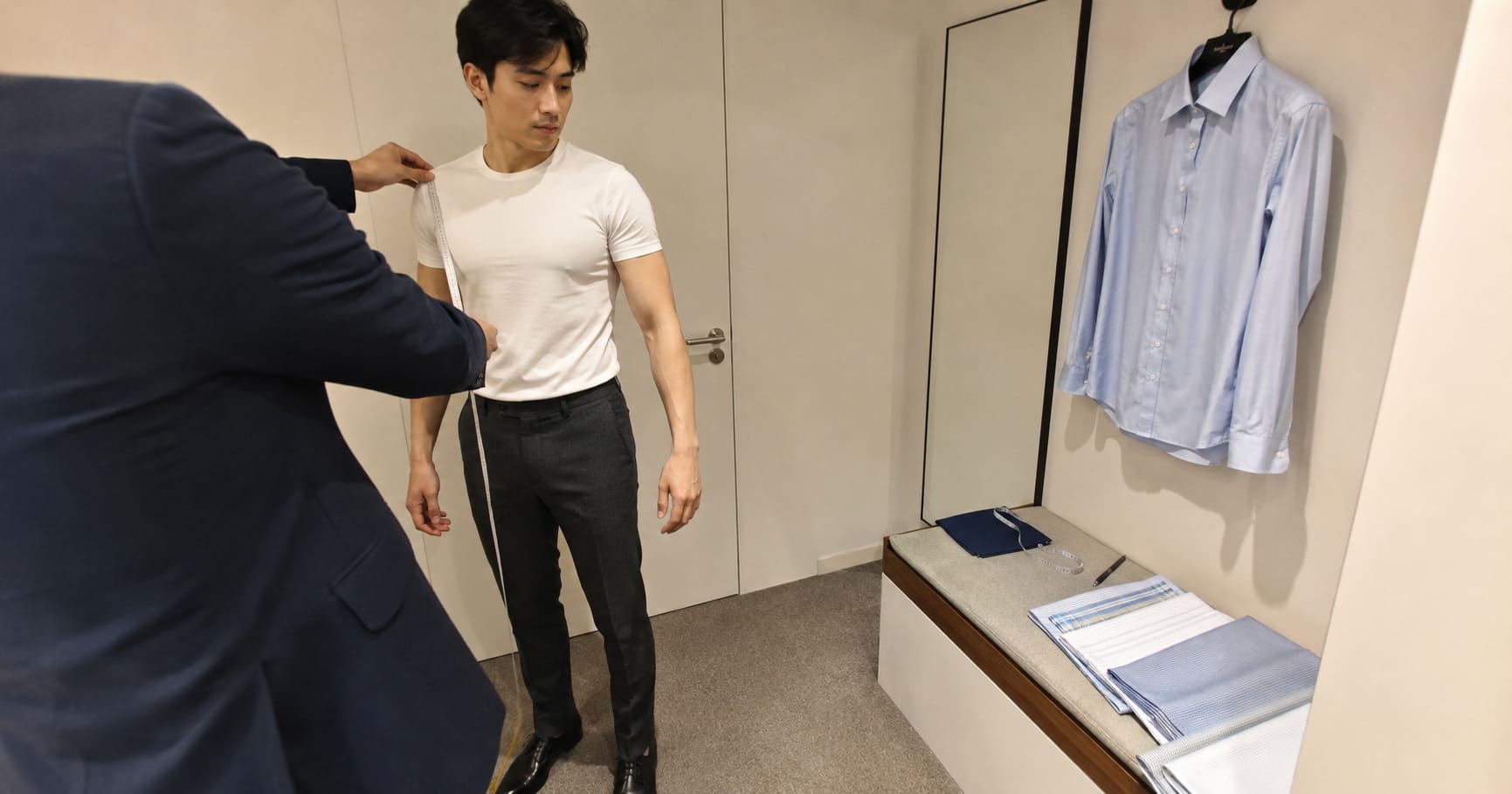
Man wearing white undershirt receives sleeve measurements beside blue shirt in minimalist tailoring studio.
Pro Tip: If you have a fixed event, share the date and the reason for it at the first appointment. A wedding, black tie dinner or seasonal trip changes how much margin the fitting plan needs.
Good preparation protects the timeline
The first consultation does more than gather measurements. We use that appointment to talk through purpose, cloth, style, fit preference and timing, and a first visit for men’s bespoke tailoring is usually about an hour.
Arriving with the right items helps the appointment move with purpose, even if you have not made every decision yet.
- Bring the shoes you plan to wear if the trouser length or formal outfit depends on them.
- Wear or bring the intended shirt when jacket collar, sleeve length or cuff show matters.
- Take the coat layers with you if you are commissioning outerwear, because a coat fitted over the wrong clothing gives poor information.
- Share the dress code and fixed dates. A wedding, black tie dinner or professional event gives the tailor a clear working point.
- Mention comfort, movement or access needs early. We would rather build those into the fitting plan from the beginning than treat them as an afterthought.
Fitting availability matters because bespoke is refined over appointments. If you travel often or your diary is tight, say so at the start. The garment still leads the schedule, but your availability can either keep the process smooth or reduce the time left for final refinement.
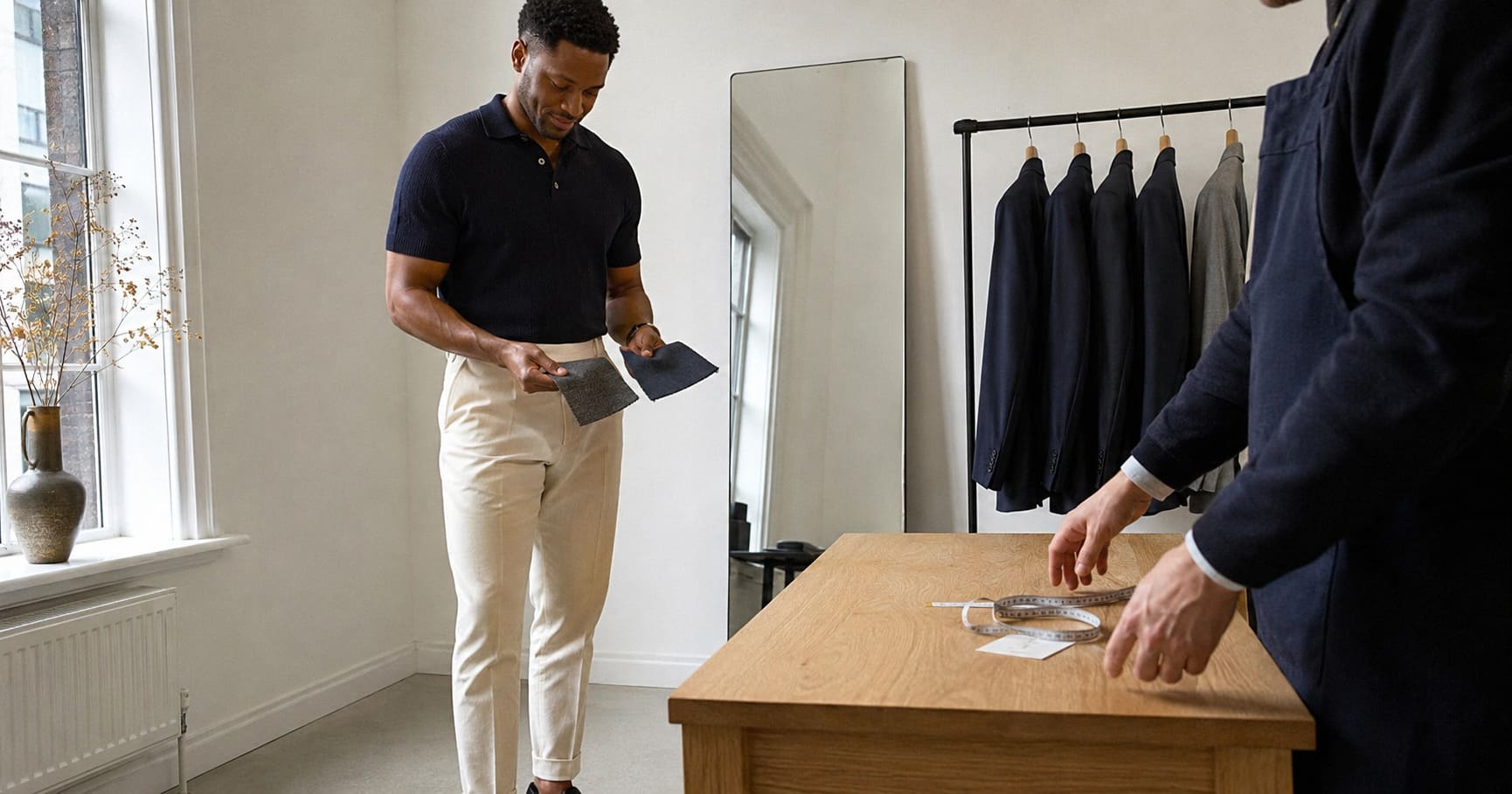
Man wearing dark knitwear examines autumn suiting fabrics during a bespoke tailoring studio consultation.
Bespoke planning is becoming part of wardrobe planning
Over the next 12 to 24 months, better-planned bespoke tailoring will matter more because clients are asking more from fewer garments. A suit may need to work for a ceremony and then professional wear. A coat may need to sit over tailoring and casual clothing. A shirt may have to serve business, travel and formal dressing.
That changes the role of the bespoke tailor. Good timing is now part of deciding how a garment will earn its place in your wardrobe. Fielding & Nicholson treats timing, fit and wardrobe planning as connected decisions, which is especially useful when you are commissioning across suits, coats and shirts rather than buying one isolated piece.
The sharpest plan is to start from use: the date, the season, the outfit and the life the garment has after that first wearing. Over the next couple of years, that kind of planning will separate garments that are merely ready from garments that are ready to be worn often and well.
Questions we get asked about bespoke tailoring timelines
How many fittings will I need for a bespoke suit?
Two to three fittings are normal for many bespoke suits, depending on the garment and how much refinement it needs. The fitting process lets us adjust balance, comfort and line before the final finish.
Is made-to-measure quicker than bespoke?
Made-to-measure can follow a shorter route because it adapts an existing base pattern. Bespoke takes longer because the garment is cut and refined around you from the start.
Do groomsmen need to be measured at the same time as the groom?
Groomsmen do not always need to attend at exactly the same time, but the wedding party needs enough shared planning time for cloth, styling and fittings. Coordinated outfits become harder to manage if people leave measurements until late.
Can I bring an existing jacket or shirt to show the fit I like?
Yes, an existing garment can be useful if it shows a collar shape, sleeve length or fit preference you like. We still take fresh measurements and assess how the new garment needs to work for its own purpose.
Should I choose the cloth before the first appointment?
You do not need to choose the cloth before the first appointment. It helps to think about season, occasion and how formal you want the garment to feel, then we can guide the cloth selection from there.