Bespoke shirts for men
Business shirts, casual shirts and evening shirts, each one cut to your measurements and made by hand.
Rated 5 stars on Google from over 150 reviews
Tell us what you're looking for
Replies within a couple of working hours. Prefer to talk? Call 020 7167 3490 or choose one of our five showrooms.
Business shirts
The shirts you wear to work five days a week. Built to look sharp and last longer than anything off a rail.
What makes a good business shirt
A business shirt needs to do three things. It needs to fit well under a jacket. It needs to look clean all day. And it needs to hold up to regular washing without losing its shape. Most off-the-peg shirts fail on at least one of these.
We make business shirts in poplin, twill, herringbone, and end-on-end weaves. White and pale blue are the starting point for most clients, but we carry a full range of colours, stripes, and checks. You choose the cloth, and we cut the shirt to your body. See our business attire page for guidance on what works in your office.
Collar and cuff
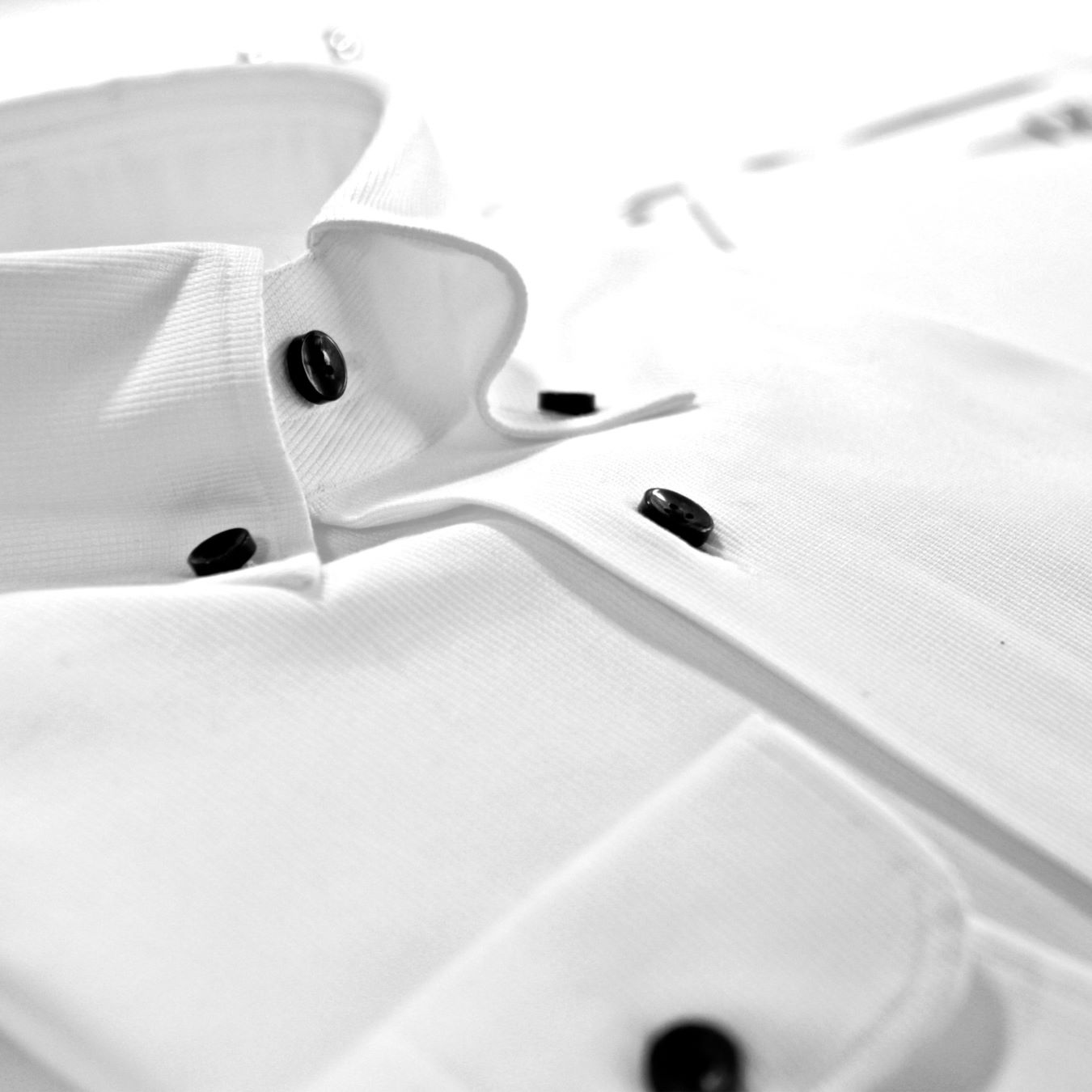
The collar is the part of the shirt that shows most. We offer a wide range of styles: spread, cutaway, button-down, tab, and more. Your tailor will help you pick based on your face shape, tie width, and what feels right for your workplace.
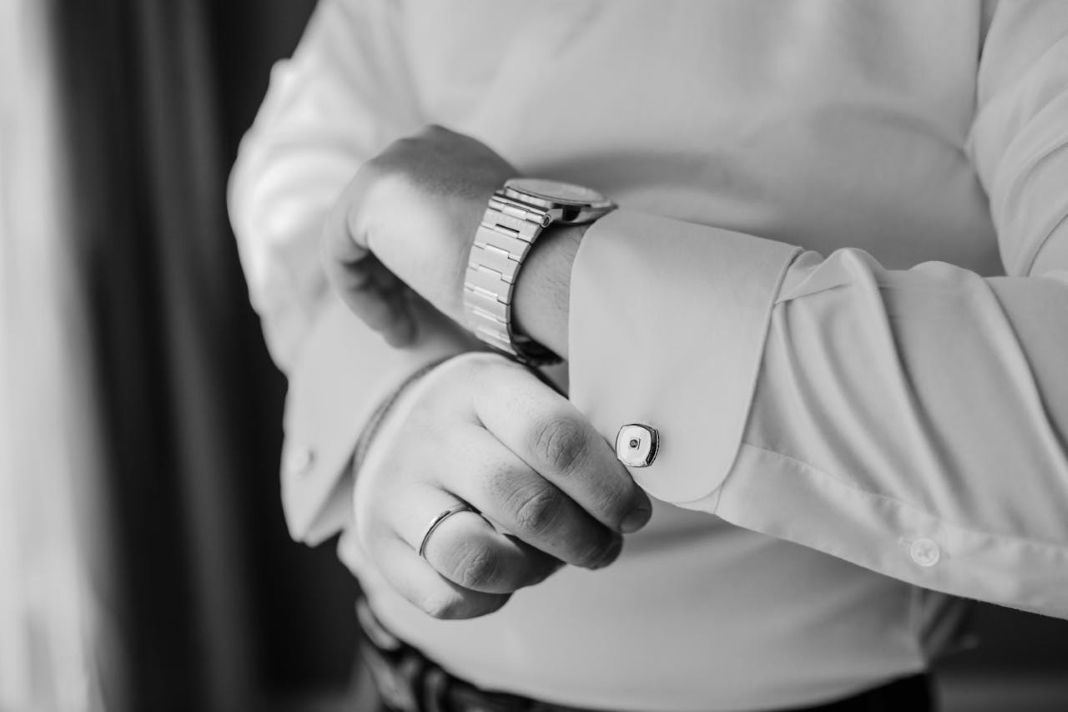
For cuffs, you choose between single (button) and double (French). Double cuffs are more formal and work well with cufflinks. Single cuffs are easier and suit most office settings. We can also adjust the cuff width so it sits clean at the wrist without being too tight or too loose.
Fit
We measure your neck, shoulders, chest, waist, hips, arm length, and back length. We also check your posture and how you carry your shoulders. From there, we build a pattern that fits your body, not a size chart. Want it slim through the waist? Roomier in the chest? Shorter in the body so it stays tucked? It is all set to you.
Send us a photo, get a price
Send a picture of any garment and a tailor replies with a price to create it for you.
Or call 020 7167 3490
Casual shirts
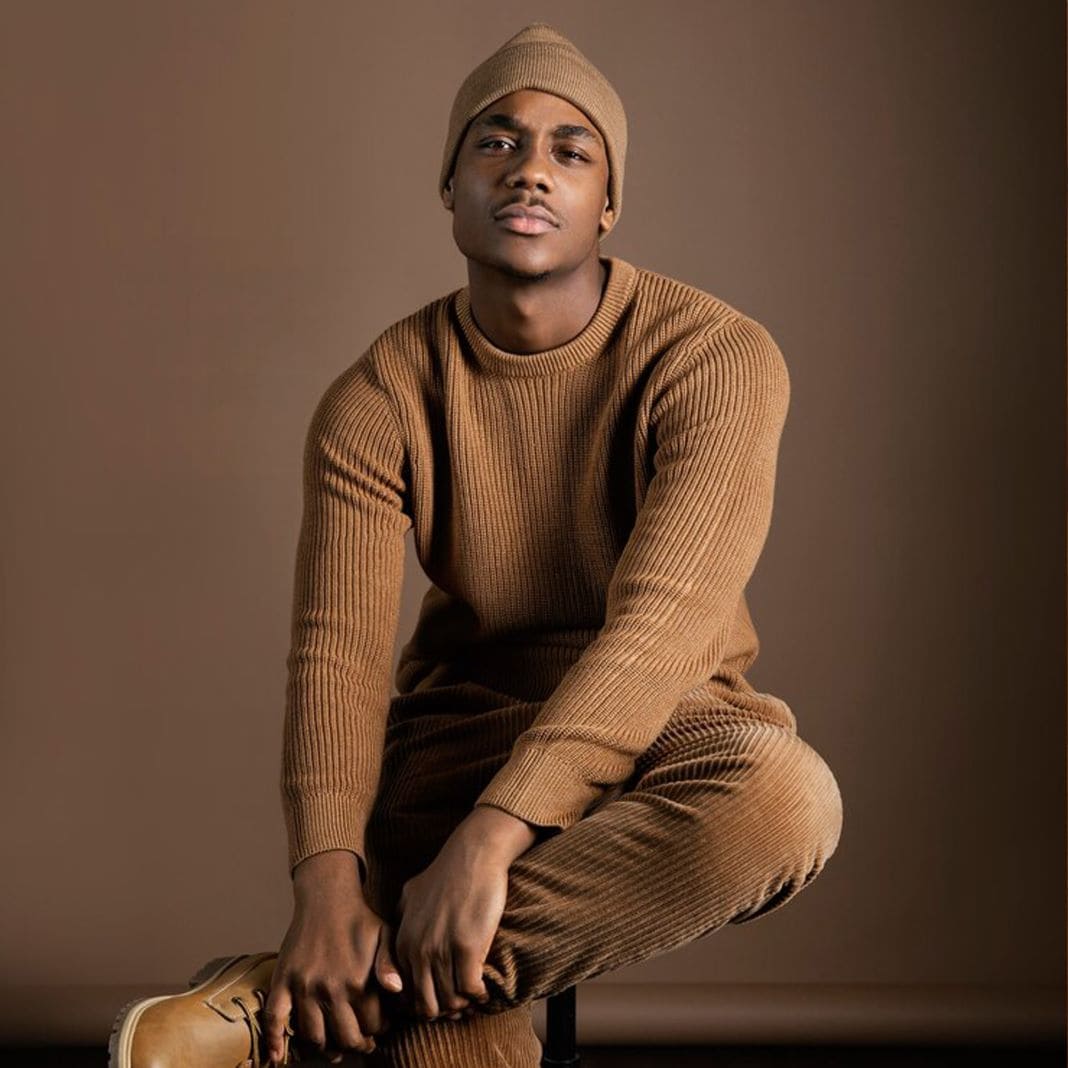
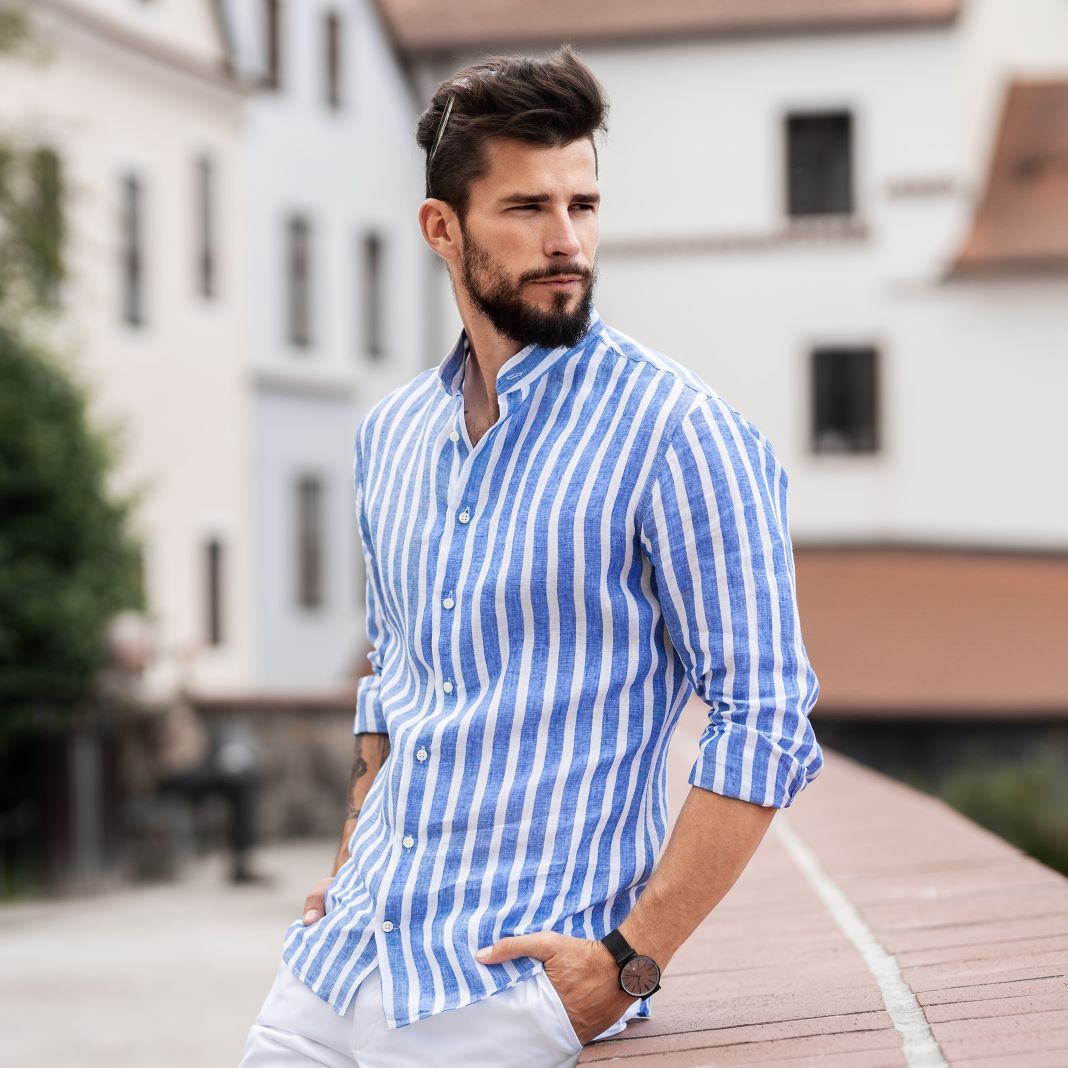
Oxford cloth, chambray, linen, brushed cotton and flannel. Made to fit the same way as your business shirts, just in cloths that work off-duty.
Why bespoke casual shirts
A casual shirt without a jacket over it has nowhere to hide. If the shoulders are too wide, the chest too full, or the body too long, it shows. A made-to-measure casual shirt is cut to your frame, so it looks clean whether you tuck it in or wear it out.
Cloths
We make casual shirts in Oxford cloth, chambray, linen, brushed cotton, lightweight flannel, and denim-weight cottons. These are softer, more textured cloths than you would use for business, and they tend to look better with age. Your tailor will help you pick a weight and weave that suits how you plan to wear it.
Details
Casual shirts come with more room to play with details. A button-down collar. A chest pocket. Contrast stitching. A slightly shorter body for wearing untucked. A softer, unfused collar that rolls rather than standing stiff. These small choices make the shirt feel like yours. See our casual wear page for the jackets and knitwear that go with them.
Evening and wedding shirts
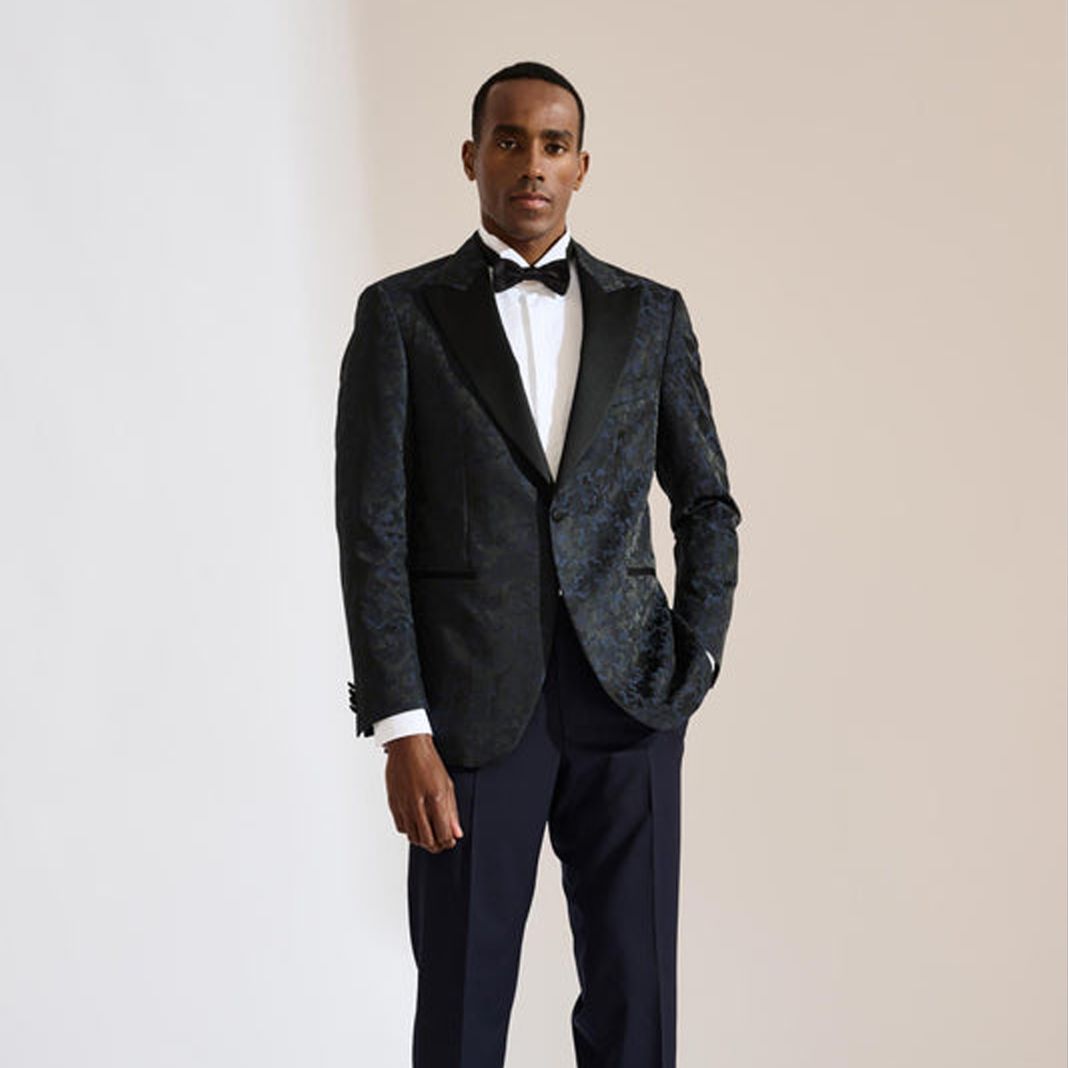
Marcella fronts, wing collars, and French cuffs. The shirt that completes a dinner suit or a morning coat.
Evening shirts
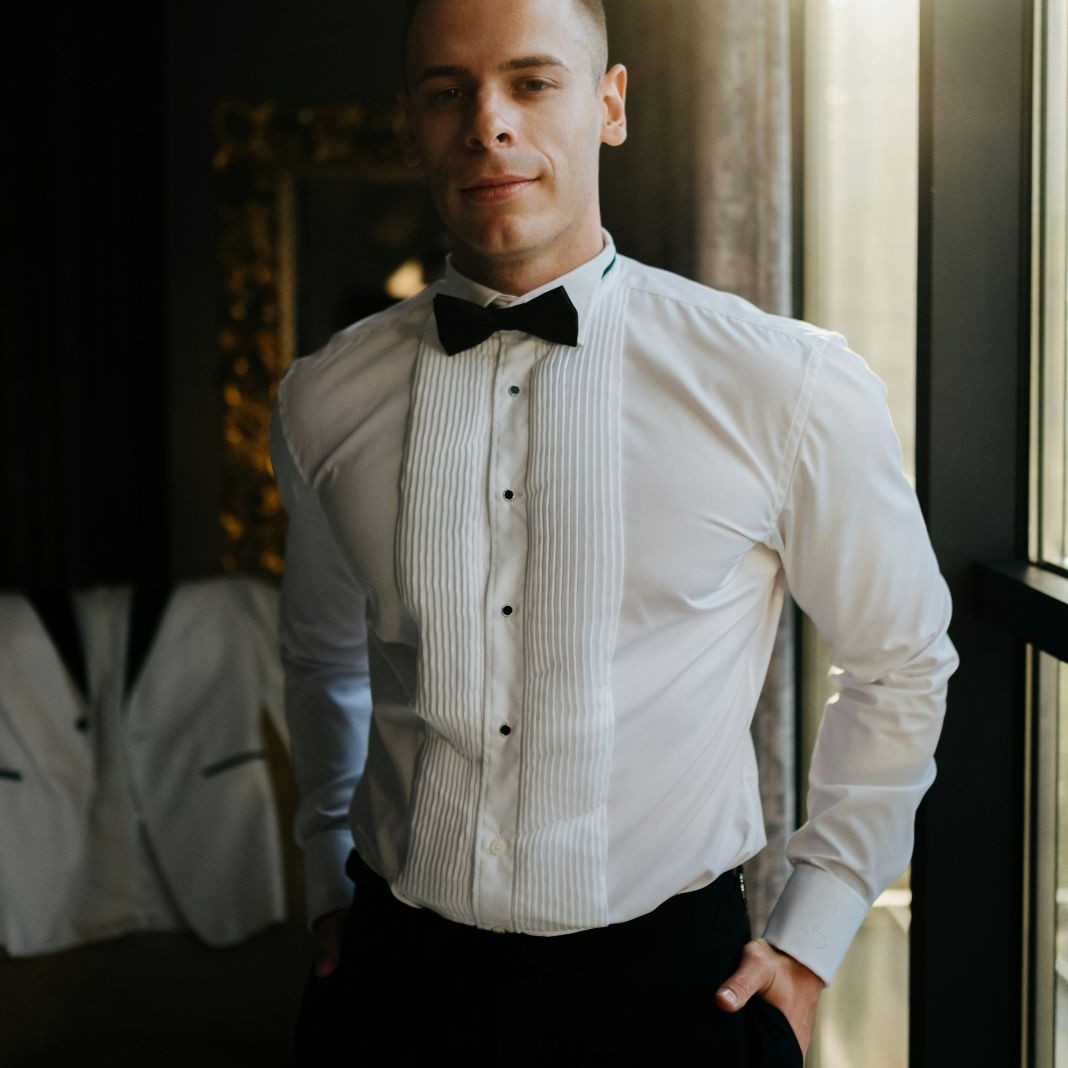
An evening shirt is not a white business shirt with a bow tie. It has its own rules. The front is either marcella (a textured cotton weave) or pleated. The collar is a wing or a wide spread. The cuffs are double, worn with studs or cufflinks. The placket is often a fly front, hiding the buttons for a cleaner line.
We build evening shirts to the same measurements as your other shirts, so the fit is consistent. If you are having a dinner suit made with us, we will make sure the shirt works with the collar and lapel of the jacket. See our evening wear page for the suit itself.
Wedding shirts
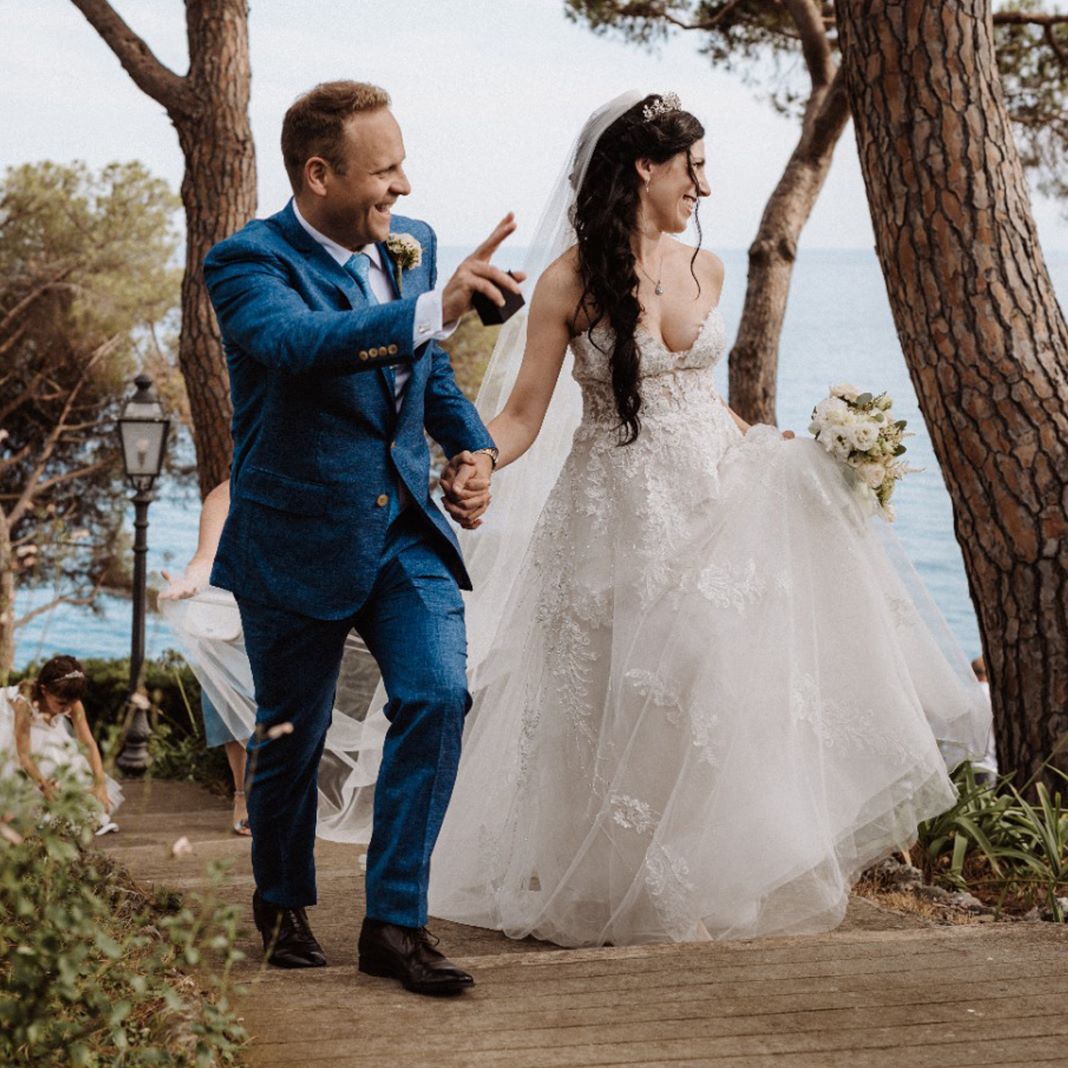
Your wedding shirt needs to work with whatever suit style you have chosen. For morning dress, a spread or cutaway collar with double cuffs is the classic choice. For a lounge suit, you have more room to choose. For a dinner suit, the rules above apply. See our wedding suits page if the suit is still to be decided.
We can also add personal details: a monogram, contrast thread, or a specific collar shape. Some grooms have a separate shirt made for the evening if they are changing into a dinner suit for the reception.
Cloth and construction
Where the fabric comes from, how the shirt is built, and why the details matter.
Where we source
We work with cloth merchants including DJ Anderson, Thomas Mason, Alumo, and Canclini. These mills produce some of the best shirting cotton in the world, from lightweight voiles to heavy Oxford weaves. Your tailor will bring samples so you can see and feel the range before choosing.
How our shirts are made
Each shirt takes over 9 hours to complete. It is cut and stitched by hand, with 23 to 24 stitches per inch. The buttons are 3.5mm Australian mother-of-pearl, cross-stitched to the body and set into buttonholes with 120 stitches per inch. The seams are felled and the collar and cuffs are fused or unfused depending on your preference.
The 5-year guarantee
Every shirt comes with our 5-year guarantee covering general wear and tear. That is not common in the industry. We stand behind the quality of what we make, and if something goes wrong, we will put it right. Washing and pressing advice is in our garment care guide.
Questions about shirts?
Fill in the form and we will get back to you. Tell us what your shop bought shirts get wrong, whether that is the collar, the sleeve length or the fit through the body.
Ask about collar and cuff styles, which cottons to choose, how many to start with or what they cost. If it is easier to talk, leave your number and we will call.
We are in London (Mayfair), Manchester, Zurich and New York. We can also come to you, or start with a video call.
Ordering your first shirt
The questions men ask before they commit, answered plainly.
What is the difference between a bespoke shirt and a made-to-measure shirt?
The pattern is the difference. A made-to-measure shirt starts from an existing pattern that is then adjusted to your measurements. A bespoke shirt starts with a pattern drawn for you from nothing, which lets it account for posture and the way you actually carry your shoulders, not just a set of numbers. Both are cut to your body and both use the same cloths, so the decision usually comes down to how far your shape sits from a standard build. Your tailor will talk you through which one is worth it for you.
How should a shirt fit?
A shirt fits when the collar sits flat against your neck with room for two fingers inside it, the shoulder seam ends exactly where your shoulder ends, and the chest stays clean with no pulling across the buttons when you reach forward. Then check the cuff. It should sit at the base of your thumb and stay there when you bend your arm, rather than riding up your forearm. Last, raise both arms above your head. If the shirt pulls out of your waistband, the body is too short.
Will a bespoke shirt shrink when I wash it?
Woven cotton shirting shrinks a little, usually by somewhere between one and three per cent over its life, and most of that happens in the first wash or two. This is normal and expected. It is why shirtmakers leave a shrinkage allowance in the measurements rather than cutting to your exact body figures, and why a new shirt can feel very slightly roomy at the collar and cuff to begin with. Wash a shirt once or twice before you judge the fit, and tell your tailor if anything has moved, so the allowance can be adjusted next time.
Should I choose a fused or an unfused collar?
Choose fused for shirts worn with a tie and unfused for shirts worn open. A fused collar has an interlining bonded to it, so it holds a crisp, flat shape and stands up cleanly under a tie knot. An unfused collar is stitched rather than bonded, so it is softer, rolls rather than standing rigid, and sits better when the top button is undone. Neither is better than the other, and you can choose differently on each shirt you order.
How do I wash and look after them?
Wash cooler and gentler than you think you need to, and keep the shirt out of the tumble dryer. Heat is what damages cotton and what drives most avoidable shrinkage. Hang the shirt while it is still slightly damp so it dries with fewer creases, then press the collar and cuffs last, since they hold heat and take the most wear. Try not to wear the same shirt two days running, because cotton needs time to recover its shape. Our garment care guide goes into more detail.
How many shirts should I have in rotation?
Enough that no shirt is worn twice in a week. If you wear a shirt every working day, five or more means each one is washed less often, rests properly between wears, and lasts noticeably longer. If you are trying the service for the first time, two or three is enough to see how the cloth behaves across a week and after a few washes before you commit to a full rotation. You can add to it whenever you like.
How far ahead should I order for a wedding?
Order the shirt at the same time as the suit, not after it. A shirt has a fitting in the middle of it, and that fitting has to suit your diary as well as ours. Leaving a clear run before the date means any adjustment is a small thing rather than a problem, and ordering both together means the collar can be chosen against the lapel rather than guessed at. Our wedding suit timeline sets out when to start.
Do you make shirts for women?
Yes. The same service runs for women, working from the same cloth range. See our shirts and blouses for women.
How much does a bespoke shirt cost?
It depends on the cloth and how many you order, so there is no single figure. The same shirt in a hard-wearing everyday poplin and in a fine, rarer cloth are two different orders, and the cost per shirt falls once your pattern exists. Your tailor will go through numbers with you at the consultation, before anything is committed to.