How should you wear corduroy this autumn?
Wear corduroy this autumn by choosing the piece first, then controlling the texture, colour and shape. Trousers are the easiest place to start, jackets give the most use, and suits make the clearest style statement. We keep corduroy refined by balancing softness with clean lines.
| Corduroy piece | Best for | Smartness level | What to wear it with | Main risk to avoid |
|---|---|---|---|---|
| Trousers | An easy shift from jeans or chinos | Smart casual to relaxed | Knitwear, Oxford shirts, loafers, boots | A tight leg that makes the cloth look strained |
| Jacket | A useful autumn layer | Casual to polished, depending on cut | Plain knitwear, shirts, tailored trousers, clean denim | Too much texture around it |
| Suit | A confident wardrobe piece | Occasion-led and dress-code dependent | Quiet shirts, roll necks, loafers, derbies, elegant flats | A loud colour or heavy wale that takes over |
Corduroy works because it carries texture without needing pattern. The fabric already has depth, so the rest of the outfit needs discipline. We find the best autumn corduroy outfits start with one clear decision: how much texture do you want people to see?
That decision leads neatly from trousers to jackets to suits, because each step adds more corduroy to the eye.
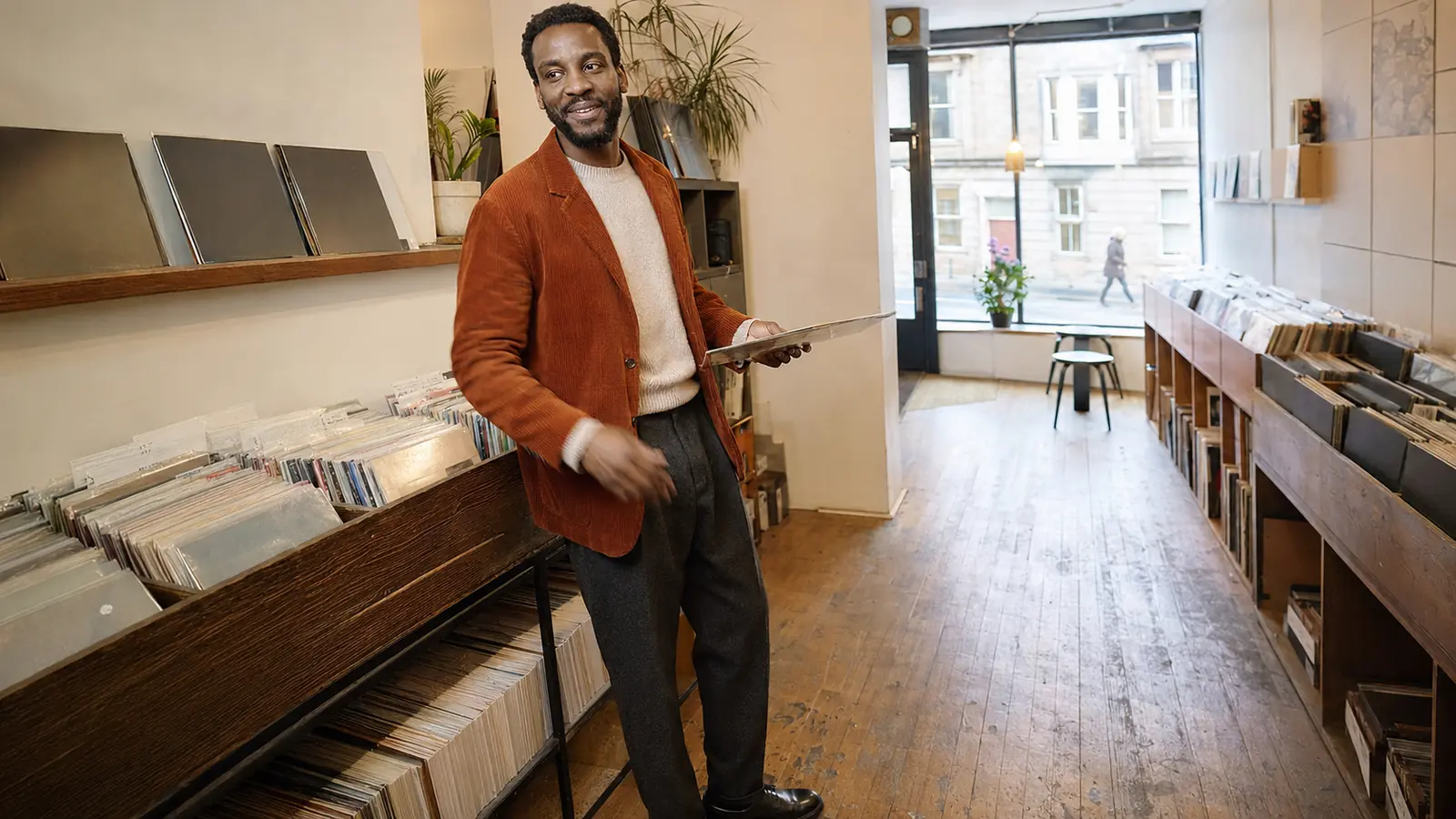
Rust Corduroy Jacket Modern Autumn Menswear Style Guide Contemporary Tailoring Featured Photo
Wale and fit decide everything
Corduroy looks refined when the ridges are in scale with the garment and the cut gives the cloth room to sit properly. The wrong wale or a tight fit turns a good cloth into bulk.
Corduroy is most often cotton, although cotton blends are common. Its visible ridges are called wales, and they are created by extra yarns that are cut and brushed into soft vertical ribs. Because corduroy is a pile fabric, the surface catches light and movement differently from flat cotton or wool.
Fine wale reads smarter
Fine-wale corduroy has smaller, closer ridges, so it usually feels quieter on the body. We would look at fine wale first for smarter trousers, softer jackets and corduroy suits, especially if you want the garment to work with shirts, fine knitwear and dress shoes.
The scale can vary a great deal. Vintage Fashion Guild records featherwale corduroy at as many as 25 wales per inch, with widewale corduroy, also called jumbo or elephant cord, at as few as two. That range matters because the same tobacco or navy cloth can feel discreet in a fine wale and much more expressive in a wider cord.
Room matters more than tightness
Corduroy needs ease through the seat, thigh, shoulder and sleeve. A close fit can crush the pile, pull across the body and make the ridges look uneven. A good cut gives the cloth enough space to move while still shaping the wearer.
Fielding & Nicholson approaches corduroy as a cloth and proportion decision before it becomes an outfit decision. During fittings, we look at the way the trouser line falls, how the jacket shoulder sits, and whether the cloth has enough drape for the person wearing it. That is where bespoke tailoring changes the feel from seasonal styling to something more permanent.
Corduroy trousers are the easiest autumn upgrade
A brown corduroy trouser with knitwear and boots feels relaxed; the same trouser with an Oxford shirt and loafers becomes much sharper. Trousers give you corduroy’s texture without committing your whole silhouette to it.
Brown is useful, especially in autumn, but it is not the only strong choice. Navy works well if your wardrobe leans smart. Olive sits easily with cream, grey and denim. Charcoal makes corduroy feel more urban, and burgundy can look excellent when the rest of the outfit stays quiet. For women’s, men’s and non-binary wardrobes, the stronger question is how the colour sits against your existing coats, shoes and knitwear.
Leg shape matters. We usually prefer a straight, relaxed-straight or gently tapered cut for corduroy trousers. Very narrow cuts rarely flatter the fabric because the ridges need space, and a slightly fuller line often looks more expensive. Pleats and turn-ups can work well, provided they suit your height, shoe choice and the way you like trousers to break.
Shoes decide the tone faster than almost anything else:
- Loafers give smart casual polish, especially with fine-wale trousers and a tucked shirt.
- Suede derbies or chukkas add texture without making the outfit feel heavy.
- Leather boots bring wet-weather practicality and a stronger autumn character.
- Clean trainers work when the rest of the outfit is clearly relaxed, such as a plain knit and an overshirt.
For brown corduroy trousers, we would avoid piling on too many autumn colours at once. Cream knitwear, a blue shirt or a dark jacket often looks cleaner than rust, mustard and tan fighting for attention in one outfit.
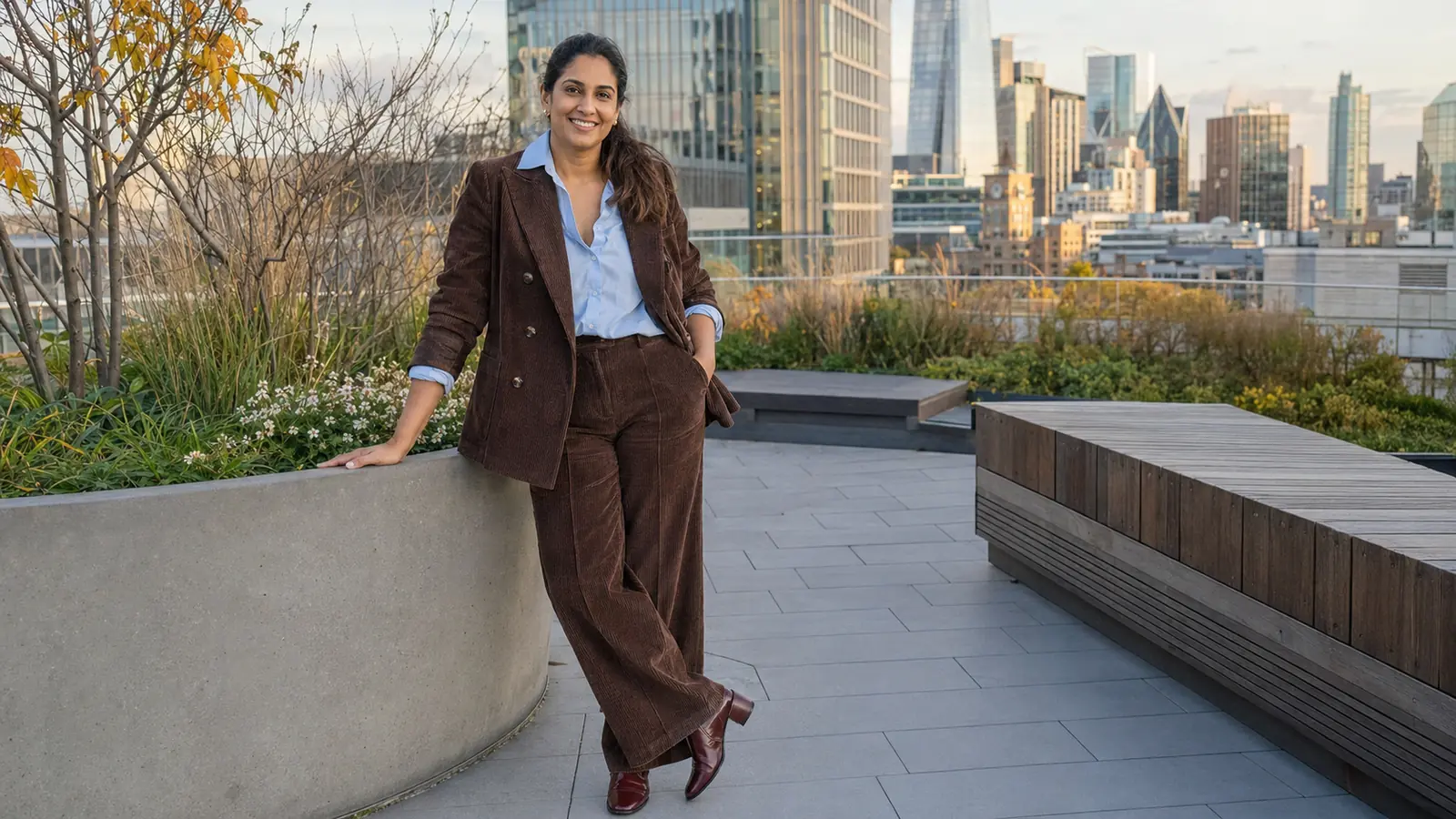
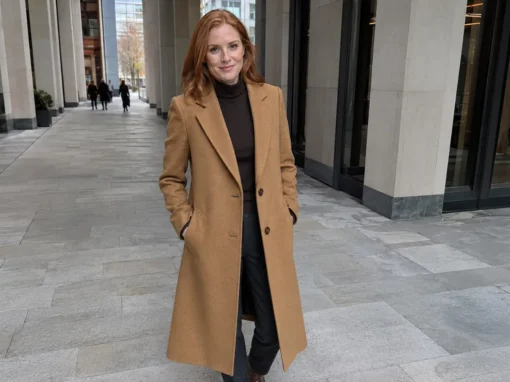
Women's Chocolate Corduroy Suit Offers Modern Structure for Effortless Autumn Citywear Styling

Pro Tip: For corduroy trousers, a straight or gently tapered leg usually keeps the cloth looking cleaner than a very narrow cut. The extra room helps the ridges sit naturally.
Corduroy jackets need cleaner styling than casual layers
A corduroy jacket can look calm and refined, or it can drift too far into weekend wear, depending on what surrounds it. The cloth already brings texture, so your shirt, knitwear and trousers need to simplify the picture.
A corduroy blazer works best when it has shape, but not the stiffness of a business jacket. Patch pockets, a softer shoulder and a natural line make sense, especially in navy, olive, chocolate or deep tobacco. Wear it with a plain roll neck, an Oxford shirt or fine knitwear, and keep the trouser cloth quieter.
An overshirt gives ease. A chore jacket gives utility. A blazer gives polish. Treating those shapes as separate choices keeps the outfit honest, because a corduroy overshirt should not pretend to be a suit jacket, and a blazer needs more control than a casual layer.
For womenswear and non-binary styling, length and proportion make the biggest difference. A cropped corduroy jacket can sharpen wide-leg trousers or a skirt, while a longer-line jacket can soften a lean column of knitwear and trousers. Fielding & Nicholson uses the same principle across clients: the jacket should balance the body and wardrobe first, then show its texture.
The best corduroy jacket looks edited, as if every other piece has agreed to give it the room.

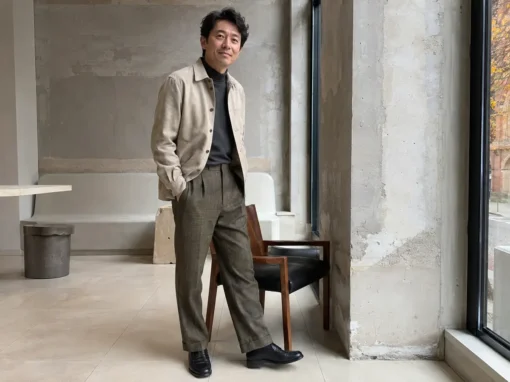
Green Corduroy Trousers Modern Autumn Menswear Style Guide Urban Tailoring Featured Photo

Pro Tip: When wearing a corduroy jacket or suit, keep the surrounding shirt, knitwear and shoes quieter so the texture has space to read properly.
A corduroy suit is the bold choice, not the risky one
A corduroy suit is not automatically casual, but it is never neutral. It carries presence, so the setting, colour, wale and cut all need to be right before it works.
For work, a fine-wale corduroy suit in a restrained colour can feel polished in a creative or relaxed professional setting. A more formal office may call for wool instead. For dinners, private events and some weddings, corduroy can be excellent, provided the dress code allows texture and the suit does not compete with the occasion.
Shirts should usually stay quiet. Oxford cloth gives the suit ease, poplin sharpens it, and a fine roll neck can make the whole look softer. Heavy checks, loud pattern and thick knitwear tend to crowd the surface of the corduroy, especially when the wale is wide.
Shoe choice should anchor the suit. Loafers make a corduroy suit feel relaxed but considered. Derbies add weight. Boots can work with a fuller trouser and a less formal setting. Elegant flats or a low heel can look very sharp with a clean trouser line and a jacket cut to the wearer’s shape.
Care deserves a calm word. Corduroy has a pile, so pressing it hard from the face side can flatten the ridges. Follow the garment’s care label, particularly with lined, structured or bespoke pieces. ISO 3758:2023 sets the system behind textile care symbols, and those symbols show the most severe treatment a garment should withstand without irreversible damage.
The better test is not whether corduroy is fashionable. The better test is whether the cloth, cut, colour and occasion belong to you. When those parts line up, corduroy stops looking seasonal and starts looking personal.
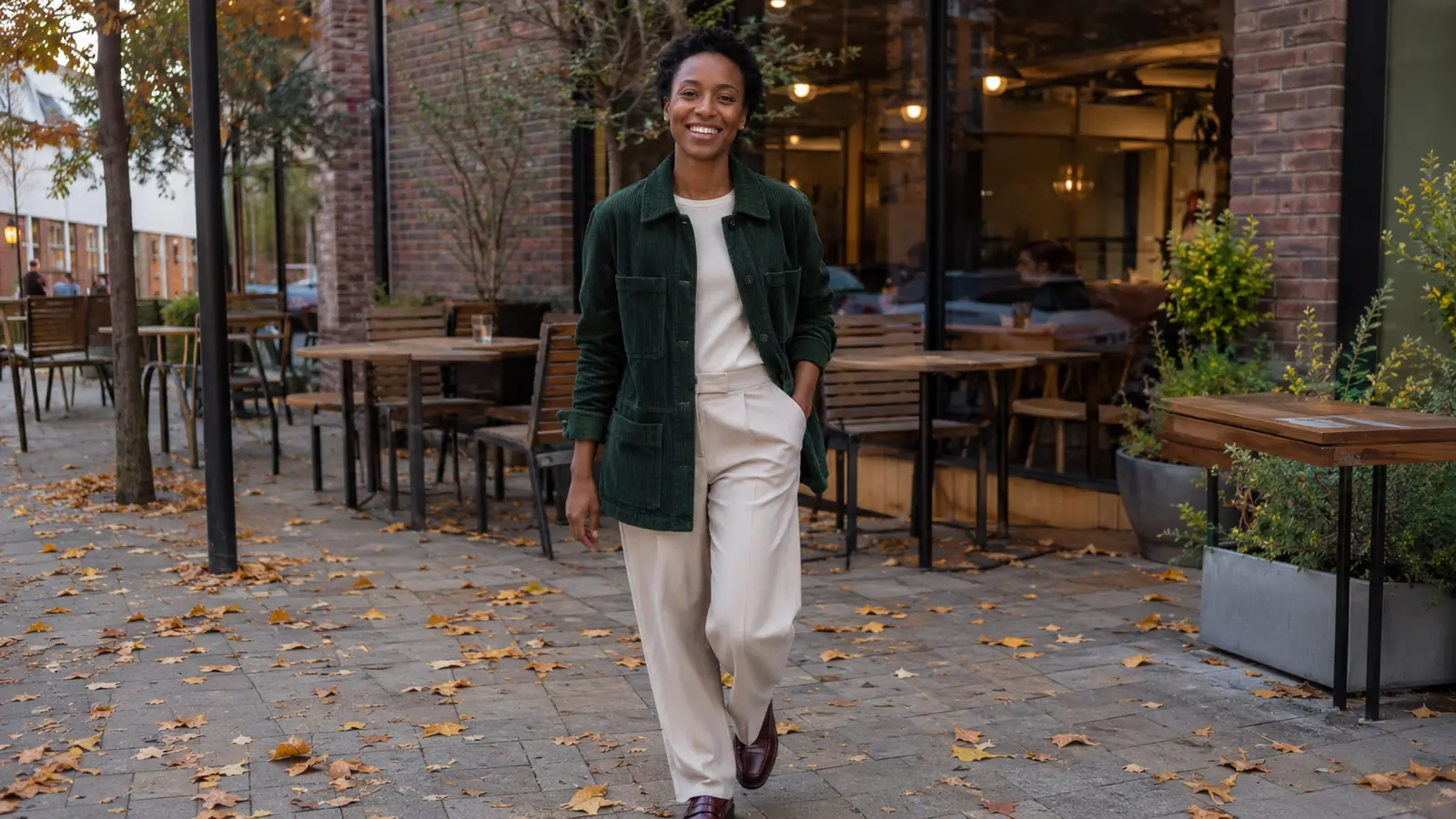
Women's Green Corduroy Jacket Creates Fresh Autumn Layers for Contemporary Tailored Outfits
Questions we get asked about corduroy styling
Can corduroy look smart enough for evening wear?
Corduroy can work for evening wear when the cut is clean, the colour is restrained and the setting is not black tie or highly formal. Fine-wale cloth in a dark tone will usually read smarter than a wide-wale fabric in a pale or bright shade.
Should corduroy match exactly as a jacket and trouser?
A corduroy suit should use matching cloth, because small differences in wale, pile direction or colour can look accidental. Separates can work well, but we prefer them to be clearly different rather than almost matching.
What colours are easiest to wear in corduroy?
Navy, olive, charcoal and chocolate are the easiest colours to build around. Tobacco, cream and burgundy can look excellent, but they need more care with shirts, shoes and outerwear.
Does corduroy work for warmer autumn days?
Corduroy can work in autumn across different temperatures, but comfort depends on the cloth weight, lining and garment construction. A lighter trouser or unstructured jacket will feel easier than a heavy lined piece.
How do you stop corduroy looking bulky?
Choose a wale that suits the garment, avoid overly tight cuts and keep the surrounding outfit simple. Good alterations or bespoke cutting can also control the seat, shoulder and trouser line so the texture looks intentional.