Can a tailor off Savile Row be as good as one on Savile Row?
A tailor off Savile Row can offer a serious bespoke garment if the process is clear: an individual pattern, skilled cutting, proper fittings, considered cloth guidance and aftercare. Savile Row gives heritage and recognition, but the garment proves itself through work, fit and relationship, not address alone.
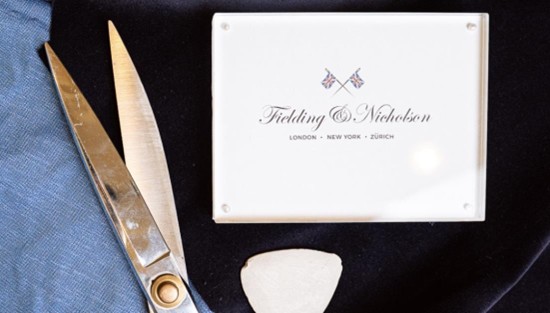
Fielding & Nicholson Tailoring off of Savile Row, London
What Is In This Article
The Address Is Not The Garment
Savile Row matters. Its name carries history, concentration of skill and a certain public confidence that few tailoring streets can match. Still, a suit, jacket or piece of womenswear does not fit better because of the street sign outside the showroom.
Clients often begin with the wrong comparison. They weigh status against compromise, as if a tailor off Savile Row must be a lesser choice by location alone. A better test looks at the garment’s making: who cuts the pattern, how fittings are handled, how cloth is chosen, how records are kept and what support exists after collection.
A tailor on Savile Row may offer heritage, formal recognition and the theatre of a famous address. A bespoke tailor near Savile Row has to make the evidence visible in other ways. For the client, that can be useful, because it moves the conversation away from reputation and into the substance of the commission.
A famous street can open the door, but fit is decided in the cutting room and the fitting room.
Postcode Is Not Proof
Savile Row is a strong signal, but no postcode should replace clear proof of process. A client comparing a tailor on Savile Row with a tailor off Savile Row should separate what the address suggests from what the tailor can show.
The Savile Row Bespoke Association gives one clear point of reference. Its membership requirements say full members must have their bespoke business headquartered on or within 100 yards of Savile Row, and must make Savile Row bespoke garments from an individually cut paper pattern made by a Master Cutter trained to the association’s standard. That matters, but it also shows why labels need careful reading.
| What the address suggests | What the reader still needs to verify | Why it matters |
|---|---|---|
| Heritage and public recognition | Whether the tailor’s own process is genuinely bespoke | Prestige cannot correct a weak fit |
| Access to a tailoring cluster | Who cuts the pattern and supervises fittings | Accountability should be personal, not vague |
| A recognised tailoring culture | How cloth, construction and aftercare are explained | The client needs decisions, not mystique |
| Proximity to Savile Row | Whether the showroom is on the Row, nearby, or elsewhere in Mayfair | Location should be described plainly |
Mayfair makes the distinction more subtle. Fielding & Nicholson’s Mayfair showroom is at 35 Sackville Street, W1S 3EG, just off Savile Row, which is a useful example of a bespoke house close to the Row without being on the street itself. That closeness gives context, but the client still has to judge the work by the same markers: pattern, cutter, fittings, cloth and continuity.
Loose phrases such as “Savile Row standard” deserve a calm follow-up. A serious answer will explain the actual method behind the phrase and will not lean on it as a badge.

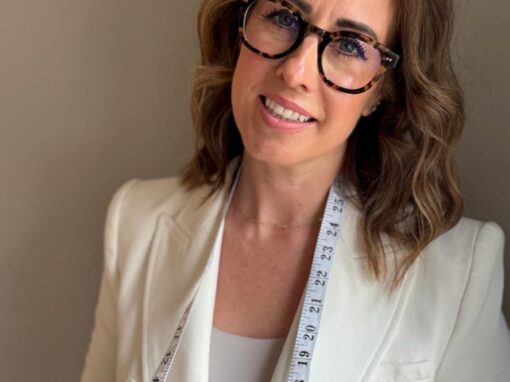
Nathalie May Bespoke Tailor for LGBTQ and non-binary and women
Bespoke Process Carries The Difference
A true bespoke process makes the client visible in the garment. Measurements matter, but posture, movement, proportion and personal preference are what turn cloth into something that feels natural to wear.
Individual Patterns
An individual pattern is the backbone of bespoke tailoring. It records the client’s shape as a starting point for cutting, then develops through fittings as the garment is refined.
That point matters because two clients with similar measurements can stand, move and carry cloth in very different ways. One may need attention to shoulder balance, another to sleeve pitch, trouser line or the way a jacket closes across the body. A proper bespoke suit should not feel like a standard block adjusted at the edges.
Good tailors explain the pattern without burying the client in trade language. The client does not need to know every cutting-room term, but they should know whether a personal pattern is being created, who is responsible for it and how it will be used again for future commissions.
Fittings And Baste Work
Fittings are where the promise of bespoke becomes visible. They are not ceremonial appointments; they are working sessions in which the tailor reads the garment on the body and makes decisions before the piece is finished.
A baste fitting is especially useful because the garment is still in progress. Cloth may be loosely assembled, seams may be open and the tailor can see how the cut behaves before final finishing. For a client, that stage can feel less polished than the final fitting, but it reveals the seriousness of the process.
Fielding & Nicholson states in its published bespoke process that a bespoke suit typically involves three to five fittings. That kind of fitting-led structure gives the tailor time to address movement, comfort and line, especially for clients commissioning formalwear, business wardrobes or garments that need to work across different settings.
Cloth And Construction
Cloth choice should be guided, not left to the client as a wall of swatches. A good tailor will connect cloth to climate, occasion, wear pattern, drape and the shape the client wants to achieve.
Construction should be explained with the same restraint. A client does not need a lecture on canvas and internal structure, but they do need to know how the garment will hold its shape, how it will feel after wear, and which choices affect comfort or formality. The best cloth is the one that serves the person and the use, not the one that sounds most impressive in conversation.
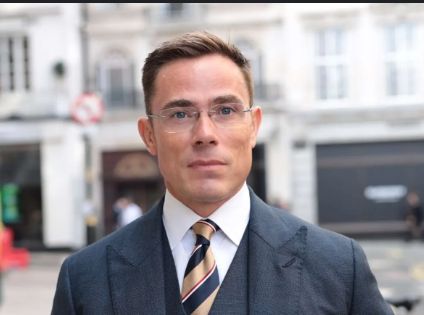
Pro Tip: Ask who cuts the pattern and who will see the garment through the fittings. A clear answer usually tells you far more than an address ever will.
Service Shapes The Experience
Service quality is part of the evidence. The way a tailor listens, records decisions and supports the garment after collection often tells the client as much as the first fitting.
Privacy matters because fitting is personal. Some clients enjoy the visibility and theatre of Savile Row. Others prefer a quieter first-floor showroom nearby, where posture, body confidence and style questions can be discussed without performance. Neither preference is superior; the better experience is the one that lets the client speak honestly.
Continuity matters because wardrobes develop over time. A first commission may begin with a wedding outfit, a business suit, a jacket or a piece of womenswear, then lead to outerwear, shirts or seasonal cloth choices. Strong client records allow future garments to build on what has already been learned, including fit preferences that may never appear on a basic measurement sheet.
Aftercare matters because bespoke clothing lives in use. The Savile Row Bespoke Association requires full members to retain customer records and order details, and to provide aftercare including sponging, pressing, repairs and button matching. Any tailor outside that framework should still be able to explain what happens after collection in concrete terms.
Service is where many clients feel the difference most sharply: whether the tailor remembers why a trouser line was altered, whether a jacket is checked after real wear, and whether future commissions begin from knowledge rather than repetition.

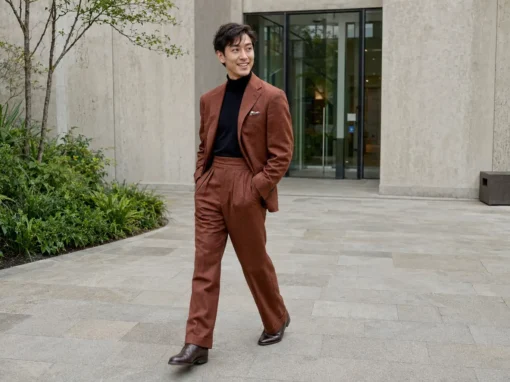
A photo of Lewis, a tailor for Fielding & Nicholson Tailoring
Modern Tailoring Is Wider
Modern bespoke tailoring is no longer measured only by the image of a man buying a business suit. Private clients now commission womenswear, occasion tailoring, formalwear, outerwear and wardrobes that need to express identity as well as status.
Inclusive tailoring should be treated as skill, not as a separate category. Non-binary clients, LGBTQ+ clients and clients with mobility or comfort needs deserve the same technical attention to proportion, silhouette, movement and confidence as anyone commissioning a classic suit. The question is whether the tailor can interpret the person in front of them without relying on old assumptions.
Style also needs a lighter hand than many clients expect. A good tailor may guide colour, texture, lapel shape, shoulder expression or trouser width, but the garment should still feel connected to the client’s life. Mayfair tailoring at its best can respect tradition without freezing the client inside it.

Pro Tip: Request detail on aftercare before you commit to a commission. A strong bespoke relationship should include support for pressing, repairs, alterations and future records.
Better Questions Reveal Better Tailors
Precise questions reveal more than reputation. A confident tailor should be able to answer plainly, whether the showroom is on Savile Row, just off it, or elsewhere.
- Who cuts the pattern? A strong answer names the responsibility clearly and explains how the client’s shape is translated into the garment.
- Will an individual pattern be made and retained? The reply should show how future commissions will benefit from the first piece.
- How do fittings work? Clear detail on fitting stages shows that refinement is built into the process, rather than left until the end.
- Will there be a baste fitting? A useful answer explains what the tailor expects to learn while the garment is still in progress.
- How is cloth chosen? Good guidance connects fabric to lifestyle, occasion, climate, durability and personal taste.
- What aftercare is included? The answer should cover practical support such as pressing, repairs, alterations and matching details where needed.
- How will future wardrobe decisions be recorded? Serious tailoring relationships keep track of preference, proportion and use, not measurements alone.
Vague answers usually sound grand but stay soft at the edges. A client should leave a first conversation knowing how the garment will be made, who is accountable for fit and what happens after the first commission is complete.

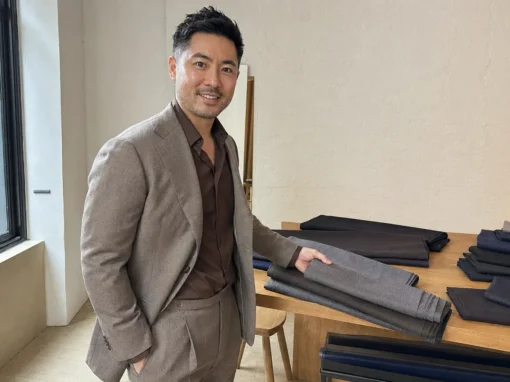
A photo of Ian, Owner of Fielding & Nicholson Tailoring
Modern Bespoke Standards
Westminster City Council’s City Plan 2019 to 2040 describes Savile Row as a Special Policy Area and recognises its bespoke tailoring cluster as globally synonymous with premium bespoke tailoring. That policy context matters because it treats the Row as a living concentration of skill, not simply a luxury shopping address.
Client expectations are moving in the same direction. Over the next 12 to 24 months, the stronger distinction will be between visible and invisible standards: who can explain the pattern, the fitting rhythm, the aftercare, the inclusivity of the service and the way a wardrobe is supported over time.
Address will still carry weight, especially in London Mayfair. Standards that can be seen, questioned and followed through will carry more weight with clients who want a garment made for their body, their life and their future wardrobe.
Frequently asked questions
Is a Savile Row suit worth it?
A Savile Row suit can be worth it when the tailor offers a clear bespoke process, experienced cutting, careful fittings and proper aftercare. The value depends on the work behind the name, not the name alone.
Is bespoke better than made-to-measure?
Bespoke is usually the more personal process because the garment is built around an individual pattern and refined through fittings. Made-to-measure can work well for some clients, but it starts from an existing base that is adapted.
What is a baste fitting?
A baste fitting is an early fitting where the garment is still partly assembled. It allows the tailor to assess balance, shape and movement before the garment is finished.
Is Savile Row only for men’s suits?
Savile Row is strongly associated with men’s tailoring, but modern bespoke clients commission a wider range of garments. Womenswear, occasion wear, formalwear and inclusive tailoring all sit within current bespoke practice.
What should matter most in choosing a bespoke tailor?
Process clarity should matter most. A client should know who cuts the pattern, how fittings are handled, what cloth guidance is offered and how the garment will be cared for after collection.