
Why does your jacket collar gape or pull away at the neck?
Collar roll and neck gaps occur when a jacket's collar lifts or pulls away from the back of the wearer’s neck instead of sitting flat. This is often due to a mismatch between the jacket’s structure and the wearer’s posture or body shape, and it typically signals a more detailed fit problem that cannot be corrected with superficial adjustments.
What Is In This Article
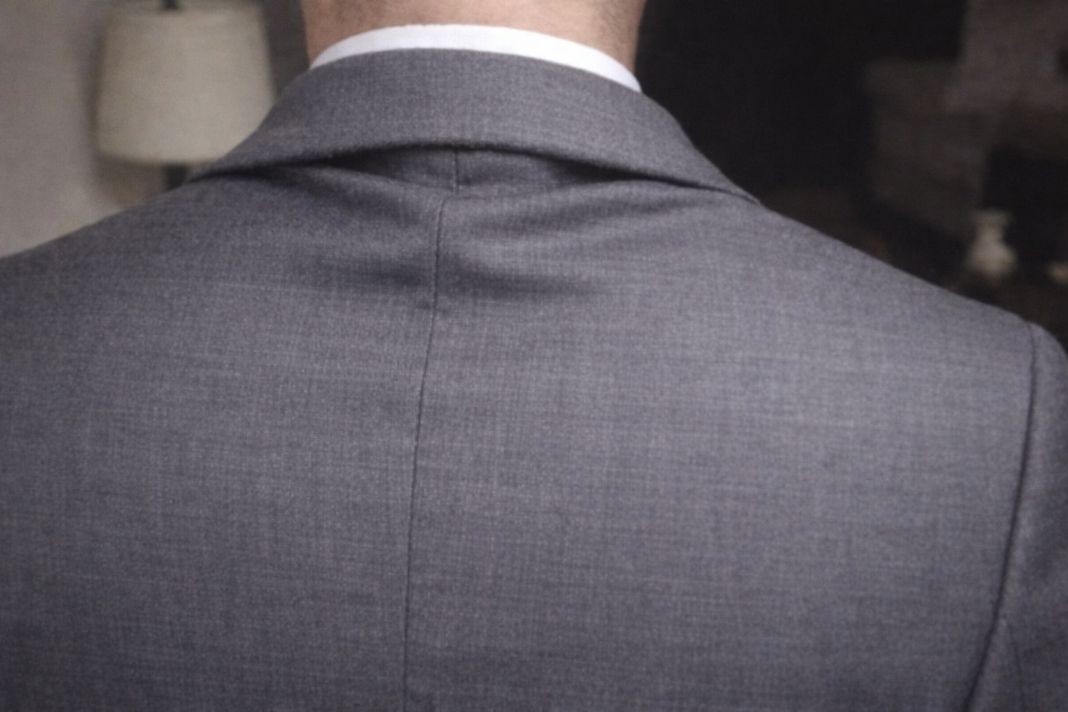
An illustrative photo showing a particularly bad collar roll on a suit
What Is Collar Roll and Why It Happens
The collar of a jacket should sit cleanly against the back of the neck, following the natural curve where the shoulders meet the base of the skull. When it fails to do so, a noticeable gap often appears, either persistently or during movement. This common issue, known as collar roll or collar gap, is far more than a cosmetic flaw.
Not all collar roll is problematic. A soft, intentional roll can exist in certain styles, blending smoothly into the back and shoulders. However, unintended collar roll causes distraction in both appearance and comfort. It may even make the lapels pucker and disrupt the overall balance of the jacket.
Several underlying factors contribute to this:
- Posture and shoulder slope: Forward head posture, rounded shoulders, or a pronounced shoulder angle can distort how a standard jacket collar sits.
- Neck shape and height: A long or curved neck can cause the collar stand to strain or collapse.
- Off-the-rack patterns: Ready-made jackets are built on averaged templates that rarely account for individual anatomical differences.
- Canvas and collar construction: The inner canvas and method of collar attachment affect how the fabric reacts to body mechanics.
- Misconceptions about wear-in: Some assume the jacket will "settle" over time, but structural gaps usually indicate a need for correction, not patience.
Knowledge collar roll starts with recognising it as an alignment issue, where the jacket does not properly reflect the body underneath.
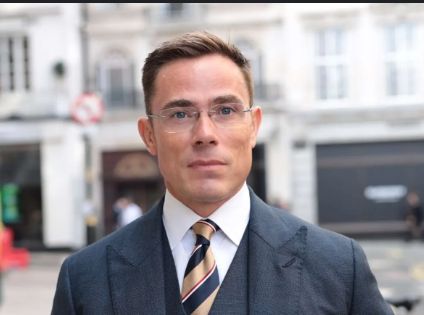
Pro Tip: Always match collar corrections to shoulder pitch and back balance to avoid compounding the misfit elsewhere in the jacket.
The Anatomy of a Well-Fitting Collar
A jacket collar that fits properly quietly supports the entire structure of the garment. It curves gently against the neck, remaining flush even as the wearer moves. No pulling, folding, or puckering should occur.
Here’s what a good collar fit looks and feels like:
- Clean contact: The collar hugs the back of the neck smoothly, without daylight visible at the connection point.
- Balance across the shoulders: The shoulder line and collar meet in harmony, with no tension or bunching where the collar connects.
- Lapel flow: The lapel break stays smooth and undisturbed, reflecting a continuous line from the neck to the chest.
- Movement stability: Even when turning your head or sitting down, the neckline remains stable.
Clients receiving a bespoke fitting from experienced cutters, such as those at Fielding & Nicholson, often remark on how their neck and shoulders feel supported yet free. That sensation confirms the collar is not just sitting well but working correctly as part of the overall jacket architecture.

A photo of a well fitted collared shirt and bespoke suit.

Pro Tip: Collar gaps often appear more prominently in motion, so have someone observe the neckline from behind as you walk or turn.
Common Causes of Neck Gaps and Jacket Pull
When a jacket pulls away from the neck, the cause is nearly always structural, and rarely the fault of the wearer. Knowledge the mechanics behind this misalignment makes the problem easier to resolve.
Here are key contributors:
- Incorrect back balance: When the back length is too long in relation to the front, the collar may lift or puddle behind the neck.
- Poor shoulder pitch: If the angle of the jacket shoulders does not match the body's slope, the collar is pulled forward or backwards unnaturally.
- Mass-produced patterns: Ready-to-wear designs are drafted for neutral posture assumptions, ignoring common real-world variances.
- Body changes: Weight gain, muscle development, or changes in posture can throw off previously correct proportions.
- Mistakes during alterations: Adjusting the hem or sleeves without compensating through the collar and back can cause gaps that didn’t previously exist.
The collar is not an isolated feature. It is a product of how the entire jacket works in concert with the body. When one element is misjudged, the neckline usually reveals it first.
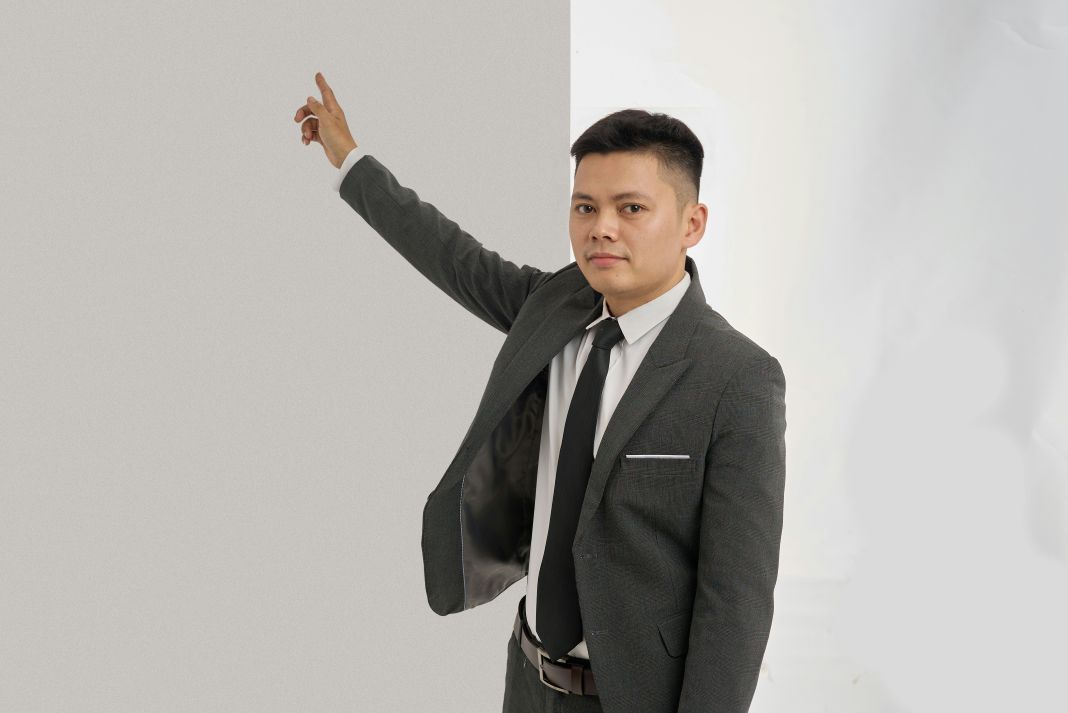
A photo showing a neck gap and jacket pull of a ill fitted suit
Why Off-the-Rack Jackets Often Fall Short
You try on a jacket that looks sharp through the front panels and lapels. But as you hold still, a gap opens at the back of the neck. This experience is familiar to many, even with higher-end off-the-rack suits.
The issue lies in how these jackets are designed and made.
- Standard sizing: Most suits are cut using a fixed block pattern that does not account for posture or neck curve variation.
- Absence of shaping stages: Where bespoke includes multiple fittings and recuts, ready-made garments move directly from the factory to the rack.
- Minimal collar construction: Manufacturers streamline collar builds to match production efficiency, often resulting in stiffer or ill-fitting outcomes.
- Limitations of alterations: Tailors can adjust waist or sleeve length with ease, but reshaping a collar or correcting shoulder balance without rebuilding the jacket is extremely difficult.
- Mirror illusion: Fit can seem acceptable when viewing oneself front-on, but the neckline issue only becomes obvious from the side or rear.
Even well-customised off-the-peg pieces can fall short where consistency and nuance are required. Collar roll is one of the most telling areas where mass production struggles to provide finer calibration.
The Role of Posture and Body Shape
Even standing still, your posture influences how a jacket sits. A collar that fits one person flawlessly can lift or twist on another with different bone structure or shoulder alignment.
Several real-world body characteristics affect collar fit:
- Forward head posture: Common among office professionals, this posture pulls the back of the jacket forward, creating a visible gap.
- Rounded shoulders or asymmetry: If one shoulder is lower or more forward, the collar struggles to stay in place.
- Muscle development: Growth through weight training in the neck and upper back alters jacket balance, even if measurements remain the same.
- Weight fluctuation: Fat or muscle gain around the shoulders or chest can push the collar away from its intended position.
Fielding & Nicholson tailors often assess these traits during early consultations, adjusting the pattern and fitting approach to suit each individual. Rather than fighting the body, a good cut works with it. That principle is central to collar clarity and comfort.
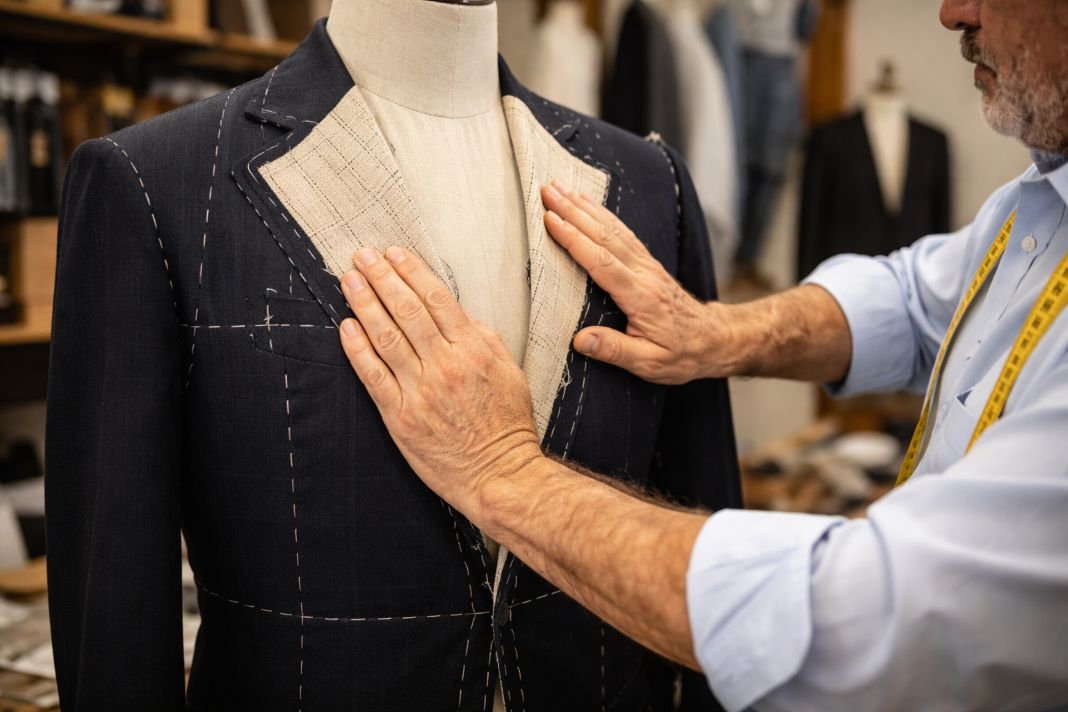
an illustrative photo of a tailor conducting a canvas test using hand pressure over a jacket front on a mannequin
Temporary Fixes vs. Lasting Solutions
Some collar roll issues can be addressed with minor alterations. Others point to the need for a rebuild or a completely new garment.
Here’s how to tell the difference:
Temporary Fixes
- Adding or removing minimal shoulder padding
- Steam pressing minor collar folds
- Rebalancing sleeve pitch if the misalignment is mild
Lasting Solutions
- Recutting the collar and adjusting back balance
- Modifying shoulder structure significantly
- Rebuilding the jacket pattern entirely to match posture
Tailors can attempt a “collar lift” adjustment, but this is rarely invisible and often solves only the symptom, not the source. Bespoke tailoring takes a different route, considering collar alignment from the beginning and correcting it gradually through fittings.
While not always the lowest-cost route, starting with a made-for-you garment typically prevents the cycle of constant readjustment. At Fielding & Nicholson, multiple fittings allow tailors to fine-tune the collar angle under real conditions, including walking, sitting, and turning.
What a Bespoke Collar Achieves
A bespoke collar does far more than just eliminate gap. It brings balance, comfort and clarity to the highest point of a jacket. From the first drafting stage to the final fitting, each line is designed to follow the wearer’s posture and physique closely.
Here’s what a properly fitted bespoke collar provides:
- Cut for the individual neck curve: Instead of assuming straight upright posture, the collar reflects the actual neck angle.
- Refined during fittings: As the wearer tries the garment, tailors adjust collar height and roll line in small but significant ways.
- Improved movement: A stable collar means no irritation or twist during everyday activities, such as driving or walking.
- Visually calm neckline: With the collar settled, the jacket appears anchored and composed, highlighting the lapel and chest line.
In bespoke tailoring, the collar is not an afterthought. It is an architectural element, shaped around the person, and not the mannequin. This alignment looks right but feels right, quietly reinforcing the value of tailoring done properly from the very first stitch.