How much should your bespoke overcoat cost?
We treat a serious bespoke overcoat as a roughly £3,500 to £8,500 plus commission, with final cost shaped by cloth, cutting, fittings, handwork and value added tax, usually shown as VAT. Cheaper and dearer examples exist, but that range helps you judge whether a quote reflects the work involved.
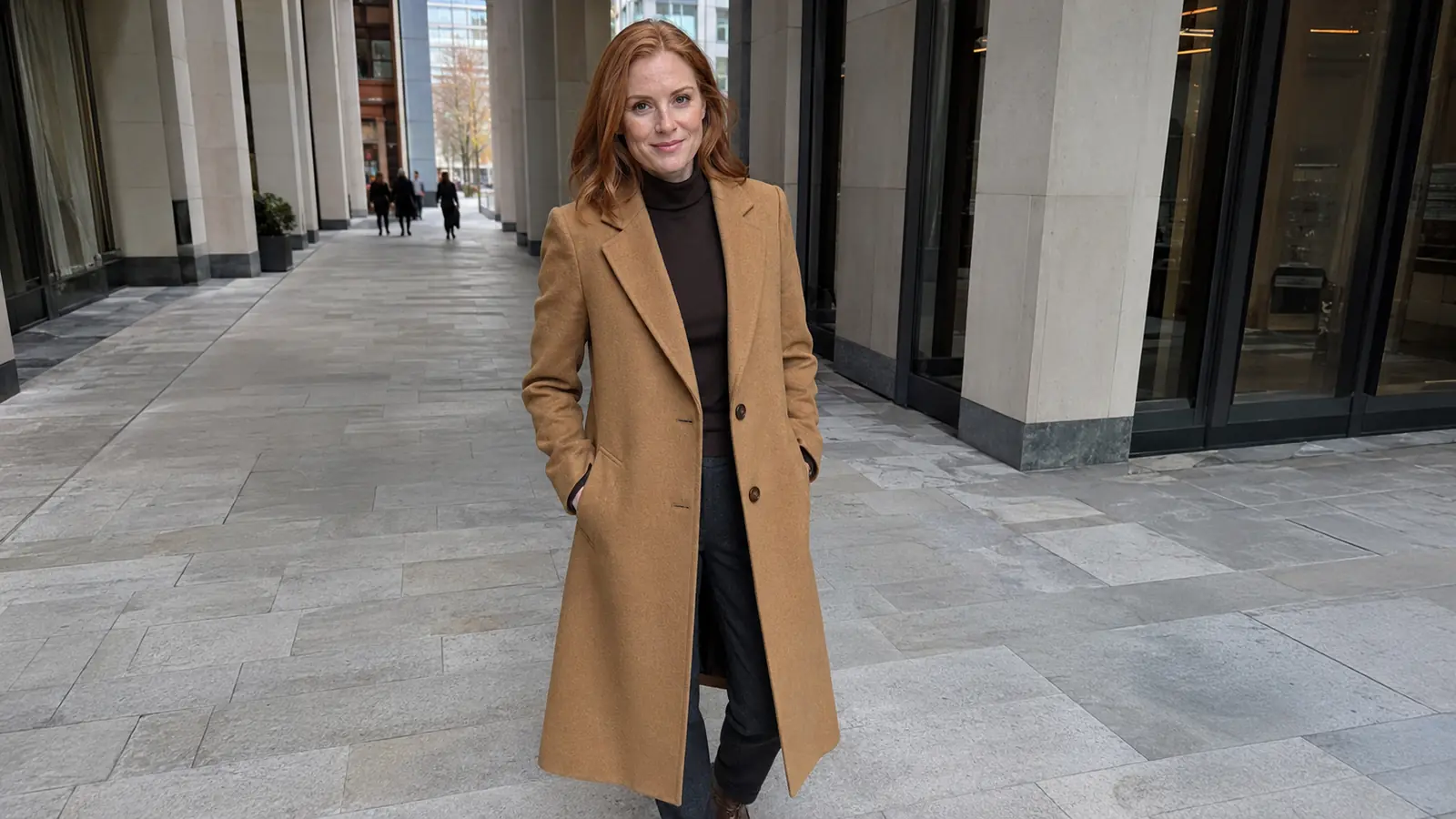
Women's Camel Bespoke Overcoat Combines Modern British Tailoring - Sample Image
What Is In This Article
The real price range for a serious bespoke overcoat
You may see one bespoke overcoat quoted at a few thousand pounds and another at more than twice that, with both described in the same language. That is where the confusion starts. The useful question is what sits inside the price: the cloth allowance, the cutting, the fitting work, the amount of handwork and whether the figure includes VAT.
Permanent Style recorded a bespoke wool overcoat starting price of £3,500 in 2023, then documented a high-end bespoke overcoat priced at £8,500 including VAT in 2025. We would treat those figures as market reference points, not as a fixed price list for every tailor or every coat.
A simpler wool coat at the lower end of that range can still be a serious commission. A higher price can reflect a dearer cloth, a longer coat, more demanding construction, a particular house style or extra fitting work. The mistake is comparing the number alone, because two quotes can look similar on paper and cover very different garments.
The cost sits in the making, not the label
An overcoat is bigger, heavier and less forgiving than it looks. It has to sit cleanly over what you wear underneath, hold its line when you move and keep its proportion across a much larger surface than a jacket.
The Savile Row Bespoke Association describes a true bespoke garment as one cut by an individual for the customer, using a pattern made for that customer, with a series of fittings and a minimum of 50 hours of hand work. That benchmark matters because it separates genuine bespoke tailoring from looser uses of the word custom.
The main cost drivers are practical:
- An individual pattern gives the coat its starting shape. The cutter is not adjusting a finished coat; they are building the garment around your body, posture and intended use.
- Larger pattern pieces require more care because a small imbalance in the shoulder, sleeve or front can show clearly across a long coat.
- Heavier cloth asks more of the maker during cutting, pressing and shaping, especially when the coat needs structure without feeling stiff.
- Real layering changes the fit. A coat worn over knitwear has different allowances from one worn over a suit jacket or eveningwear.
- Fittings refine the garment. The first fitting gives information, and later fittings turn that information into a cleaner silhouette and easier movement.
In our work at Fielding & Nicholson, we look at the overcoat as part of your wardrobe, because a coat made for the wrong layers becomes expensive in the least useful way. It looks good on a hanger and feels wrong on a normal day.
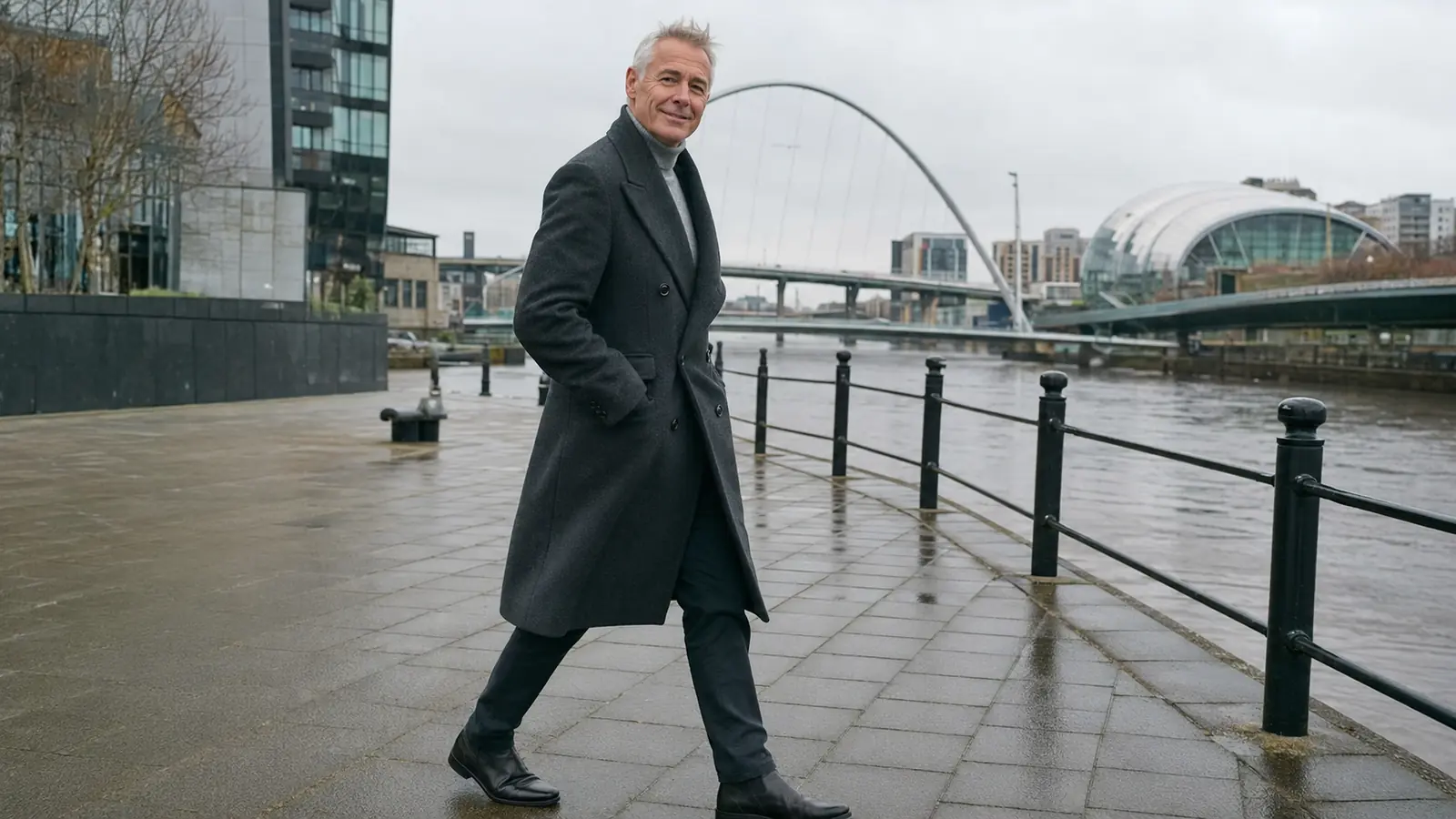
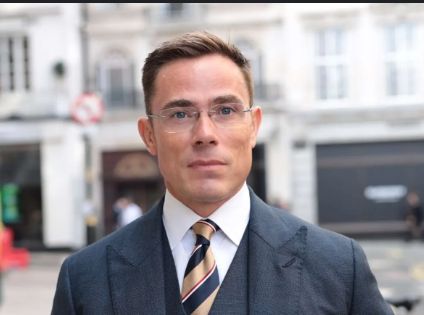
Men's Bespoke Charcoal Overcoat UK Price Guide Modern Winter Tailoring - Sample Image
Pro Tip: For a bespoke overcoat, compare quotes on what is included, especially cloth, fittings and VAT. A lower number can leave out work that matters to the final garment.
The choices that move the price
Most price variation comes from decisions you can see and feel: cloth, length, construction and detail. Cloth is the easiest difference to notice, but the coat’s scale and the fitting work can move the price just as much.
| Cost driver | What changes | When it earns its keep |
|---|---|---|
| Cloth | Wool, wool-cashmere blends, camel hair, covert cloth and tweed each have a different handle, warmth and cost. | Daily wear often favours cloth with resilience; softer cloth suits a more refined or occasional coat. |
| Length | A longer coat uses more cloth and asks for careful proportion through the body. | Extra length makes sense when you want coverage over tailoring or formal clothing. |
| Construction | Chest shape, canvas, collar work and pressing affect how the coat hangs. | Paying more makes sense when you need the coat to keep its line through regular wear. |
| Design detail | Double-breasted fronts, belts, storm collars, pleats, special pockets and linings add making time. | Detail earns its place when it improves use, warmth or the look you will wear often. |
| Fitting work | More adjustment may be needed when the coat must sit over different layers. | Extra fitting time matters when comfort and balance are central to the commission. |
A documented high-end bespoke overcoat example used a 90% wool and 10% cashmere cloth from Holland & Sherry. That is a useful reminder that cashmere does not have to mean a pure cashmere coat. A wool-cashmere blend can give softness while keeping much of the substance people want from an overcoat.
With Fielding & Nicholson, we start by asking how the coat will be worn, because the right cloth for a weekday business coat may be wrong for an occasional formal coat. A heavy, structured piece can feel assured over a suit, while a softer cloth may suit someone who dresses in knitwear and wants a quieter drape.
Spending more on a feature only makes sense when it serves your life. A belt, large collar or long sweep can look wonderful, but it needs to work with your height, your usual clothes and the places you actually wear the coat.
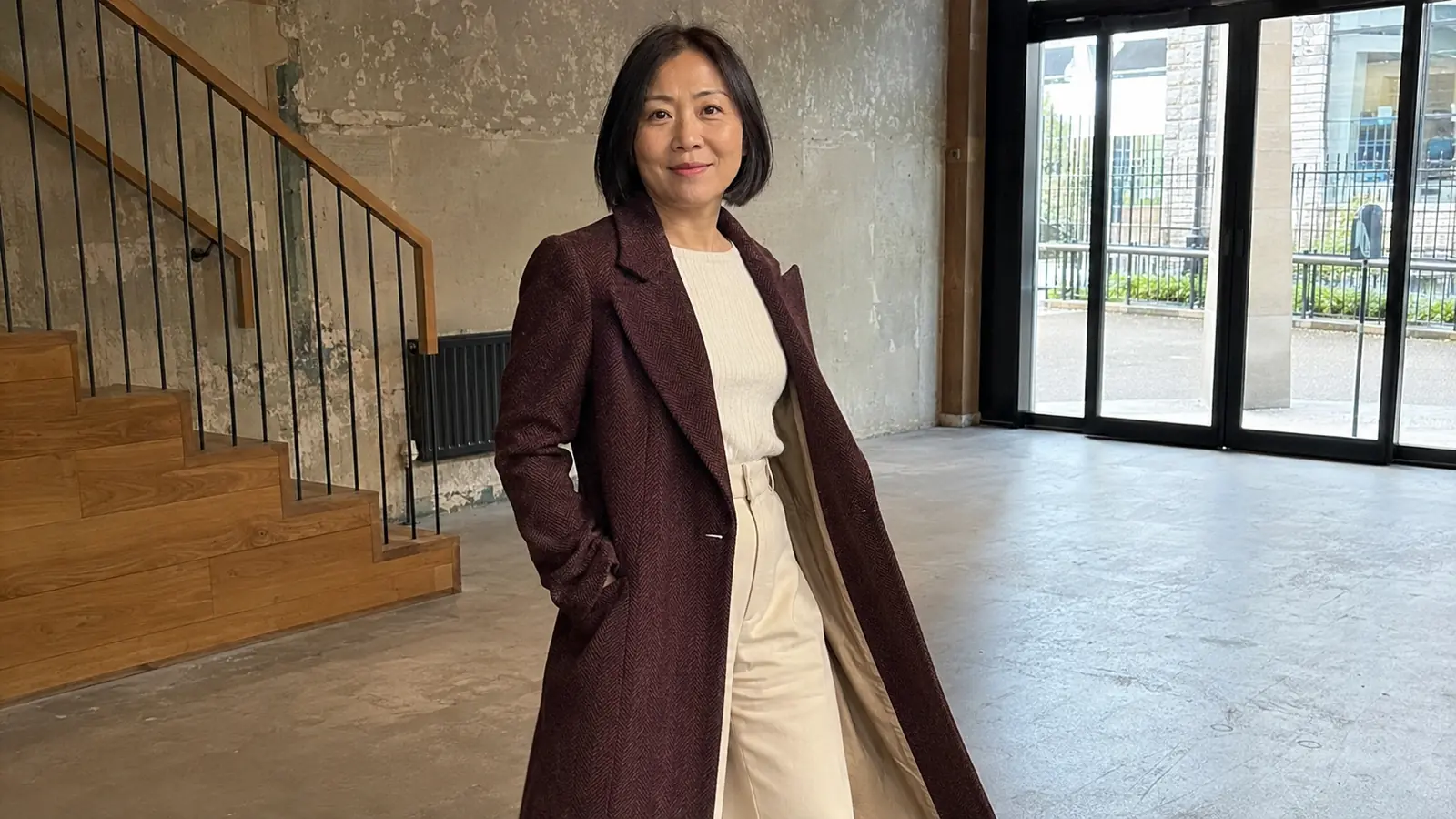
Women's Bespoke Burgundy Overcoat Cost Guide Contemporary London Tailoring Style - Sample Image
Thinking about your own tailoring? We are always happy to help. Get in touch
Bespoke, made-to-measure and ready-to-wear belong in different price conversations
Price comparisons become unreliable when bespoke, made-to-measure and ready-to-wear are treated as the same category. We compare like with like first, then ask which route gives you enough control for the way you dress.
Ready-to-wear starts as a finished standard size. Alterations can improve sleeve length, hem length or a small area of fit, but they cannot fully remake the coat’s proportions. If the shoulder or balance is wrong, alteration work has limits.
Made-to-measure usually adapts an existing block or pattern system. It gives more choice than ready-to-wear and can suit many people well, especially when the base shape is already close to the body. Bespoke starts from an individual pattern and develops through fittings, which is why the price sits in a different bracket.
An altered off-the-peg coat can be a sensible purchase for some wardrobes. Its value simply belongs in another column. A lower price is not automatically a warning sign, but a lower category should not be judged as though it includes the same cutting and fitting depth as bespoke.
Pro Tip: Ask how the coat will be cut to sit over your usual layers. The fit changes noticeably when you wear knitwear, tailoring or formal clothing underneath.
Value comes from the coat you will wear well and often
When a bespoke overcoat solves a real wardrobe need, the cost becomes easier to judge. A coat worn over tailoring for business through cold months has a different value case from a dramatic piece saved for rare occasions.
Restraint often gives the strongest result. We usually prefer the cloth that suits the use, the length that works with your clothes and the shape that will still feel right after the first flush of ownership has passed. A luxury bespoke overcoat can be quiet, practical and deeply personal without carrying every possible detail.
Inclusive bespoke outerwear matters here as well. Standard sizing can serve some bodies poorly, especially for women, non-binary clients and anyone whose posture, proportions or mobility needs fall outside the assumptions built into ready-made coats. Bespoke gives the fitting room the space to solve those issues properly.
The one priority is suitability: a coat that works over the clothes you own, in the weather and rooms you actually move through, will return more value than any expensive detail chosen for display.
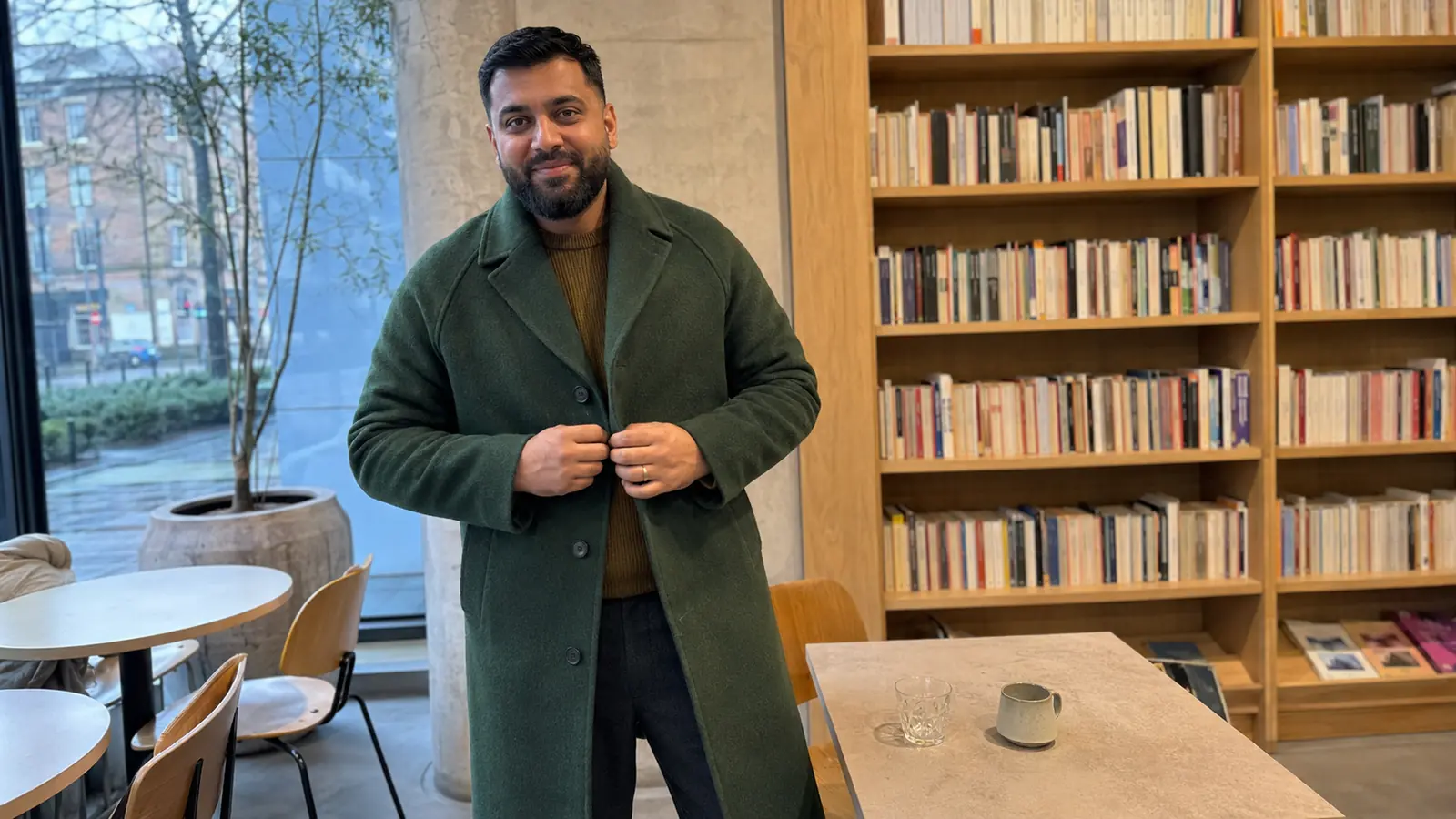
Men's Bespoke Green Overcoat UK Pricing Guide Modern City Tailoring - Sample Image
Questions we get asked about bespoke overcoat costs
How many fittings does a bespoke overcoat need?
A true bespoke overcoat involves a series of fittings, because the garment is refined as it takes shape. The exact number depends on the cloth, design and how the coat balances over your chosen layers.
Should an overcoat fit over a suit jacket?
A business or formal overcoat should be fitted over the kind of jacket you plan to wear underneath. If the coat is cut too close, the shoulders and chest can feel tight once real layers are added.
Is pure cashmere better than wool for an overcoat?
Pure cashmere is not automatically better than wool. Wool often gives strength and structure, while cashmere or a wool-cashmere blend can add softness and a different drape.
Can a bespoke overcoat be altered later?
A bespoke overcoat can often be adjusted later, although the scope depends on the original construction and the change needed. Good initial fitting leaves the coat with a clearer future than a garment bought too tight from the start.
Does a longer overcoat always cost more?
A longer overcoat generally uses more cloth and demands careful proportion, so length can affect price. The better question is whether the extra length improves how the coat works with your wardrobe.
Ready to talk it through with a tailor? Get in touch