Will a stylist make your wardrobe easier to wear?
Yes, if the session changes the decisions you make afterwards. A good wardrobe consultation gives you clearer choices about what to keep, alter, replace or commission, so your clothes work harder for your real week rather than sitting unused because they almost work.
Most people arrive with a practical problem, even if they describe it as a style problem. The rail looks full, the useful outfits feel few, and the same safe pieces get worn on repeat because everything else needs too much thought.
We see the strongest value when the conversation moves past taste alone. Fit, cloth, comfort, formality and the way you actually spend your time all affect whether a garment earns its place.
A personal stylist can give useful personal styling advice. A tailor-led view adds another layer: whether the jacket can be improved, whether the trousers are breaking cleanly over your shoes, and whether the next piece should be altered, made to measure or fully bespoke.
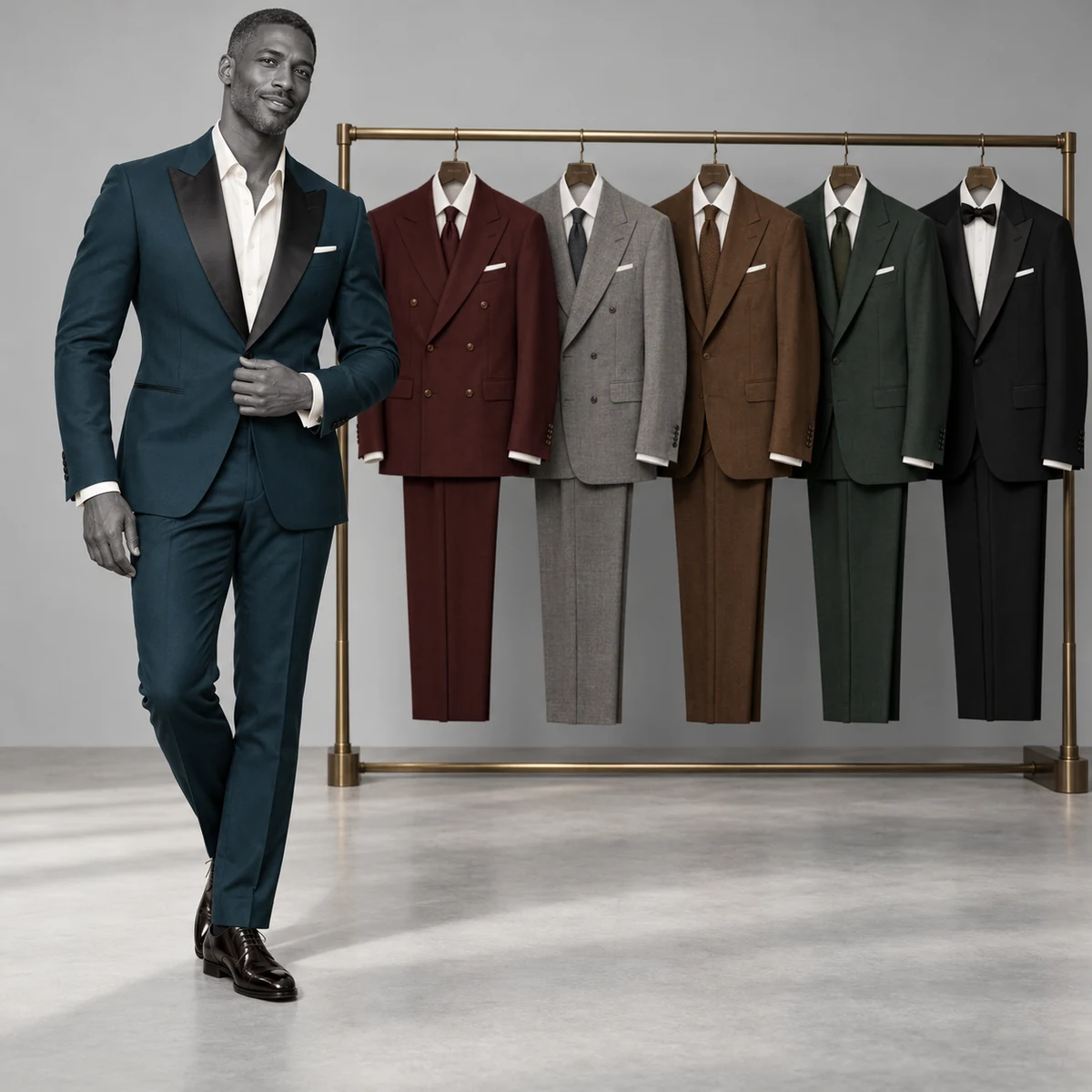
A wardrobe consultation changes the buying decision
You can have a wardrobe full of good clothes and still feel badly served by it. A suit that worked in a former role, a coat kept for one kind of travel, shirts that never sit cleanly under a jacket, a dress or tailored set saved for an occasion that never quite comes round. On paper, the wardrobe has options. On a working morning, it has friction.
A wardrobe consultation earns its keep when it changes what you buy, alter, keep and wear, not when it simply produces a new shopping list. The useful test is use. If a session saves you from another near-miss purchase, brings an unworn piece back into rotation, or shows that an alteration will solve the issue, it has created value before anything new is commissioned.
With Fielding & Nicholson, we start by asking what the garment or wardrobe has to do for you. That includes where you wear it, how you like clothes to sit, which cloths feel right for your life, and the details that make a piece feel natural on you. Style matters, but the way cloth behaves on the body decides a great deal of the outcome.
Structured styling also protects cost per wear. When each decision supports the wardrobe around it, you make greater use of each piece and spend less time reaching past clothes that almost work. That is the quiet arithmetic behind a good wardrobe edit.
What actually happens in a wardrobe consultation?
A personal styling consultation starts with your life, your clothes and the occasions that keep causing difficulty. You can arrive without trade vocabulary or a finished design. A jacket or coat you like is useful, and so are the shoes you expect to wear with the finished piece.
Most consultations follow a simple working order:
- Clarify where the clothes need to work: boardroom, travel, weddings, dinners, stage, studio or daily office use.
- Look at what already earns its place, including the pieces you reach for without thinking.
- Identify fit issues and alteration potential, such as sleeve length, trouser break, jacket balance or room through the back.
- Find gaps by occasion and rotation, so one purchase does several jobs instead of solving only one narrow problem.
- Decide what to buy, commission or leave alone, with clear reasons for each choice.
During a wardrobe assessment, the decisions become practical. Some clothes are kept as they are. Some are worth altering. Some can be donated or discarded if they no longer serve you. Others may simply need new outfit combinations, so they stop feeling like orphans in the wardrobe.
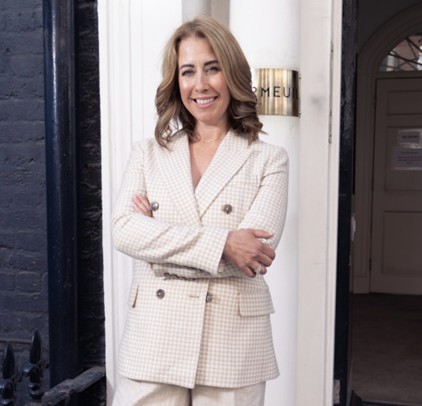
Ravi “Dapper Rav” Sagoo is the kind of stylist we would involve when colour, texture, layering and personal expression need sharper direction. Nathalie May’s experience is especially useful where wedding styling, wardrobe edits or inclusive fit needs are part of the brief. Their value sits in making the advice usable, piece by piece.
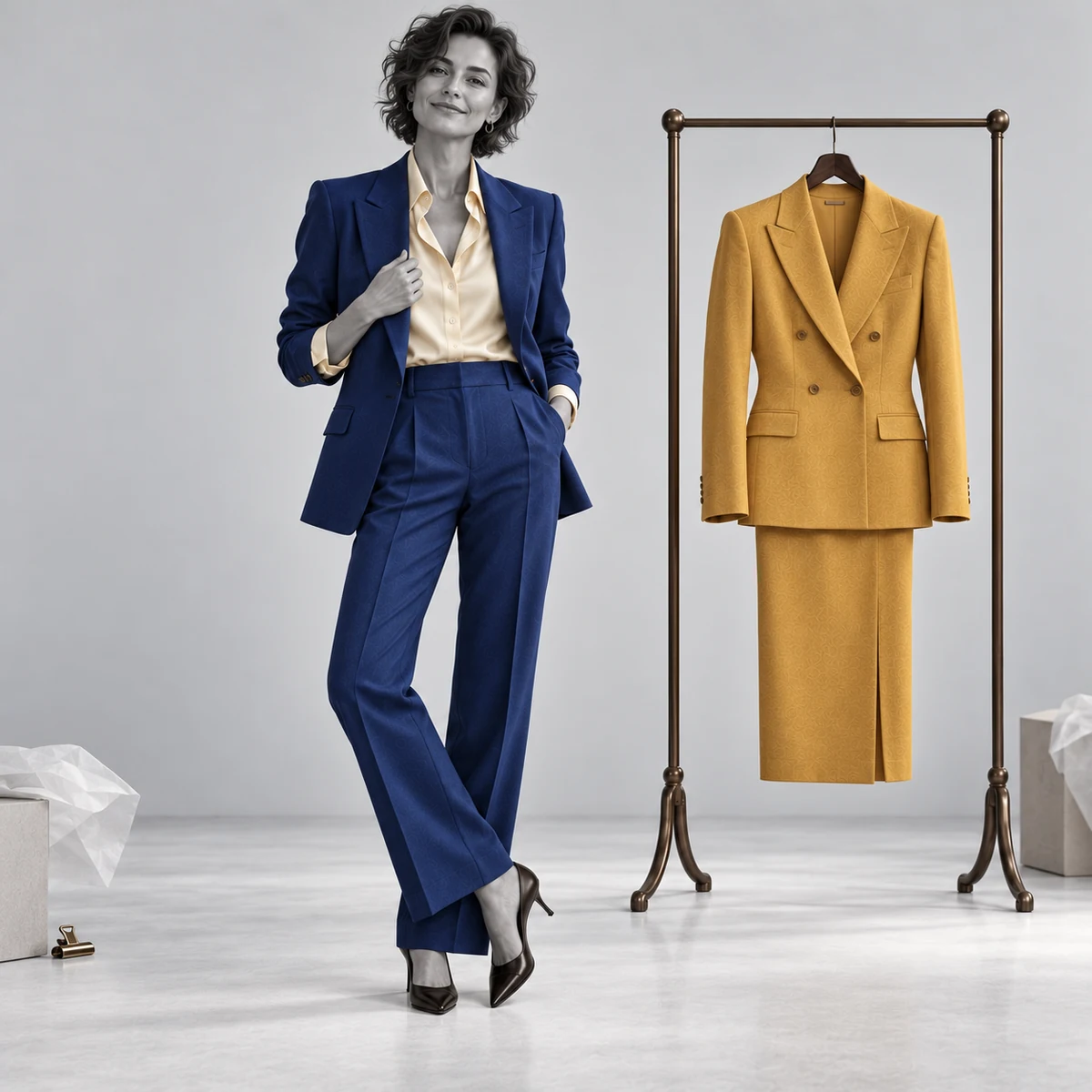
Four styling routes suit different needs
The right route depends on the decision you need to make. A broad wardrobe problem, a shopping problem and a fit-led tailoring problem each call for a different kind of help.
The table below compares the main styling routes with the job each route is best suited to.
| Styling route | What it is best for |
|---|---|
| Independent personal stylist | Broad wardrobe advice, outfit planning and shopping direction |
| Free retailer styling | Finding pieces within that retailer’s own range |
| Tailor-led consultation | Linking style to fit, cloth, alterations and future commissions |
| AI styling tool | Product discovery, outfit prompts and browsing ideas |
Across the wider UK market, a wardrobe consultant typically costs £90 to £380 per session, with an average around £160. Some retailer styling is free and useful for finding pieces from that retailer’s own range. Our consultations are free with no obligation, which makes the first conversation a diagnostic step before any decision about clothing.
A tailor-led consultation connects style to fit, cloth and future use, not only to products available that day. For Fielding & Nicholson, that means looking at how a garment will sit and move, what can be improved through alterations, and where made to measure or fully bespoke work is the better route.
AI styling tools now sit inside mainstream shopping. They are useful for browsing ideas, seeing combinations and finding products faster. Physical fit still needs a human eye, because a screen cannot check how a collar sits against your neck or how a trouser line behaves when you walk.

Pro Tip: Photograph the outfits you rely on most before you come in. Those combinations often reveal which jacket, trouser or shirt details deserve a second look.
Who benefits most from a personal stylist?
Do you need a personal stylist if you already know what you like? Very possibly, because strong taste can make the work more precise. The consultation can then focus on fit, formality, cloth and how your existing pieces work together.
A new role is a common trigger. Your clothes may still be good, yet the balance of authority and ease has changed. The aim is to build a work wardrobe that lets you move through meetings, travel and evening commitments without feeling over-dressed in one room and underprepared in the next.
Weddings, formal events, speaking work and performance bring a different pressure. The clothes have to photograph well, move cleanly and feel like you for a long day. Here, personal styling advice earns its place when it connects the look of the outfit with the practical realities of wearing it.
Changed bodies and changed routines also deserve better language than the usual style clichés. Clothes should sit, move and serve your life now. If a jacket pulls, a waistband feels wrong, or a sleeve restricts movement, the consultation should identify the cause and the best route forward.
A good wardrobe consultation for professionals also helps when the individual pieces are strong but the rotation is weak. You may own the right categories and still lack the combinations that make getting dressed quick. Better use of what already exists is often the most satisfying result.
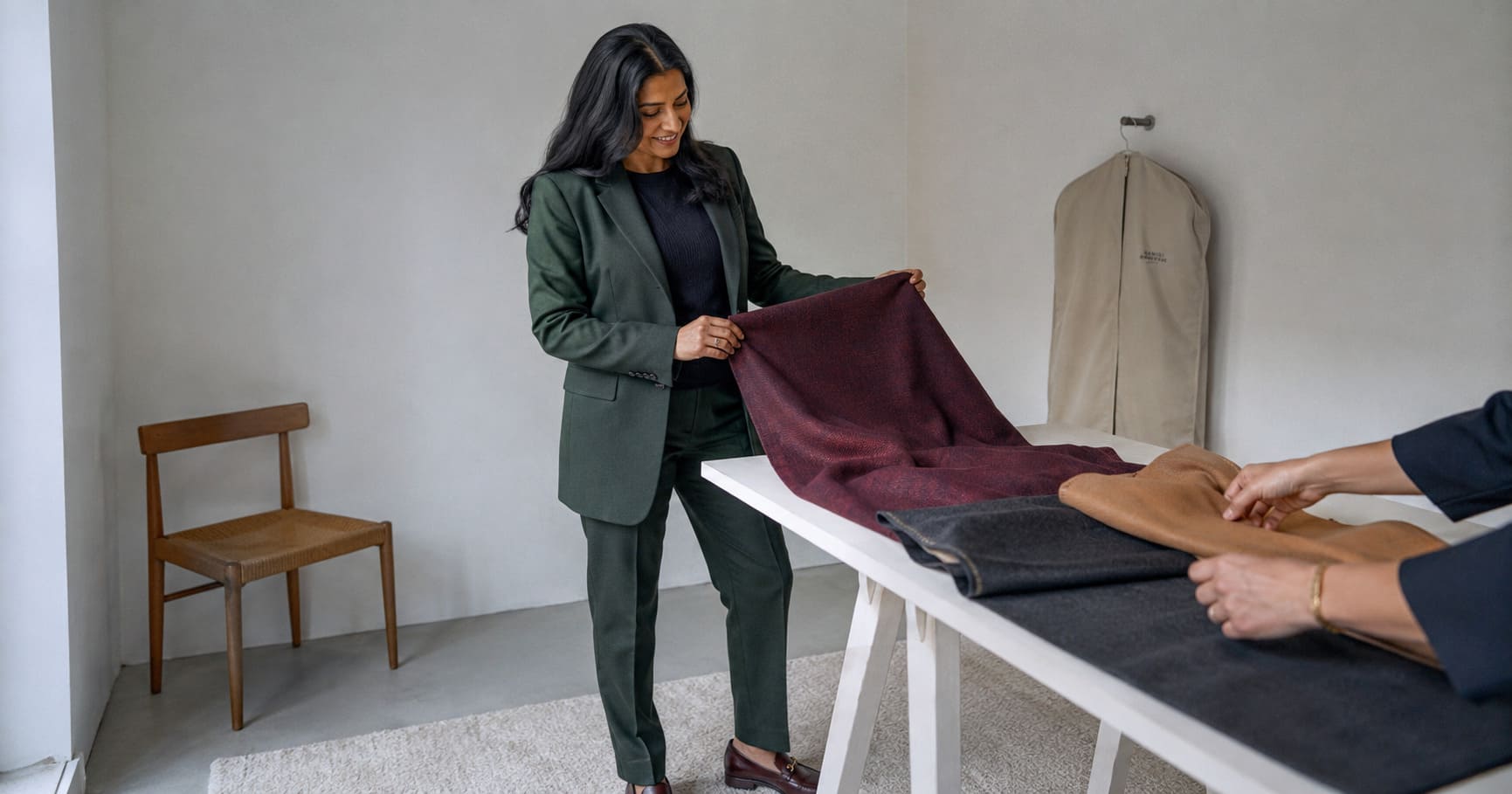
Woman wearing green trouser suit compares autumn coat fabrics during a private tailoring consultation.
Pro Tip: Bring one garment that has failed in the wardrobe for a specific reason, such as a collar that fights every jacket or a coat that never sits right over tailoring.
Bring the clothes that already tell the story
If you are unsure what to bring, start with what you already wear. The favourite jacket, the coat that always feels right, the shoes that change the way trousers sit, and the pieces you avoid all give us better information than a polished brief.
Shoes matter more than many people expect. They affect trouser break, formality and proportion, especially if you are thinking about a suit, coat or tailored separates. A dress code, work requirement or travel routine also helps us judge whether a piece needs to be sharper, softer or more adaptable.
Unworn clothes are useful as evidence. A jacket that stays on the hanger may have the right colour and the wrong balance. A shirt may be good cloth with a collar that fights every jacket. Wardrobe edit preparation is mainly about bringing the real evidence, because the clothes already know where the problem sits.
The lasting value is a wardrobe that works harder
The best consultation changes the next decision as much as the current outfit. Once you know which pieces earn regular wear, which alterations are worth doing and which gaps actually matter, buying becomes calmer and more exact.
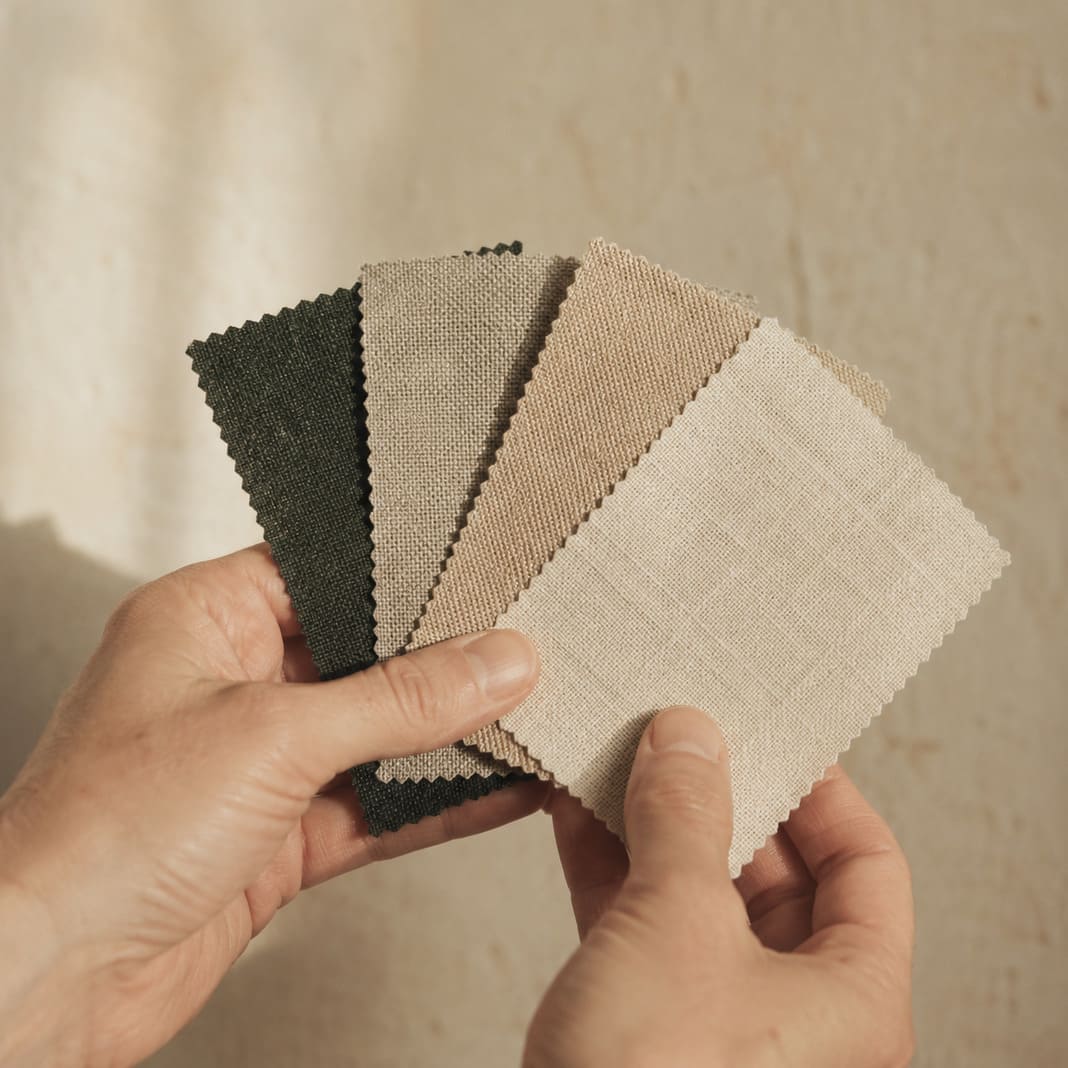
Long-term wardrobe planning is where tailoring knowledge becomes particularly useful. Alterations can rescue a piece that already has the right bones. Made to measure works when an adjusted base pattern gives the result you need. Fully bespoke is for the cases where the pattern needs to be built for you alone, with fit, cloth and use considered from the beginning.
Our structured styling work is built around wardrobe cohesion, lower decision fatigue and greater use of each piece. That sounds simple, but it changes the way clothes behave in real life. A shirt works with more than one jacket. A coat makes sense over the suits you already own. A new commission closes a gap instead of creating another isolated favourite.
Retailer suggestions and AI styling tools can widen the field of ideas. Real wear remains the test. The next piece has to sit well, move cleanly and belong with the wardrobe you are already building.
Questions we get asked about wardrobe consultations
How much does a personal stylist cost in the UK?
Across the wider UK market, a wardrobe consultant typically costs £90 to £380 per session, with an average around £160. The value depends on whether the session changes your buying, alterations and daily outfit choices.
Do you need to buy new clothes after a wardrobe consultation?
You do not always need to buy new clothes after a consultation. The result may be alterations, better outfit combinations, a clearer rotation, or a decision to leave certain purchases alone.
Can a wardrobe consultation include alterations to existing clothes?
Yes, alterations can be part of the discussion when an existing garment has enough merit to keep. We look at whether the change will improve how the piece sits and whether it will earn more wear afterwards.
Do you need to know exactly what you want before you arrive?
No, you can arrive with uncertainty. A jacket or coat you like, the shoes you expect to wear, and a few real situations you dress for are enough to start a useful conversation.
Can online personal styling help before an in-person fitting?
Online personal styling can help with ideas, outfit direction and product browsing. In-person judgement is still needed when fit, movement, cloth and alterations will decide whether the clothes truly work.