
How much time should you allow for your suit alterations?
Allow at least one week for normal suit alterations, and longer for jacket work or several changes at once. A simple trouser hem sits at the quick end; sleeves, linings, working cuffs and reshaping need more care. Rush turnaround may exist, but you should never plan around it.
Alterations change a suit after it has already been made. Full bespoke tailoring is a separate task because the garment starts with cloth, measurements and fittings before it exists as a finished piece.
The mistake we see is treating every visible change as equal. A pair of trousers shortened by a clear amount and a jacket sleeve shortened through the shoulder can sound like similar requests, yet the work behind them differs completely.
Deadline pressure matters because you need an answer before a wedding, dinner, interview or flight. The safer question is how much fitting accuracy the garment needs before anyone starts cutting.

Men's jacket sleeve fitting - Illustrative Image
A realistic timeline starts at one week
The Knot gives a grounded baseline for suit alterations: allow at least one week for ordinary work, with more complex alterations commonly taking around one and a half to two weeks. The alteration timeline is governed by garment construction and fitting risk, not by the urgency of the date.
Rush work of around 48 hours may sometimes be possible, but availability and suitability depend on the job. We would treat that as an exception for a simple alteration, never as the plan for a high-value jacket or an occasion suit.
The table below compares common alteration jobs with realistic planning timelines and the construction details that can extend them.
| Alteration job | Realistic planning timeline | What can lengthen it |
|---|---|---|
| Plain trouser hem | Plan from the one-week baseline, even if the work may be quicker | Unclear shoe choice, cuff finish or hem style |
| Trouser waist or seat adjustment | At least one week for normal planning | Several trouser changes at once or a difficult cloth |
| Jacket sleeve shortening with non-working buttons | At least one week, subject to fitting | Lining, button spacing or pattern matching |
| Jacket sleeve shortening with working cuffs | Allow extra time for assessment | Working buttonholes, shoulder route or sleeve balance |
| Jacket tapering or reshaping | Needs assessment before timing is agreed | Lining, vents, canvas and the way the jacket sits |
| Shoulder, lapel or major length work | Needs assessment before timing is agreed | Some changes sit outside normal alteration work |
The table is a planning guide. Timings still depend on what the tailor finds at the fitting.
Simple trouser work can move fastest
A trouser hem moves quickly when you bring the shoes you will actually wear and decide the break at the first fitting. The tailor can then mark the length with the trouser sitting as it will sit on the day, which removes guesswork from the workshop.
Shoe choice matters because a formal shoe, boot or heeled shoe changes how the cloth falls. For womenswear and inclusive tailoring, heel height and intended styling can alter the hem decision just as much as the trouser itself.
Waist and seat work takes more judgement than a plain hem. Tapering also changes the line of the trouser, so several small requests can turn a quick suit alteration into a moderate one.
Fast trouser work still depends on accurate fitting.

Women's trouser hem fitting - Illustrative Image

Pro Tip: Ask whether the price can change once the garment is opened up. Some jobs only reveal what they involve when the lining comes out, and that is easier to agree before the work starts than after.
Jacket alterations take longer for structural reasons
Jacket work takes longer because the visible request can hide several layers of work. A sleeve, shoulder or body alteration may involve the lining, canvas, vents or the way the jacket balances on you.
Working cuffs change sleeve timing
Shortening suit jacket sleeves is straightforward only when the construction allows it. Non-working sleeve buttons can often be moved more easily, so the cuff end gives the tailor more room to adjust the length.
Working buttonholes usually add complexity to sleeve work, not convenience. Once real buttonholes are cut into the cloth, they cannot simply be sewn up cleanly, so the sleeve may need a different route, including work from the shoulder.
That is why jacket sleeve shortening takes a different amount of time from one jacket to another. The cuff may look like a small detail, but it decides the method.
Shoulders, lapels and length need caution
Shoulder work sits in a different category from a hem or a waist adjustment. The shoulder sets much of the jacket’s balance, and changing it can affect how the sleeve hangs and how the front of the jacket closes.
Major lapel changes, button profile changes and substantial jacket length changes also deserve caution. Some requests produce an altered jacket that looks altered, which is rarely the result you want from a dinner suit, wedding suit or business suit.
Because Fielding & Nicholson works with bespoke and high-value garments, we treat construction assessment as part of the alteration decision. Professional alterations sometimes mean slowing the process down or declining a change, because the finished garment deserves that honesty.
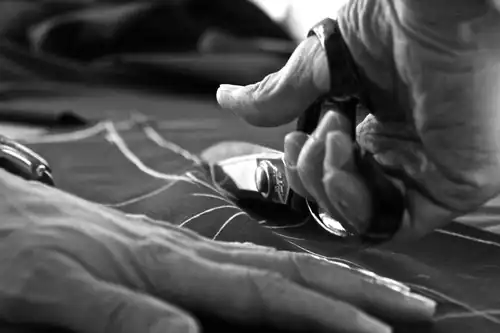
tailor cutting suit cloth with traditional shears
Prepare the fitting so timings stay accurate
When you are working back from an event date, the fitting is where the timeline really begins. The better the information at that appointment, the easier it is for us to give a reliable suit alterations turnaround time.
Across London, Manchester, Zurich and New York, at Fielding & Nicholson we use appointment-led fittings because alteration decisions depend on how the garment sits on you, with the right pieces around it.
Bring or wear the items that affect fit:
- Shoes. Bring the shoes you will wear with the suit, especially for trouser hems and heel height.
- Undergarments. Wear the undergarments that change shape, support or how the jacket closes.
- Shirt or waistcoat. Bring the shirt, waistcoat or knitwear that belongs with the suit if it affects sleeve length or jacket room.
- Intended use. Tell us whether the suit is for a wedding, dinner, business travel or regular office wear, because styling choices change the target fit.
- Clean garment. Bring the garment cleaned or laundered where appropriate, so shrinkage has already happened before the alteration is marked.
Before you leave the fitting, make sure the agreed work and collection date are recorded clearly.

Pro Tip: Ask what happens if the fit is not right at collection, and whether a correction fits inside the timeline you have been given. Building that in is the difference between a deadline and a hope.
Some alterations need a different plan
A suit that almost fits can lead to optimistic decisions. Letting out a jacket or trouser depends on the seam allowance left inside the garment and on previous work, so making a finished suit bigger has real limits.
Shoulders, armholes, lapels and jacket length sit in the caution zone. A small adjustment may be possible, but a major change can move the garment beyond what alteration can handle cleanly. At that point, the better plan may be a smaller change, a longer timeline or a different garment.
Outside garments are best assessed case by case, which is how we approach them in our own work. Our own bespoke process typically takes 6 to 8 weeks because it begins before the garment exists, so it should never be confused with altering a finished suit before an event.
Once you separate the job type, construction, fitting count and final finishing, the deadline stops being a guess. You know exactly what to check before trusting the date.

Modern women's tailoring trouser fitting - Illustrative Image
Questions we hear about suit alteration timing
Which jacket changes are usually off the table?
Changing the button profile cannot be done cleanly, lapel changes are mostly not recommended, and a jacket can usually only be shortened by a small amount. If your request falls into one of those, the honest answer is often a different garment rather than a longer timeline.
Can previous alterations limit what we can do now?
Yes, previous work can use up spare cloth inside the seams. We need to inspect the garment before saying whether it can be let out or reshaped again.
Can women’s and non-binary suit alterations follow the same timing bands?
Yes, the same broad timing logic applies, but the fitting details may differ. Heel height, body shape, styling preference and the way the garment is worn all affect the alteration decision.
Should a dinner suit be altered differently from a business suit?
The sewing principles may be similar, but the target fit can differ. A dinner suit usually needs to work with formal shoes, a dress shirt and any waist covering, while a business suit needs comfort across repeated wear.
Does a second fitting mean something has gone wrong?
No, a second fitting is often a sensible check on more involved work. It gives the tailor a chance to refine the fit before final pressing and collection.