
Can you wear linen in September?
Yes, you can wear linen in September, but we would keep it selective. A linen shirt or overshirt can still work on warm afternoons, while pale linen suits usually step back sooner. Judge the garment by cloth weight, colour, setting, layering and the weather outside your door.
A full linen look fades before a linen shirt does. September dressing works best as a rotation, with summer pieces leaving at different speeds and lightweight wool coming in before heavier winter cloth.
Use these checks before you decide:
- Weather first: warm, dry afternoons still favour linen, especially close to the skin.
- Garment type: a shirt is easier to keep wearing than a full linen suit.
- Occasion: work, weddings and evening events usually ask for more structure.
- Colour: deeper shades carry linen into early autumn better than pale summer tones.
- Layering: a wool jacket over a linen shirt can look right when a full linen outfit feels too summery.
Recent weather makes fixed clothing dates look rather silly. The Met Office reported 2025 as the UK’s warmest year on record, with a mean temperature of 10.09°C. Early autumn dressing needs room for warm days as well as damp evenings.
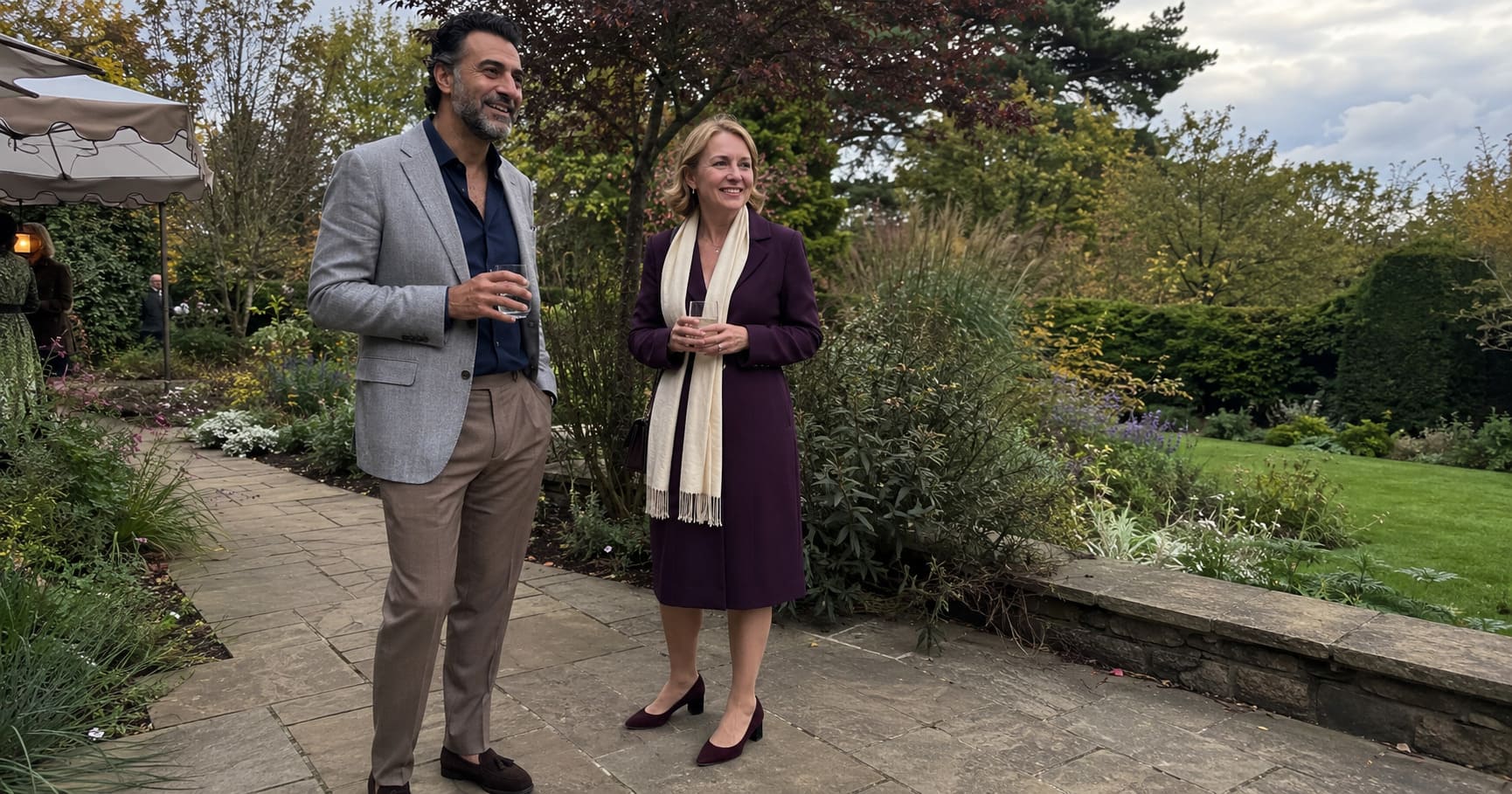
Man wearing grey blazer and woman wearing burgundy tailoring stroll through landscaped autumn gardens.
What Is In This Article
The September switch is about cloth behaviour
Fabric choice in September works when you ask how the cloth behaves on the body. Linen, wool, hopsack and fresco all answer different problems: heat, damp air, shape, crease, airflow and formality.
In our cloth conversations at Fielding & Nicholson, we start with the life of the garment. A jacket for travel, meetings and evening dinners needs a different cloth from a shirt worn open-necked at lunch. Fibre matters, but the finished garment matters just as much.
Linen still earns its place
Linen remains useful because it lets air move and deals well with warmth. On a mild September day, a linen shirt under a relaxed jacket can feel far better than a dense cotton shirt that holds heat against the skin.
Its drawback is visual as much as physical. Linen creases, softens and collapses in a way that reads relaxed. That can look excellent in daylight and casual settings. Yet the same rumpled surface can feel underdressed at a formal dinner or a September wedding once the light drops and everyone else has moved into sharper cloth.
Linen also changes by weight and weave. A fine linen shirt has a longer season than pale linen trousers because the shirt sits closer to the body and can disappear neatly under a jacket. A loose, pale linen suit announces summer much louder.
Lightweight wool arrives before heavy wool
Wool is often misunderstood in September. Heavy tweed and dense flannel belong to colder days, but lightweight worsted wool, fresco and hopsack can work much earlier because they hold shape without feeling wintery.
Wool also handles moisture better than many men expect. Woolmark states that wool can absorb up to 35% of its weight before feeling wet against the skin. This explains why a lightweight wool trouser can feel composed on a cool, damp commute. The cloth has structure, but it does not have to feel stifling.
Fresco and hopsack deserve particular attention in a men’s September wardrobe. Both can give a jacket some air and texture, so you gain a cleaner line without jumping straight into heavy autumn tailoring.
The garment decides the timing
Men should rotate linen by garment because a shirt, trouser and suit do not send the same seasonal message. The most useful September wardrobe keeps the quiet pieces working and retires the loud summer pieces first.
Here is the simple order we use when judging the change from linen to wool.
| Garment | September judgement | First rotation move |
|---|---|---|
| Linen shirt | It can stay in use longest, especially under knitwear or a wool jacket. | Keep it in deeper colours or softer neutrals. |
| Linen trousers | They need more judgement because crease, colour and drape are highly visible. | Move into lightweight wool trousers or brushed flannel when evenings cool. |
| Linen suit | It steps back earlier, especially if pale, unstructured or strongly summery. | Use a wool jacket with separate trousers for a more settled look. |
| Wool jacket | It comes forward early because it gives shape without forcing a winter outfit. | Choose lightweight worsted, hopsack or fresco before heavier cloth. |
| Tweed jacket | It needs cooler weather and more visual weight around it. | Hold it back until the rest of the outfit can support it. |
A linen suit can still work in September if the day is warm, the setting is relaxed and the colour has enough depth. For business dressing or occasionwear, the cleaner line of wool usually looks more assured.
The same logic applies to a September wedding. A linen shirt may be perfectly judged under a wool jacket. A pale linen suit can make you look as though the invitation arrived in July.


Pro Tip: Treat linen shirts as the easiest piece to keep in rotation through early September, especially when you can layer them under a wool jacket. Their usefulness rises when the colour is deeper and the setting is less formal.
The colour and layer test sharpens the choice
Picture the same linen shirt worn two ways. With pale trousers, suede loafers and no jacket, it still looks like summer. Under a darker wool jacket with leather shoes and a knitted tie, the shirt becomes a breathable layer inside an early autumn outfit.
Colour carries a large part of the signal. Navy, tobacco, olive, brown and deeper neutrals make linen feel less tied to high summer, while white and pale beige keep pulling the eye back to hot weather. Texture does similar work: wool gives a cleaner line, linen brings movement and rumple.
Layering matters because September rarely gives you one temperature all day. A commute can start cool, an office can feel warm, and dinner can shift the mood again. We like a linen shirt under lightweight wool because the two cloths solve different parts of the day.
Fielding & Nicholson often proves most useful here when we are building separates that speak to each other across seasons. A wool-linen jacket, wool-silk-linen blend or versatile flannel trouser can bridge the gap without making the wardrobe feel split between holiday clothes and winter suits.
Shoes and accessories finish the adjustment. Darker leather, suede, a knitted tie or a deeper belt can settle an outfit quickly. If those details still look summery, the linen will look summery too.
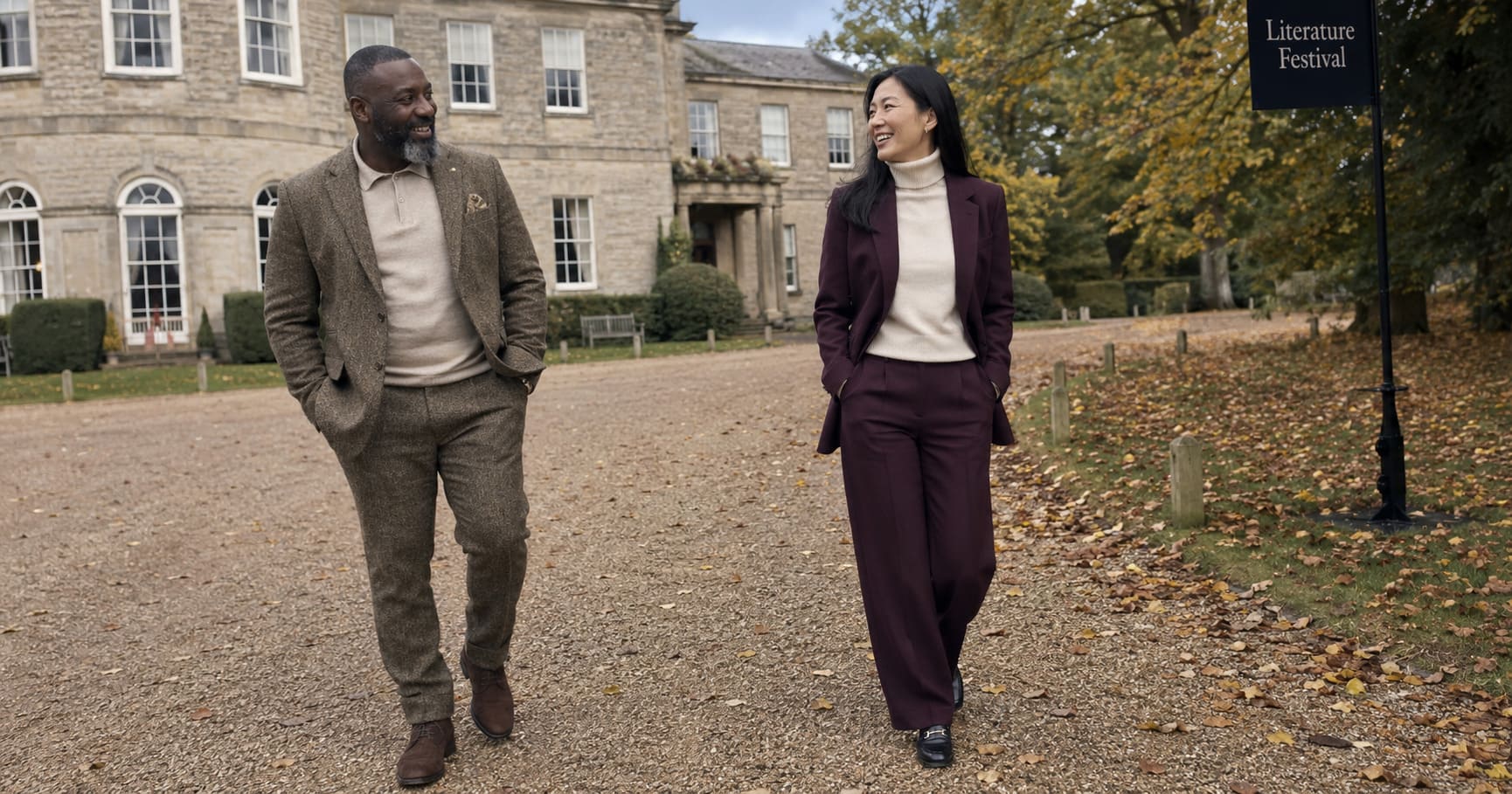
Man wearing beige safari jacket and woman wearing burgundy tailoring walk through autumn parkland.

Pro Tip: Bring wool forward through jackets and trousers before you retire linen completely. Lightweight worsted, fresco and hopsack give structure early, while still feeling appropriate for warmer days.
The best September wardrobe works by rotation
The better question is not the date linen ends. The better question is which pieces still earn their place on the day you are dressing for.
A good September wardrobe keeps linen shirts and quiet casual layers close at hand, brings forward lightweight wool jackets and trousers, and leaves heavy cloth waiting until it has a reason to appear. Blends also help because they soften the join between warm afternoons and cooler evenings.
Storage should be selective. Pale linen suits, very light trousers and high-summer colours can move out earlier, while useful shirts and understated overshirts remain within reach. That small distinction prevents the clumsy seasonal switch that leaves you either overdressed for the afternoon or underdressed by dinner.
Bespoke tailoring adds value because cloth, cut and use are judged together. A jacket with the right structure, a trouser with the right drape and a shirt that layers cleanly will do more for September than a rule about linen or wool ever will.
The sharper question is simple: which pieces still work today, and which pieces are asking too much of the weather?
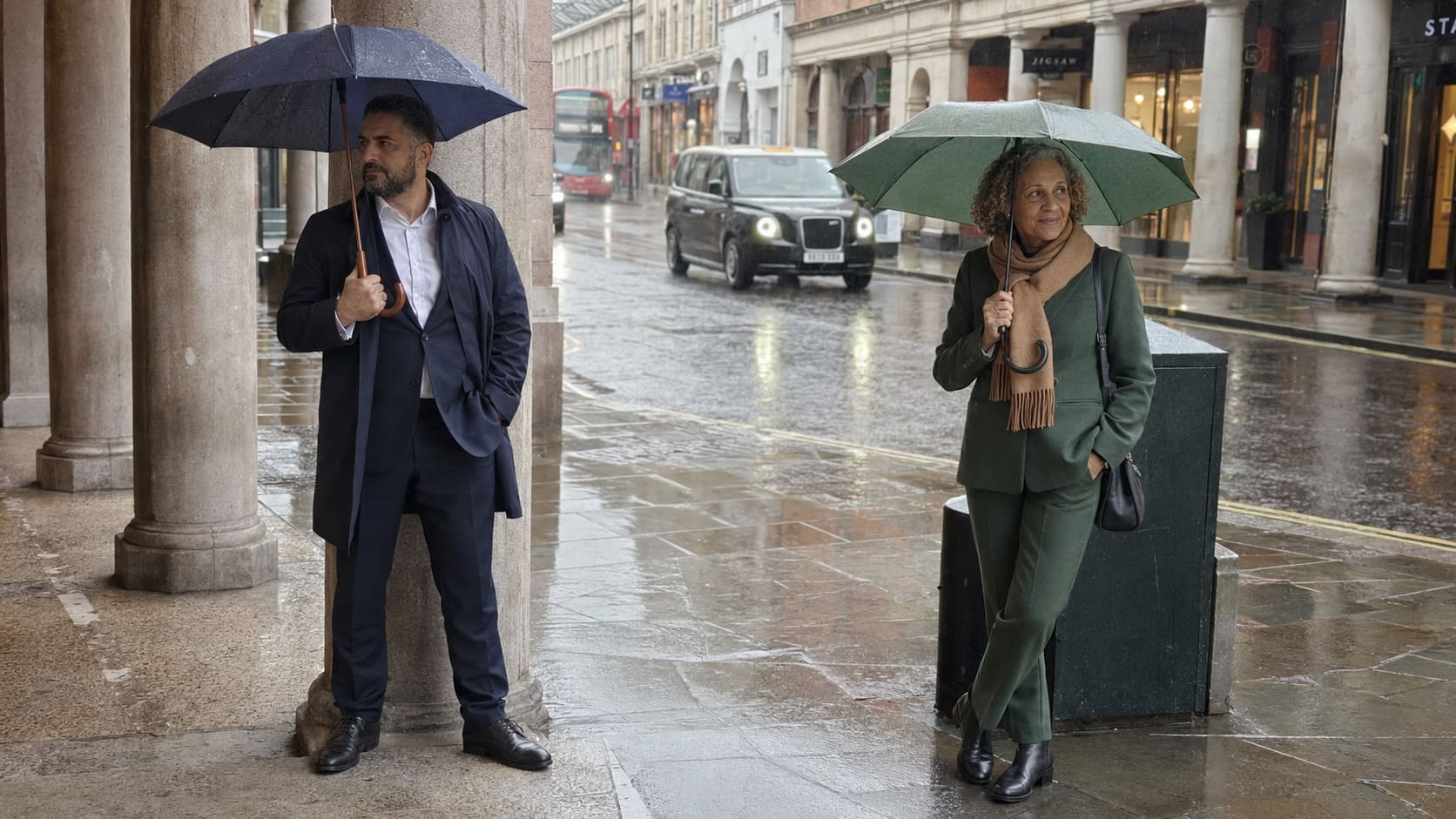
Man wearing grey suit and woman wearing green tailoring discuss comfortable bespoke fit outdoors.
Questions we get asked about September fabric choices
Is wool too warm for September?
Wool is not automatically too warm for September. Lightweight worsted wool, fresco and hopsack can feel comfortable in early autumn because they give shape while still allowing the outfit to breathe.
Can you mix linen and wool in one outfit?
Yes, linen and wool can work very well together. A linen shirt under a wool jacket is one of the cleanest ways to keep cool in the afternoon while looking right for evening or work.
Can linen trousers be worn in autumn?
Linen trousers can work in early autumn if the cut, colour and setting feel restrained. Pale, loose or strongly summery linen trousers usually step back sooner than darker, sharper pairs.
Should flannel trousers come out in September?
Flannel trousers can come out when the weather and setting call for more warmth and texture. For early September, lightweight wool trousers are usually easier to wear than heavier brushed flannel.
Do linen certifications matter when choosing cloth?
Certifications such as European Flax and Masters of LINEN can give useful information about provenance. We still judge the cloth in the hand, because weight, weave and finish decide how the garment will wear.