Do you need morning dress for Royal Ascot, or is a normal suit acceptable?
It depends on which enclosure you are attending. Morning dress is required in the Royal Enclosure, whereas a normal suit may be acceptable in other areas if it meets the stated Royal Ascot dress code. The key point is that Royal Ascot does not apply one rule across the whole event, so your ticket and enclosure matter as much as the outfit itself.
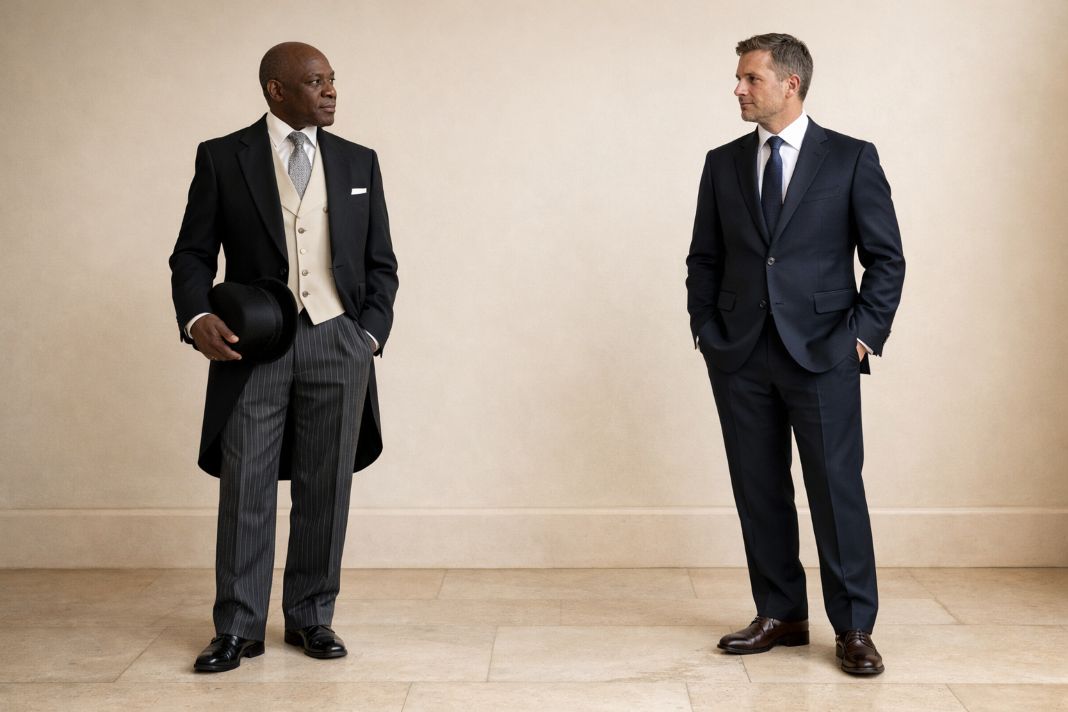
Illustrative Image - Morning Dress vs Normal Suit for Royal Ascot
What Is In This Article
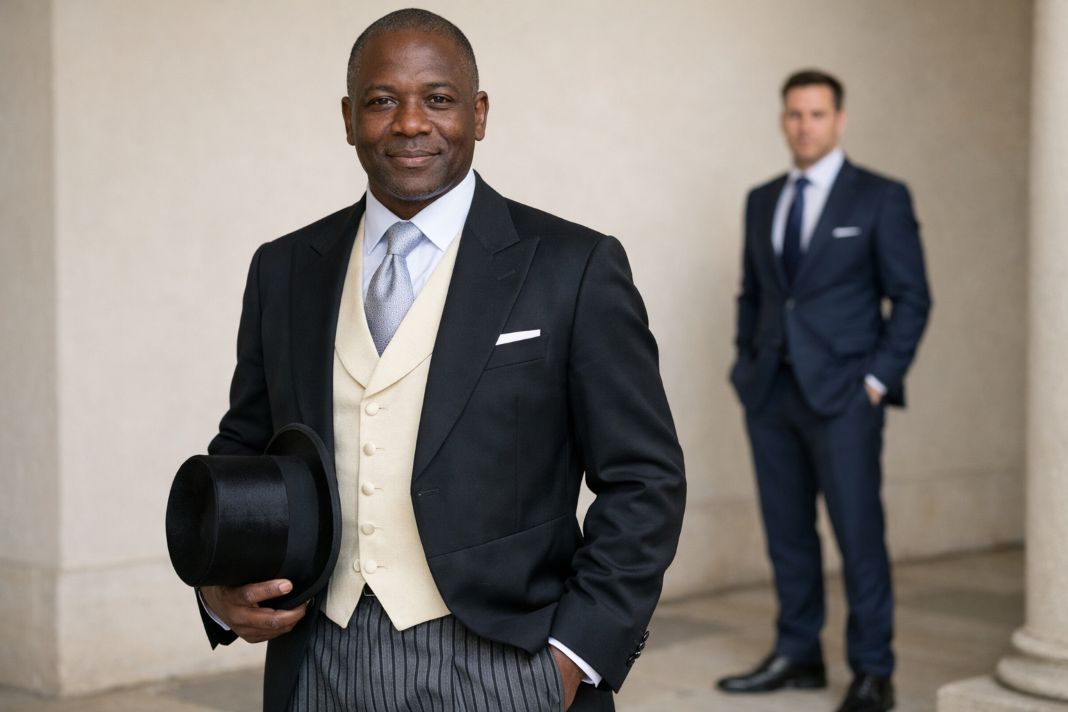
Illustrative Image - Morning Dress vs Normal Suit at Royal Ascot
Understanding the Royal Ascot Dress Code
Royal Ascot has long been associated with formalwear, etiquette and close attention to detail. That reputation comes from its place in the British social calendar and from the way Ascot Racecourse maintains standards across different enclosures. For many guests, the confusion starts with one simple assumption: that all areas demand the same level of dress.
They do not. The Royal Ascot dress code changes according to where you will be spending the day, and the difference between one enclosure and another can be significant. A guest dressed appropriately for the Queen Anne Enclosure may still be underdressed for the Royal Enclosure.
Here is a simple guide to the main tiers:
- Royal Enclosure: Morning dress is required for men. This is the most formal standard and is closely tied to tradition and invitation etiquette.
- Queen Anne Enclosure: A formal suit is generally expected. A matching two or three-piece suit with shirt and tie is usually the benchmark.
- Village Enclosure: Guests are still expected to dress smartly and with occasion in mind, although the requirements are less formal than the Royal Enclosure.
- Windsor Enclosure: The mood is more relaxed, but race day dressing still matters and sportswear or overly casual clothing does not fit the setting.
Part of the uncertainty comes from the phrase "formal enough". In everyday life, that often means a dark business suit. At Royal Ascot, formalwear at Ascot can mean something much more specific, particularly once morning dress enters the picture. Dress code enforcement is also taken seriously, so guessing can be risky in a way it would not be at many other summer events.
Tradition still shapes these rules, yet the guidance is clearer than many people expect. Once you read the enclosure guidelines closely, the difference between acceptable and unsuitable clothing becomes much easier to judge.

Pro Tip: Consider booking your tailoring appointment well in advance of Royal Ascot to ensure enough time for necessary alterations.
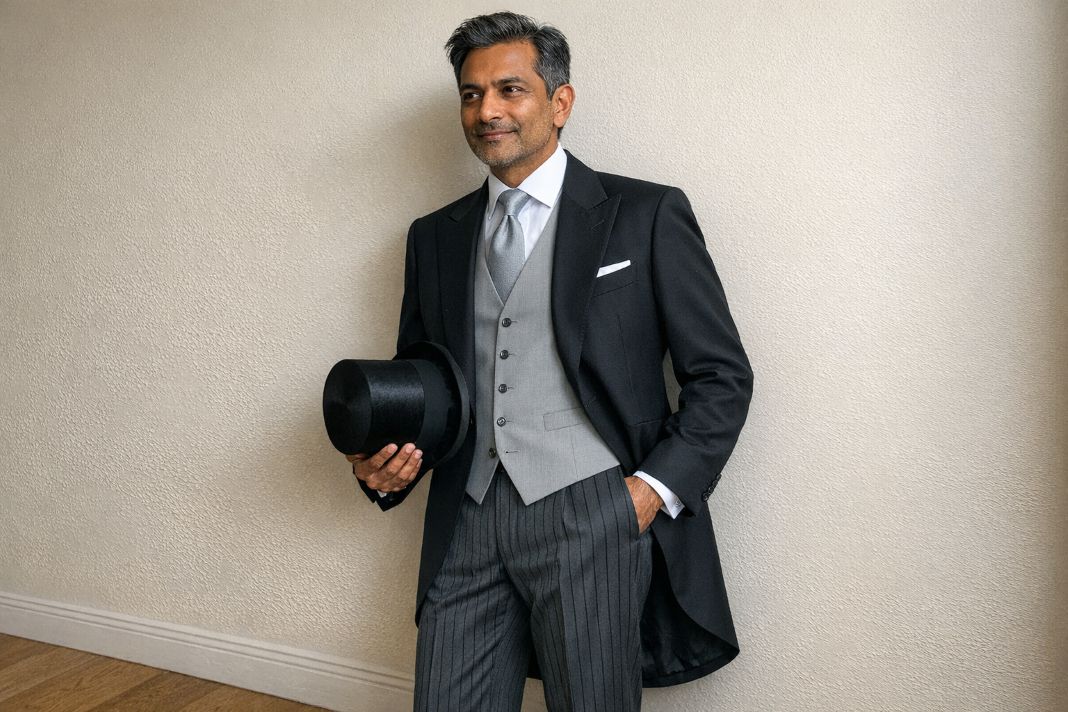
Illustrative Image - Morning Dress Menswear
What Is Morning Dress and Why Is It Required?
Morning dress is a traditional daytime formal outfit. For Royal Ascot, it usually means a black or grey morning coat, a waistcoat, striped or otherwise formal trousers, a shirt, a tie, and a top hat. It is a distinct category of dress, not simply a smarter version of a business suit.
British formalwear developed clear hierarchies over time, and morning dress became the established standard for major daytime ceremonial occasions. Royal Ascot keeps that standard in the Royal Enclosure because the event still places a high value on occasion dressing and visible respect for formality.
The main parts are straightforward:
- Morning coat: A coat cut specifically for morning dress, with a front that curves away into tails at the back.
- Waistcoat: Usually single or double-breasted, adding structure and formality to the outfit.
- Formal trousers: Separate from the coat, often in a striped pattern or another traditional morning dress style.
- Shirt and tie: A proper collared shirt with a tie, chosen with restraint rather than office wear habits.
- Top hat: A standard requirement in the Royal Enclosure and one of the clearest markers that the outfit is complete.
A lounge suit, even an excellent one, does not become morning dress because the cloth is luxurious or the fit is sharp. The shape of the coat, the use of separate formal trousers and the presence of the top hat all signal a different level of dress. That distinction matters because Ascot morning dress rules are based on established forms, not on whether an outfit merely looks polished.
Some guests assume there is room to improvise if the overall impression feels formal. In practice, morning dress requirements are specific enough that substitutions often miss the mark. A dark suit with a waistcoat may look elegant, but it still does not answer the Royal Enclosure standard.
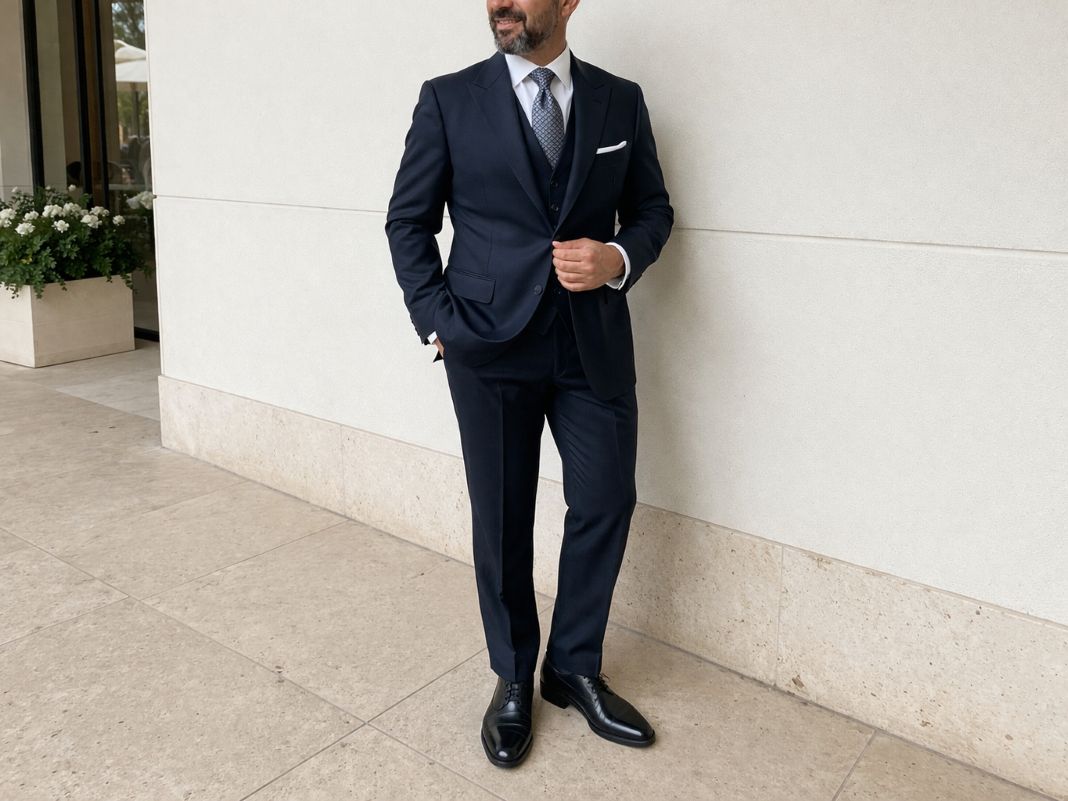
Illustrative Image - Formal Lounge Suit for Ascot
Can You Wear a Normal Suit to Royal Ascot?
Yes, you can wear a normal suit to Royal Ascot in some enclosures, but not in the Royal Enclosure. That is the clearest answer.
A normal suit in this context usually means a lounge suit or business suit. If it is well cut, properly fitted and styled with a shirt and tie, it may suit the Queen Anne Enclosure and some other areas. Even so, a suit that works for the office can still feel out of place at Ascot if the cloth, colour or finishing details are too ordinary.
The practical comparison looks like this:
- Royal Enclosure: No, a normal suit is not enough. Morning dress is required.
- Queen Anne Enclosure: Yes, a formal matching suit is generally appropriate.
- Village Enclosure: A smart suit usually works well if it respects the event's tone.
- Windsor Enclosure: A suit can still be a good choice, though guests have more flexibility.
Dress code stewards are there to enforce the published standards. That means underdressing is not simply a style issue. It can affect entry, access, and the ease of your day. Anyone searching "can I wear a suit to Ascot" usually needs to know one thing above all else: whether their ticket puts them under morning dress rules.
A good lounge suit can look excellent in the right enclosure. In the wrong one, it will stand out immediately for the wrong reason, especially beside rows of morning coats and top hats.

Pro Tip: Lay out your complete outfit, including accessories, at least a few days before the event to avoid last-minute surprises.
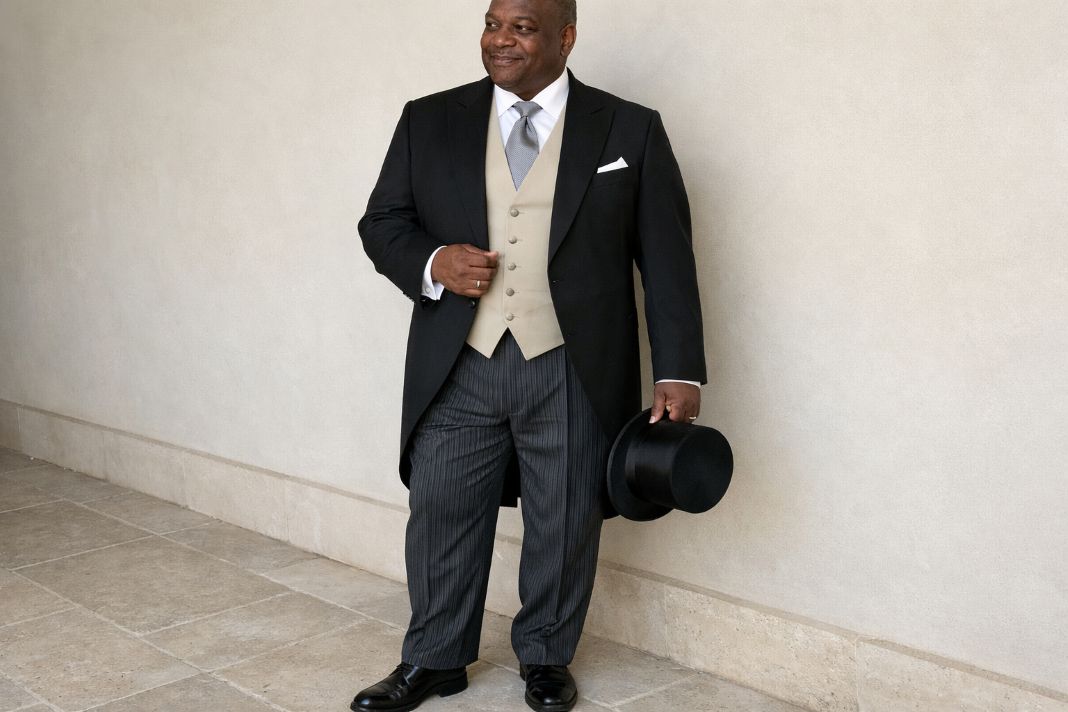
Illustrative Image - Royal Ascot Morning Dress Black Tailcoat Grey Waistcoat and Top Hat Style
Choosing the Right Tailoring for Royal Ascot
Clothing that meets the rules on paper still needs to work in real life. Royal Ascot involves hours on your feet, summer weather that can shift across the day, and close scrutiny of details that might go unnoticed at another event. Fit, comfort and balance matter almost as much as dress code compliance.
Off-the-rack morning dress can be a practical route for some people, particularly if time is short. The difficulty is that formal garments with this level of structure often need adjustment through the shoulder, waist, sleeve, trouser line or coat length before they look settled on the body.
Bespoke morning dress offers a different experience because the pattern is built around the wearer rather than adapted afterwards. That can be especially useful for anyone whose proportions are hard to fit in standard sizing, or for those who want a more considered approach to cloth, waistcoat shape and overall silhouette.
A few areas deserve attention before the event:
- Fit through the coat and waistcoat, so the outfit looks clean when standing and sitting.
- Trouser break and shoe choice, because formal trousers can lose their line quickly if the length is off.
- Accessories, including tie, pocket square and top hat, so the outfit feels coherent rather than assembled at the last minute.
Inclusive tailoring also matters here. Royal Ascot dressing is often discussed in very fixed terms, yet formalwear can still be approached with sensitivity to body shape, gender expression and comfort. Experienced professional tailors, including teams such as Fielding & Nicholson, may guide clients through those decisions in a way that respects both the rules and the wearer.
One person may want a very traditional black morning coat with a pale waistcoat. Another may prefer a quieter interpretation with subtle texture and a cleaner line. Both can sit comfortably within Ascot enclosure guidelines if the structure is correct and the details are chosen with care.
Common Mistakes and How to Avoid Them
Most Ascot dress code mistakes happen because people rely on assumptions. A guest sees the word "formal", thinks of a wedding or office event, and stops there. Royal Ascot usually asks for more precision than that.
The most common problems include:
- Reading the general event guidance but missing enclosure-specific rules. Always check the exact standard for your ticket.
- Treating a business suit as interchangeable with morning dress. The two are not the same in cut or etiquette.
- Leaving accessories too late, including hats, shoes and ties. A correct coat can still be undermined by the wrong finishing pieces.
- Assuming that "smart" means fashionable. At Ascot Racecourse, dress code stewards are looking for compliance first.
- Ignoring alterations. Sleeves that are too long or trousers that sit badly can make formalwear look borrowed rather than intentional.
Timing also catches people out. Morning dress and formal occasionwear usually need trying on well before the event, especially if alterations are needed. Last-minute fixes are sometimes possible, but they narrow your options and can leave you settling for details you would have changed with more notice.
A sensible approach is to lay everything out in full several days ahead, including shirt, tie, socks, shoes and hat. That simple check often reveals the missing piece long before race day.
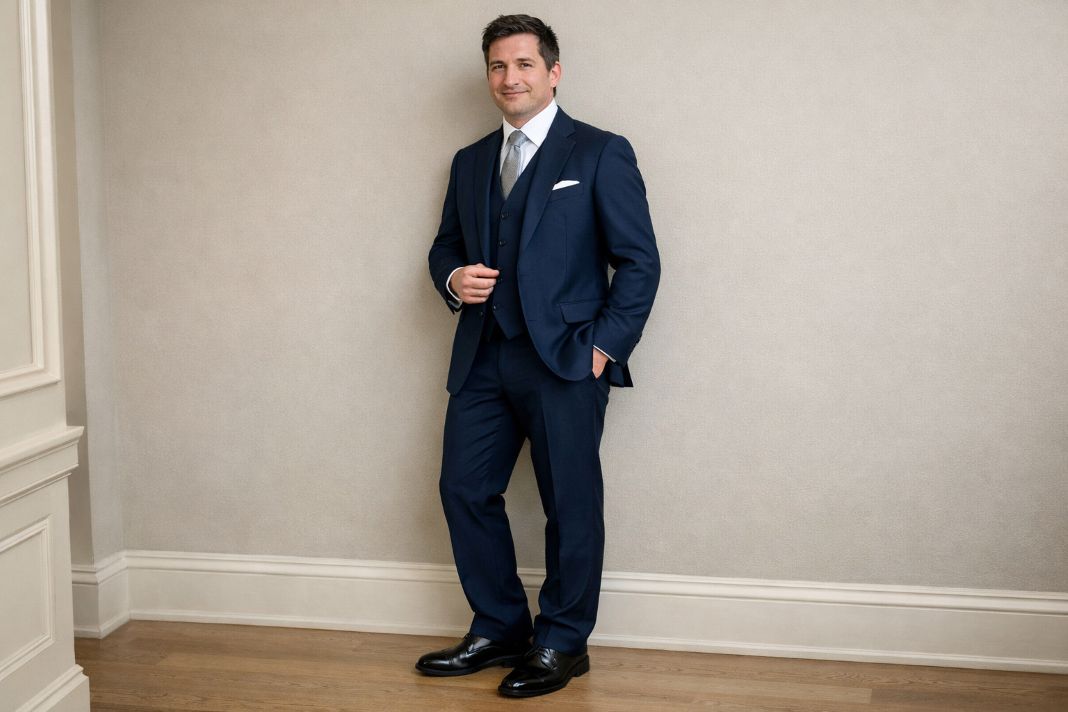
Illustrative Image - Navy Formal Suit for the Queen Anne Enclosure at Royal Ascot
Looking Beyond the Rules: Personal Style and Modern Etiquette
Royal Ascot dressing is often framed as a matter of strict obedience, yet that misses something important. Once the formal structure is in place, personal style still has room to breathe.
Colour is one way to express that. A waistcoat can soften or sharpen the mood of the outfit. Cloth texture can add depth without making the look feel theatrical. Tie choice can shift the whole impression from stiff to assured. None of those details need to fight tradition to feel individual.
Modern British tailoring has also widened the conversation around who formalwear is for and how it should fit. Inclusive tailoring has become more visible, which means that guests are better served by approaches that respect different body shapes, identities and preferences without losing sight of etiquette. That change does not weaken occasion dressing. It makes it more thoughtful and more wearable.
A tailoring house such as Fielding & Nicholson may approach Ascot preparation with that balance in mind, combining technical fit with a sense of personal expression. The most successful outfits usually do the same thing quietly. They meet the rules, sit naturally on the wearer and avoid looking as though every element was chosen to make a point.
Royal Ascot will probably remain one of the clearest examples of dress codes that still carry real weight. Even so, the best modern formalwear does not feel like costume. It feels precise, comfortable and self-assured, which is exactly why the distinction between morning dress and a normal suit matters in the first place.