How much should suit alterations cost in the UK?
Suit alteration costs in the UK are best judged by the work inside the garment, not the visible size of the change. Simple trouser hems can sit in a low bracket, while sleeve crowns, shoulders and linings cost more because the tailor must open, rebuild and finish the suit cleanly.
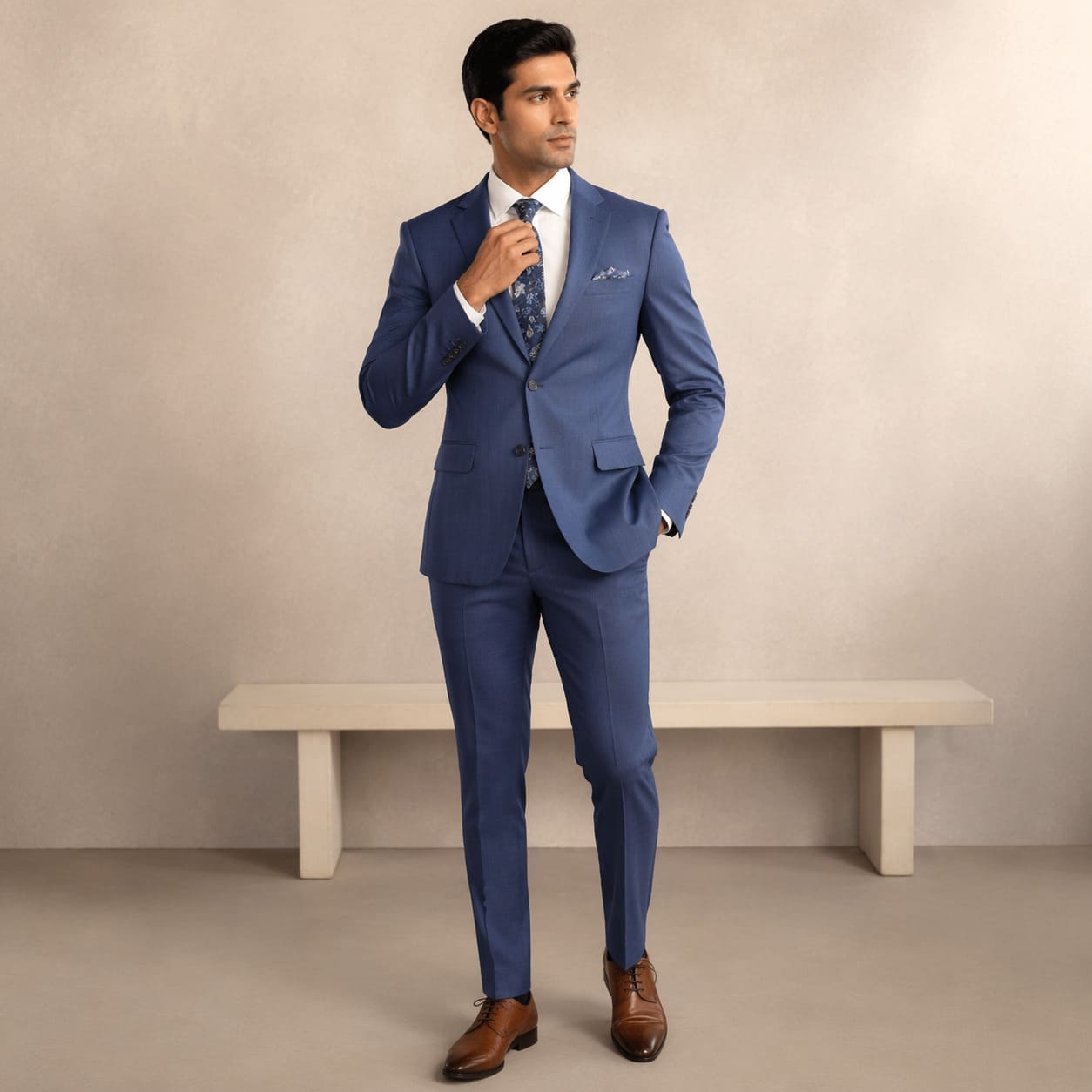
Groomsmen, Best Men and Fathers – Blue tailored suit with white shirt and tie – Sample Image
What Is In This Article
The Price Reality
No reliable national average exists for UK suit alterations because suits are built in very different ways. A lined jacket, a canvassed coat, a dinner suit, a business suit and a shirt may all need “taking in”, but the work behind that phrase can vary sharply.
Visible size is a poor guide to price. Removing a small amount from a jacket shoulder can require more skill, access and rebuilding than shortening a pair of trousers. Cloth allowance, lining, original finish, buttonhole placement and balance all affect the final work.
Published tailoring alteration prices are useful as reference points, not fixed promises for every garment. A proper assessment means the garment is tried on, pinned and checked before the scope is confirmed. The better question is what is cheapest? No, it is whether the alteration suits the garment, the fit problem and the way it will be worn.
UK Alteration Price Guide
Specialist tailoring price lists show why a realistic suit alterations price guide needs separate categories. Based on the Fielding & Nicholson Tailoring alteration price list, the examples below show how price signals change once the work moves from simple adjustment into structured jacket work.
| Garment area | Common alteration | Typical listed price signal and complexity note |
|---|---|---|
| Jacket sleeves | Shorten or lengthen sleeves | £80 when sleeve work is straightforward from the cuff area |
| Jacket sleeves | Lengthen sleeves with extra buttonholes | £120 because buttonhole work changes the finish and detail |
| Jacket sleeves | Shorten from the sleeve crown | £160 because the sleeve is dealt with from the top, near the shoulder |
| Jacket body | Take in or let out side seams and centre seam | £100 because the jacket body and balance must be controlled |
| Jacket structure | Adjust sleeve pitch or alter shoulder | £160 because the hang of the sleeve and shoulder line are affected |
| Jacket lining | Change lining | £400 because the inside of the jacket must be opened and remade cleanly |
| Trousers | Shorten or lengthen | £40 for a common hem alteration |
| Trousers | Take in or let out waist | £40 where the waistband and fit allow the change |
| Trousers | Take in or let out to the hem | £80 because the leg line is changed through its length |
| Trousers | Shorten rise with pocket replacing | £160 because rise, pockets and proportion are involved |
| Waistcoat | Take in centre back | £40 for a focused back adjustment |
| Waistcoat | Change lining | £160 because internal construction is involved |
| Shirt | Make darts or remove darts | £20 for a focused body shaping change |
| Shirt | Drape for slanted shoulder | £120 because shoulder balance is being corrected |
| Pressing | Trousers or waistcoat pressing | £20 because pressing does not alter construction |
| Pressing | Suit pressing | £60 as a finishing service, separate from alterations |
Jacket and Sleeve Work
Jacket alteration costs vary most because a jacket carries structure. Lining, shoulder pads, sleeve pitch, armholes, side seams and the centre seam all affect how the garment hangs. A suit jacket alteration cost can look high beside trouser work, but the comparison is often unfair because the tailor may be working inside the garment rather than simply moving an edge.
Sleeve shortening shows the point clearly. Shortening from the cuff is usually a different task from shortening from the sleeve crown. Crown work takes place at the top of the sleeve, where it meets the shoulder, so the alteration can affect movement, sleeve angle and the shoulder line.
Relining sits in another category again. Changing lining is not a surface adjustment; it means the internal finish of the jacket is being replaced. On a well-made or fully lined jacket, the aim is to preserve the outside shape while renewing the inside neatly.
Trousers, Waistcoats and Shirts
Trouser alteration prices in the UK often start lower because hems, waists and seats are easier to access than jacket shoulders. That does not make all trouser work simple. Rise changes, pocket replacing, pleats, tapering through the leg and waistband reinforcement can all move the job into a higher bracket.
Waistcoats sit between shirts and jackets. Taking in the centre back can be quite contained, but shortening length or changing lining involves more of the garment’s structure. With waistcoats, length matters because a small change can alter how the piece sits over the waistband.
Shirt alterations are usually most proportionate when the change is focused, such as darts or sleeve length. Heavier shirt work, including shoulder correction or taking in a large amount through the body, should be judged against the shirt’s quality and future use. Pressing belongs outside the alteration decision because it improves presentation without changing the cut.
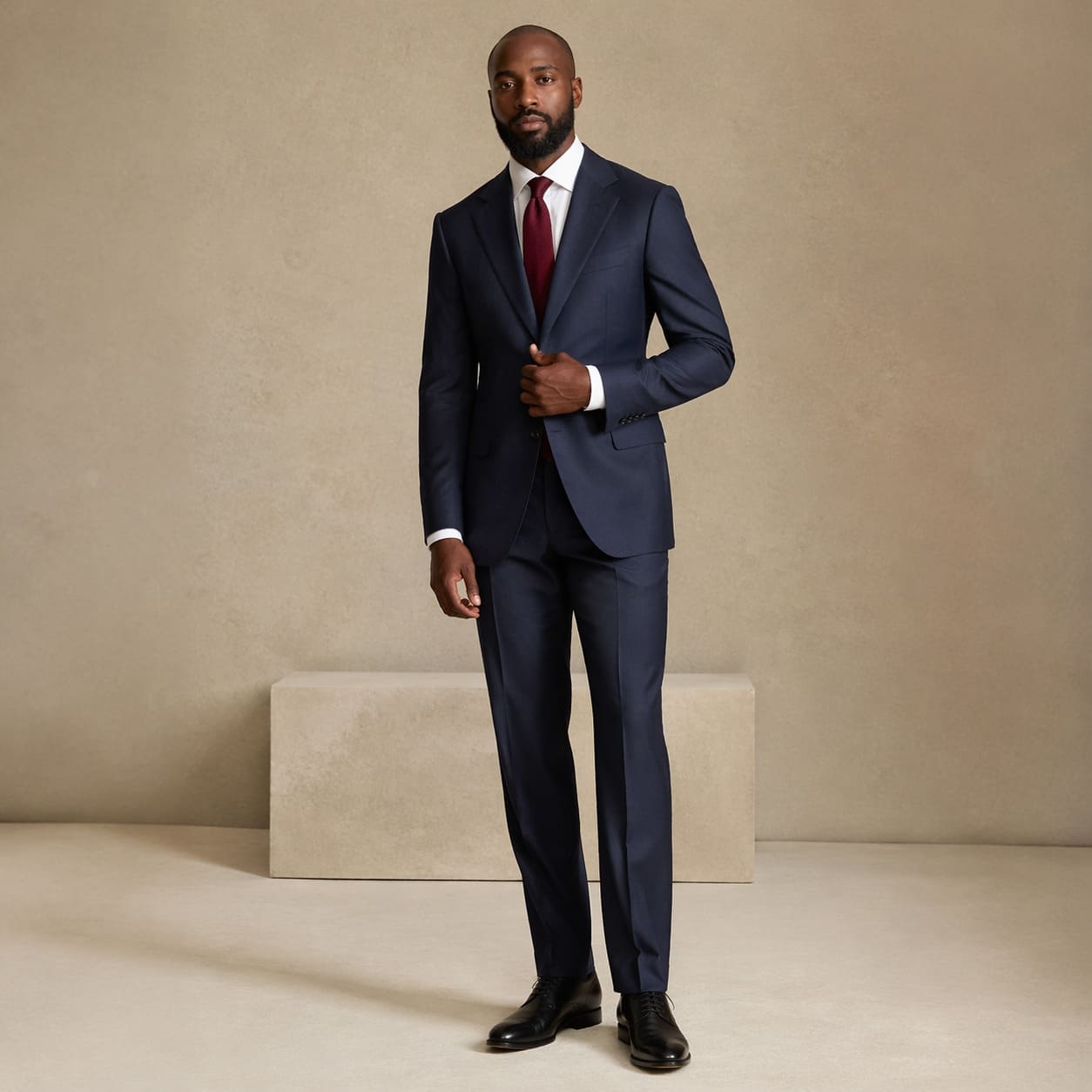
Men's Bespoke Suits – Navy tailored suit with white shirt and tie – Sample Image
The Structure Premium
Higher alteration costs usually reflect the route into the garment, not the number of centimetres being removed. A tailor may need to unpick seams, move internal parts, rebuild edges and restore the original finish before the change becomes invisible.
Cuff work and crown work explain the structure premium better than almost any other example. Shortening a sleeve at the cuff deals with the lower end of the sleeve and its finish. Shortening from the crown changes the sleeve from the top, where it joins the armhole, so the sleeve pitch and shoulder relationship must still work once the garment is put back together.
Shoulder work carries similar risk. Shoulder pads, collar position, armholes and sleeve pitch all influence jacket balance. A narrow shoulder, a back drape correction or chest bowing cannot be treated like a simple side-seam adjustment because the jacket’s original silhouette may be affected.
Lining also slows the job down. A fully lined jacket often has to be opened before the alteration can be reached, then closed again without pulling, twisting or distorting the outside cloth. That hidden labour is why complex suit alterations can cost more than the visible result suggests.
Pro Tip: Ask for the method as well as the price when a jacket is being altered. Sleeve crown work, lining changes and shoulder adjustments carry different levels of labour, so the quote should name the task clearly.
The Alteration Value Test
A good alteration is proportionate to the garment’s quality, purpose and fit potential. Purchase price matters, but it should not be the only test, especially for a wedding suit, dinner suit, business wardrobe staple or sentimental garment.
- Start with the main fit problem. A single clear issue, such as trouser length or a waist adjustment, is usually easier to justify than a suit that fails across shoulder, chest, sleeve and trouser shape.
- Look at the garment’s construction. Better cloth, good internal structure and enough seam allowance can make alteration work more sensible, because the garment has the potential to improve cleanly.
- Weigh the occasion and future use. A suit worn for an important event or used often for work can justify more care than a garment with little future role.
- Check whether the alteration fights the cut. Heavy reconstruction may be poor value if the original style, proportions or size are too far away from the wearer’s needs.
- Consider replacement or bespoke if several areas fail. A new garment can be the clearer route when alteration would mean rebuilding too much of the original suit.
Inclusive tailoring follows the same logic. The fit problem matters more than whether the garment is labelled menswear, womenswear or non-binary tailoring. Fielding & Nicholson’s broader approach to bespoke and alteration work reflects that practical point: the garment should be judged against the wearer, not against a label.
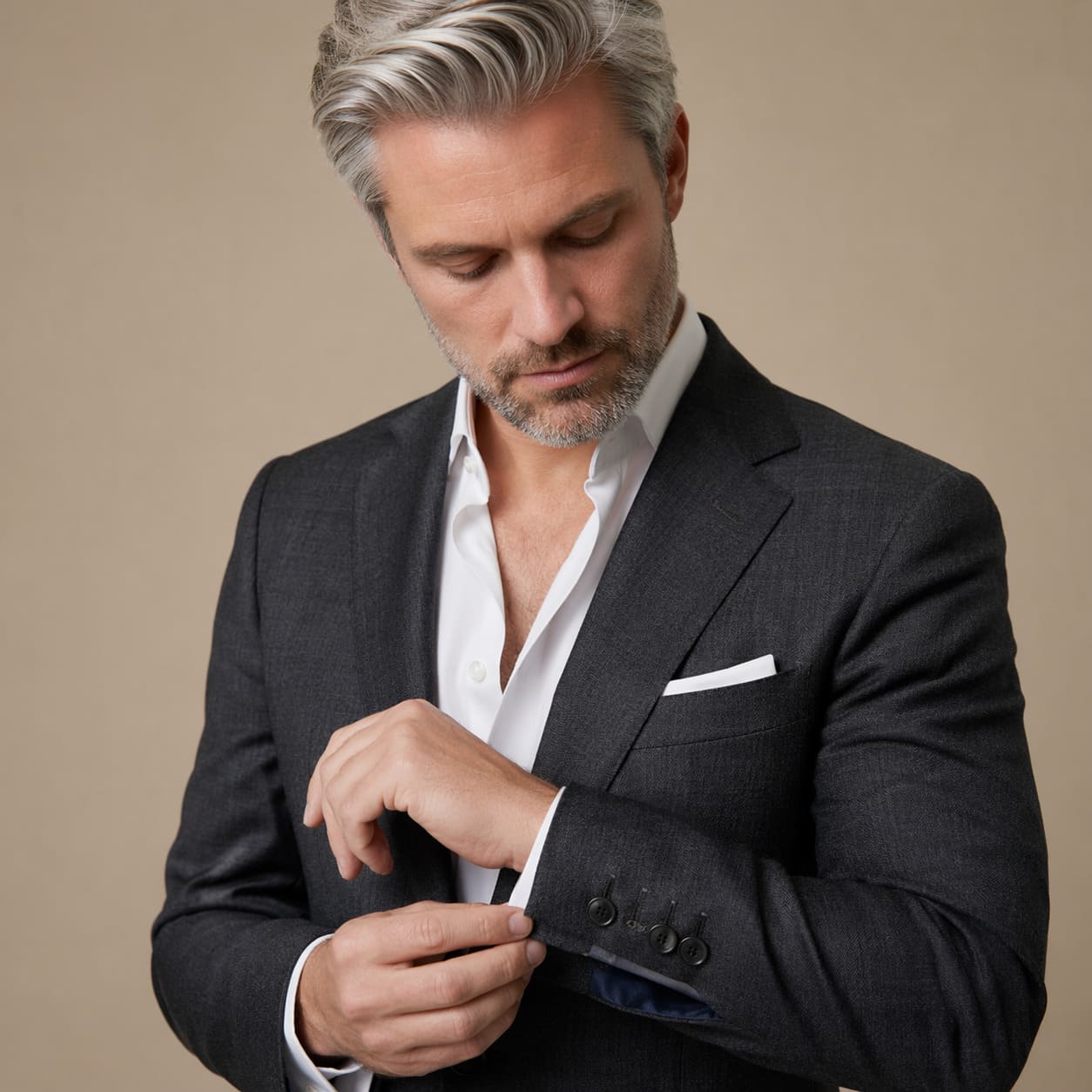
Men's Bespoke – Charcoal tailored blazer with white shirt adjusting cuff Sample Image
Pro Tip: Check seam allowance and internal structure before you decide on a major alteration. A suit with enough cloth and a solid build is far more likely to improve cleanly after work.
Quote Discipline
Good alteration work begins before the first stitch. A serious suit alteration quote should be based on the garment being worn, pinned and inspected, because the tailor needs to see how the cloth, seams and structure behave on the body.
Vague wording can hide very different jobs. “Take in jacket” could mean a centre back adjustment, side seam work, chest correction or a more involved change to the shoulder and sleeve relationship. A clear quote should identify the garment, the alteration, any method that affects the result, the expected finish, the limits of the cloth and the confirmed price.
Turnaround should also be discussed in relation to the actual work. A trouser hem and a jacket lining change do not place the same demand on the tailor’s bench. Urgent work may be possible in some cases, but the garment and method decide what is realistic.
Paid alteration services sit within ordinary consumer rights. GOV.UK guidance on the Consumer Rights Act 2015 says services should match what was agreed and be carried out with reasonable care and skill. This is general information, not legal advice, but it gives a plain benchmark: agreement and workmanship matter before the garment leaves the fitting room.
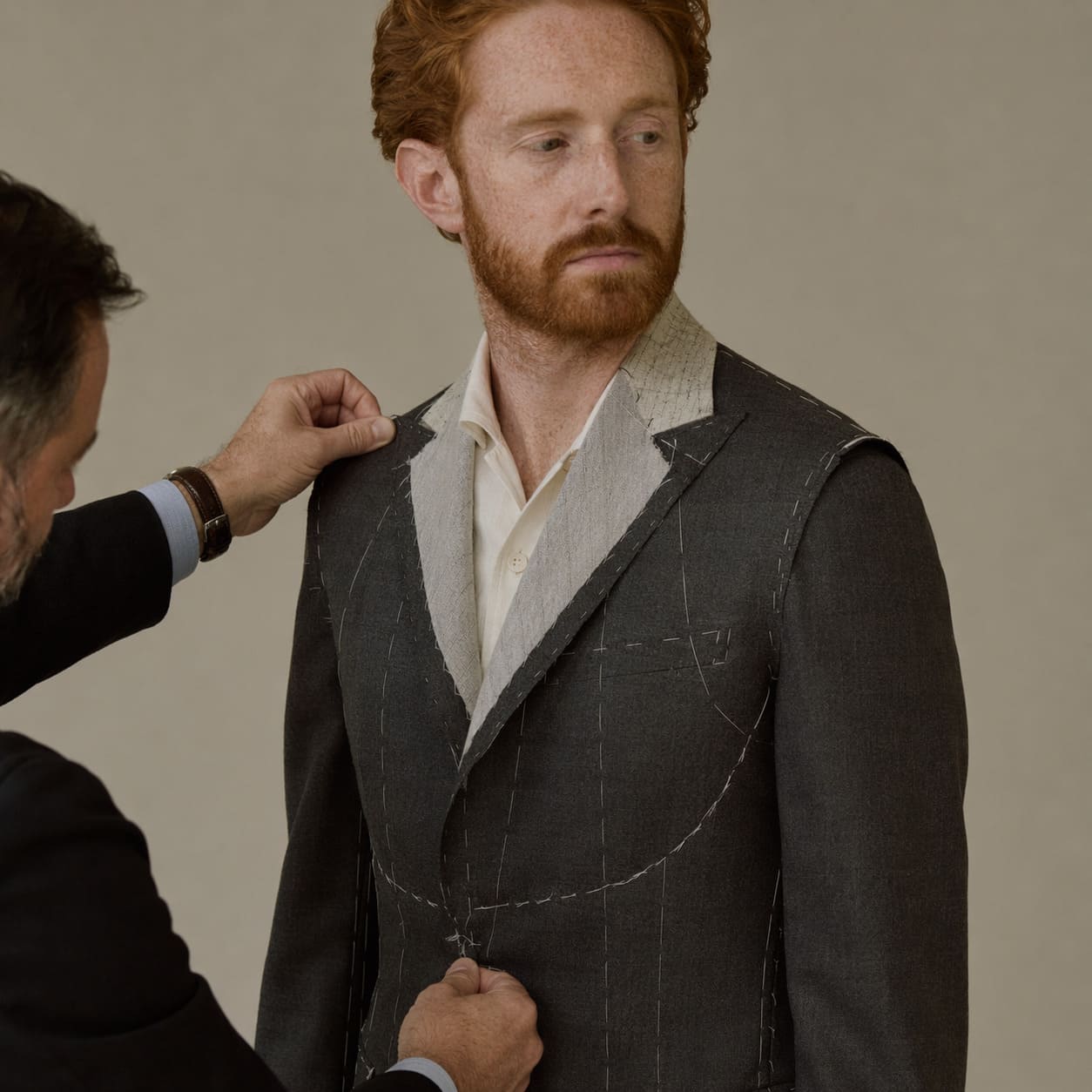
Men's Bespoke – Grey waistcoat with white shirt and tailoring adjustment – Sample Image
The Cheap Suit Misconception
The common misconception is that a cheap suit is never worth altering, and an expensive suit always is. Both assumptions can fail.
A lower-priced suit with one neat problem, such as trouser length or waist fit, may be a sensible alteration if the cloth and proportions can take it. A costly suit with poor shoulder fit, wrong sleeve pitch, tight armholes and limited allowance may become poor value if several structural changes are needed.
Judgement should sit with fit potential, garment construction, purpose and the scale of work required. A low quote is not good value if it damages proportion or wearability, and a higher quote is not automatically excessive if it preserves the suit’s balance. The safest assumption to abandon is the idea that purchase price alone decides alteration value.
Frequently asked questions
Can a suit be altered after weight loss?
A suit can often be altered after weight loss if the main issue is waist, seat, trouser shape or jacket body fit. Major weight change can affect shoulder balance, rise and overall proportion, so the garment should be assessed on the body before work is agreed.
Why does jacket sleeve shortening vary so much?
Jacket sleeve shortening varies because cuff work and sleeve crown work are different tasks. Crown work affects the top of the sleeve near the shoulder, so it can involve sleeve pitch, armhole position and jacket balance.
Should pressing be included in alteration costs?
Pressing should be treated separately from alteration because it does not change the cut or construction of the garment. It can improve presentation, but it will not solve a fit problem.
What should be agreed before a tailor starts work?
The garment, exact alteration, method where relevant, likely finish, limits of the cloth and confirmed price should be agreed before work starts. Pinning and inspection reduce the risk of a vague quote turning into the wrong alteration.
Does a lower purchase price rule out alterations?
A lower purchase price does not rule out alterations. The misconception is that cheaper suits deserve only cheap work, but a simple, clean alteration can still be worthwhile if it solves the main fit problem without forcing the garment beyond its construction.