Can a navy suit really work for every occasion?
A navy suit can cover a remarkable range of situations, including work, weddings, dinners and many semi-formal events. Even so, it is not suitable for every dress code. Formal eveningwear, some ceremonies and certain style-led settings call for a different approach, so the key is knowing where navy shines and where it starts to fall short.
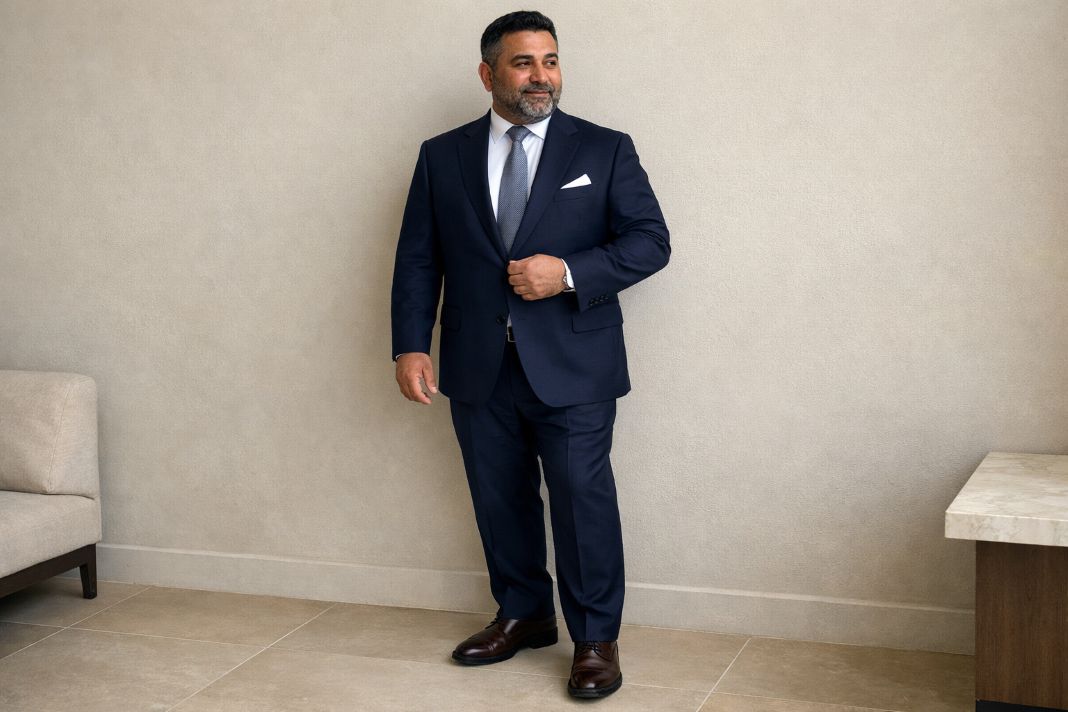
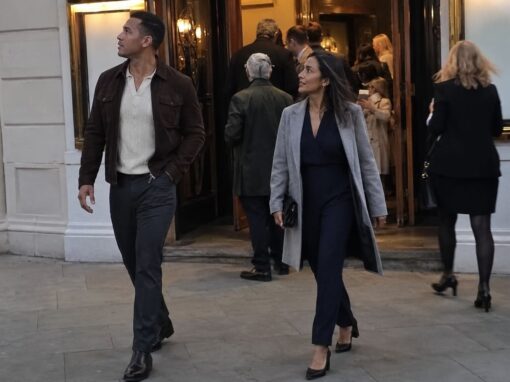
Illustrative Image - Gentleman in Navy Suit for Dinner Event
What Is In This Article
The Enduring Appeal of the Navy Suit
Few garments earn trust as quickly as a navy suit. Someone buying their first proper suit often lands on navy for good reason, because it feels polished without seeming severe and adaptable without looking vague. That balance has kept it at the centre of modern wardrobes for decades.
Its place in classic tailoring is tied to practicality as much as taste. Across Savile Row and other respected tailoring houses, navy has long been seen as a dependable colour that moves easily between business and social life. A dark blue cloth reads as steady and refined, yet it usually feels softer and more approachable than black.
Colour plays a part in first impressions. Navy tends to suggest calm, competence and discretion, which means that it works well in spaces where appearance matters but flamboyance does not. Offices, dining rooms and ceremony spaces often reward that kind of quiet confidence.
Compared with other classic suit colours, navy occupies a useful middle ground:
- Black is usually stricter, sharper and better suited to evening formality or uniforms.
- Grey is flexible and often understated, though lighter shades can feel less grounded in formal settings.
- Navy combines depth, wearability and warmth in a way few other suit colours manage.
That mix of tradition and ease explains why contemporary tailoring businesses, including Fielding & Nicholson, still treat navy as a strong foundation for a serious wardrobe, especially for clients who want longevity instead of novelty.

Pro Tip: Choose the fabric weight and weave of your navy suit according to season and occasion for lasting comfort and relevance.

Illustrative Image - Classic Navy Suit Outfit for Men in a Minimal Luxury Interior
When a Navy Suit Works: Situations and Successes
A navy suit works best where the dress code asks for polish, restraint and flexibility.
In professional settings, it is hard to argue with its reliability. Interviews, client meetings, presentations and office events all tend to suit navy because it appears competent without looking harsh. A well-cut navy suit with a white or pale blue shirt usually feels appropriate in most corporate offices, particularly where black might seem too rigid for daytime.
Social occasions also favour navy. Dinner reservations, networking events, engagement parties and many wedding venues welcome a dark suit that feels smart but not overdone. A navy suit can be dressed up with a silk tie and dark shoes or softened with a textured tie, knitted polo or open-collar shirt, depending on the room and the hour.
Seasonal flexibility is another advantage. In cooler months, a more detailed navy flannel or brushed wool can look rich and settled. Once spring and summer arrive, lighter-weight wool, fresco or wool blends keep the same colour relevant without making the suit feel heavy. Fabric choice matters here just as much as colour, because a navy suit in dense winter cloth will send a different message from one cut in an airy weave.
Tailoring changes the effect as well. Structured shoulders and a crisp silhouette suit formal work environments, whereas a softer make can feel more natural at daytime events or less rigid workplaces. Tailoring consultants often focus on that distinction because the same navy cloth can read very differently once cut and styled for the wearer rather than the hanger.
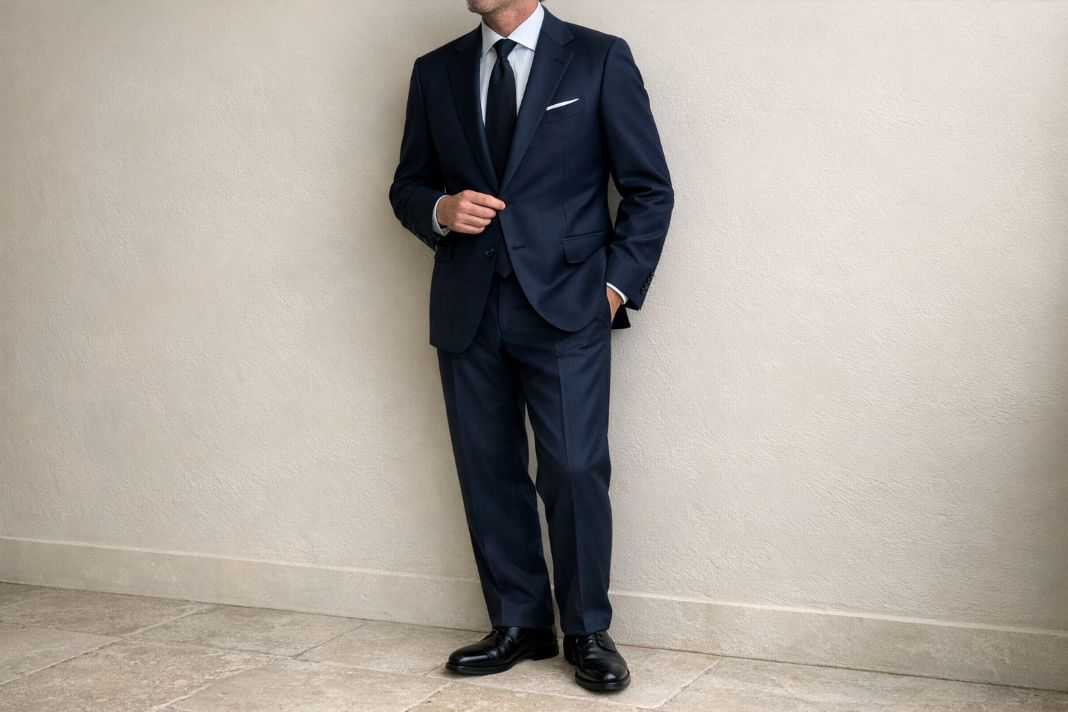
Illustrative Image - Tailored Navy Suit Lookbook in Quiet Luxury Style
When a Navy Suit Doesn't Work: Boundaries and Limitations
A navy suit has limits, and knowing them saves awkwardness.
Black tie is the clearest example. If an invitation specifies black tie, a standard navy business or lounge suit is not a substitute for a dinner jacket. Formalwear has its own hierarchy, and dress code authorities tend to treat that hierarchy seriously. Even a very dark navy suit does not automatically become evening formalwear simply because it looks smart under low light.
Ceremonial settings can also require more care. Certain religious events, official functions and culturally specific occasions may have expectations around colour, formality or traditional dress that a navy suit does not meet. In those cases, respect for the occasion matters more than the general versatility of the garment.
Some style-led environments create a different issue. Creative industries can welcome individuality, unusual textures and more expressive silhouettes. A plain navy suit may still be acceptable, yet it can disappear if everyone else is using clothing more imaginatively. The problem is not that navy is wrong, but that it may say very little.
Common moments where navy may not be the best option include:
- Events with a strict black tie or white tie dress code
- Ceremonies with explicit traditional or cultural dress expectations
- Occasions where a more relaxed combination, such as separates, would look more natural
- Highly fashion-conscious spaces where a standard dark suit feels too anonymous
Master tailors often point out that appropriateness rests on the whole outfit and the event context, not on colour alone. A navy suit worn to a beach wedding in heavy worsted wool, for example, can feel just as misplaced as one worn to an opera gala without the right formality.

Pro Tip: Small personalisations like lapel width or pocket style can make a classic navy suit uniquely suited to your lifestyle.
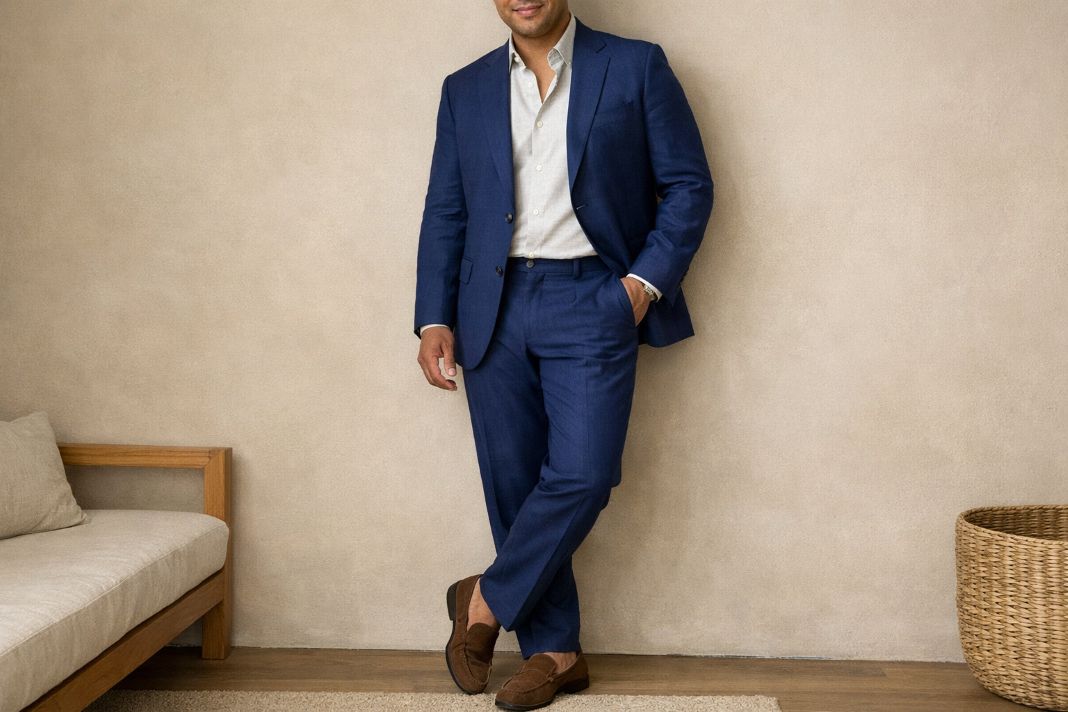
Illustrative Image - Seasonal Navy Suit Outfit Inspiration for Men in a Refined Editorial Style
Tailoring, Fit, and Personalisation: Making Navy Work for You
The difference between a forgettable navy suit and a dependable favourite usually comes down to fit.
Off-the-peg navy can look flat when the jacket length is wrong, the sleeve pitch fights the wearer’s posture or the trousers break awkwardly on the shoe. Once those points are corrected, the same colour starts to look sharper, more intentional and much more expensive than it did before. Fit also affects comfort, which shapes how a person stands, moves and carries themselves through the day.
Personalisation gives navy its character. Lapel width, button stance, pocket style, lining and cloth texture all shift the mood of the suit. A peak lapel in a rich mid-navy can feel assertive enough for a formal business setting, whereas a softer shoulder and patch pockets make more sense for relaxed professional wear or social use.
Fabric choice deserves close attention. Smooth worsted wool often suits year-round business wear. Flannel introduces softness and visual depth in autumn and winter. Fresco and open weaves bring a drier, airier look for warmer weather. Two navy suits can therefore behave very differently even before a tie or shirt enters the picture.
Experienced tailoring consultants earn their value here because they can see where proportion and personal style intersect. A house such as Fielding & Nicholson may guide a client through cloth, cut and finishing choices that reflect how they actually live, including how often they travel, which events they attend and whether they want the suit to lean formal or relaxed. That level of thought often turns navy from a default purchase into a genuinely personal garment.
Beyond the Basics: Styling a Navy Suit for Different Occasions
Styling decides whether a navy suit looks boardroom-ready, wedding-appropriate or comfortably relaxed. The suit itself sets the foundation, but the shirt, shoes and accessories decide the tone.
For work
A white shirt creates the cleanest, most traditional contrast. Pale blue softens the effect and is often easier to wear repeatedly through the week. Dark brown or black shoes both work, although the choice shifts the mood slightly, with brown feeling warmer and black looking more formal. A simple tie in burgundy, deep green or navy with texture usually sits comfortably in professional settings.
For events
Ceremonies and evening dinners often allow a bit more expression. A crisp white shirt, polished shoes and a silk tie can sharpen navy considerably. If the event is less formal, texture becomes useful. Grenadine ties, woven pocket squares and a subtle waistcoat can add depth without turning the outfit into a costume.
For a more relaxed look
An open-collar shirt, fine knit or roll neck can make a navy suit feel less corporate. Suede loafers or clean derbies soften the overall impression further. In warmer months, a navy suit with a striped shirt and loafers can look settled and smart without the stiffness some people associate with tailoring.
Some combinations are less successful. Very bright accessories can fight with navy instead of lifting it. Shoes that are too casual can pull the suit off balance. A black shirt often creates a heavy, evening-leaning effect that does not suit every face or setting. Styling consultants and fashion stylists usually look for harmony first, because navy is at its best when the supporting pieces add texture, contrast and clarity rather than noise.
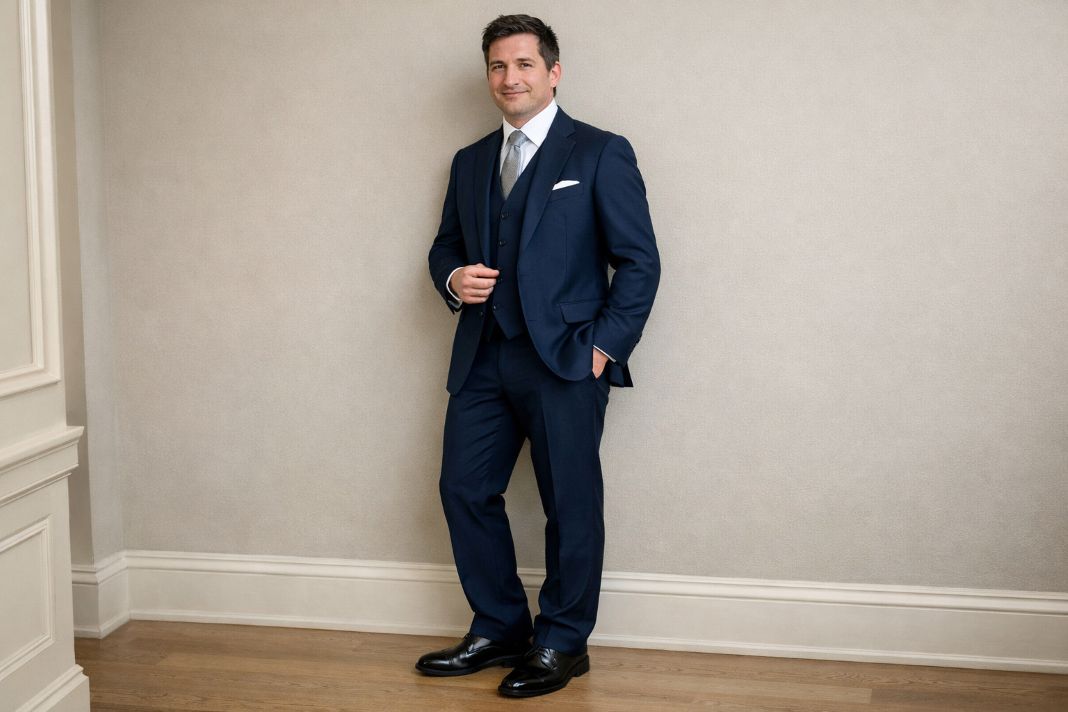
Illustrative Image - Navy Formal Suit
Common Misconceptions About Navy Suits
Several myths keep circulating around navy suits, and most of them come from treating one garment as if it answers every dress code.
- A navy suit is always appropriate. That idea breaks down as soon as an event becomes formally specific. Black tie, mourning dress, some ceremonies and certain traditional occasions all sit outside the reach of the standard navy suit.
- Navy and black are basically interchangeable. They are not. Black carries a more formal and sometimes more severe tone, especially in evening settings. Navy usually feels more versatile in daytime and business wear, but it does not replace black where convention expects it.
- One navy suit can cover every personal style. Cut, cloth and finishing matter too much for that to be true. A slim, shiny navy suit bought for occasional office use may feel completely wrong for someone whose wardrobe leans softer, more textured or more traditional.
- Darker means more formal in every case. Formality is shaped by context, garment type and styling. A dark navy lounge suit remains a lounge suit. It does not become evening formalwear simply because the colour is deep.
Etiquette guides and tailoring experts tend to agree on one point: navy is versatile, but versatility is not universality. Once that distinction is clear, people usually make better wardrobe choices with much less guesswork.
Rethinking Versatility: The Navy Suit in a Modern Wardrobe
A navy suit earns its reputation because it can do a great deal without fuss. Still, the smartest wardrobes are built on intention, not habit. Reaching for navy every time can become a shortcut that stops a person noticing when another option would serve them better.
A thoughtful wardrobe uses navy as a foundation, not a complete answer. Grey may suit some offices more naturally. Brown or olive can add warmth and individuality in softer settings. Separate jackets and trousers often solve dress codes that feel too relaxed for a full suit but too polished for casualwear. Personal stylists and wardrobe consultants often think in these terms, looking at the whole rhythm of a person’s life rather than a single garment in isolation.
Seen in that light, the navy suit remains one of the most useful pieces a person can own. Its strength lies in range, poise and consistency. Its weakness appears only when people ask it to do jobs it was never meant to do. Knowing that difference is what turns versatility into real style confidence.