How can you tell if your suit needs alterations before spring events?
If your suit shows signs such as shoulder divots, uneven jacket length, excess fabric, or tightness in key areas, it may require professional alterations to ensure comfort, confidence, and a polished look during the busy occasion season.
What Is In This Article
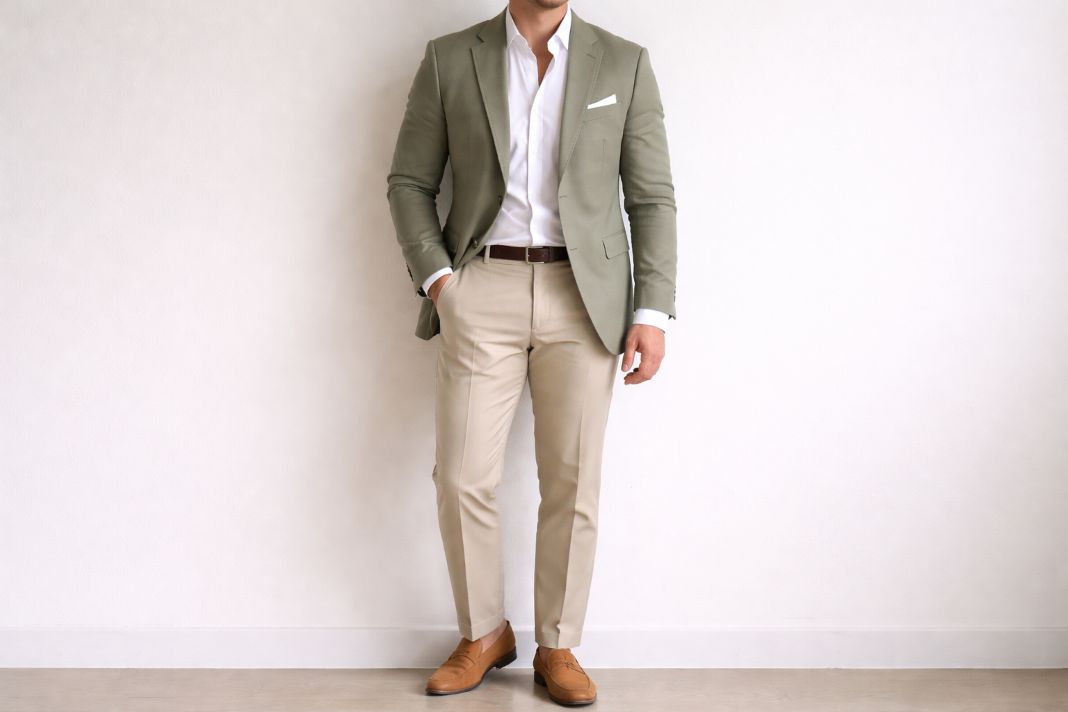
Jacket Shoulders: The Foundation of Fit
The shoulders are the architectural base of any suit. Even the finest cloth or a perfect waist will struggle to look sharp if the shoulders do not align cleanly with your frame.
Here are key signs your shoulders need attention:
- Noticeable dents or 'divots' at the top of the sleeve
- The jacket shoulder extends noticeably beyond your natural shoulder line (overhang)
- Tightness across the upper arm causing restriction in movement
Shoulder fit is the area where alteration is most limited. If the seam sits too far in or out from your shoulder bone, comfort and silhouette both suffer. In some cases, particularly with heavy distortion or badly matched sizing, a new jacket may be wiser than attempting major alteration. Experienced tailors at Fielding & Nicholson and other bespoke houses will always advise honestly here, as a clean shoulder sets the stage for every other aspect of fit.

Pro Tip: Ask your tailor about subtle lining customisation to add a touch of individuality to your classic suit.
Jacket Length: Proportion and Presence
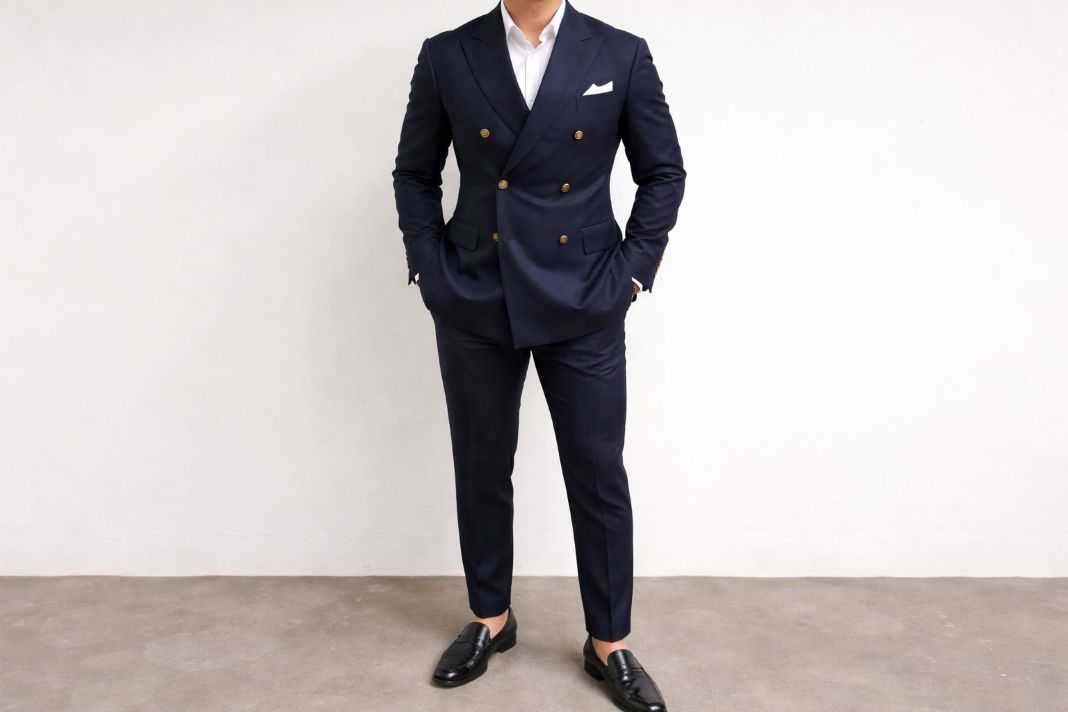
The right jacket length brings balance to your appearance, ensuring neither your torso nor legs appear exaggerated. Visual proportion becomes especially important as lighter fabrics and less layering define the spring season.
Easy ways to assess jacket length:
- The hem should typically cover the seat, neither falling well below nor rising above it.
- Arms at your sides, your jacket should finish around your knuckles, though personal preference or style may allow slight variation.
- When viewed in a mirror, check whether the jacket visually balances with your trousers; a too-short or too-long jacket can throw off the entire look.
Long-lasting proportions feel elegant and natural. Trends may sometimes favour cropped or elongated cuts, but a timeless fit will serve you year after year. Try the seat-covering test at home and, if uncertain, consult a tailoring consultant for an expert eye.
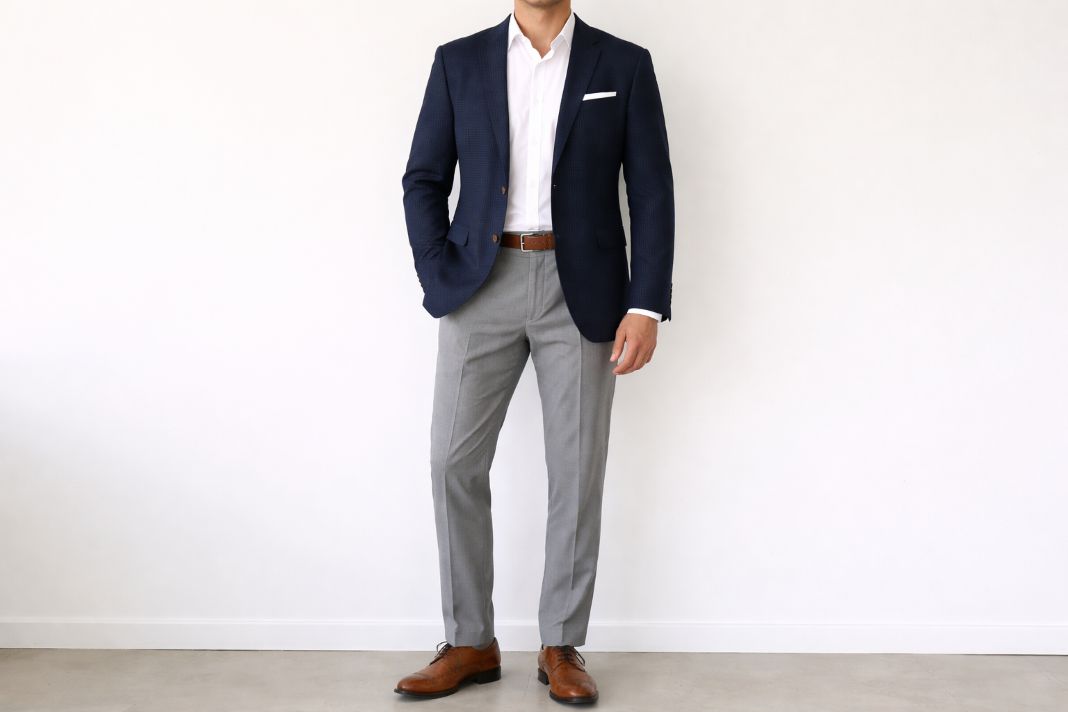

Pro Tip: For the most accurate jacket fit, always try the suit on with the shirt and footwear you plan to wear to the event.

Trouser Break and Length: Crisp or Cropped?
Trouser length and the "break", meaning how much fabric meets the shoe, define the suit's crispness, especially as spring brings lighter footwear and more outdoor gatherings.
There are three common types of trouser break:
- Full break: Trousers gather firmly on the shoe, creating a deep crease. This look feels more traditional but can appear bulky.
- Half break: The fabric gently touches the shoe, showing a slight crease. This is the most versatile choice for a broad range of occasions.
- No break: The hem sits just above the shoe, exposing the ankle or sock. Modern and energetic, this style suits warmer weather and casual settings.
Quick self-check:
- If fabric puddles around your shoes, trousers need shortening.
- If ankles are always fully exposed when standing, trousers may be too short unless intentionally styled that way.
- Try on your event footwear before judging final length.
A Fielding & Nicholson tailoring consultant can adjust hems to achieve your preferred break, taking footwear and venue into account for the season's events.

Waist Suppression: Contour Without Constriction
A suit should trace your natural shape without pinching or billowing. Waist suppression uses gentle tapering to improve the silhouette, providing definition for all body types and genders.
Signs your jacket may need adjustment:
- The waist feels boxy or shapeless, lacking any contour.
- Excess fabric pools at your lower back or sides when buttoned.
- Alternatively, if the jacket strains when buttoned or pulls at the fastening, it is too tight.
A well-suppressed waist improves balance and confidence, creating a suit that feels unique to you rather than anonymous. Inclusive tailoring ensures these adjustments suit all clients, supporting comfort and self-expression equally.
Sleeve Length: Showing Cuff, Not Clutter
Fine tailoring finishes at the wrist. The right sleeve length showcases a hint of shirt cuff, signalling careful attention to detail.
How to check:
- Hang your arms naturally at your sides.
- Your jacket sleeve should end near your wrist bone, usually exposing about half an inch of shirt cuff.
- Sleeves that cover the entire hand or, on the other extreme, finish well above the wrist, need alteration.
- Consider watch size and preferred shirt styles when judging sleeve length.
Professional tailors can adjust sleeves precisely, ensuring harmony between shirt and jacket even with seasonal shirt changes.
Lapel and Collar: Laying Flat, Not Gaping
A smooth collar and lapel frame your face and add polish to your appearance. Collars should hug the neck without gaps, while lapels should follow your chest smoothly.
Common fit concerns include:
- The collar standing off from the neck, especially at the back
- Gaping lapels that fall forward, losing contact with the shirt or chest
- Collar roll, where fabric bunches behind the neck
Such issues may result from shifts in posture, weight change, or general garment ageing. If persistent, friendly advice from a tailoring consultant can resolve these details to restore a neat, comfortable line.
Chest and Back: Smooth, Not Strained
A jacket should offer ease through the chest and back, free from visible tension or sagging excess.
Look for these signs:
- Pulling at the jacket button when fastened, creating an "X" shape
- Fabric straining across the upper back when reaching or moving
- Large folds of fabric at the sides or underarms, often seen when hands are on hips
Well-fitted chest and back panels contribute to comfort and allow natural movement. Tailoring adjustments may involve subtle seam changes, responding to body shape and posture changes that can occur over time.

Trouser Waist and Seat: Secure, Not Suffocating
Event season often means long hours sitting, standing, or moving with ease. Your waistband and seat should feel secure, without constriction or sag.
Checklist for comfort:
- The waistband should sit comfortably when both standing and seated, without digging in or sliding down.
- A well-fitted seat lies flat without sagging or pulling.
- Ease of movement is important, try sitting and standing several times to test fit.
- If your waistline or shape has changed, even slightly, adjusting the waistband can make a world of difference.
Fielding & Nicholson and other inclusive tailoring teams can accommodate and discreetly adjust for changing needs, supporting body confidence for all clients.
Lining and Details: Subtle Signs of Wear
Even the sharpest suit can be let down by overlooked finishing touches. Before any major event, a suit deserves a careful internal inspection.
Look for these issues:
- Frayed lining or visible wear under the arms and along the hem
- Loose or missing buttons, or buttons that no longer sit straight
- Visible threads, detached fastenings, or other small flaws
The lining offers an opportunity for tasteful personalisation as well, especially through an experienced bespoke house. Fielding & Nicholson tailors, for example, have supported clients in choosing linings that reflect quiet individuality without overshadowing classic style.
Professional finishing transforms a well-worn suit into an event-ready ensemble, ensuring you feel every bit as put together as you look.
A suit, when precisely fitted and well maintained, becomes a reliable companion through spring’s occasions. By checking these nine signs, you protect your investment but also strengthen your confidence and ease as you move through the season’s gatherings.