
What does “smart” mean for May races and how is it different from formal dress codes?
At the May races, “smart” means polished but approachable, representing respect for the occasion without the rigidity of formal black tie. For most race meetings, the expectation centres on a well-presented, thoughtfully combined outfit, neither office suit nor evening wear, but something suitable for an outdoor spring event.
Racecourses set varying policies, yet “smart” typically includes:
- Tailored separates (not always a full suit)
- Collared shirt or blouse
- Neat trousers, dress, or skirt
- Clean, appropriate footwear
Common misconceptions:
- Smart does not require top hat and tails unless specifically stated by the course.
- Accessories such as ties or fascinators are often optional unless outlined by the event.
- Some enclosures have strict requirements, but many spaces offer flexibility.
It is worth noting that tradition and etiquette add colour to the day, but current dress codes encourage personal comfort and authenticity. Checking the racecourse’s specific guidance ensures you feel confident and not over- or underdressed.

What Is In This Article
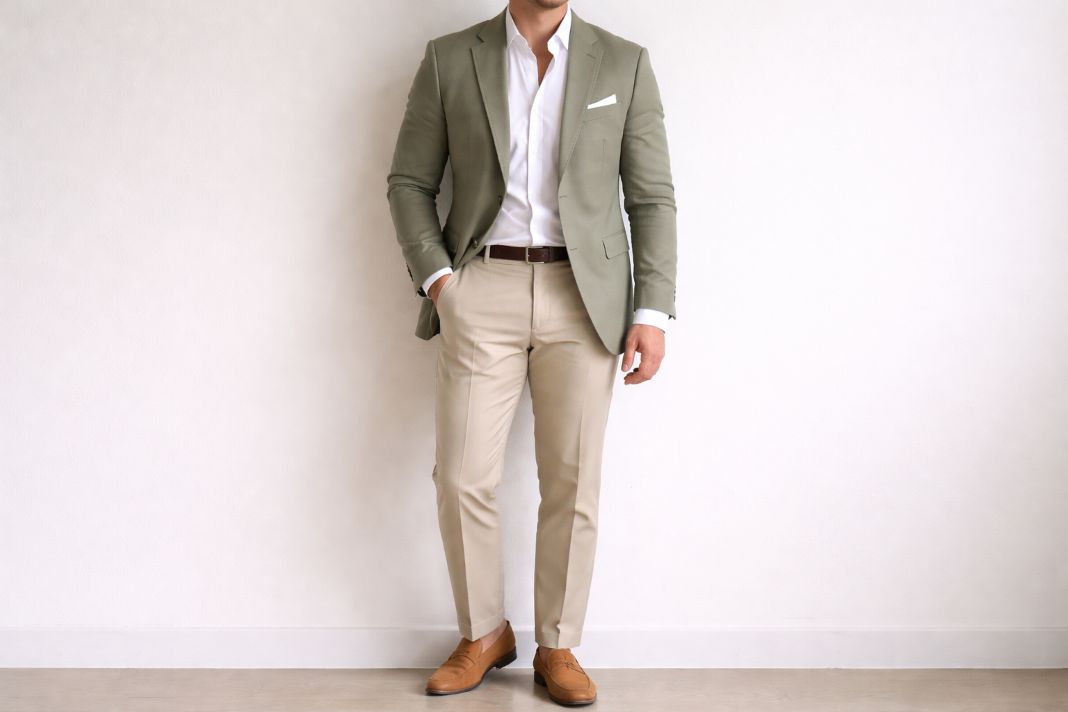
1. Choose Tailoring That Feels Like You, Not a Costume
Standing in front of the wardrobe before race day, many people worry about looking more like an extra from an old period drama than a modern guest. The best tailored race outfit feels authentic, not like fancy dress.
Instead of defaulting to the most extravagant option, focus on pieces that fit and reflect your taste. True style has nothing to do with loud prints or novelty details, subtle individuality works beautifully.
Ways to express personality without excess include:
- Choosing a lining pattern or colour that only shows when your jacket moves
- Selecting interesting buttons or a distinctive lapel shape
- Adjusting the cut to suit your body and posture, rather than mimicking a historic look
The bespoke process at tailoring houses such as Fielding & Nicholson allows for these nuanced touches, helping you feel as good as you look. Confidence grows when comfort and fit take priority over mimicry.

Pro Tip: A minor alteration to ready-made clothing can dramatically improve both fit and confidence on race day.
2. Get the Foundations Right: Shirt, Trousers, and Shoes
A smart outfit for the races always starts with its foundations. Shirts, trousers, and shoes do the heavy lifting. Accessories may catch the eye, but these basics define the success of your look throughout the day.
Checklist for outfit foundations:
- Shirt: Crisp, breathable, and well fitted, all seams sitting comfortably on shoulders and cuffs ending just at the wrist. Light colours tend to feel purposeful and fresh for spring events.
- Trousers: Tailored to your waist and length, avoiding billowy shapes or extreme skinniness. Classic cuts work well and help balance personal flair elsewhere.
- Shoes: Clean, polished, and suited to the venue, no trainers or heavy boots. Loafers, brogues, or simple dress shoes provide reliability and comfort.
Alterations can be invaluable, making off-the-peg items fit as though they were made for you. Focusing on these elements ensures your whole outfit remains cohesive and comfortable from start to finish.


Pro Tip: Always check the specific dress code for your enclosure before selecting accessories or outerwear.

3. Add Personality with Accessories, But Don’t Overdo It
Accessories can lift an outfit or threaten to overwhelm it. As the finishing touches, they should reflect your personality, not compete for attention.
Picture one guest wearing a bold pocket square and subtle cufflinks, compared to another layered with a hat, statement tie, patterned socks, and heavy jewellery. The first looks deliberate, the second risks feeling in costume.
Aim for one or two highlights:
- A silk scarf or distinctive hat
- A single pair of eye-catching cufflinks
- A pocket square in an unexpected colour
Try not to coordinate every accessory, matching everything can look forced. View accessories as punctuation, not the headline. When in doubt, choose restraint for a look that stays polished and memorable.

4. Mind the Weather, Layering for Comfort and Style
May weather is unpredictable. One moment brings warm sunshine, the next a chill or shower. Planning layers protects your comfort and helps you keep a smart appearance regardless of forecast.
Practical layering ideas:
- Light knit under a tailored blazer: easy to remove if the sun appears
- A water-resistant mac or classic trench: practical without spoiling the line of a suit or dress
- Breathable shirt fabrics: keep things cool beneath a jacket or coat
- Pocket-sized umbrella: less bulk than an overcoat but ready for rain
On race day:
- Check the forecast for your venue.
- Select one warm layer and one weather-resistant option.
- Avoid outerwear that clashes with your main outfit both in colour and formality.
Adapting to the weather ensures you look smart while feeling at ease, allowing you to enjoy the experience rather than fretting about the next turn in the weather.
5. Working through Racecourse-Specific Rules and Traditions
Different race meetings and enclosures have their own expectations regarding dress. Misunderstandings can lead to embarrassment at the gate. Here’s how to approach it with clarity:
Step-by-step guide:
- Find your racecourse’s official dress code, usually available on their website or ticket information.
- Note any distinctions by enclosure (for example, Members’ Enclosure often sets higher standards than public areas).
- Pay attention to listed items such as hats or jackets.
- If requirements seem open-ended, opt for a smart, classic base and personalise tastefully.
Many venues are becoming more flexible. Strict “must-wear” rules are less common for most areas. Respecting the spirit of tradition, while not feeling forced into formalwear, keeps you comfortable and in step with the event.

6. Inclusive Smart Dressing: Options for All Genders and Identities
A modern race day welcomes attendees of all identities. Smart dressing can and should be inclusive, with options for every guest. Whether you express your style through suiting, dresses, or bespoke hybrids, comfort and authenticity matter most.
Specialist tailoring consultants, such as those at Fielding & Nicholson, regularly create outfits for clients of all genders and body types. For instance, Nathalie May has guided non-binary and LGBTQ+ clients to smart, custom-tailored solutions that celebrate individuality and fit.
Tips for inclusive smart dressing:
- Request tailoring that attends to your body shape, not just your gender presentation.
- Ask about adaptive features if you have accessibility requirements.
- Prioritise authenticity and comfort so you feel at home in your outfit, no matter the code.
Everyone deserves to feel reflected and respected in their chosen look, both in style and in spirit.
7. Final Checks: Confidence, Comfort, and the Last Details
Before setting off, allow time for a final outfit rehearsal. Small details can make the difference between feeling self-conscious or fully at ease.
Race day outfit checklist:
- Try on your full look, including shoes and accessories, a day or two in advance.
- Move around, sit, and stand to check comfort and fit.
- Inspect for loose threads, missing buttons, or creased fabrics and address any issues early.
- Prepare a simple emergency fix kit: mini sewing kit, stain remover, spare pin, blister plaster.
Knowing that everything feels right frees you up to enjoy every moment. Your outfit, well chosen and properly checked, is your partner in confidence for the day ahead.