
Why Is Lighter Tailoring Important for Spring and Summer?
Lighter tailoring matters in the warmer months because it directly influences comfort, breathability, and how easily a person moves throughout the day. Thoughtfully selected fabrics and construction details make seasonal dressing both practical and stylish without compromising the artistry of true bespoke tailoring.
What Is In This Article

The Shift to Lighter Tailoring for Warmer Months
As daylight lingers and temperatures climb, the nuances of tailoring become especially clear. The heavy flannel and layered structure suited to cold weather quickly feel oppressive in spring or summer. Instead, clients seek garments that let air circulate, allow movement, and maintain their shape, even when days turn humid.
Colder months often call for thicker textiles, full linings, and strong internal canvassing to preserve warmth and add weight. By contrast, spring and summer tailoring gives priority to these characteristics:
- Lower fabric weight for ease and comfort
- Breathable weaves that encourage airflow
- Partial or minimal linings, helping to avoid unnecessary layers
- Structures that support movement, not restriction
There is a lingering belief that lightweight tailoring must mean a loss of elegance or form. In truth, British tailoring houses such as those just off Savile Row have refined the art of summer suiting, delivering garments that marry comfort with immaculate fit. This approach recognises the practical realities of modern lifestyles, from commuting to after-work events, affirming that ease and polish can, in fact, coexist.
Choosing the Right Fabrics: Breathability, Texture, and Longevity
Choosing spring and summer tailoring fabrics can feel a little like selecting bed linen for midsummer: comfort, breathability, and a gentle touch against the skin are important. Garments made with the right choices wear well throughout the day, they also deliver satisfaction year after year.
Among the most popular options:
Linen Well known for its lightness and open weave, linen makes for a suit or jacket that feels almost like wearing air. Its texture brings a relaxed elegance but does tend to crease, which many see as part of its natural charm. For those who prefer a neater appearance, blends that combine linen with wool or silk can moderate the creasing while keeping the fabric breathable.
Lightweight Wool Often misunderstood, lightweight wool is crafted specifically for warm-weather tailoring. British wool mills produce fine, high-twist yarns that resist wrinkles while maintaining their shape. These fabrics are breathable and moisture-wicking, standing up to repeated wears even in heat.
Cotton and Blends Cotton suits and jackets offer a crisp, casual option. They manage temperature well and bring a smooth, matte finish to the wardrobe. Blends, combining wool, linen, or synthetics, improve each fibre’s strengths, balancing comfort, structure, and longevity.
Fabric resilience and ease of maintenance matter just as much as look and feel. Clients often choose fabrics based on how much travel, movement, or repeated wear they expect. Meeting with a knowledgeable tailoring consultant is worth considering, especially when discussing concerns like crease resistance, garment care, or how different cloths perform over a full season.
Pro Tip: When storing summer garments, use breathable garment bags to protect fabric and prevent moisture build-up.

The Art of Unstructured and Deconstructed Jackets
Unstructured and deconstructed jackets represent a shift in tailoring that places comfort and movement at the centre, without letting go of fit and form. In tailoring, “unstructured” means the use of minimal or no internal padding or canvas, giving the garment a soft, natural drape.
Imagine putting on a blazer that settles on the shoulders and moves as lightly as a favourite cardigan, yet carries the shape and detail expected from a bespoke piece. That is what skilled tailors achieve when constructing these jackets. The process calls for careful judgement: too little structure and definition can be lost, but with just the right balance, the result is a jacket that looks composed but never feels stiff.
Clients often worry that unstructured jackets might seem overly casual or sacrifice the sharp lines associated with classic tailoring. In practice, Fielding & Nicholson’s tailors select fabrics and construction that preserve clean lines, while allowing the body to move with ease. Soft construction, reduced lining, and subtle shoulder shaping combine for a versatile piece suitable for both professional and social occasions. These garments travel well, work with various outfits, and provide comfort that is especially welcome as temperatures rise.
Personalisation: Tailoring for Your Lifestyle and Identity
Tailoring truly comes into its own when it meets clients where they are, reflecting their style, needs, and identity. Picture someone preparing for an outdoor celebration, a business trip, or simply a busy week in the city. Each of these scenarios calls for different garment details, all determined through the bespoke process.
Inclusive tailoring is now central to leading houses, ensuring that everyone, regardless of gender identity or body type, can experience a made-for-them fit. Consultants at Fielding & Nicholson, for example, take time to understand lifestyle factors, accessibility needs, and personal style during initial discussions. Small details, adjusted pockets, subtle fit modifications, or accessible fastenings, and make a tangible difference to daily comfort.
This process is not just about measuring and cutting cloth. It is a thoughtful conversation, shaped by trust and expertise, which results in a garment supporting both function and confidence. For anyone who has ever struggled with fit or felt overlooked by standard sizing, bespoke tailoring offers a genuinely welcoming alternative.
How Personalisation Happens
- Initial lifestyle and style assessment
- Consideration of body mapping and individual preferences
- Step-by-step fit adjustments across consultations
- Personalised finishing touches, colours, and accessories
Pro Tip: A custom-fit unstructured jacket can be layered easily for unpredictable weather while retaining its shape.

Building a Versatile Spring/Summer Wardrobe
Facing the unpredictable British spring or a sudden summer invitation, many people look for a wardrobe that can adapt quickly and with minimal fuss. A well-considered selection of interchangeable pieces offers both comfort and preparedness.
Instead of prescribing a set formula, it helps to think in terms of combinations:
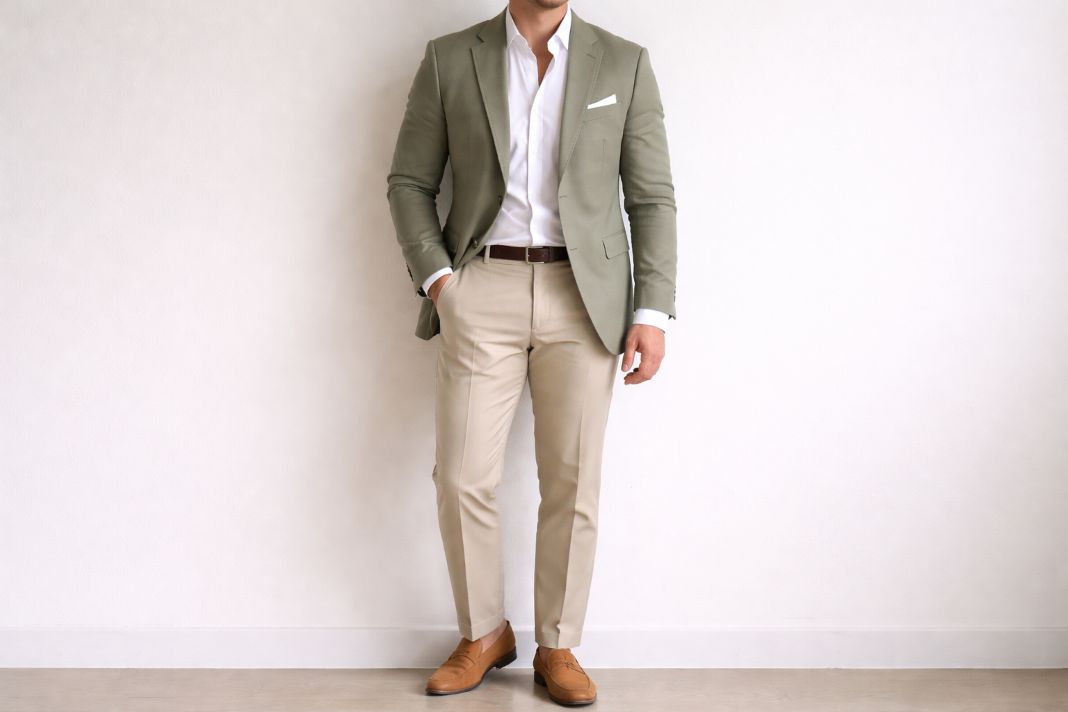
- Jackets: One light, unstructured blazer in breathable wool or linen, and one slightly more formal option for events
- Trousers: A pair each in neutral wool and cotton, easily dressed up or down
- Shirts: A mix of crisp whites, gentle pastels, and soft patterns for variety
- Separates: Items that can layer easily, such as lightweight knitwear or a waistcoat for cool mornings
- Accessories: Pocket squares, light scarves, and slip-on shoes offer subtle shifts for changing occasions
Wardrobe consultants from established tailoring houses can assist in planning for both daily needs and special events. The focus remains on clothes that work hard for you, minimising decision-making and supporting personal style throughout the season.
The Bespoke Process: From Consultation to Final Fitting
Commissioning a spring or summer garment follows a series of well-established steps, designed to be approachable and collaborative. Each stage brings the client’s vision closer to reality:
- Consultation: Discuss lifestyle, target occasions, and practical considerations such as travel, weather, and comfort.
- Cloth Selection: Explore options suited for warm weather, balancing trauma, texture, and intended use.
- Measurements and Design: Body measurements and style choices are recorded, ensuring the foundation for a custom fit.
- Initial Fittings: An early version of the garment is tried on, with adjustments made for both movement and comfort.
- Refinement: Additional fittings allow for fine-tuning, especially important for lightweight, less structured garments.
- Final Fitting: The client tries the completed garment, ensuring every detail meets their expectations before delivery.
- Aftercare and Relationship: Follow-up appointments can address alterations, garment care, or adding new pieces to the wardrobe.
Understanding each step helps demystify the experience, replacing any sense of intimidation with a feeling of partnership and anticipation. Long-term relationships between client and tailor often lead to further refinements and additions that truly round out a seasonal wardrobe.
Caring for Your Spring/Summer Tailoring
Proper care helps lighter tailoring last for seasons to come, maintaining both appearance and comfort.
- Cleaning: Lightweight fabrics such as linen and fine wool benefit from gentle cleaning, ideally by professionals familiar with natural fibres. Avoid frequent washing, which can break down the structure.
- Storage: Hang suits and jackets on broad, shaped hangers to protect the shoulders. Store garments in breathable garment bags to prevent dust without trapping moisture.
- Managing Creases: Use a handheld steamer or hang garments in a steamy bathroom to ease out wrinkles, especially for linen. A cool iron, with a cloth barrier, helps maintain fabric integrity.
- Repairs and Alterations: Seek tailoring advice for any repairs or adjustments. Light fabrics require a careful hand to avoid stretching or misshaping.
- Seasonal Rotation: At the end of summer, clean and store items away from light and heat, ready for next year’s return.
Caring for bespoke garments is part of their story. Attentive maintenance preserves the pleasure of wearing well-made clothes and the investment in true craftsmanship.
Thoughtful spring and summer tailoring goes far beyond simply dressing for the weather. It affirms that comfort, style, and individual identity can all find their expression through garments made by skilled hands. With careful choices and supportive consulting, the warm months become an opportunity to enjoy clothes that truly work for you, season after season.