
Why does dressing well at the races still matter?
Dressing well at the races still matters because race day is a social occasion as much as a sporting one. Clothes shape the mood, show respect for the setting, and help people feel part of a shared tradition. In a more casual age, that deliberate effort can make the day feel sharper, richer, and more memorable.
What Is In This Article
The Enduring Ritual of Race Day Dressing
By the time the first guests arrive at Royal Ascot, the atmosphere is already doing some of the work. Shoes are polished, hats are set, hems are checked, and people move with a little more purpose than they do on an ordinary morning. Race day attire signals that the day will be treated differently.
That sense of occasion does not come from dress codes alone, though they still matter. British tailoring tradition has long linked formal dressing with public rituals, including weddings, ceremonies, and race meetings. At the races, clothing plays a social role. It marks the event as communal, observed, and worth preparing for.
Several things explain why formal dressing still carries weight at the track:
- It creates anticipation before the day has even begun.
- It shows respect for the setting and the people sharing it.
- It gives the event a visual rhythm that ordinary daily life often lacks.
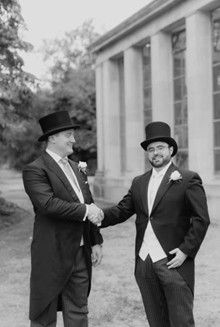
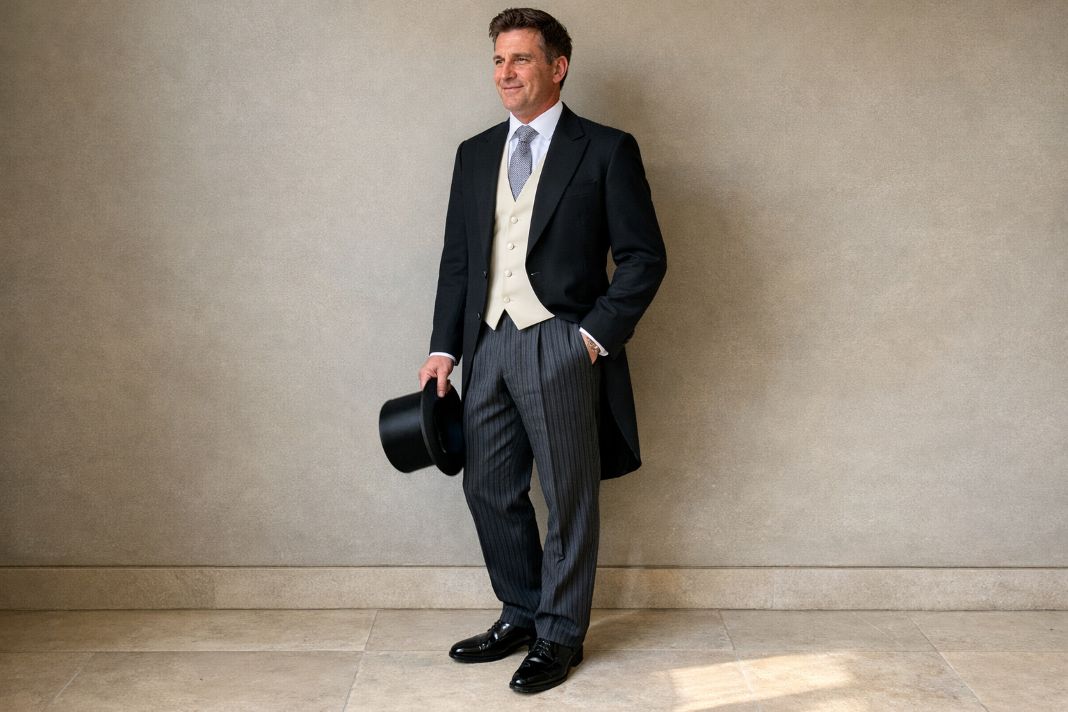
Modern life is generally looser in tone. Office wear has softened, weekend dressing is often practical first, and many social spaces ask very little of what people wear. Against that backdrop, occasionwear stands out because it asks for intention. A well-judged jacket, a properly cut morning coat, or a carefully chosen dress does more than meet the Ascot dress code. It changes how the day feels from the moment one steps out of the house.
Pro Tip: A brief fitting with an experienced tailoring consultant can highlight subtle adjustments that dramatically improve comfort and confidence.
Comfort, Fit, and Confidence: The Modern Approach to Formalwear
Many people still assume that formalwear looks smart but feels restrictive. That idea usually comes from clothing that was too tight in the shoulders, too loose at the waist, or simply made without the wearer in mind. A suit that pulls, pinches, or shifts constantly can make even the best event feel slightly tiring.
A properly fitted coat changes that experience almost at once. The chest sits cleanly, the sleeve follows the arm, and the trousers fall without awkward bunching. Movement feels easier because the garment works with the body instead of fighting it.
Savile Row has long shaped expectations around fit, but modern bespoke tailoring places equal emphasis on comfort. During a thoughtful suit fitting, the goal is a sharp line. Tailoring consultants also look at stride, posture, shoulder balance, and how a client naturally stands when relaxed. That practical approach is part of why formalwear can feel far less stiff than people expect.
At Fielding & Nicholson, that modern view of the bespoke process reflects a wider shift in tailoring. Clients increasingly want morning suit fit and comfortable formalwear in the same garment, and there is no contradiction in that. Ease of movement, clean proportion, and personal comfort belong together.
One detail often goes unnoticed until it is missing. When a coat sits correctly and the weight is distributed properly, the wearer stops tugging at cuffs or adjusting the collar every few minutes. Confidence then comes from quiet ease, which is far more convincing than any forced display.
Pro Tip: Consider lightweight, breathable fabrics for summer race meetings to stay comfortable without sacrificing formality.
Personal Expression Within Tradition
Race day dress codes can look strict from the outside, yet they still leave room for personality. The key is usually restraint, not uniformity. Most memorable formal outfits at the races are not loud. They are thoughtful.
Small decisions often carry the most character. A waistcoat can shift the mood of a morning suit. A tie or cravat can introduce warmth, depth, or understatement. Fabric texture can suggest confidence without asking for attention.
Personal style at the races often comes through in details such as:
- a softer colour in the waistcoat or shirt
- a textured tie, pocket square, or scarf
- a cut that feels aligned with the wearer’s shape and identity
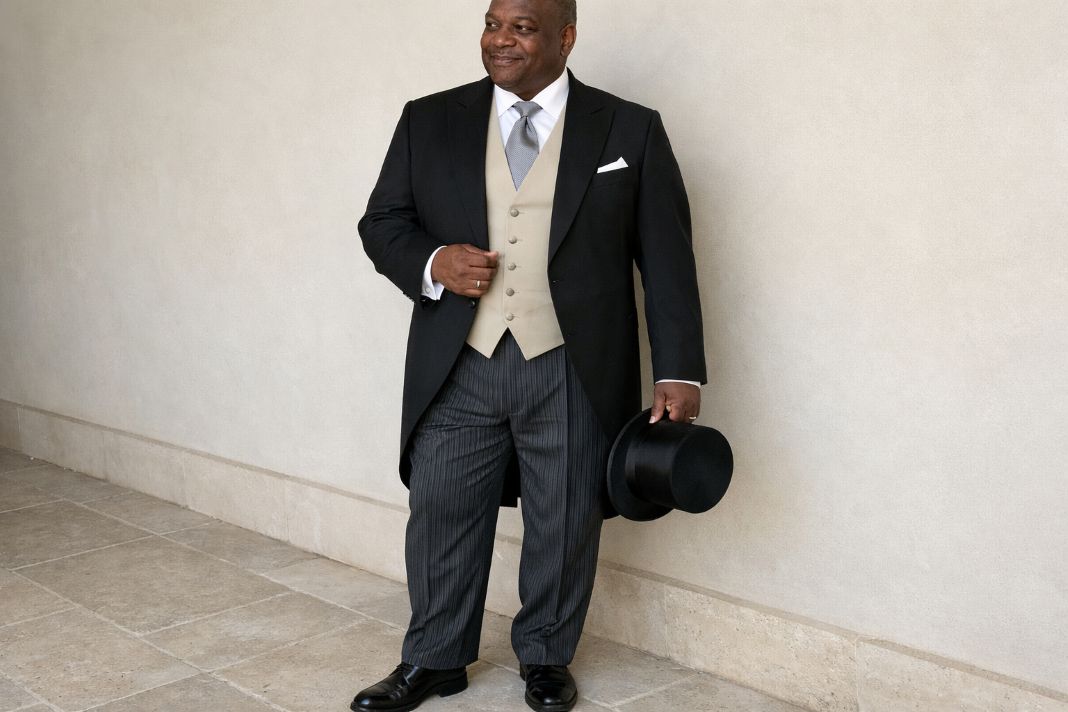
Dress code interpretation also matters for people who have not always felt represented by traditional occasionwear. Inclusive tailoring has widened the conversation in useful ways, allowing more individuals to approach formal dressing without feeling pushed into a mould that does not fit their body or sense of self. Some tailoring houses, including Fielding & Nicholson, have recognised that race day individuality often begins with being properly seen and properly fitted.
That shift makes formalwear feel more human. Tradition remains in place, yet there is more space within it for women, men, non-binary clients, and anyone who wants their clothing to reflect who they are with honesty and polish.
The Changing Landscape: Casual Culture and the Value of Effort
Daily dress is far more relaxed than it once was. Trainers appear in offices, knitwear replaces jackets, and many people move from work to social plans without changing at all. Convenience has become a strong influence on modern dress codes.
Because of that, dressing up for events now carries a different kind of meaning. It feels less routine and more deliberate. Preparing for a formal day out can be quietly satisfying precisely because it is not constant.
Choosing occasionwear asks for time. One has to think about weather, shoes, fit, and the overall balance of the outfit. That process can sharpen anticipation in a way casual dressing rarely does. The day starts earlier in the mind, and the event begins before the first train, taxi, or gate.
British social customs have always included moments where effort in dress forms part of the event itself. Race meetings remain one of the clearer examples. Nobody needs to live in formal clothes for them to appreciate the pleasure of wearing them occasionally. In fact, the rarity may be part of the appeal, much like using fine glassware for a family celebration instead of an ordinary supper.
Beyond the Races: Longevity and Lasting Value in Tailoring
A morning coat or well-cut suit rarely lives for one day only. Once it fits properly and feels familiar, it often returns for weddings, ceremonies, formal lunches, and other occasions that ask for a more polished standard. Over time, that repetition gives the garment a place in a person’s wardrobe rather than leaving it as a single-use purchase.
Clothing of this kind also develops a relationship with its wearer. The body learns it, the wearer relaxes into it, and small refinements made through alterations can make it feel better with each outing. That is one reason bespoke tailoring houses often speak about wardrobe planning instead of isolated garments.
A few occasions where formalwear is commonly reused include:
- Weddings and civil ceremonies
- Seasonal race meetings and club events
- Dinners, receptions, and formal family milestones
Longevity has a practical side as well. A well-made piece that can be reworn and maintained sits more comfortably within current conversations about sustainable fashion than something bought for a single appearance and then forgotten. Fabric choice, garment care, and occasional adjustments all affect how long it continues to serve.
Some pieces even gather emotional value with age. A suit worn to Ascot may later appear in photographs from a sibling’s wedding or an anniversary lunch, and the garment starts to hold memory as well as shape. That kind of value cannot be measured neatly, yet many people recognise it at once when they put an old favourite on again.
Dressing Well as a Quiet Act of Self-Respect
Dressing well for a special occasion can be a simple form of self-respect. It does not need to be showy, expensive, or theatrical. It often comes down to giving oneself enough care and attention to arrive feeling composed.
Formalwear is sometimes treated as if it exists mainly to impress other people. In practice, the more detailed effect is often private. Good clothes can settle the mind, improve posture, and create a feeling of readiness that has very little to do with performance. One wears them for the room, certainly, but also for one’s own sense of order.
That is part of why race day dressing still matters. It offers a pause from hurried routines and a chance to move through an occasion with intention. In a culture that often rewards speed and ease, taking proper care over what one wears can still feel quietly meaningful, and that feeling is unlikely to disappear any time soon.