How do cloth choices and client conversations shape what works in bespoke tailoring?
They shape almost everything. A bespoke garment starts with measurements, but the better result usually comes from discussion about daily routine, comfort, occasion, and personal taste. Once those details are clear, cloth, structure, and fitting choices tend to make more sense, and the finished piece feels suited to the person who will actually wear it.
What Is In This Article
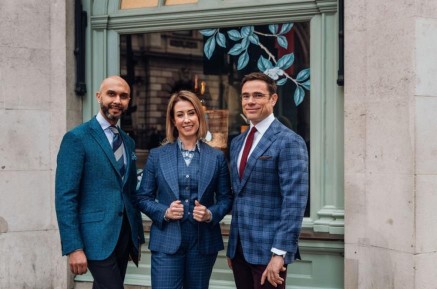
The Role of Conversation in Bespoke Tailoring
A tailoring appointment often begins with something very ordinary. Someone arrives thinking they need a navy suit, a summer jacket, or a replacement for a worn-out work staple. A few minutes later, the real brief starts to emerge. The suit may need to survive long train journeys, the jacket may need to cope with warm afternoons and cooler evenings, or the work wardrobe may need to feel sharper without becoming fussy.
Measurements matter, but they cannot explain how a person likes to move, how often they wear tailoring, or what makes them feel at ease in a formal setting. That is where client-tailor dialogue becomes useful. A good tailoring consultation turns vague preferences into practical decisions.
Common concerns tend to surface early:
- Some clients want structure without stiffness.
- Others care more about ease of care than formality.
- Many people simply want clothes that suit their working life and social life without feeling overdone.
Personal style often becomes clearer through these exchanges. Someone who asks for a classic suit may actually prefer softer shoulders, lighter cloth, and a less rigid silhouette. Another person may arrive focused on trend-led details, then realise that longevity matters more once the conversation turns to wear, maintenance, and repeat use.
Relationship-led bespoke tailoring has a different feel from a quick retail purchase. The aim is not to push everyone into the same idea of smart dressing. The aim is to build a personal tailoring experience around lifestyle needs, body shape, and the way a garment will be used over time. That shift in focus changes everything that follows, including cloth selection.

Pro Tip: Bringing along the shoes or shirts you plan to wear can help achieve a more precise fit during your appointment.
Cloth Choices: Beyond the Obvious
Summer tailoring fabrics often start with one obvious candidate: linen. People know it is breathable, light, and relaxed in character. Those qualities make it attractive straight away, especially for warm weather or holiday dressing.
Even so, cloth selection becomes more interesting once real use enters the conversation. A client may love the idea of linen, then mention a packed day of meetings, time spent in the car, or a wish for something that still looks composed by late afternoon. In that setting, crease resistance and fabric drape start to matter as much as airflow.
Some tailoring consultants at Fielding & Nicholson have found that bamboo can enter the discussion at exactly that moment. It is often overlooked, yet it can suit clients who want comfort in warm conditions with a cleaner line through the day. Breathability remains part of the appeal, but temperature regulation and a smoother drape can make the choice feel more practical for regular wear.
A simple comparison helps:
- Linen usually gives an airy, easy look, but it creases readily and can lose visual sharpness quite quickly.
- Bamboo can feel softer and more fluid, with better shape retention for people who want a neater finish.
- The better option depends less on fashion and more on how the garment will be worn from morning to evening.
Fabric durability also has a quiet influence on these decisions. A cloth that looks excellent on a hanger may not be the right answer for someone who needs repeated wear, frequent travel, or long office days. By contrast, a fabric that balances comfort with resilience can become a much better long-term companion.
That is often the hidden value of bespoke fabric options. The final choice is not about picking the most luxurious sounding cloth. It is about matching the material to the life around it, whether that means summer events, commuting, or simply wanting a jacket that still sits well after several hours.


Pro Tip: A brief note about your daily routine and typical climate helps your tailor suggest materials that remain comfortable and sharp all day.
Suit Structure: 2-Piece vs 3-Piece and the Power of Context
Few decisions create more hesitation than the choice between a 2-piece suit and a 3-piece. The uncertainty makes sense, because both can be right.
Picture a client preparing for a wedding. The ceremony may be formal, the reception may run late, and the weather may shift over the course of the day. In that situation, suit structure is not a matter of abstract rules. It is a question of comfort, formality, and how the wearer wants to look once the event starts to relax.
A 2-piece suit often suits warmer settings and less rigid occasions. It tends to feel lighter, easier, and less demanding over a long day. For destination weddings or summer celebrations, that can be a sensible answer.
A 3-piece introduces something else. The waistcoat adds depth, shape, and a stronger sense of occasion. It also changes the look once the jacket comes off, which can matter more than many people expect. During dinner, dancing, or an evening reception, a waistcoat keeps the outfit visually complete in a way a shirt alone does not.
Here is where context matters most:
- Choose a 2-piece for ease, lighter wear, and a more relaxed feel.
- Choose a 3-piece for added formality, visual structure, and occasions where the jacket may come off.
- Choose based on the day itself, including venue, temperature, dress code, and personal comfort.
Wedding tailoring often carries outdated assumptions about what someone is supposed to wear. In practice, tailoring consultants usually look at the event first and the convention second. A formal city wedding in cooler weather may point naturally to a 3-piece. A garden ceremony in high summer may lean the other way. Neither choice is inherently better. One simply fits the moment more convincingly than the other.

Tailoring That Fits Real Life: Flexibility and Accessibility
Busy schedules have a way of turning even welcome appointments into another task to juggle. A person may fully intend to sort out a new suit or make time for wardrobe maintenance, only for work, travel, or family commitments to push it aside again.
That pattern is familiar in tailoring. Someone books an appointment, the diary fills up, and the plan slips. The issue is rarely a lack of interest. More often, life gets in first.
Flexible tailoring responds to that reality. Appointment scheduling, remote discussions, and mobile tailoring arrangements can make the process easier to accommodate without reducing the care involved. Convenience in this sense does not mean a rushed or lesser experience. It simply means the service adapts more sensibly to modern routines.
Accessibility matters here as well. Some clients need appointments around meetings. Some need a calmer setting. Others may find travel difficult or inefficient. Tailoring becomes more workable when the process respects those differences instead of treating them as exceptions.
A few practical habits can make tailoring appointments easier to manage:
- Keep a note of wardrobe gaps as they appear, instead of waiting until everything feels urgent.
- Bring along the shoes or shirts most likely to be worn with the garment.
- Mention schedule pressures early so fittings can be planned with realistic timing.
The wider point is simple. Bespoke clothing fits better into long-term wardrobe planning when the process feels usable in ordinary life, including the awkward weeks when time seems to disappear.

Finding What Works: The True Measure of Tailoring Success
Tailoring success is often described in visual terms, yet appearance tells only part of the story. A suit can look elegant in a fitting room and still fail in daily use if it feels awkward, overheated, too delicate, or too formal for the person wearing it.
What works tends to be more personal than people expect. One client wants clean lines and structure for work. Another wants softer clothing that still feels polished. Someone else may care most about movement, lightness, and the ability to wear the garment across several settings without thinking too hard about it.
Wardrobes also change over time. Preferences shift, work patterns change, and occasions come and go. Bespoke tailoring can reflect that gradual development because it is built through conversation and adjustment, not through a fixed formula. The most satisfying garments are often the ones that continue to make sense months or years later, after the novelty has gone.
That is why the best measure is usually quite modest. If the cloth suits the day, if the structure suits the occasion, and if the wearer feels comfortable enough to forget about the garment and get on with life, then the tailoring is doing its job very well.