What did the 2026 Oscars reveal about tailoring?
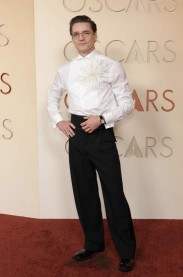
The 2026 Academy Awards suggested that formal dressing is becoming more personal, more comfortable, and less rigid without losing polish. Across the red carpet, the strongest looks relied on softer structure, better movement, and a clearer sense of the wearer, which made the tailoring feel current in a quiet, confident way.
The Oscars always offer a useful snapshot of formalwear because they bring together tradition, visibility, and pressure. Red carpet events are full of garments meant to be photographed from every angle, worn for hours, and judged instantly, so small decisions in cut and cloth become easy to notice.
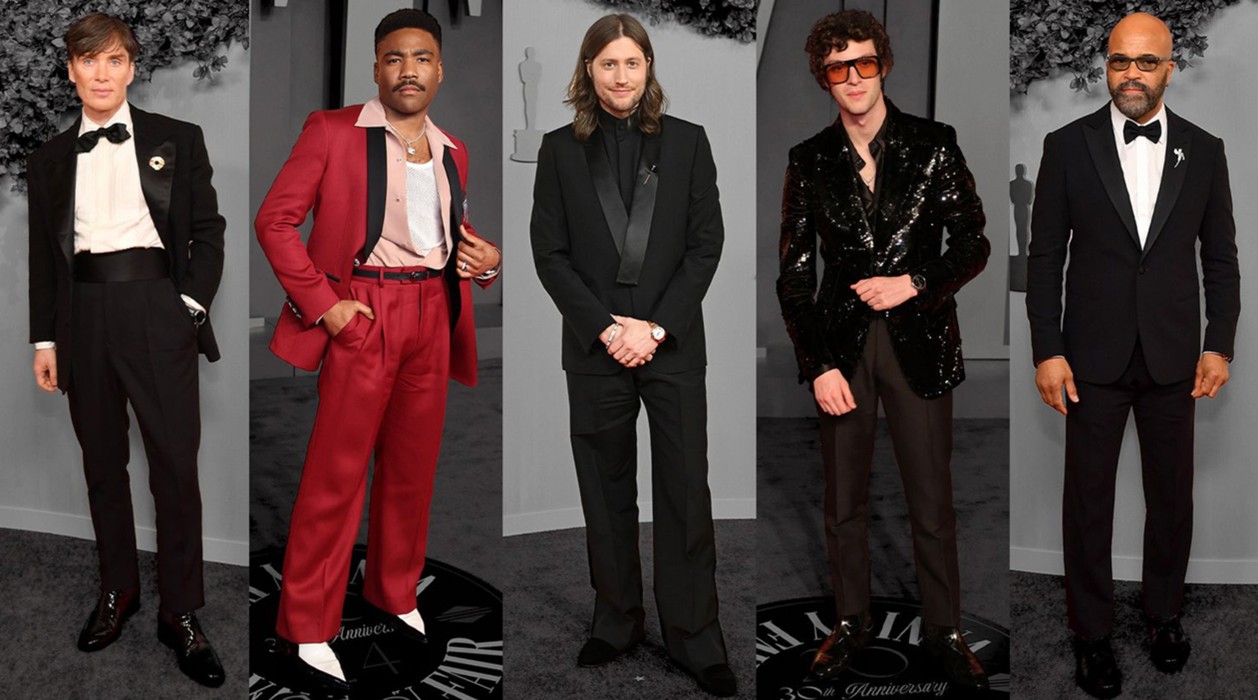
This year, the strongest impression came from restraint. Eveningwear still looked formal, but much of it felt easier in spirit. Jackets sat with less stiffness, silhouettes looked less forced, and the overall effect was more human than ceremonial.
That shift matters beyond celebrity tailoring. When the most watched red carpet of the year leans into comfort and personality, tailoring houses, clients, and event dressing conversations tend to move in the same direction.
What Is In This Article
2026’s Defining Tailoring Trends: Softer, Relaxed, and Personal
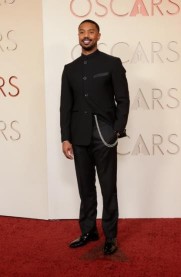
The clearest change at the Oscars was not a dramatic new shape. The change was subtler than that, visible in garments that looked composed without appearing rigid.
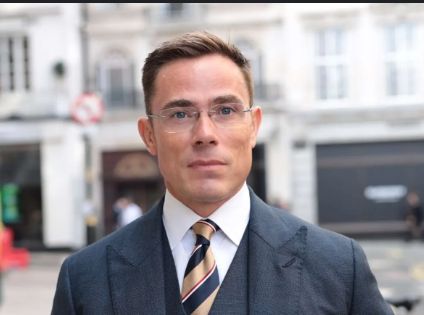
Soft tailoring showed up in several ways. Shoulder lines often appeared gentler, chest construction looked less severe, and trousers seemed to allow a little more natural movement. A modern tuxedo can still be sharp with those choices in place, but it reads differently from older ideas of formality built around stiffness and control.
Fabric played a large part as well. Texture was easier to spot this year, including velvet, dry wools, cloths with a muted sheen, and tonal combinations that gave depth without shouting for attention. On screen, those surfaces catch light more gracefully than flat, overly polished finishes.
Three details stood out:
- softer silhouettes through the shoulder and chest
- textured fabrics instead of uniformly glossy cloth
- tonal layering that added interest without obvious contrast
Savile Row has long shaped formalwear standards, but even the most traditional influences now sit alongside a wider appetite for ease. Tailoring consultants and luxury fabric mills have responded over time with cloths and cuts that support movement as much as appearance. The red carpet simply made that preference visible on a larger stage, right down to how jackets moved while people walked, turned, and stood under harsh lights.
Pro Tip: When considering a tailored garment, focus on shoulder and chest fit as these define the overall silhouette and comfort.
The Black Tuxedo: Timeless Foundation, Modern Interpretation
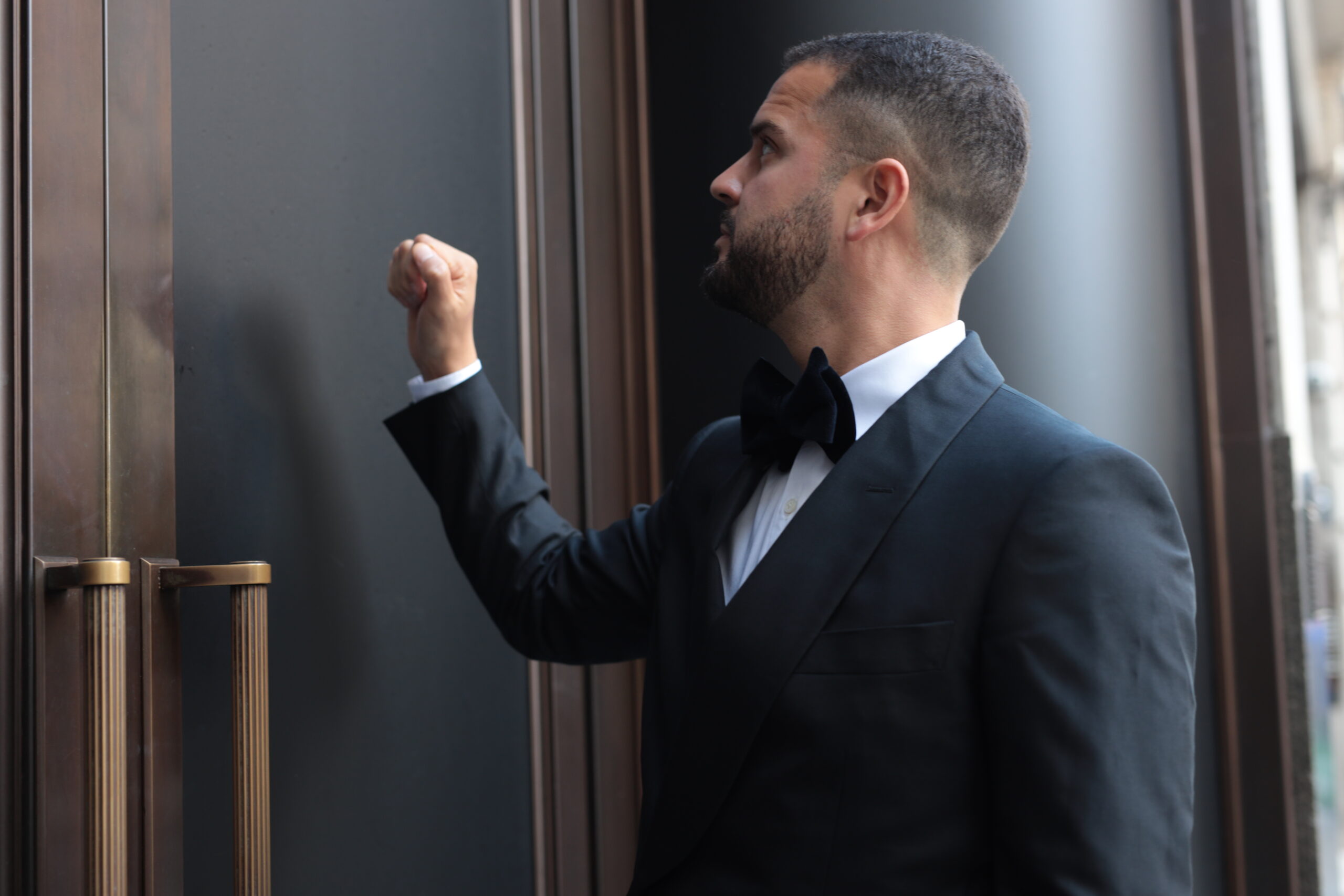
The black tuxedo remains the anchor of Oscars style for good reason. Few garments carry the same authority in eveningwear, and few are as sensitive to proportion.
What has changed is the interpretation. Older formalwear ideals often favoured a harder line, a cleaner break at the shoulder, and a more fixed sense of what a proper dinner jacket should look like. Current red carpet suits still respect those formalwear standards, yet the finish is less severe.
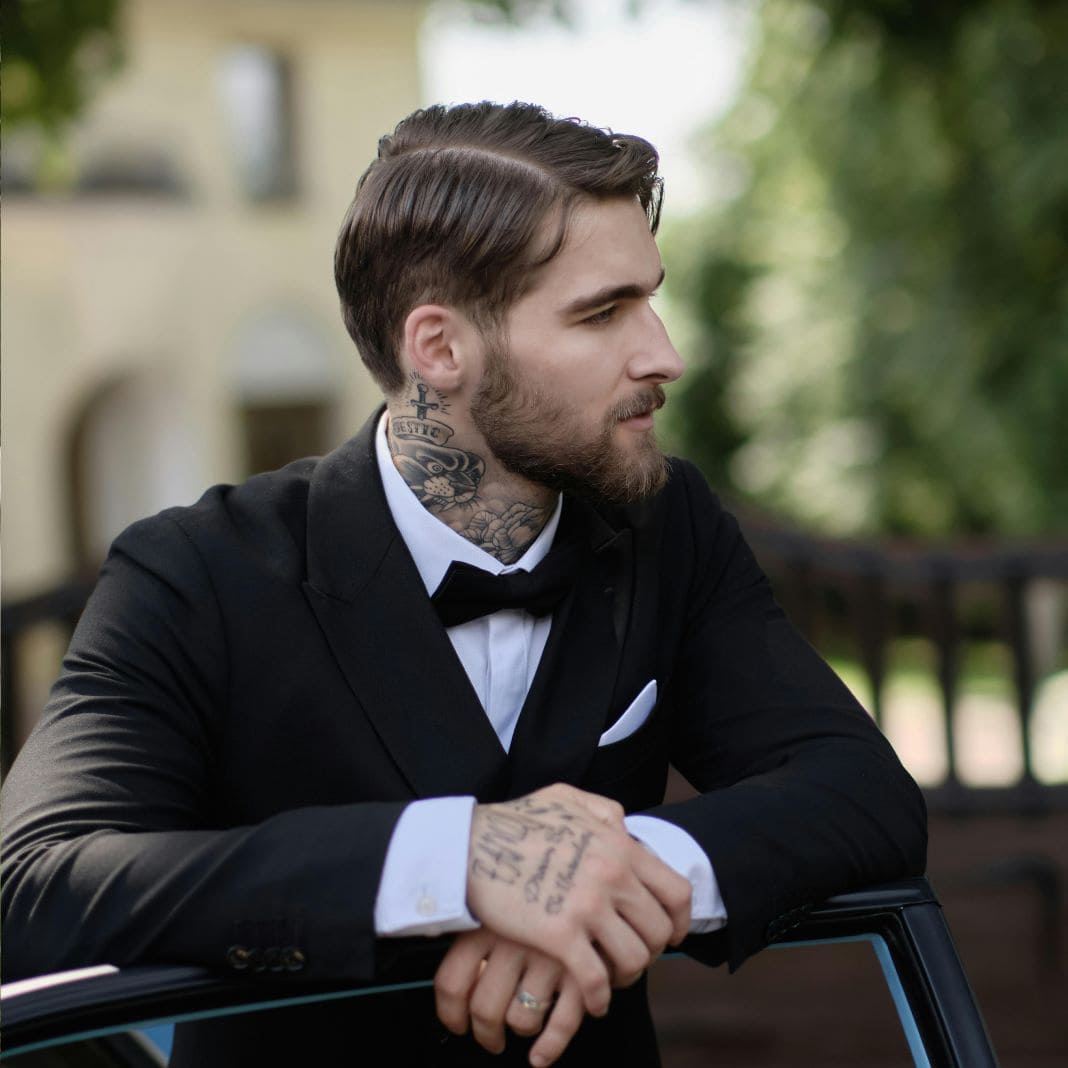
Lapel shape is one area where this becomes clear. A shawl collar can still look elegant, but its roll and scale now seem chosen with more care for the individual frame. Peak lapels remain popular too, though many appear slightly less aggressive in line. Cloth sheen has also become more restrained, which means that the tuxedo reads as refined rather than glossy.
British tailoring houses have always understood that the black tuxedo survives by adapting carefully. Within Fielding & Nicholson and similar bespoke settings, that usually means adjusting balance, sleeve pitch, trouser line, and jacket length to the person wearing it rather than forcing every client into a fixed model. On the Oscars carpet, that same principle was easy to spot in looks that felt classic without appearing frozen in time.
Pro Tip: Choosing textured fabrics and tonal combinations can add visual depth while maintaining a formal appearance.
Women’s Tailoring at the Oscars: Not an Alternative, but a Choice
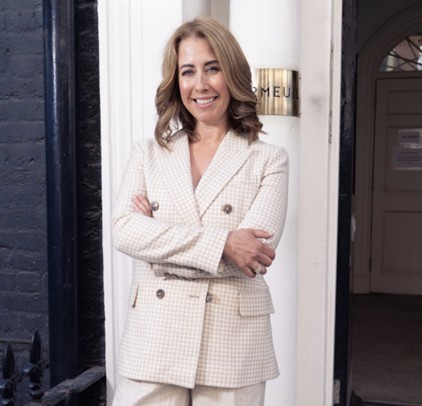
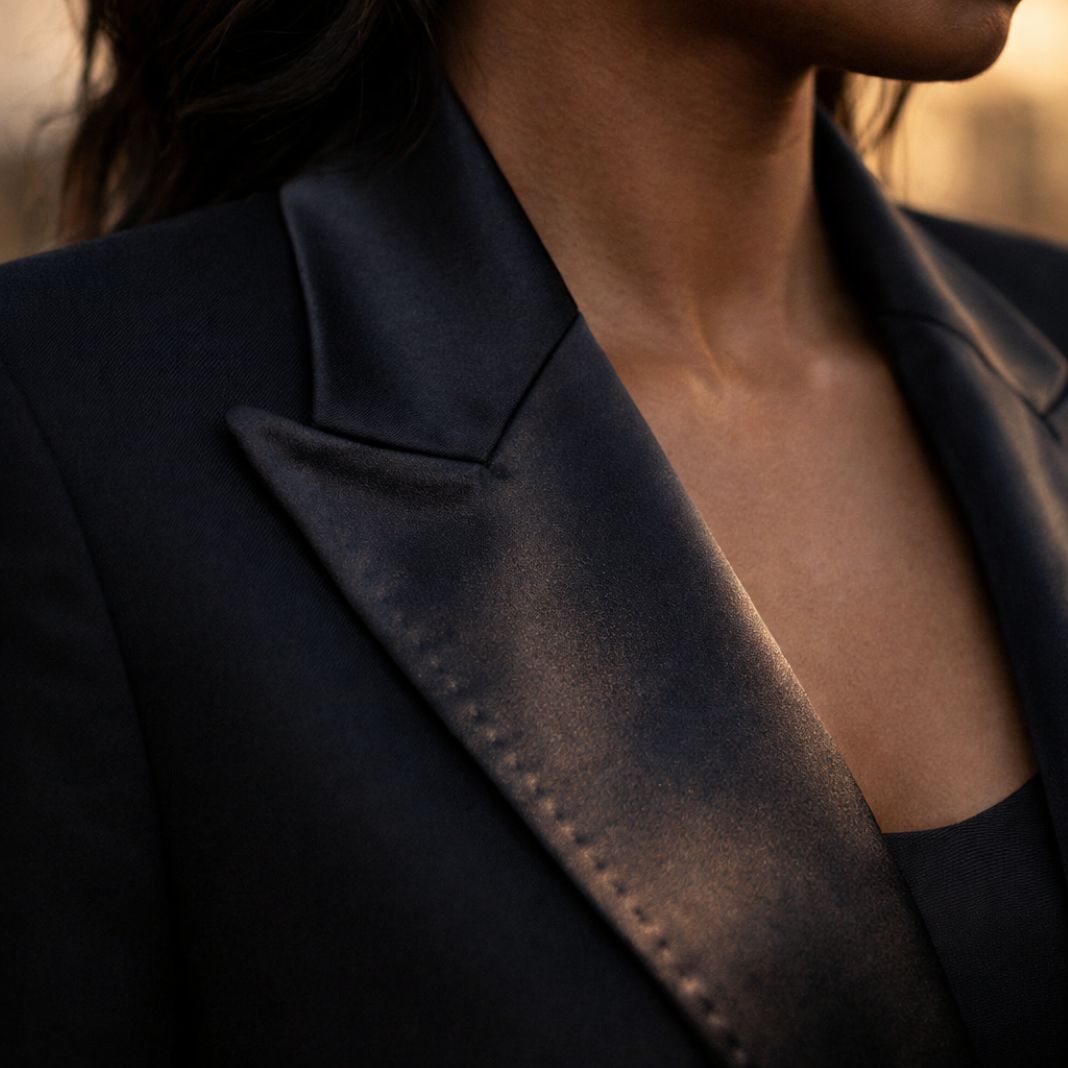
Women’s tailoring stood out because it felt fully established. Tailored suits for women no longer read as a side note to gowns at major events like the Oscars. They read as a complete formal option in their own right.
Structure and softness worked together particularly well. Jackets had shape, but many also had movement through the body and sleeve. Trousers and skirts, where used, often supported that same balance by keeping the line clean without making the wearer look constrained.
A few themes came through clearly:
- structured jackets with fluid movement
- silhouettes chosen for presence rather than novelty
- inclusive tailoring that respected individual body shape and style
That shift is significant because it moves the conversation away from old binaries. Formalwear for women is no longer framed as a decision between blending in with convention or making a statement by resisting it. Instead, the best looks suggested confidence in choice. Consultants who work across menswear, womenswear, and gender-inclusive tailoring have been moving in this direction for years, and the red carpet now reflects that broader change in taste with far more ease.
Comfort and Confidence: The Quiet Power of Proper Fit
The most memorable thing about many Oscars looks was how untroubled they seemed. People stood, walked, posed, and collected awards without appearing to battle their clothes.
Proper fit creates that effect. A jacket that sits correctly at the neck and shoulder stays calm when the wearer moves. Trousers cut with enough room through the seat and thigh avoid strain without turning baggy. Sleeves and skirt lines that are balanced properly stop the whole outfit from feeling fussy.
From a distance, nobody sees every fitting decision made by bespoke tailoring houses, master cutters, or fitting consultants. Viewers see the result instead, which is presence. A person wearing a comfortable suit usually looks more assured because attention is not being stolen by pulling cloth, tight armholes, or a waistband that never quite settles.
One simple way to think about tailoring fit is this:
- The garment should move with the body, not resist it.
- The silhouette should look intentional in still photographs and in motion.
- The wearer should forget about the garment after the first few minutes.
That is why comfort in formalwear matters so much. Ease does not dilute elegance. Ease allows elegance to come through.
Lessons for Everyday Tailoring: What the Oscars Teach Us
Most people are not dressing for the Academy Awards, but the same tailoring principles apply to ordinary life. A good suit for work, a dinner jacket for an event, or a coat worn every week all benefit from the same questions of balance, comfort, cloth, and personality.
The first lesson is that personal style usually looks better than imitation. Red carpet dressing can offer ideas about proportion, fabric texture, or colour depth, but the goal in everyday tailoring is not to copy a celebrity look exactly. The better aim is to notice what made it convincing, then apply that principle in a way that suits your own life.
Another lesson involves wardrobe development. Bespoke tailors and personal stylists often see the strongest wardrobes grow gradually, piece by piece, instead of arriving all at once through trend-led buying. A client might begin with a navy suit that works across business and social settings, then add eveningwear, separates, outerwear, or shirts as needs become clearer. That slower approach tends to produce garments that get worn often and age well.
Fielding & Nicholson has built much of its reputation around that kind of long-term relationship, which reflects a broader truth about personal tailoring. The best results often come from continuity, where preferences become clearer over time and each commission informs the next. Red carpet glamour may be distant from daily routine, yet the underlying lesson is surprisingly practical: wear clothes that support your life, fit your body properly, and leave room for your own character to show.
Why Good Tailoring Feels Effortless: The Invisible Art
Great tailoring rarely announces itself loudly. The finest garments at the 2026 Oscars did not seem memorable because of obvious flourish. They stayed in the mind because the wearer looked settled, clear, and entirely at ease.
That is the quiet skill behind expert work. Subtle detail, patient cutting, and careful fitting can disappear into the final effect, leaving only poise. In the years ahead, formalwear will probably keep moving in that direction, with understated style taking precedence over stiffness and personal ease carrying more weight than spectacle. When tailoring is done well, people notice the person first, and that remains the strongest sign of all.