What makes Tempel Wines comparable to bespoke tailoring?
Tempel Wines and bespoke tailoring share a quiet kind of confidence. They do not rely on spectacle or flash. Instead, care goes into each stage, whether fitting or fermentation, until the result feels complete. That effort shows up in balance and restraint. It is about fit, not flair.
What Is In This Article
Tempel Wines in Plain English: What They Do Differently
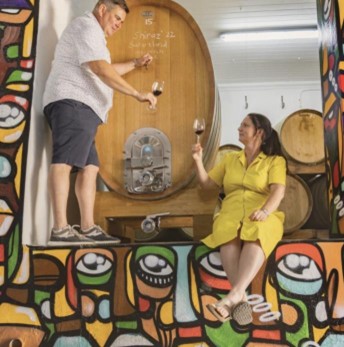
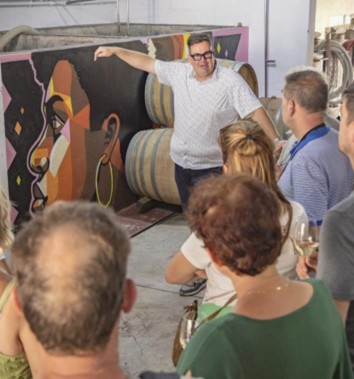
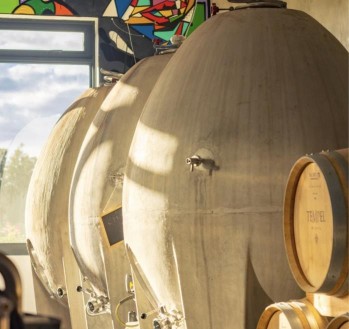
Tempel takes the long road. Their grapes are handpicked, and fermentation happens with native yeasts. They use older oak and concrete, not to make a point, but to stay out of the wine’s way.
Lees ageing adds savoury texture. Restraint defines every step. The aim is not volume. It is clarity.
You might find hay, a saline snap, or the scent of fynbos in their Chenin Blanc. These are surface notes. What matters more is how it holds together. Each part supports the next. Nothing feels added for effect.
The Shared Philosophy: Patience, Restraint, and Craft
This is not about price. It is about time and choices.
Both tailoring and winemaking depend on letting things become themselves. A sleeve line shaped over multiple fittings and a ferment that moves at its own pace reflect that same approach. The philosophy is to intervene only when necessary.
Good judgement matters. Not everything can be written down. A cutter feels where balance sits. A winemaker senses when a blend is ready. As Platter’s Wine Guide notes, Tempel stands out not for hype but for quiet commitment.

Pro Tip: Look past the label. Ask how it was made and what process decisions shaped it.
Why Fit Matters: Drape in Cloth, Balance in Wine
Fit is where everything clicks. You do not always have the words for it, but you feel it.
In tailoring, it shows up in how the garment falls and how it lets you move. In wine, it is when acidity, fruit, and structure support each other. Nothing juts out or distracts.
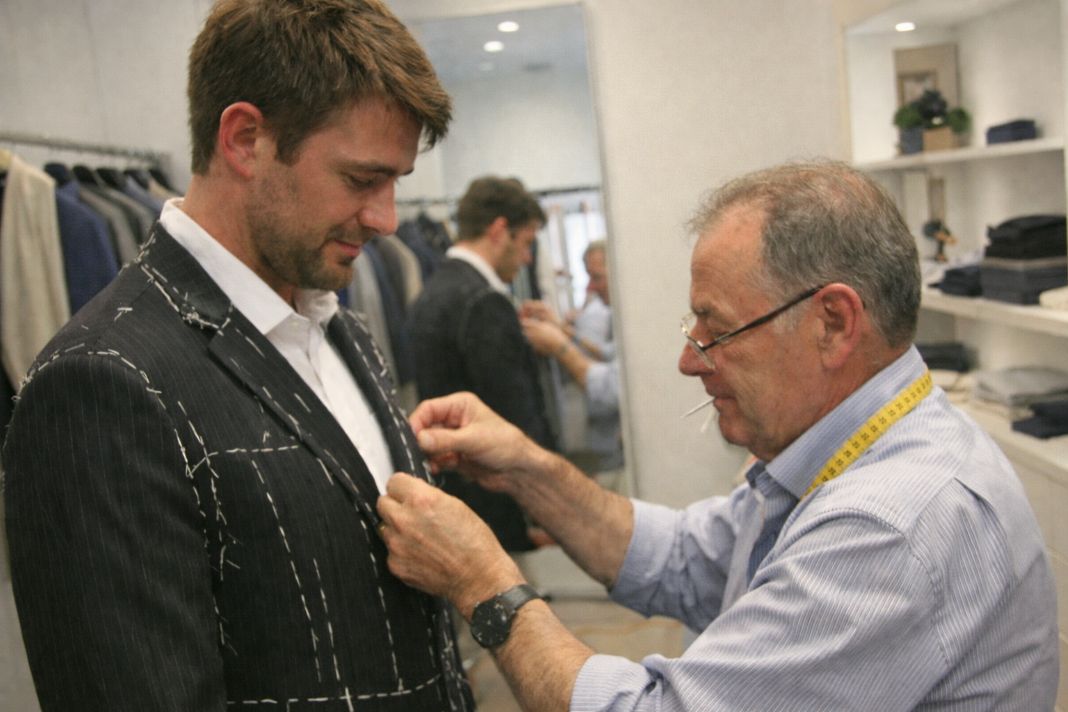
Fielding & Nicholson use baste fittings to shape that feeling. Winemakers do it through ageing and blending. The test is the same: ease without effort.
A Simple “Quiet Quality” Checklist (Wine and Wardrobe)
Wine
- Structure over sugar – Is it clean, layered, and not just fruit-forward?
- Texture that speaks – Does it finish clean, with grip or savoury notes?
- Subtle technique – Ask about wild yeast, lees ageing, or neutral vessels.
- Focused flavour – Can you describe it clearly without guessing?
- Balance check – Does everything sit together without tension?
Wardrobe
- Drape test – Does the garment follow your movement?
- Construction cues – Clean collar, steady shoulder, and correct sleeve pitch.
- Cloth feel – Does the fabric recover well and hold its shape without stiffness?
- Process markers – Was there a baste fitting? Is your pattern stored?
- Is it truly bespoke? – Ask if a cutter drafted and revised a unique pattern.
- Ease in motion – Can you forget you are wearing it?

Pro Tip: The best things don’t always stand out as they can settle in and stay with you.
Getting More Out of Both: How to Taste and Wear with Attention
Slow down.
Pour. Wait. Smell. Sip. Sip again. Let it open.
Put on your jacket. Walk. Sit. Reach. Notice the absence of resistance.
To taste wine properly, give it time. To wear something properly, let it settle into you.
This is how Fielding & Nicholson approaches each client, fitting by fitting. It is also how a good bottle rewards you as the evening unfolds. These things are not reserved for rare occasions. They are meant to be noticed and enjoyed.
Common Myths: Loud Luxury, Natural Wine, and “Bespoke” Marketing
Some terms stretch when brands get hold of them. Here is how to cut through.
-
Quiet luxury is not the same as ethics. It can be beautiful and still be poorly made. Always ask how and why something was made.
-
Natural wine is not always funky. Tempel uses natural fermentation for clarity, not chaos.
-
Bespoke is not just a buzzword. Unless there is a cutter, a paper pattern, and fittings, it is not bespoke.
How can you tell if bespoke is real? Ask who cut the pattern.
Trust what you feel. It is often more reliable than the label.
The Payoff: Sophistication That Doesn’t Need to Announce Itself
Loud fades. What stays is fit and balance. The jacket that keeps its ease. The wine that deepens over hours. Nothing needs explaining. If it feels right, that is the answer.