
What are the rules for women’s suit etiquette?
Women’s suit etiquette is about combining style, fit and formality in a way that suits the setting while still feeling authentic. Whether you’re choosing a cut, deciding how to layer, or selecting accessories, the goal is to look considered and comfortable. This guide breaks it down so you can dress with intention every time.
What Is In This Article
Step 1: Choose a Suit Style That Suits You
What should I consider when choosing a women’s suit style?
Your suit sends a message. Trousers often feel sharp and effortless. Skirts or suit dresses tend to suggest tradition or occasion. Each piece gives off a different impression.
Here’s what to weigh up:
-
Trousers vs skirts or dress suits: Some workplaces lean towards trousers because they’re flexible. Others may prefer more classic shapes. Suit dresses work well for formal events.
-
Classic vs modern cuts: A classic suit follows your shape. A boxy or oversized cut stands out, but can read as too casual in certain settings.
-
Matching sets vs mixing separates: If the colours and textures match well, mixing pieces can look purposeful. For stricter dress codes, a full suit often works best.
-
Colour rules: Navy, grey and black are always safe. Bolder colours suit less formal environments.
-
Match the moment: Think about where you’re going. Is it an interview? A wedding? A boardroom?
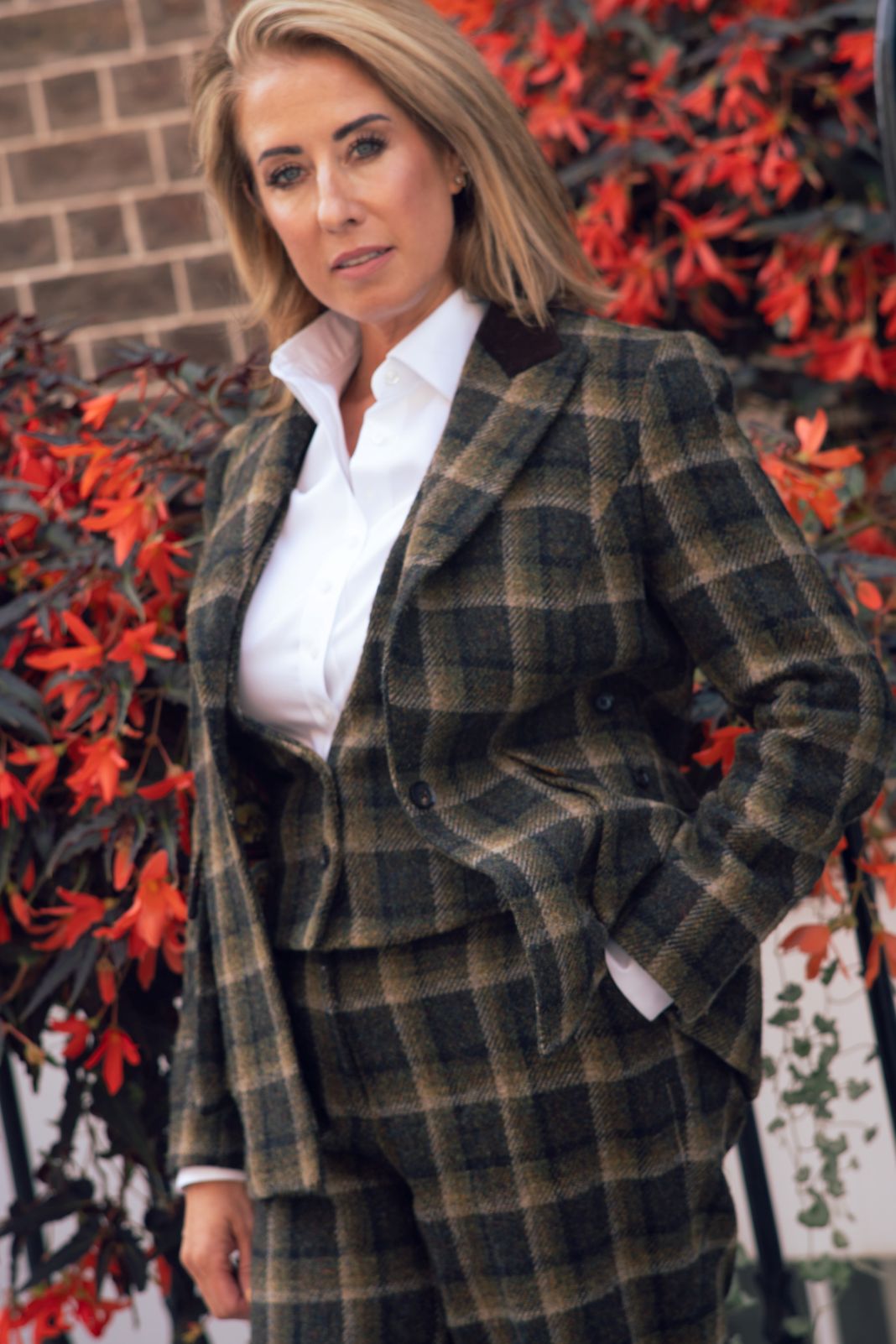
British tailoring houses like Fielding and Nicholson or the longstanding Savile Row tradition offer trusted silhouettes with structure and longevity.
Professional suit looks are best built on timeless styles. Opt for shapes and colours that speak to your role while giving you room to express confidence.
The psychology of colour in suits
The colour you wear says a lot:
-
Navy comes across as reliable.
-
Grey is neutral and adaptable.
-
Black signals power but may feel too formal day to day.
-
Cream or beige suit lighter months.
-
Bolder tones like cobalt or deep red express creativity.
Choose colours that reflect your intention and suit the event.
Pro Tip: Invest in one well-fitted suit you can style multiple ways before building out your wardrobe.
Book Your Perfect Fit
Need a suit that actually fits? Our expert tailors make elegance effortless.
Step 2: Get the Fit Right , Tailor to Your Body
Why does fit matter so much in women’s suits?
Fit changes everything. A sharp fit makes you feel capable. One that’s too loose or tight can leave you feeling unsure. This is where tailoring tips for women really make a difference.
Key fit areas:
-
Jacket shoulders and sleeves: Seams should sit right at the shoulder edge. Sleeves should stop just above the wrist.
-
Trousers: They should fall neatly without extra fabric bunching.
-
Bust, waist, hips: Focus on what matters most to you, then tailor the rest.
Quick tailoring checklist:
-
Shoulder seams aligned
-
Sleeves finishing at the wrist
-
Trouser hem matched to shoe height
-
Comfortable shaping at bust and waist
-
Jacket looks neat both open and buttoned
Simple adjustments like these make a high street suit feel made to measure. Not sure? Ask a local tailoring expert. Knowing how a suit fit for women should look gives you the clarity to buy smarter and adjust with purpose.

Pro Tip: Learn how your jacket fits across the shoulders, it’s the hardest part to tailor.
Step 3: Mind the Hemlines, Slits and Vents
What are the rules for skirt lengths and jacket vents?
The small things can throw off a look if they’re overlooked. Hemlines, slits and vents all matter.
Things to check:
-
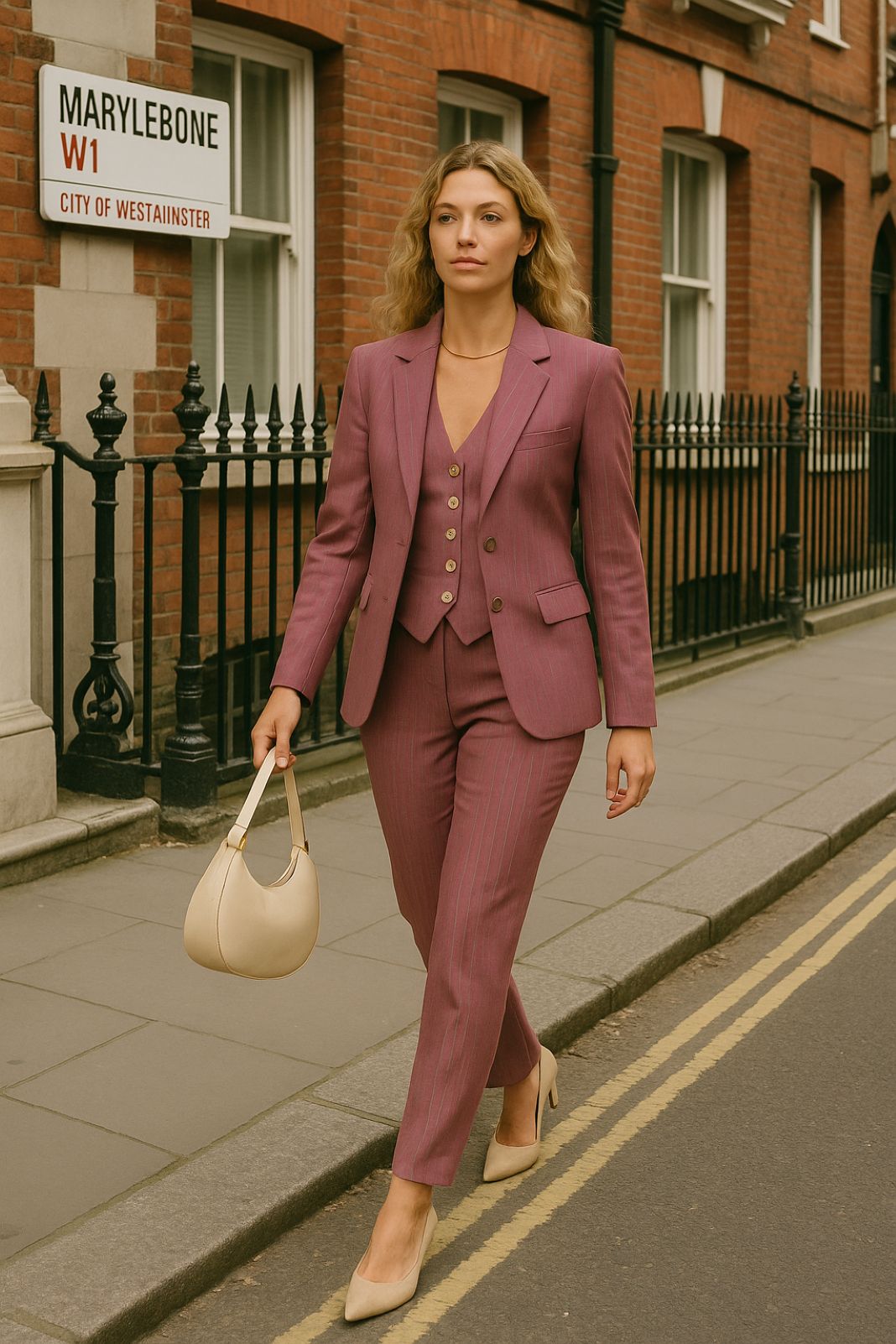
Skirt length: Just above the knee is usually safe. Mid-calf can work too, as long as it doesn’t drag you down.
-
Slits: Keep them low and subtle. They’re there for ease of movement.
-
Vents: These should open naturally as you move.
-
Trousers and shoes: A full break suits flats or loafers. A half break works with heels.
Seasonal suiting tips
Choose fabrics and layers that match the weather:
-
Spring and summer: Go for lighter blends and breathable linings.
-
Autumn and winter: Choose wool or flannel with richer tones.
Layer smarter: soft knits in the cold, sleeveless tops in the heat.
Style Advice That Works
Unsure what to wear for your next big event? Let us guide you with bespoke styling tips.
Step 4: Pick the Right Top to Wear Underneath
What kind of tops work best under a suit jacket?
The wrong top can throw everything off. A well-chosen one ties the whole outfit together.
Good options:
-
Blouses
-
Shell tops
-
Fine camisoles
Avoid:
-
Sheer fabric without layering
-
Necklines that sit too low
-
Bulky tops that shift under a blazer
The goal is smooth lines and comfort. A clean neckline or a non-clingy fabric keeps your look effortless.

Step 5: Buttoning Etiquette, What’s the Rule for Women?
How should women wear their suit jacket buttons?
Rules around buttoning can feel vague, but there are helpful patterns to follow.
Do this:
-
Fasten one button styles when standing.
-
With two buttons, close the top one only.
-
Always unbutton before sitting.
-
If wearing a skirt suit, open jackets work if what’s underneath keeps its shape.
A neat tip: Button up to enter a room. Unbutton when you sit. That rhythm feels polished. Understanding how to button a women’s blazer removes any hesitation during more formal moments.
Step 6: Choose Accessories That Add Polish, Not Noise
Which accessories work best with women’s suits?
Accessories should never compete with your suit. They should support it.
Stick to these:
-
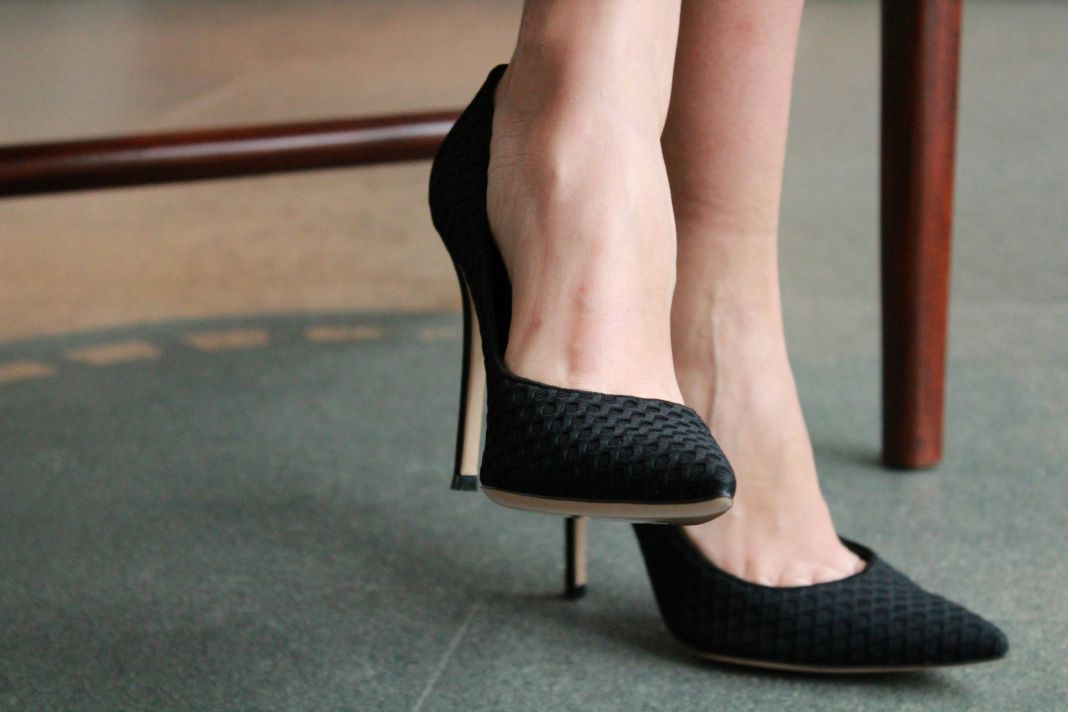
Polished loafers, court shoes or simple heels
-
Structured leather totes
-
A watch or small jewellery
-
One accessory with impact, not three
Common mistakes to avoid:
-
Trousers dragging on the floor
-
Jacket straining at the chest
-
See through tops without coverage
-
Too many accessories at once
-
Overly relaxed bags at formal events
Less is better. Make every piece count.
Step 7: Know When It’s Okay to Break the Rules
When is it appropriate to bend suit etiquette?
Some environments call for expression. That’s when rules become more flexible. This is where modern suit etiquette starts to shine.
Try this if it fits the space:
-
Use oversized or androgynous shapes
-
Add unexpected colour or pattern
-
Mix your textures or tones with care
Suit expectations across industries:
-
Legal and finance: Stick to classic matching sets
-
Corporate offices: Neutral tones with limited detail
-
Creative jobs: Bright suiting or statement touches
-
Tech or start-ups: Soft tailoring and separates are common
Adapt the look, not just to fit in, but to feel like you.
Final Step: Confidence Is the Best Fit You Can Wear
How does confidence complete a suit look?
No styling tip beats self-belief. If you feel ready, you’ll look it.
Ask yourself before you leave:
-
Am I standing tall?
-
Is my posture relaxed?
-
Can I look someone in the eye?
-
Do I feel ready for what I’m walking into?
Confidence prep routine:
-
Look in the mirror. Adjust your blazer.
-
Check your stance. Shoulders back.
-
Take a breath.
-
Carry yourself with calm energy.
-
Step out like you belong, because you do.
These are timeless power dressing tips for women. Pair the right outfit with the right mindset, and you’ll always be dressed for the moment.

