
What does it actually mean to commission bespoke tailoring?
To commission bespoke tailoring means to request a garment that is made entirely from scratch to your specifications, measurements, and preferences. It involves a personalised design and construction process where a unique paper pattern is created for you, fittings are conducted at multiple stages, and the final piece reflects both your body and your style intentions. Unlike made-to-measure, nothing is pre-cut or standardised. Commissioning is a collaborative act that relies on trust, communication, and expertise.
What Is In This Article
Who is bespoke tailoring really for?
Commissioning bespoke tailoring appeals to someone who values longevity over trend, clarity over chaos, and personal expression over off-the-rack convenience. It suits those who are thoughtful in their decisions and are looking for garments that align with their evolving lifestyle, rather than seasonal rotation.
Commissioning bespoke tailoring is not simply about ordering clothing. It involves entering a long-term relationship grounded in precision, trust, and shared understanding. This is not just about acquiring a product, it is about participating in a process that evolves, producing garments that reflect who you are and what matters to you.
Why the Usual Language Fails Here
When people ask what bespoke tailoring costs, the answer of a number rarely reflects what they truly want to know. They are seeking reassurance. Will the garment feel right? Will the decision make sense later? Will the result meet their expectations?
Practical terms like price or material do not capture what is actually being exchanged. Commissioning bespoke tailoring aligns personal standards with future outcomes. It is about setting expectations and trusting someone to meet them.
Buying a garment and commissioning one are not the same. A suit may feel like a turning point, while another feels like just another outfit. That difference often becomes clear before it can be explained. That instinctive clarity is not a misunderstanding, it confirms the process is working.
The British bespoke tradition, especially in areas such as Savile Row, reflects this value system. It prioritises decision-making confidence, long-term results, and quiet authority. In this context, asking “what you’re paying for” becomes a question about who you want to be, rather than what you want to buy.
Pro Tip: Save your pattern updates. They carry forward not just fit but feedback.

Time Is Not a Delay, It’s the Medium
Time is not a flaw in bespoke tailoring, it is the foundation that allows the process to work. The stages of a bespoke garment, baste, forward, and final fittings, are not delays. They are moments of shared learning. Each fitting reveals how your posture shifts, how you move, and how your clothing affects you. That knowledge shapes better outcomes.
Bespoke fittings explained: what happens at each stage
Speed and long-term quality rarely align. Rushed tailoring might meet a deadline, but it often falls short of future needs. One small change during a fitting can solve a discomfort you had not yet recognised, but only if there is time to understand it.
Elapsed time creates room to reflect and adjust. It allows the tailor to gain insight and helps your preferences become part of the garment. The wait is not passive, it is what makes the bespoke tailoring process time a source of refinement.
Access Means Fewer Decisions, Not More Options
People often worry they will be overwhelmed by decisions. However, the right tailoring removes complexity. A bespoke tailoring consultant helps reduce decision fatigue by offering clear direction. Most clients are not looking to become experts. They want clarity from someone they trust. Trust lightens the load. At Fielding & Nicholson, consultants do not overwhelm clients with excessive options. Instead, they guide choices that make sense. It is not about offering everything, it is about helping you see what matters.
Bespoke does not require perfect taste. It sharpens your understanding. The first bespoke tailoring consultation often leads to confidence, not through instruction, but through collaborative bespoke style guidance. Working with a tailor who understands how to balance style, practicality, and preference makes bespoke feel less like a test and more like a partnership.
Pro Tip: Build trust with one tailor over time. It compounds value and simplifies future decisions.
Judgement Is the Scarce Resource
Tools, data, and options are widely available, but only experience brings them to life. In bespoke tailoring, judgement sits with the master cutter. Their input shapes the result before fabric is even touched. This is not about trends. It is about knowing what to change, what to keep, and when to hold back.
A skilled cutter:
- Anticipates posture and movement in advance
- Balances cut and proportion to suit the client’s body
- Applies restraint to avoid over-styling or technical overreach
This judgement spots problems before they appear. It recognises when proportions need fine-tuning and when balance is off. It is earned quietly, through years of pattern recognition. Without that expertise, garments may technically fit but feel off. They might look clean but lack depth. What you are really paying for is the moment when everything aligns, and the result simply feels right. This is the outcome of true bespoke decision making.
Continuity Is Where Bespoke Starts to Compound
The real value in long-term bespoke tailoring grows over time. The first garment begins the journey. The second, third, and fifth improve it. With each commission, the tailor understands more, how you carry yourself, how your needs shift, and how your sense of style changes.
Continuity reduces friction. Less needs to be said. Your tailor remembers details: your dropped shoulder, your liking for structure, the subtle taper you prefer. These things do not need repeating. Eventually, your wardrobe forms a whole, rather than a collection. With Fielding & Nicholson, that system adjusts as your life evolves. It is adaptive, not fixed. Continuity creates wardrobe coherence and compounding improvement. Bespoke becomes a system of support, not a series of one-off garments. These bespoke tailoring benefits only emerge with time, care, and consistency.
Pattern Ownership Is Retained Understanding
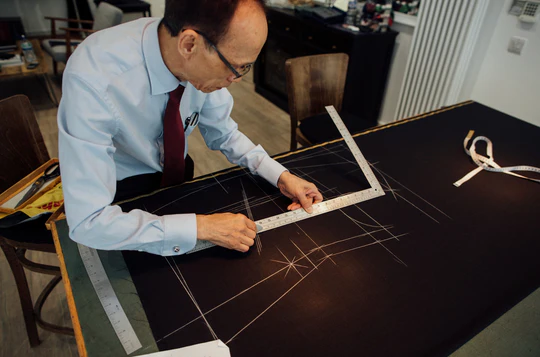
A bespoke pattern is more than a measurement, it is retained understanding. Every line in the pattern reflects a decision. Each refinement contains memory. It evolves with you, adapting to posture, routine, and feedback. It remembers what matters, even when you do not.
Owning your bespoke tailoring pattern means you begin each commission with understanding already in place. It saves time, protects fit, and keeps results aligned with you. This is not just about data, it is practical memory. This is why using a custom garment pattern or retained tailoring patterns feels so natural. They deliver results that respond to you without re-explaining who you are.
Why These Values Only Make Sense Together
Time, access, judgement, continuity, and pattern ownership are not effective in isolation. Speeding the process removes time for insight. Without access to expertise, decisions become uncertain. Break the flow of continuity, and past understanding is lost. These components support each other.
Bespoke tailoring does not follow a checklist. It is built as a system. Its value lies in how these parts interact, not in isolated features. That interaction creates a bespoke tailoring value system. One that builds over time, through shared attention and human experience. It is that experience, not automation, that carries the learning forward.
What It Means to Commission, Not Just Purchase
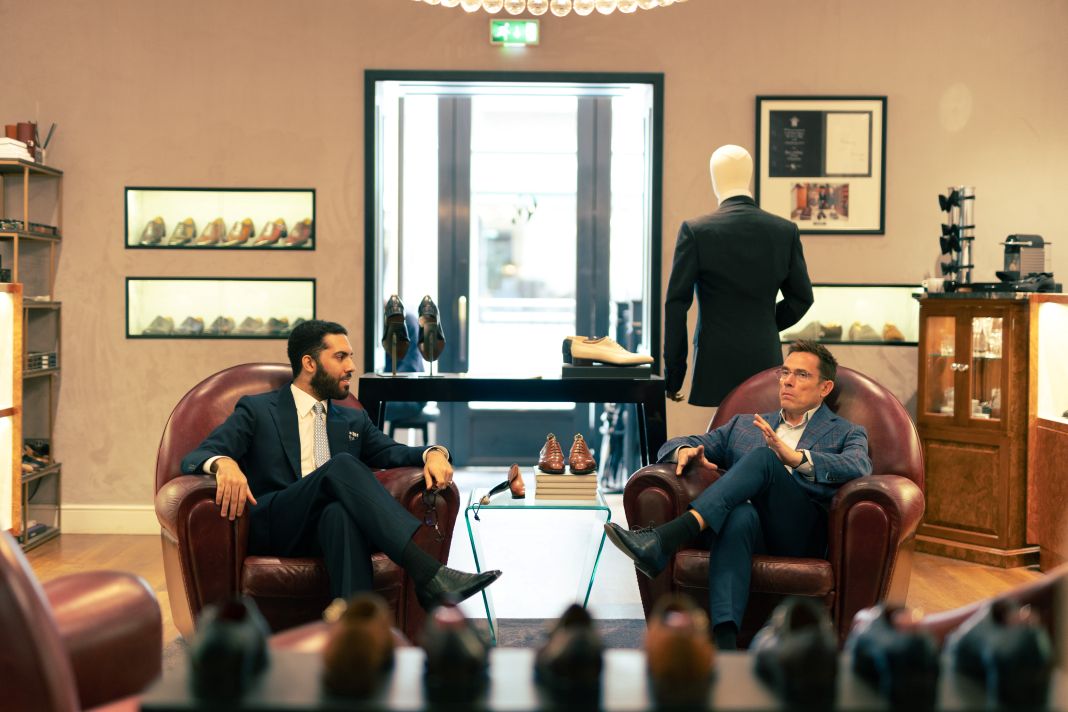
Commissioning bespoke tailoring is a decision about how you want to be supported, not just what you want to wear. As the relationship builds, less needs to be explained. Your decisions come more easily. The confidence grows quietly and becomes part of you.
Clients who work long-term with tailoring houses such as Fielding & Nicholson often describe more than satisfaction. They describe ease. They feel their clothing supports who they are, without requiring explanation. That is the true outcome of commissioning bespoke tailoring. It is built from understanding, not just fabric and fit.