
What should you wear to the Oxford vs Cambridge Boat Race?
The Oxford vs Cambridge Boat Race is a celebration of British tradition, spirited rivalry and springtime elegance. It calls for an outfit that blends style with comfort, where tailoring takes centre stage. Dressing with intent enhances the day and helps you feel more connected to the occasion. This guide walks you through each detail with quiet confidence.
What Is In This Article
A Tailor’s Introduction to Dressing for the Oxford vs Cambridge Boat Race
The Boat Race is a real annual rowing contest between Oxford University and Cambridge University, managed by The Boat Race Company Ltd. Crowds gather along the Thames River to cheer under early spring skies. The dress code is smart yet relaxed, and tailoring becomes more than aesthetic. It serves a practical purpose.
Some attendees arrive either too casually or too formally dressed. A blazer that maintains structure, trousers with clean lines, and layers that adapt to the weather all ensure comfort and style. Dressing for the Boat Race feels like tuning an instrument. Every adjustment brings your outfit into balance with the riverside atmosphere.
Understanding Boat Race Style: Smart, Relaxed, and Distinctly British
The Boat Race encourages understated British style. Unlike more flamboyant events such as Henley or Ascot, this occasion leans into a smarter form of casual. Here, smart casual means choosing pieces that combine polish with comfort.
Trousers with clean cuts, softly structured knitwear, and classic leather shoes form a reliable base. Pairing a sharp knit with a tailored jacket creates visual harmony. Avoid extremes in formality. Instead, aim for an outfit that reflects thoughtful ease and fits within the expectations of British spring tailoring.
Pro Tip: Avoid going too casual or too formal. The key to Boat Race style is refined ease.
Why Bespoke Tailoring Outperforms Ready-to-Wear at the Boat Race
Tailors such as Fielding & Nicholson craft garments that work with your body and surroundings. Bespoke tailoring adjusts to spring conditions, natural movement and the need for refined layering.
Tailored garments adapt to your posture and provide stability in changing weather. A well-fitted jacket with sleeves designed for motion or trousers that sit securely without readjustment can make the difference in comfort. Subtle choices, like a customised lining or refined lapel, allow you to express personality without being loud.
The result is an experience of quiet luxury. Bespoke pieces reflect who you are while supporting the day’s demands.
For those unfamiliar with the process, the bespoke tailoring journey is about more than measurements. It creates confidence through precision, intention and timeless style.
The Perfect Fit: How Tailoring Enhances Comfort for a Day Outdoors
Tailoring shapes a garment around your natural posture and proportions. High armholes increase ease of movement, and sleeves shaped with your range of motion in mind reduce stiffness.
Trousers designed with attention to tapering and rise stay comfortable during long periods of standing or walking. Well-fitted garments move with you and retain their shape throughout the day, adding grace and ease to your presence.
Pro Tip: Choose a fabric that responds well to movement and spring chill, think technical wool or gabardine.
Choosing the Right Fabrics for Early-Spring Weather by the Thames
British spring weather demands thoughtful fabric selection. Choose textiles that balance insulation with breathability. Merino wool and flannel provide warmth without excess weight. Gabardine and cotton drill are excellent options for withstanding wind and light moisture.
Technical wool blends are also effective for weather resilience and structure, particularly in garments like a spring blazer or lightweight overcoat.
Avoid stiff or delicate materials that crease easily or react poorly to breezy conditions. Fabrics should hold shape, regulate temperature and respond to movement.
Colours That Work: Subtle Ways to Support Oxford or Cambridge
Support your team colours through refined touches. Oxford’s deep navy and Cambridge’s soft blue become elegant statements when used sparingly.
Accent your outfit with scarves, pocket squares, sock details or linings in team tones. Build the core of your look around neutral colours such as navy, taupe, grey or cream. When applied with care, colour adds affiliation without overt branding.
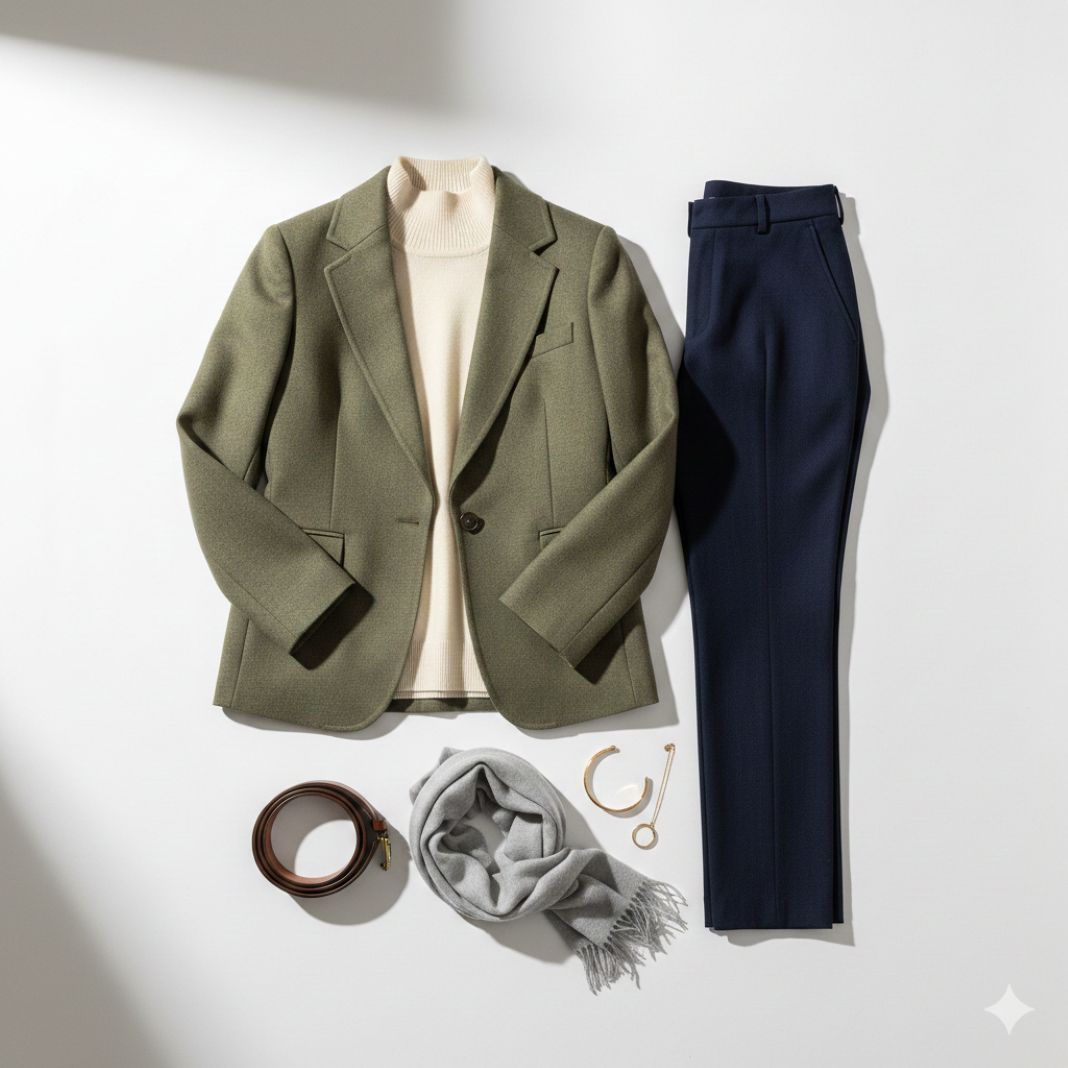
Men’s Outfit Architecture: Building a Stylish, Bespoke-Inspired Look
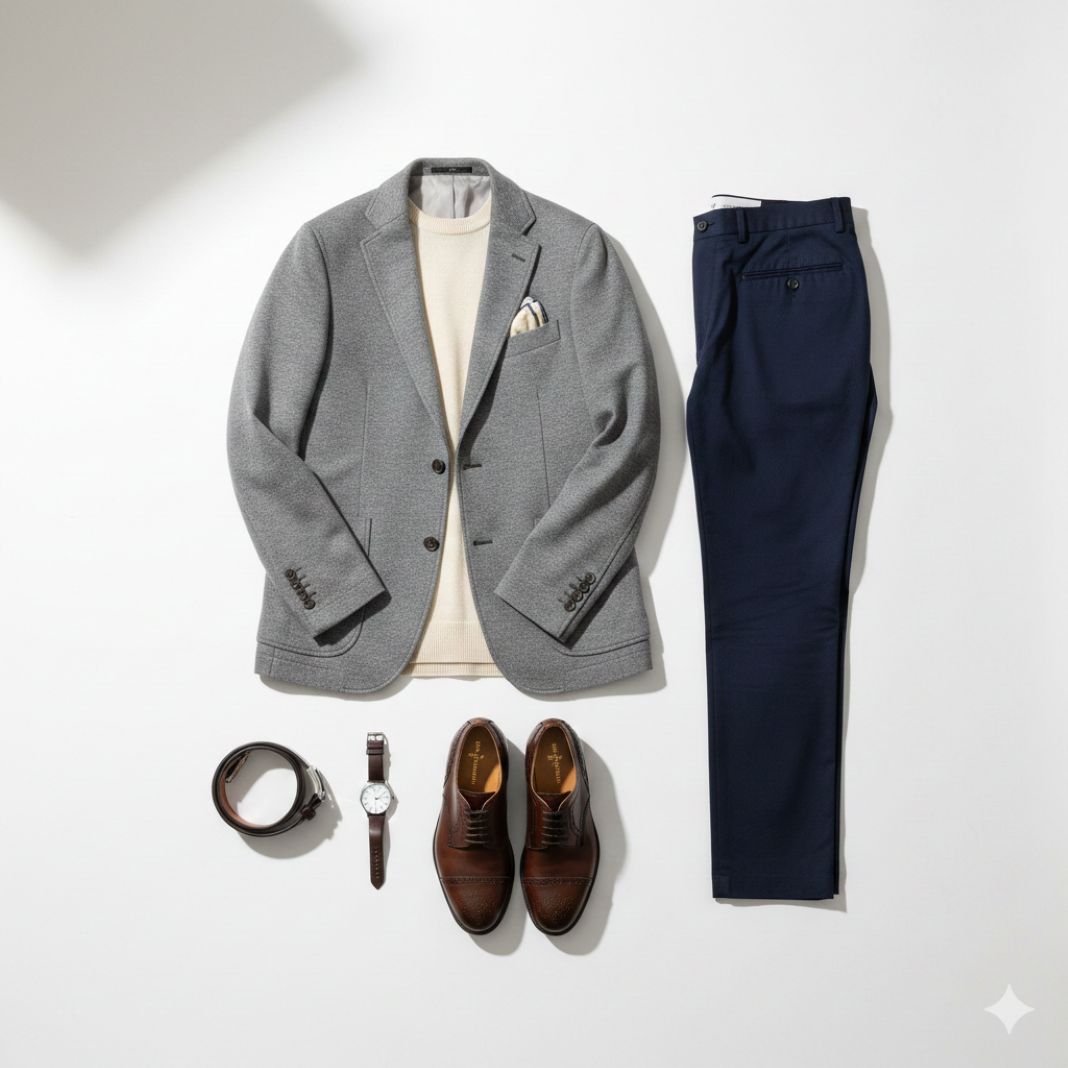
Begin with tailored trousers in wool or drill cotton. Pair them with a crisp shirt or fine knit. Add a blazer with a soft shoulder to offer structure without restriction.
Footwear should be both stylish and walkable. Loafers or brogues in polished leather complement the look. Accessories such as a slim watch or pocket square provide the finishing details. Each element should enhance the outfit’s shape and feel.
This outfit foundation works particularly well within the framework of a British spring tailoring approach.
Women’s Outfit Architecture: Tailored Elegance for the Boat Race
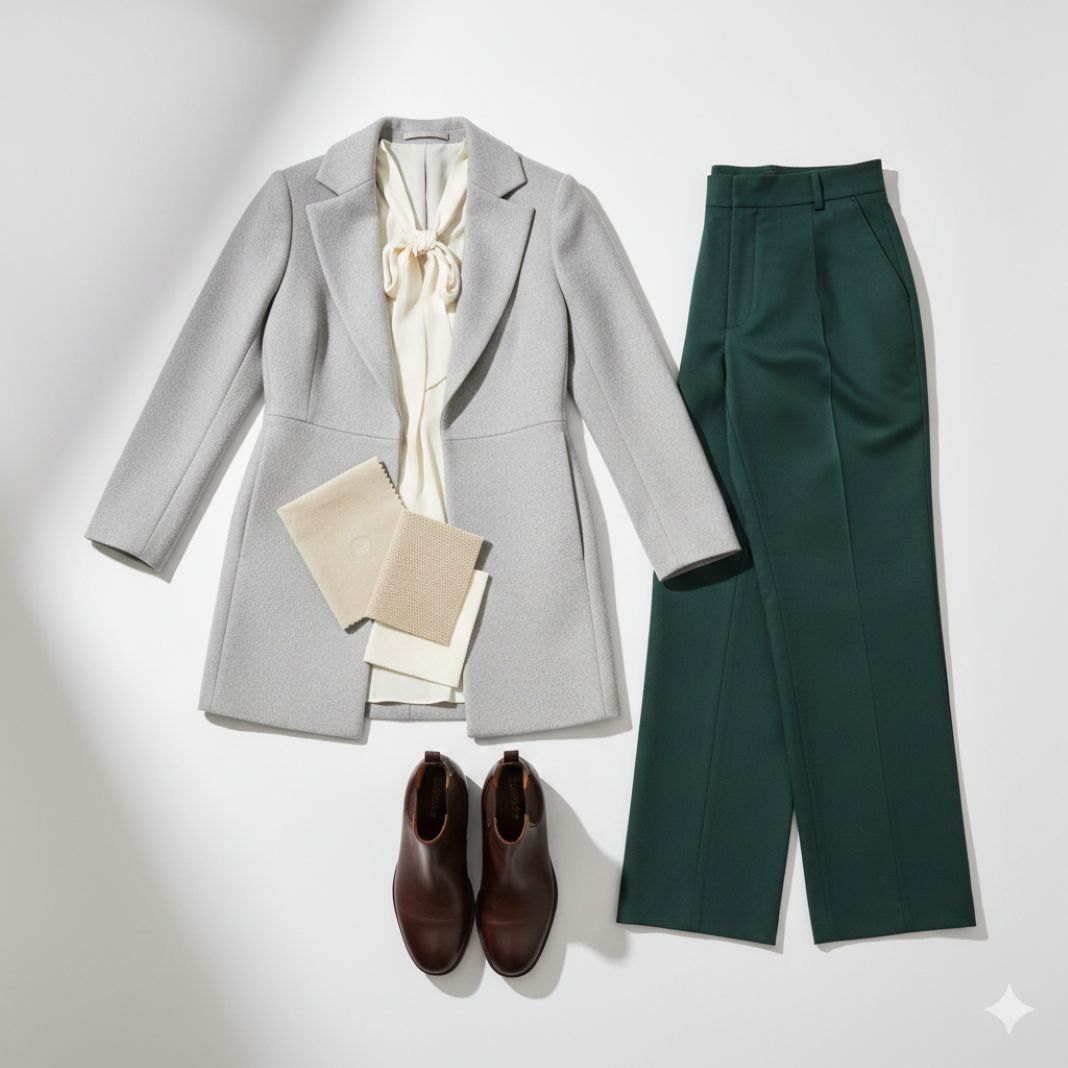
A woman’s Boat Race look starts with clarity in structure. Choose a tailored blazer or spring coat as the foundation. Pair it with smart trousers or a skirt that holds form. Prioritise fabrics that respond well to movement and layering.
Select footwear designed for the outdoors, like block heels, boots or loafers. Introduce texture and detail through wool, suede or cotton, but avoid anything overly decorative. Aim for assured elegance that is easy to wear.
Consider investing in a women’s bespoke outfit that reflects both season and silhouette. This choice enhances comfort and personal style.
Layering Like a Tailor: Staying Warm, Polished, and Weather-Proof
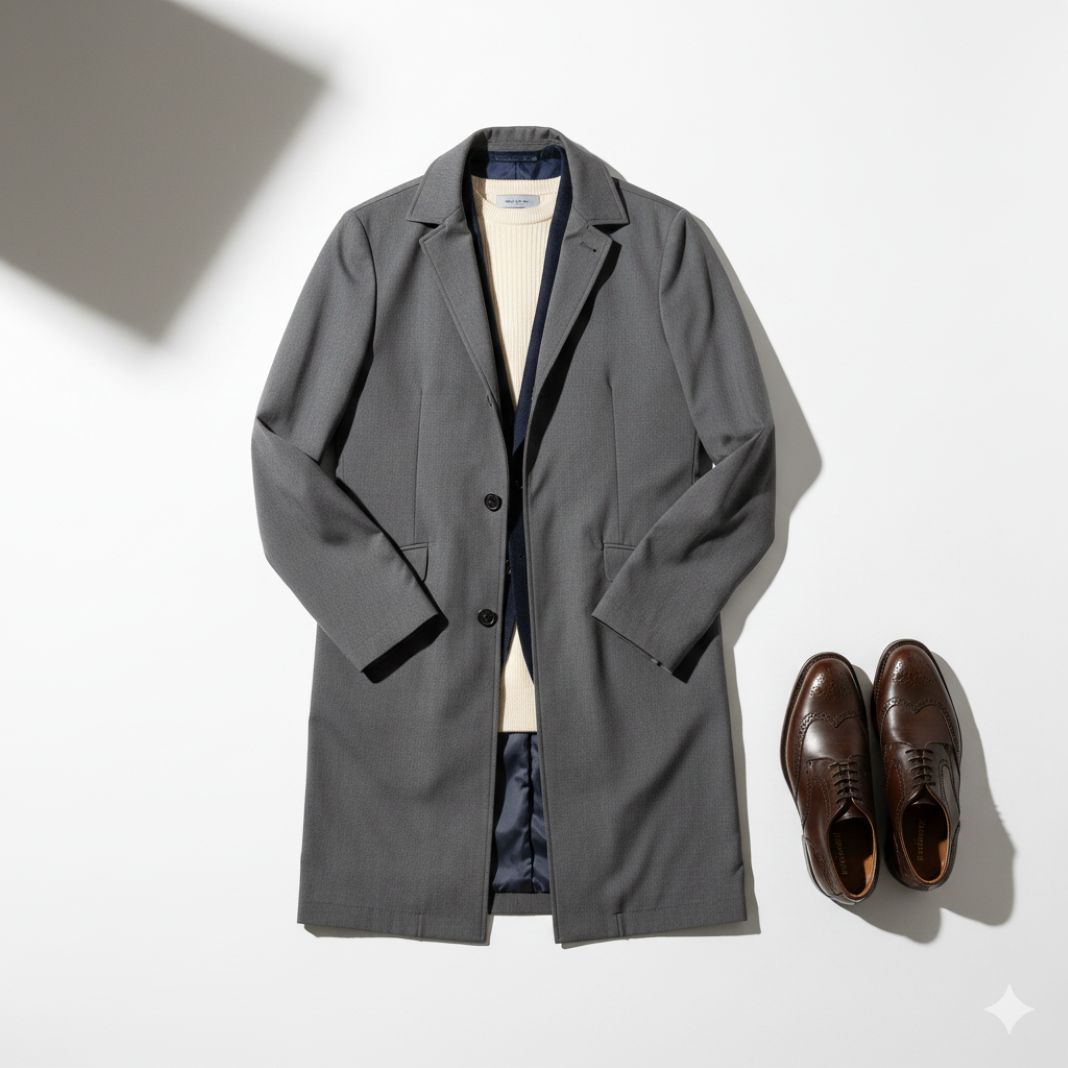
Effective layering begins with breathable knitwear. Add a fitted blazer and complete the structure with a light outer layer that offers wind protection. Each garment should rest smoothly over the next.
Avoid bulk. The goal is to maintain warmth and shape without overcomplication. Well-planned layers work together and preserve a clear silhouette.
The Outerwear Edit: Blazers, Coats, and Transitional Pieces That Work
Your choice of outerwear should align with the weather and the formality of the event. For dry days, a tailored blazer is sufficient. On colder days, wear a single-breasted overcoat, a waxed mac or a sharply tailored travel coat.
Technical fabrics such as gabardine or performance wool blends can be ideal for British spring tailoring, especially when designed to resist wind and retain drape.
Choose styles with clean lines that complement your outfit’s structure. Technical fabrics can work if styled correctly. Your outerwear should look refined and handle spring weather with ease.
Accessories That Add Personality Without Overstatement
Accessories enhance your outfit without dominating it. A scarf in collegiate colours, a heritage watch or a leather belt adds personality with subtlety.
Choose just one or two accents. A pocket square, finely cut sunglasses or textured leather detail can bring harmony to your ensemble. The key is to show quiet confidence in your choices.
Footwear Choices Made for Grass, Paths, and Riverside Terrain
Choose footwear that suits mixed terrain. For men, brogues or loafers in dark leather are practical and stylish. For women, consider Chelsea boots, loafers or block-heeled shoes that provide stability.
Avoid anything too delicate or poorly suited to wet grass. Comfort, grip and elegance matter equally when walking long stretches by the river.
How to Commission a Bespoke Boat Race Outfit (Process + Timeline)
Start with a consultation that captures your style, the setting and the practical needs of the day. Tailors such as Fielding & Nicholson then guide you through fabric selection and take precise measurements.
Expect multiple fittings. These include baste and forward stages, which refine the fit and detail placement. Allow six to eight weeks for completion. The end result is a garment that feels both personal and purposeful. It is the true product of a bespoke tailoring journey.
Tailoring Solutions for Different Body Types and Style Preferences
Tailoring allows each person to dress in a way that suits their proportions. Shorter frames benefit from careful vertical design. Broader shoulders require balanced lapels and structured seams. Fuller silhouettes work best with draped fabrics and tapering.
Rather than attempt disguise, tailoring highlights the wearer’s strengths. It adapts to the person, rather than asking the person to adapt to the garment.
Closing Notes: The Confidence of Wearing Tailored Clothing at a British Classic
Dressing for the Boat Race is a way of participating in something enduring. Tailored clothing helps you move through the day with composure and clarity. The right fit, fabric and details provide more than aesthetics. They support comfort and presence.
A bespoke outfit allows you to align with the moment. It lets you express who you are with quiet ease and clarity. When grounded in British spring tailoring, the result is timeless and unmistakably your own.