
What is the most appropriate suit to wear in court or legal settings?
A suit for court or formal legal settings should be conservatively customised, dark in colour, and free from distracting elements. It must convey respect, neutrality and professionalism, aligning with the seriousness of the environment without drawing attention.
What Is In This Article
Knowledge the Stakes: Why Your Suit Matters in Legal Settings
Courtrooms are not just places of argument and adjudication. They are formal spaces where every detail, including personal appearance, carries implicit meaning.
From the moment you step into the room, your attire becomes part of the environment’s visual language. A well-chosen suit signals awareness of the setting, respect for its protocols, and a readiness to be taken seriously. Judges, juries and legal professionals will not comment directly on your clothing, but it shapes how your credibility and intent are perceived.
Wearing the right clothing helps anchor you mentally. In high-stress legal contexts, dressing inappropriately can feel like showing up unprepared. Traditional businesswear does not always meet the more conservative tone preferred in legal environments. Formal legal wear is often simpler, more structured, and quieter by design.
Common attire errors in court include:
- Wearing flashy or patterned ties or shirts
- Choosing a light or unconventional suit colour
- Over-accessorising with bold watches or jewellery
- Opting for fashion-forward cuts or visible branding
- Wearing ill-fitting or unpressed garments
In legal settings, appearance communicates more than style. It speaks to your respect for procedure, your grasp of formality, and your awareness of the room you are entering.
Pro Tip: Always run a full outfit check the evening before your court appearance to avoid last-minute issues.
The Core Elements of a Court-Appropriate Suit
A suit for legal proceedings differs subtly from typical business attire. The key is structure, restraint and balance.
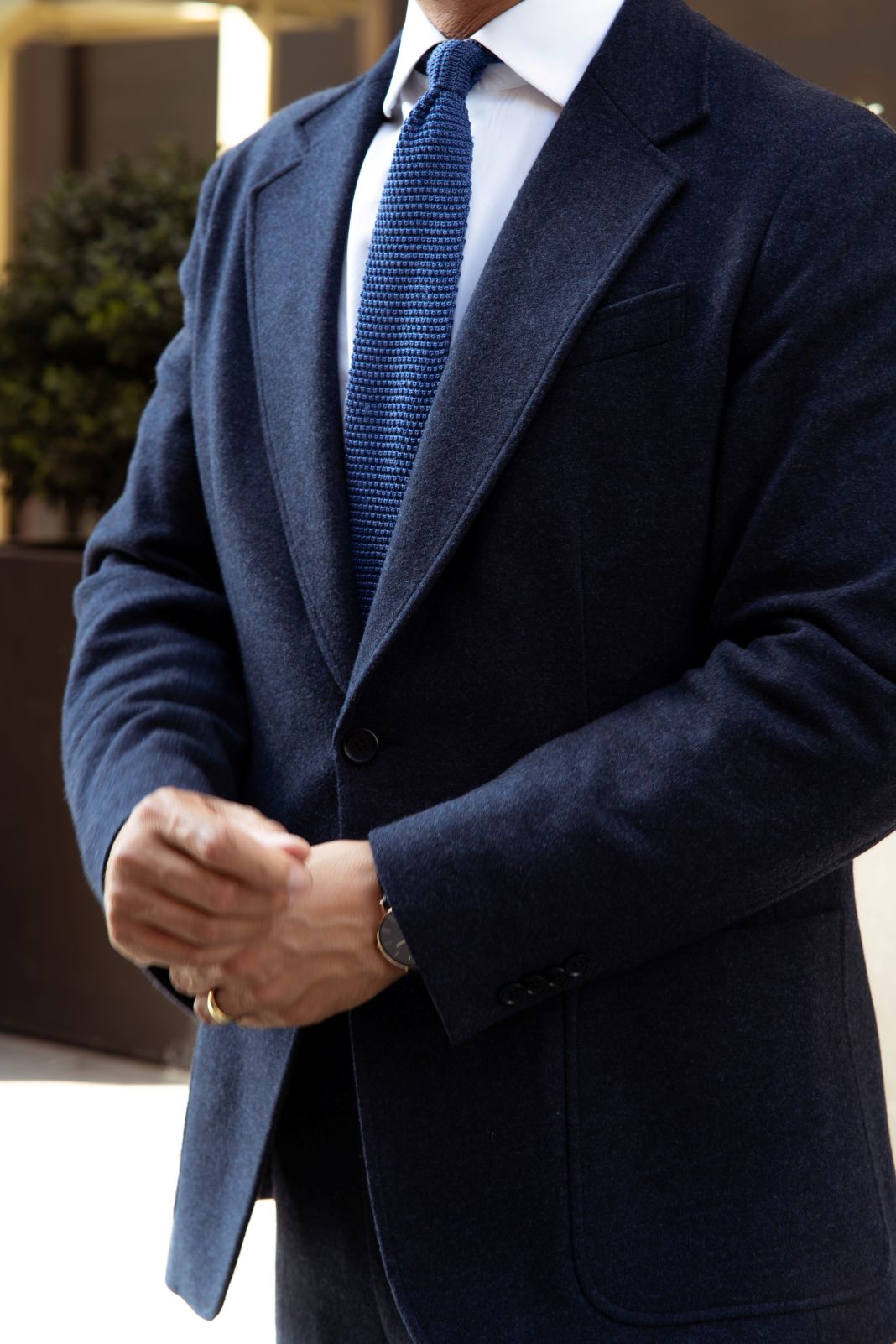
- Single-breasted jacket A single-breasted suit is generally more conservative and widely accepted in formal legal settings. It appears cleaner and less stylised than a double-breasted alternative.
- Two buttons only Stick to a classic two-button closure. Three-button suits can feel dated, while one-button suits lean toward the casual or fashionable.
- Notched lapels, not too wide or narrow Wide peak lapels can feel theatrical. Go for moderate-width notched lapels that sit naturally on the chest without distraction.
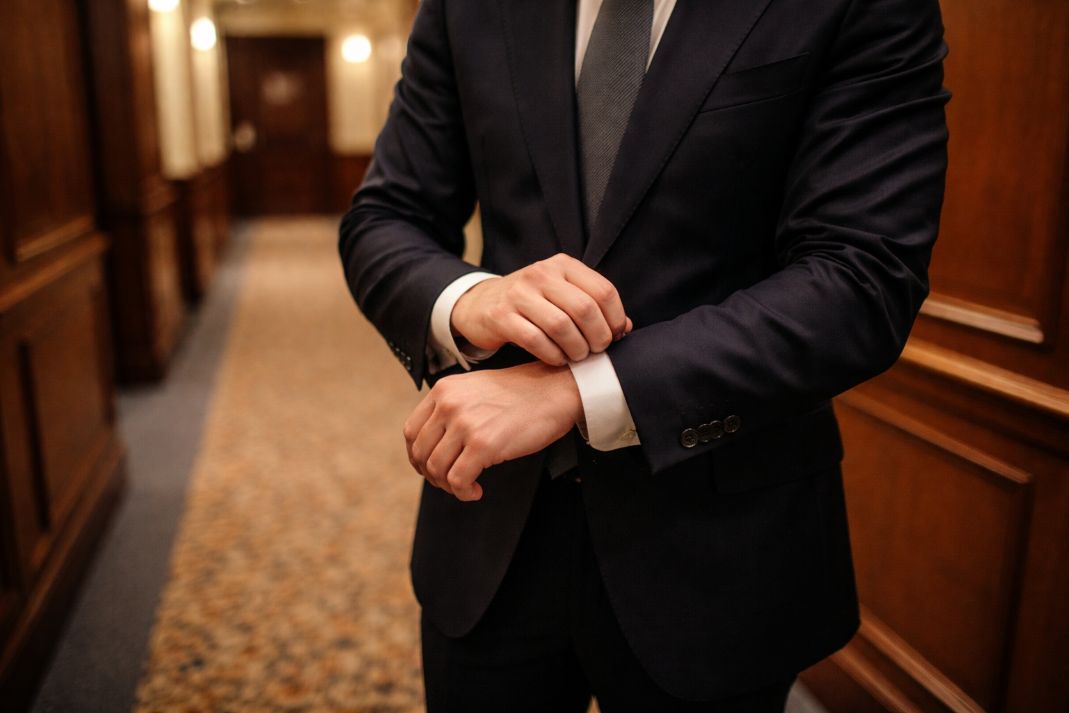
- Dark, neutral colours Navy, charcoal, or dark grey are safest. Black can feel overly stark in UK courtrooms, where it is associated more with the judiciary than attendees.
- Simple lining and structure A lightly padded shoulder supports presence without exaggeration. Avoid eccentric linings or brightly coloured stitchwork.
- No patterns, branding or flashy finishes Keep the cloth matte, the buttons plain, and every element quiet. The aim is presence, not performance.
A well-made court-appropriate suit balances gravity with refinement. Tailors at Fielding & Nicholson often use traditional British structures known for their quiet strength, allowing clients to feel composed without theatricality.

Pro Tip: Avoid black suits in UK courts unless you are part of the judiciary, as they can send the wrong signal.
Colour, Cloth, and Cut: Choosing the Right Fabric and Finish
In high-stakes environments, what you wear needs to support you from the inside out. Fabric plays a key role here, not just in appearance, but in how the suit behaves under pressure.
Colour
The preferred suit colours for court are:
- Charcoal grey: formal and neutral, ideal for most legal scenarios
- Navy: professional and dependable, slightly less sombre
- Mid-grey: softer but still formal
All of these read as serious, respectful and appropriate without excess severity. Avoid light greys, beige tones or novelty shades.
Cloth
Fabrics should carry weight and drape naturally:
- Worsted wool: the most common and dependable courtroom fabric. Smooth, breathable and structured.
- Flannel: slightly softer and more textured, suitable for colder seasons.
- Tropical wool or lightweight blends: appropriate in summer, but ensure they retain shape and do not crease easily.
Avoid anything with a visible sheen or excessively open weave. Matted, tightly woven cloths communicate better control and authority.
Cut
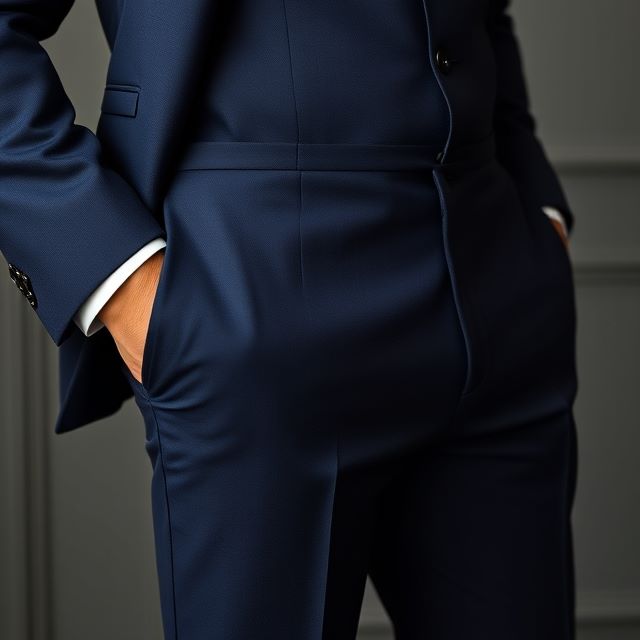
Fit and proportion matter deeply. A courtroom suit should not cling, droop, or exaggerate. It should sit cleanly over the shoulders, flow through the torso, and allow you to sit and stand comfortably. At Fielding & Nicholson, consultants use structured cutting to ensure garments hold their shape even after extended sitting or movement.
Shirts, Ties, and Accessories: What Completes the Look
The foundation may be strong, but the execution lies in restraint. A smart suit can be compromised instantly by a loud tie or casual shirt.
Shirts
- White or pale blue only These communicate freshness and neutrality. Avoid stripes, bold colours or shirts with contrast collars unless expressly advised.
- Structured collars A semi-spread or classic collar is preferable. Keep it firm enough to frame your tie elegantly.
Ties
- Solid colours or small, unobtrusive patterns Navy, burgundy, and forest green are safe choices. Small dots or fine regimental stripes work if muted.
- Avoid: bright hues, novelty prints, or fashion-forward knots. The tie should support your presentation, not become its focal point.
Accessories
- Cufflinks: simple, small, silver-toned
- Watch: classic, not oversized, with a leather strap
- Belt: leather, black or brown, with a plain buckle
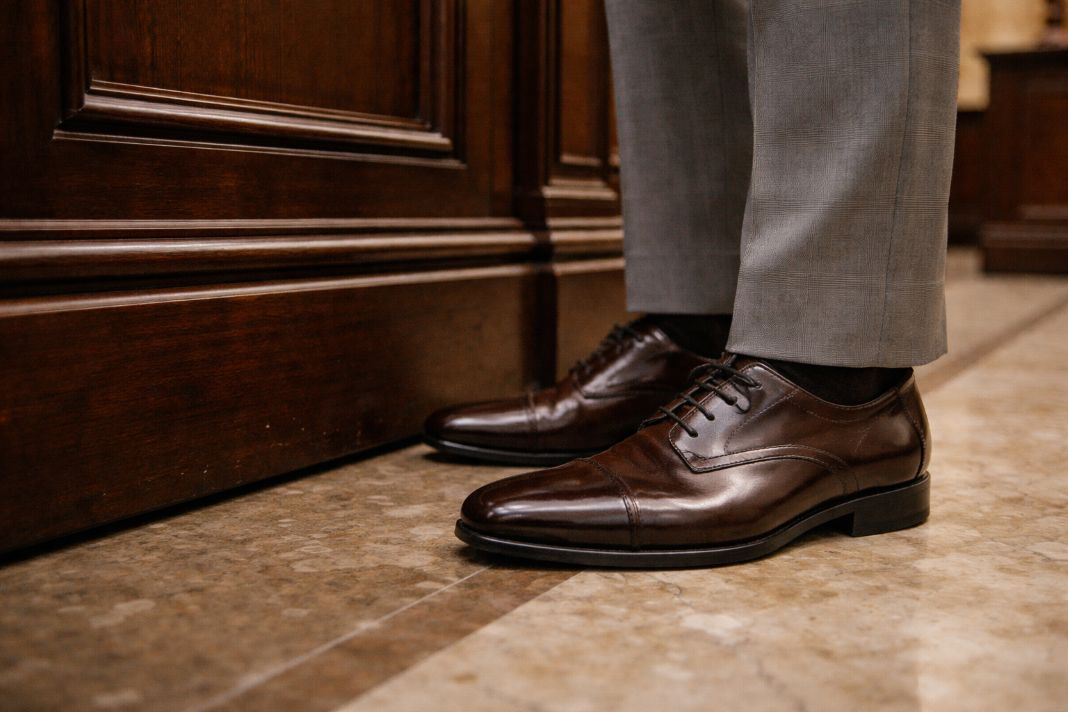
- Shoes: black or dark brown oxfords, well-polished
- Pocket squares: best avoided unless white and extremely subtle
Even something seemingly minor, a sports watch or jazzy socks, can distract in high-stakes surroundings. The safest approach is minimal and consistent.
Common finishing errors include:
- Wearing bright or theme-pattern socks
- Choosing matching tie and pocket square sets
- Using strong aftershave or cologne
- Failing to iron cuffs or collars properly
- Wearing visible brand logos
Dressing for Different Legal Roles and Contexts
Context shapes expectation. Not everyone in a legal setting is a barrister or defendant. What you wear should reflect your role and not overstep it.
If you are a solicitor
Formal, dark suits are standard. Subtle ties and clean shirts project authority. The aim is quiet consistency, not personal expression. A waistcoat is often optional unless specifically matched.
If you are a witness
Conservatively dress as you would for a formal business meeting. Aim for presentability without flair. Neutral colours, softened tones and clean cuts are appropriate.
If you are a defendant
Appearance should strike a respectful and sincere tone. Avoid expensive or flamboyant patterns and opt for moderate formality. A darker suit, pale shirt, simple tie and formal shoes communicate composure without excess.
If you are attending family court
Outfits should feel formal but gentle. Mid-grey suits and soft-coloured shirts are often better than sharp contrasts. Avoid anything that appears aggressive or theatrical.
If you are involved in a tribunal or administrative hearing
The clothing standard remains formal, but the tone may be slightly less traditional. Even in these settings, a classic dark suit with a clean white shirt remains an excellent choice.
Nathalie May and other tailoring consultants at Fielding & Nicholson work closely with clients to achieve the right balance of formality and tone, especially where a client’s legal role requires particular care
Fit and Confidence: Why Tailoring Matters More Than Labels
A flawless garment with poor fit contributes little. The way a suit supports your stance, movement and breath matters far more than branding.
A sharp fit provides:
- Natural posture without stiffness
- Clean lines across shoulders and front
- Trousers that sit comfortably at the waist and stop cleanly at the shoe
- Sleeves that reveal just the right amount of cuff
An off-the-rack suit, even from a reputed house, can sag or pinch if not properly adjusted. A bespoke suit aligns not just with your measurements, but how you carry yourself. It improves communication between body and environment.
This becomes especially important when tailoring for women, non-binary individuals, or clients with bodies that do not suit retail garment assumptions. Inclusive tailoring, as practised by teams like those at Fielding & Nicholson, ensures the person wears the suit, not the other way around.
Preparing for the Day: Practical Tips Before You Step Into Court
Preparation does not end with tailoring. The night before counts just as much.
Wardrobe checks:
- Press suit jacket and trousers
- Check for lint or pet hair
- Ensure buttons are secure
- Polish shoes
- Prepare shirt and tie without creases
Grooming notes:
- Hair should be trimmed or neatly styled
- Facial hair, if present, should be tidy
- Avoid cologne or perfumes that linger
- Nails should be clean and short
What to carry:
- A plain folder or briefcase
- Simple pen and notebook
- ID and paperwork neatly organised
Avoid:
- Large or branded bags
- Casual headphones around the neck
- Unfastened top buttons or loose ties
Taking time to dress with care also helps manage anxiety. If possible, try the full outfit a day in advance to see how it moves and feels. Stepping into a courtroom with familiarity in your clothing can offer a quiet but significant layer of control.
Your suit may not speak, but it says something in every moment. Best make sure it says the right thing.