
How does a structured styling process lead to better bespoke results?
A structured styling process leads to better bespoke results by aligning every choice with a client’s broader wardrobe goals. Instead of treating each garment as a standalone decision, structure supports wardrobe cohesion, reduces decision fatigue, and promotes confidence through consistent decision-making. Clients experience fewer regrets, make greater use of each piece, and develop a wardrobe that feels intentional and expressive.

What Is In This Article
Why Better Bespoke Results Rarely Come From One-Off Decisions
It is common to own a beautifully made jacket that rarely gets worn. In many cases, the problem is not the garment or the tailoring. Rather, it is the absence of styling structure. Even exceptional bespoke garments can feel disconnected without a cohesive styling approach.
Making isolated decisions tends to fragment personal style and undermine style cohesion. Although fit is important, it does not create a cohesive wardrobe on its own. Without consistent guidance, clients may end up with pieces that do not work together.
Professional styling and wardrobe planning place long-term value at the centre of the process. When decisions build on one another through a structured approach, style identity becomes stronger and satisfaction grows.
A Structured Styling Process Is Not About Control, It’s About Clarity
Some clients worry that styling frameworks limit creativity. However, too many choices without clarity often lead to indecision. When there is no clear brief, selecting garments that genuinely work becomes harder.
Styling clarity enhances bespoke decision-making by providing a reliable framework. Clients work within a structure shaped by their lifestyle, goals, and personal taste, and they experience direction without restriction.
At Fielding & Nicholson, consultants use structured briefs to support rather than steer. The process is collaborative. It encourages trust and helps make each step feel more assured.
Pro Tip: Never judge a bespoke garment in isolation. The real test is how it works with the rest of your wardrobe.
Why Bespoke Results Improve When Styling Decisions Build on Each Other
Structure allows each commission to benefit from accumulated understanding.
Benefits of a structured styling process include:
-
Consistency in decision-making
-
Reduced regret
-
Clear long-term direction
-
Increased garment use
When decisions build on one another, the wardrobe develops greater cohesion. Clients experience steady improvement as choices become more refined.
This process creates a feedback loop between the client and the tailor. Lessons from wear and fit shape future garments. This leads to refinement instead of repeating mistakes.
Later pieces often feel more successful not because they are objectively better, but because they support wardrobe continuity and reflect accumulated insight. A long-term styling process adds value that lasts.
The Difference Between Making a Garment and Building a Wardrobe
A single commission may be beautifully made. However, without compatibility, it can go unworn. This outcome does not reflect tailoring quality, it highlights the need for integration.
Wardrobe-led tailoring prioritises versatility, compatibility, and visual coherence. Garments are seen as part of a system, not isolated showpieces.
Fielding & Nicholson applies this strategic approach to help clients build wardrobes with clear purpose. Each commission supports the next and contributes to a cohesive whole.

Pro Tip: A style brief is not limiting, it saves time, increases wear, and keeps future commissions consistent.
How Structure Reduces Uncertainty and Improves Long-Term Wearability
Clients often feel unsure about bold choices or new styles. Without structure, that uncertainty can be paralysing. A clear styling process removes that pressure.
When decisions are grounded in personal goals, the risk of regret decreases. Clients know their choices are informed by a broader plan.
Wearability improves naturally. Bespoke tailoring becomes something dependable and practical, not just reserved for special events. Clients wear their garments with ease and purpose. With a structured plan, client confidence increases and commissions become more assured.
Why Consistency Across Commissions Matters More Than Perfection
Expecting a flawless first commission often leads to disappointment. In reality, bespoke tailoring works best as a process that evolves over time.
Consistency allows for refinement. When clients work with the same team and return with feedback, each piece builds on the last.
At Fielding & Nicholson, this approach is central. Garments are not treated as one-off achievements. Instead, they are part of a continuous, personalised development. This creates consistent bespoke results that deepen trust and reflect an evolving style.
How a Structured Styling Process Adapts to Different Bodies, Identities and Lifestyles
Structure provides the framework needed to adapt thoughtfully. Rather than enforcing sameness, it creates space to listen, understand, and adjust to individual needs.
Inclusive bespoke tailoring benefits from this kind of structure. It avoids assumptions and supports clients in expressing identity through clothing. Consultants such as Nathalie May bring deep experience to adapting briefs for a range of clients. Their personalised styling process supports inclusivity by creating garments that reflect identity and provide everyday functionality.
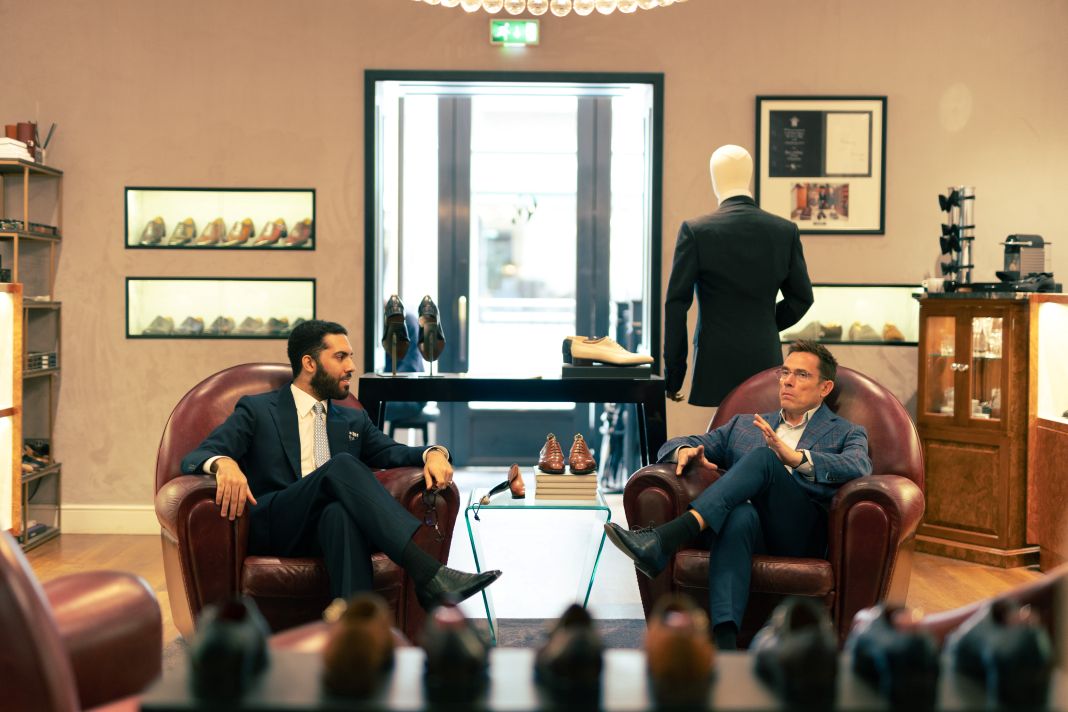
What Better Bespoke Results Look Like Over Time
The value of structure becomes clearer with each commission. Getting dressed becomes simpler. New garments feel naturally aligned with what is already in the wardrobe.
Better outcomes are not about having more clothes. They are about making the right ones count. Clients feel at ease, more expressive, and more confident in what they wear.
Fielding & Nicholson encourages this evolution. With a structured styling process, clients do not just invest in garments. They invest in a wardrobe that grows with them.