
What is the best way to choose an outfit for any kind of Valentine’s Day date?
The most effective way to choose the perfect Valentine’s Day outfit is by aligning your clothing with the nature of your plans. Consider where you’re going, how formal it is, the forecast, and your need for comfort. Begin with one standout piece, prioritise great fit and suitable fabrics, add purposeful layers, and finish with accessories. This approach delivers confidence, comfort, and a polished appearance across any type of Valentine’s Day setting.

What Is In This Article

1. Understand the Date You’re Dressing For
Every outfit begins with the setting. Just as a tailor evaluates posture and occasion before shaping cloth, your Valentine’s look should reflect the type of date you’re attending. A candlelit restaurant requires different considerations than a riverside walk.
Think about the atmosphere, weather, activity level, and how long you’ll be out. If plans are uncertain, opt for polished versatility with smart separates that adapt to different settings.
Avoid choosing an outfit based solely on appearance. Instead, ensure your clothing fits the occasion and feels natural.
2. Decide How Formal Your Outfit Should Be (With a Tailor’s Guidance)
Formality involves a spectrum of choices, and tailors are well-versed in guiding clients toward the right level of refinement.
Key categories include:
-
Casual: Choose elevated essentials such as a well-fitted knit, tailored chinos, soft construction jackets, or structured casualwear.
-
Smart-casual: Select relaxed tailoring and separates with refined finishes.
-
Formal: Opt for evening wear, made-to-measure suits, cocktail dresses, and elegant fabrics.
It is helpful to mirror your partner’s dress level. When unsure, smart-casual with tailoring details offers a balanced approach.
Pro Tip: Let your coat complement your outfit, not cover it. Think fabric, shape and silhouette.
3. Why Fit Matters Most: Tailoring Secrets That Elevate Any Outfit
The quickest way to achieve a refined look is by ensuring a perfect fit.
Tailoring improves posture, shape, and ease. For men, focus on details such as the shoulder line, sleeve length, and trouser break. For women, pay attention to waist shaping, bust fit, and hem balance.
Even off-the-rack clothing can look bespoke with precise alterations.
4. Choose the Right Fabrics for Comfort, Warmth and Style
In February, fabric selection affects both comfort and appearance.
Recommended fabrics include:
-
Wool, which provides insulation without added bulk, especially in winter-weight tailoring.
-
Cashmere, which offers luxurious softness.
-
Velvet, which adds richness and depth.
-
Structured cotton, which holds shape and remains breathable.
-
Silk blends, which contribute elegance and movement.
Avoid synthetic materials like polyester or nylon that may trap heat. Good fabric choices influence both warmth and drape.
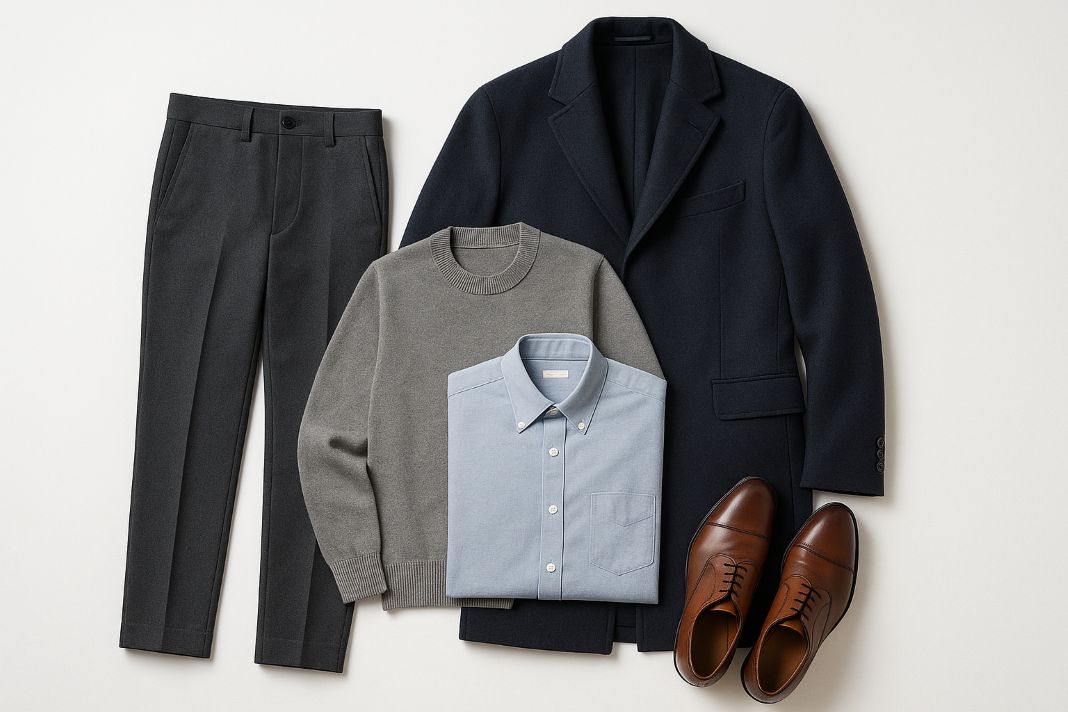
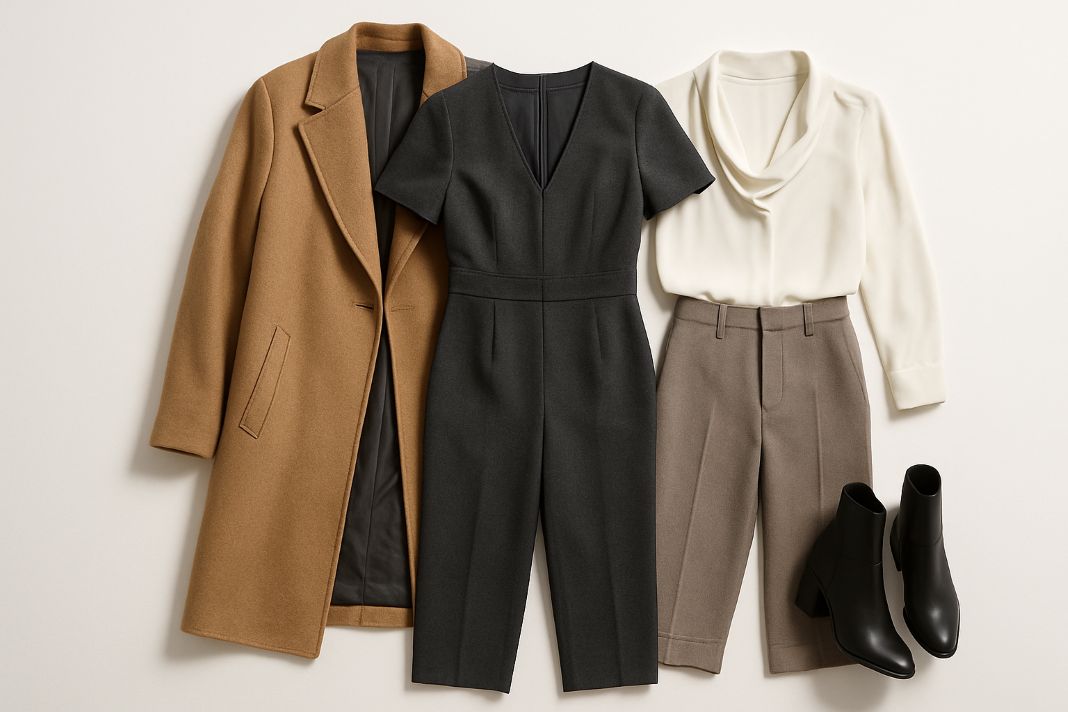
AI photos of outfit ideas for men and women for Valentines Day
Pro Tip: Try sitting, standing and walking in your full outfit beforehand to check comfort and mobility.
5. Select a Colour Palette That Suits Both the Occasion and Your Skin Tone
Rather than defaulting to red or pink, choose colours that flatter your complexion and reflect the date’s tone.
Examples include:
-
Jewel tones such as sapphire, emerald, and garnet.
-
Earthy neutrals like camel, chestnut, and moss.
-
Monochromes in navy, ivory, and charcoal.
-
Metallics such as champagne and pewter.
Consider lighting conditions. Candlelight softens colours, while daylight may diminish pale shades. Complementing your partner’s palette is charming, without needing to match. 6. Build Your Look Around One Well-Chosen Centrepiece
Start your outfit with a standout item that reflects the mood and formality of your date.
For men, this might be a smart blazer, statement knit, or tailored date-night jacket. For women, consider a well-fitted dress or tailored jumpsuit.
Use this item to guide choices on accessories, colour scheme, and layering.
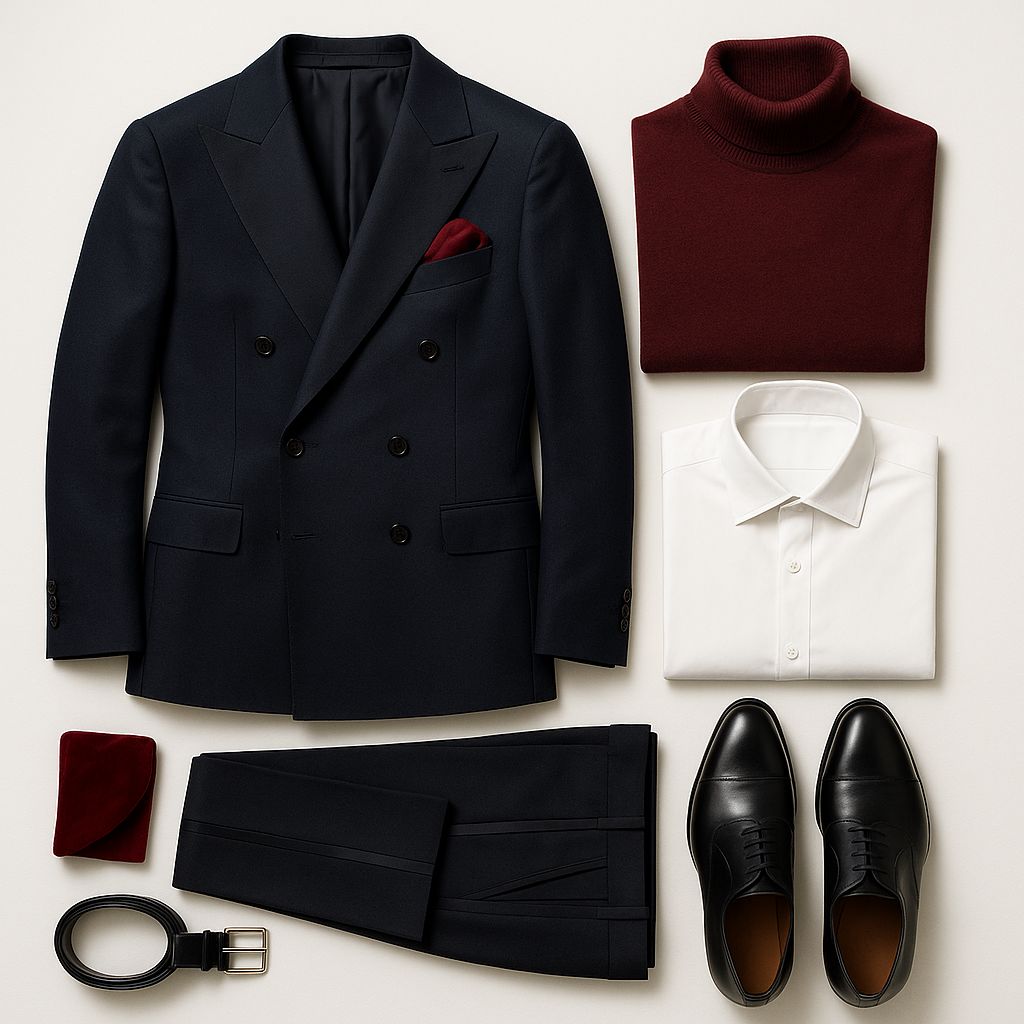
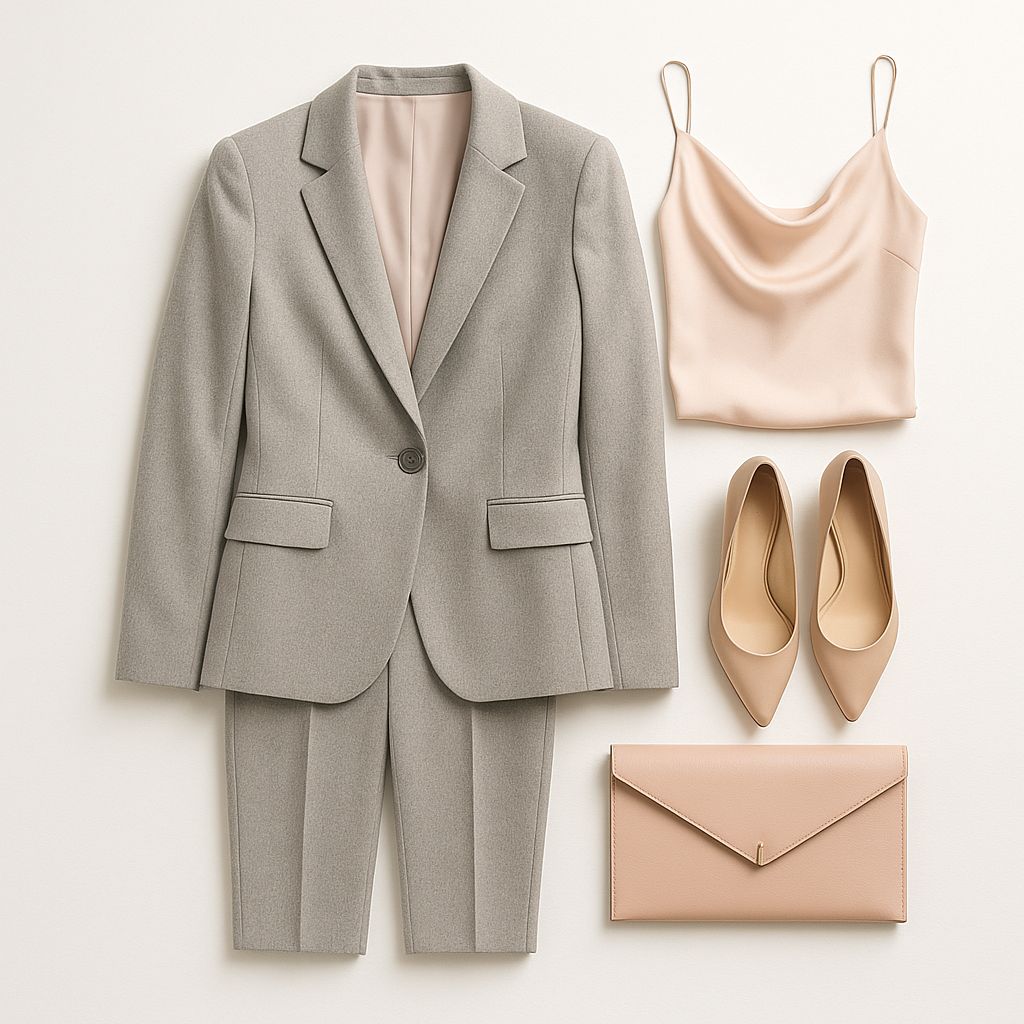
AI photos of outfit ideas for men and women for Valentines Day
7. Create a Balanced Silhouette That Enhances Your Shape
Silhouette determines how your outfit interacts with your body and movement.
Men often benefit from tapered trousers and structure through the shoulders. Women might look for balance between fitted and flowing elements.
Tailoring supports natural shape rather than masking it.
8. Layer with Intention: Staying Warm Without Compromising Style
February weather makes layering essential. When done well, it can elevate your entire look.
Apply the thin-to-thick method. Start with breathable layers, add knitwear, and finish with structured outerwear that includes thermal interlining or cold-weather detailing.
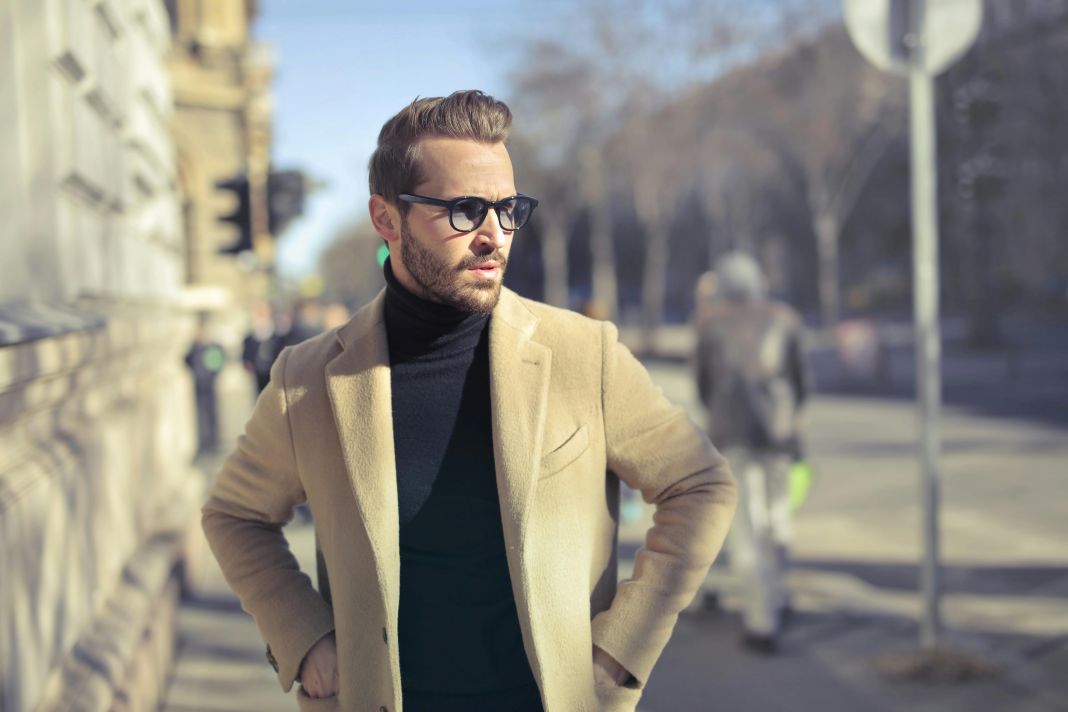
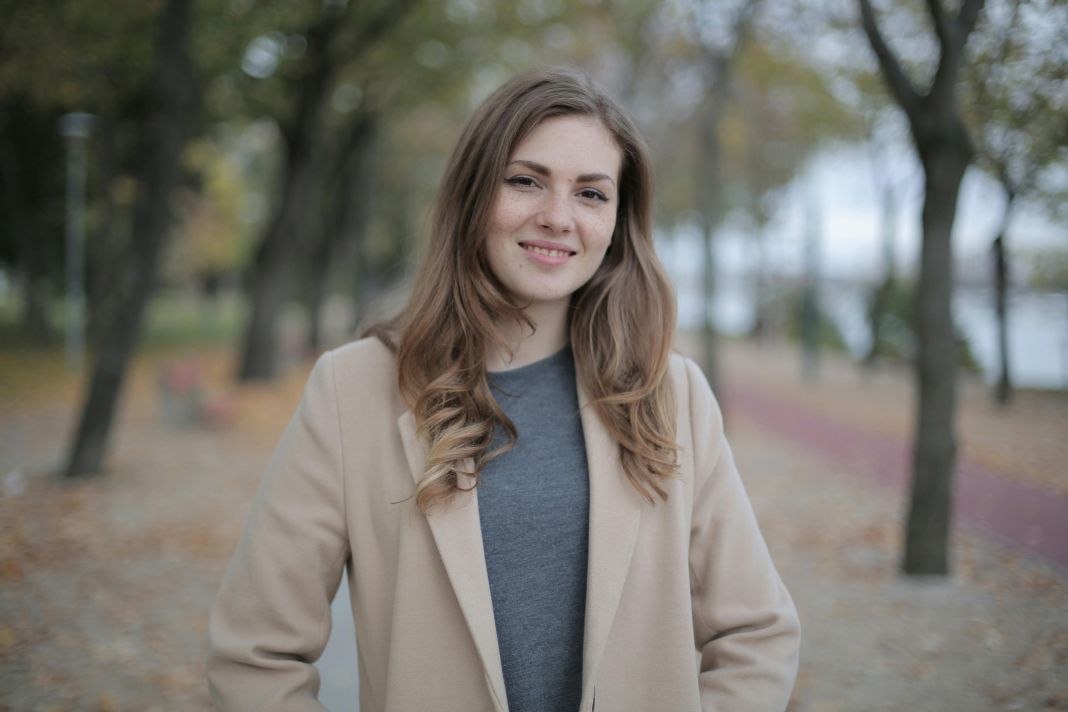
Choose coats that are part of your ensemble. These could include wool coats, belted styles, or tailored overcoats. Avoid layers that feel bulky or disorganised.

9. Finish with the Right Accessories and Footwear
Accessories add subtle definition and polish.
- Footwear should prioritise both style and practicality.
- Jewellery works best when limited to one or two intentional pieces.
- Extras such as scarves, gloves, or bags should enhance texture and tone.
Accessories provide the finishing touch to your ensemble. They should feel cohesive, not excessive.
10. A Tailor’s Pre-Date Checklist: Small Adjustments That Make a Big Difference
Before heading out, ensure every part of your outfit looks and feels finished:
- Steam or press garments to restore structure.
- Repair loose buttons or seams.
- Confirm comfort while walking and sitting.
- Adjust hems or sleeves if necessary.
- Inspect for final touch-ups or lint removal.
This final check builds quiet confidence and shows care in presentation.
11. The Fail-Safe Date Outfit Formula for Any Valentine’s Day Plan (For Men & Women)
If plans are unclear, rely on proven combinations that offer elegance and adaptability.
-
Men: Combine tailored trousers, a fine knit or button-down shirt, smart shoes, and a structured coat.
-
Women: Choose a tailored jumpsuit or refined blouse with trousers, ankle boots, and a statement coat.
Neutral colours and considered fabrics allow flexibility while preserving sophistication.