What kind of suit looks credible for interviews?
The best interview suit projects confidence without appearing forced. Structure, subtlety and fit now carry more weight than fashion trends. A well-cut, midweight wool suit in a calm shade of navy or grey, paired with a clean shirt and understated accessories, sends a clear signal: prepared, professional and self-aware.
What Is In This Article
Why Interview Suiting Still Matters
Even as the work environment grows more flexible, first impressions remain firmly rooted in visual presentation. The reality is simple: people make assessments within seconds, and how someone dresses often guides that judgment before a single word is spoken.
A sharp suit, when thoughtfully worn, communicates respectful intent. It registers as credible not because of flash or ornament, but because of quiet precision and fit. In industries shaped by long-standing standards, such as finance, law, or senior corporate hiring, a customised look continues to signal seriousness.
The key is not dressing up, but dressing in. That is to say, wearing something that works with the expectations of the room, the role and the recruiter. A remote interview might soften the requirement, but even over video, the cut of your lapel or the tone of your shirt still frames your face and posture. In hybrid or in-person settings, the difference between a well-fitted jacket and an ill-shaped one becomes even more noticeable.
What can feel effortless to the viewer is often the product of precise tailoring. That is the quiet illusion of the professional suit: it invites confidence without broadcasting effort.
Pro Tip: Midweight wool is ideal for interviews across seasons and shows well on camera or under artificial lights.
The Cut: Structured, Not Stiff
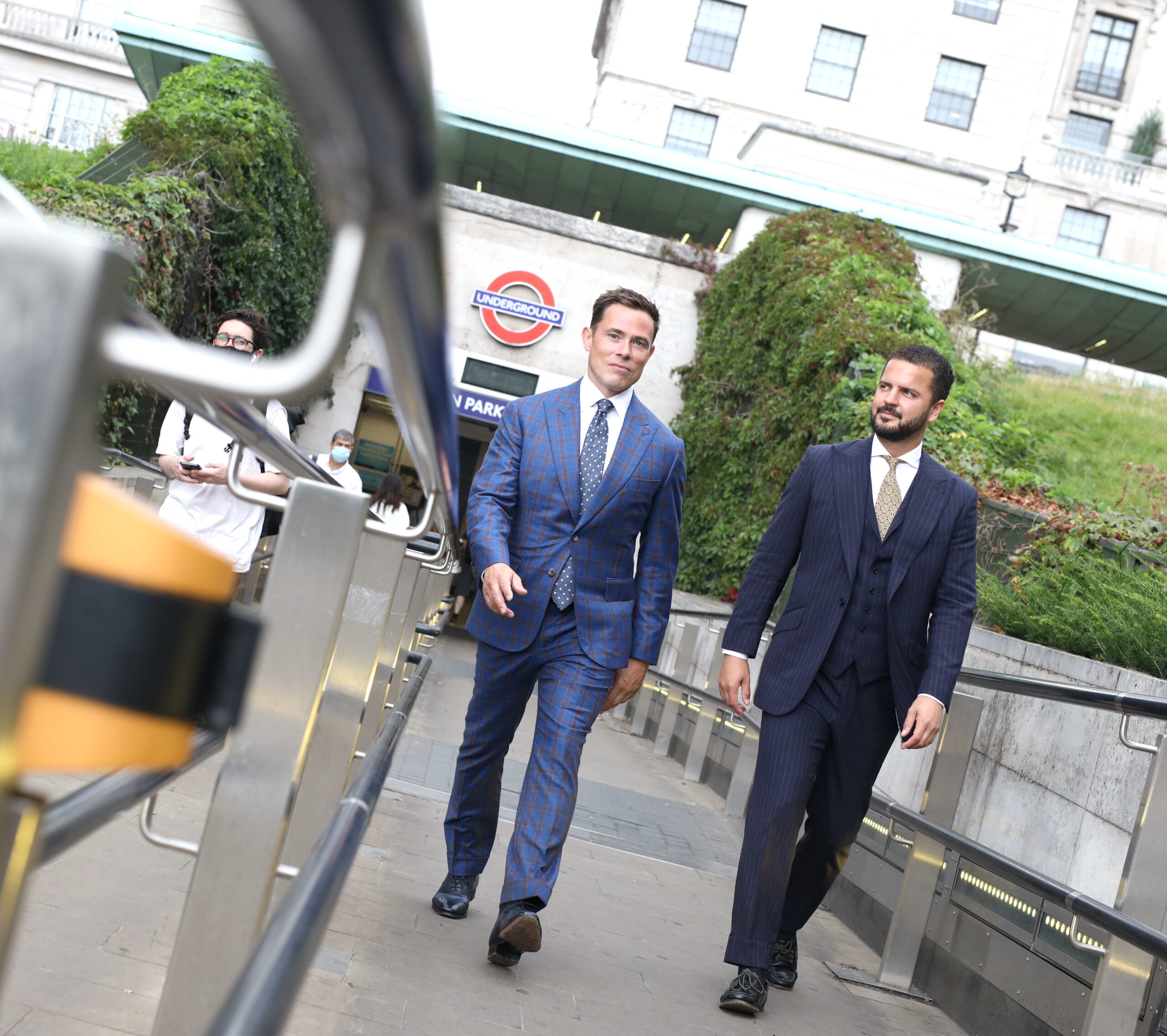
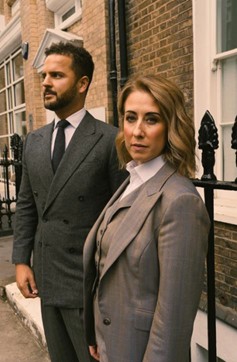
The suit’s shape often speaks louder than its colour. Fit and structure remain dominant cues in how someone is perceived. An interview suit should balance crisp lines with natural ease. That balance steers clear of both slouch and overbuilt stiffness.
A moderately structured shoulder, often referred to as a “soft English shoulder,” provides uprightness without aggression. Single-breasted jackets remain the most approachable choice, especially with a two-button closure and medium-width lapels. The jacket should frame the body, allowing the arms to move without strain.
Within Fielding & Nicholson’s bespoke approach, each cut accounts for how a client stands, sits and walks into a room. A slightly tapered waist improves silhouette without restricting breath. The jacket length should hit at the lower seat, not cropped, not long. All of these elements work together to create proportion, which the eye reads as composure.
Small details matter. The right cut maintains posture without discomfort. The wrong one requires fidgeting. In interviews, that balance becomes especially visible.

Pro Tip: When choosing shirt colours, favour plain white or pale blue to keep visual focus on your face and expression.
The Cloth: Texture Over Trend
Fabric selection often goes unnoticed, and until something feels off. A good suit cloth supports the body, moves with it, and communicates quiet substance. Synthetic shine or flimsy drape, on the other hand, risks looking careless or outdated.
Midweight wool remains the benchmark. It breathes well in varying climates, carries structure without bulk, and offers a naturally matte finish that photographs and lights cleanly. Wool from established British mills or premium houses like Dormeuil adds depth through texture, not pattern.
Avoid cloths that gleam under artificial lighting. Offices, studios, and even video calls pick up on sheen quickly. Textured weaves, such as birdseye or subtle herringbone, introduce visual interest without distraction.
Interviews in different seasons may call for slight cloth adjustments. In early autumn, a light flannel works beautifully. For warmer climates, high-twist wool maintains clarity and airflow.
Look for:
- Matte wool finishes with medium structure
- Subtle texture or diagonal weave
- Cloth weight between 9oz and 12oz for year-round suitability
Avoid:
- Synthetic blends that reflect harsh lighting
- Flashy patterns or extreme contrasts
- Ultra-light fabrics that wrinkle easily
The Colour: Understated, Not Unseen
Colour is often judged before fit or cut. A well-chosen tone can convey ease, consistency and confidence. Interview suits work best when they sit calmly within their environment.
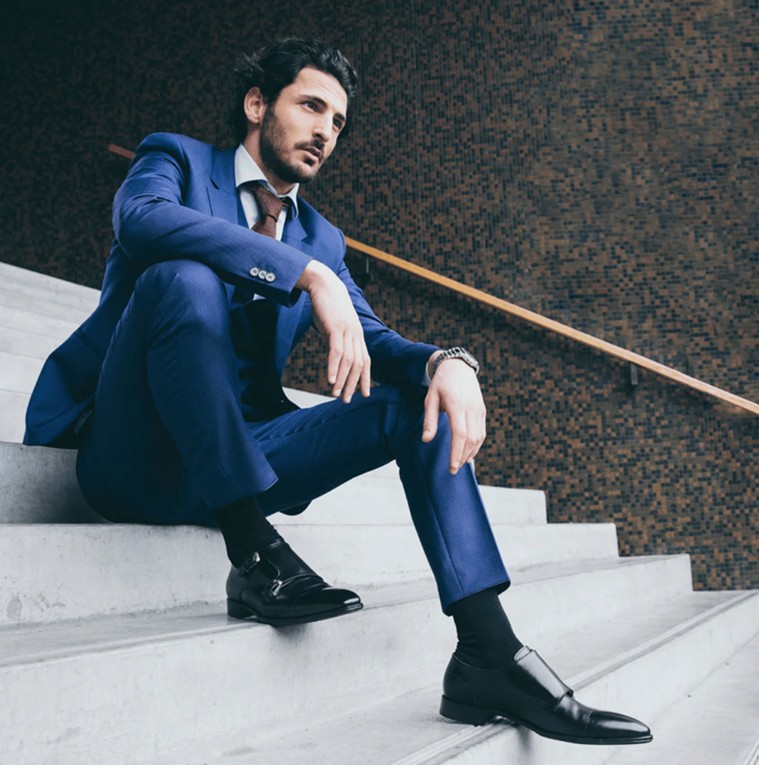
Navy still leads for good reason. It flatters most skin tones, transitions well between lighting types, and adapts easily to various industries. A charcoal grey offers slightly more presence for senior roles, while mid-grey feels relaxed without being informal.
Black is the most formal of all, often too stark for daytime interviews unless the setting is ceremonial. Under direct light or on camera, black can overpower facial expressions and flatten nuance.
For those seeking quiet individuality, deep forest green or midnight blue might offer viable alternatives, but only if the setting supports it. Colour choices should never distract from what is being said.
Good for:
- Navy: adaptable, smart, engaging without being imposing
- Charcoal: serious, effective in conservative industries
- Mid-grey: relaxed authority, works well on camera
Avoid if:
- Light grey in darker skin tones without contrast accessories
- Black for most interviews unless clearly appropriate
- Highly saturated or novelty colours that demand explanation
The Shirt: Crisp, Clean, and Quiet
Though often treated as secondary, the shirt is what frames the face, and in conversation, the face is centre stage.
A plain white or pale blue shirt remains the strongest option. These tones lift and brighten the face without causing visual noise. Anything heavily patterned or high gloss distracts. The fabric should hold a light press, avoiding both stiffness and droop.
Collar shape contributes more than many realise. A soft-spread collar opens the neckline comfortably, complementing more tie styles than a narrow point. Avoid extreme cutaways or tiny collars, which can look either fussy or underdeveloped.
Fit also matters. The shirt should follow the lines of the body without pulling. Excess length at the cuff or ballooning across the chest creates unevenness.
Do:
- Opt for white or pale blue in a matte finish
- Choose a classic spread collar with structure
- Ensure proper sleeve and body length for clean lines
Avoid:
- High-sheen fabrics or novelty contrasts
- Loud checks, stripes, or plackets with branding
- Ill-fitting collars that ride up or collapse
The Details: Shoes, Socks, and Subtle Signals
No interview suit is complete without quiet reinforcement through accessories and grooming. These small elements provide subtle cues about attention, appropriateness and effort.
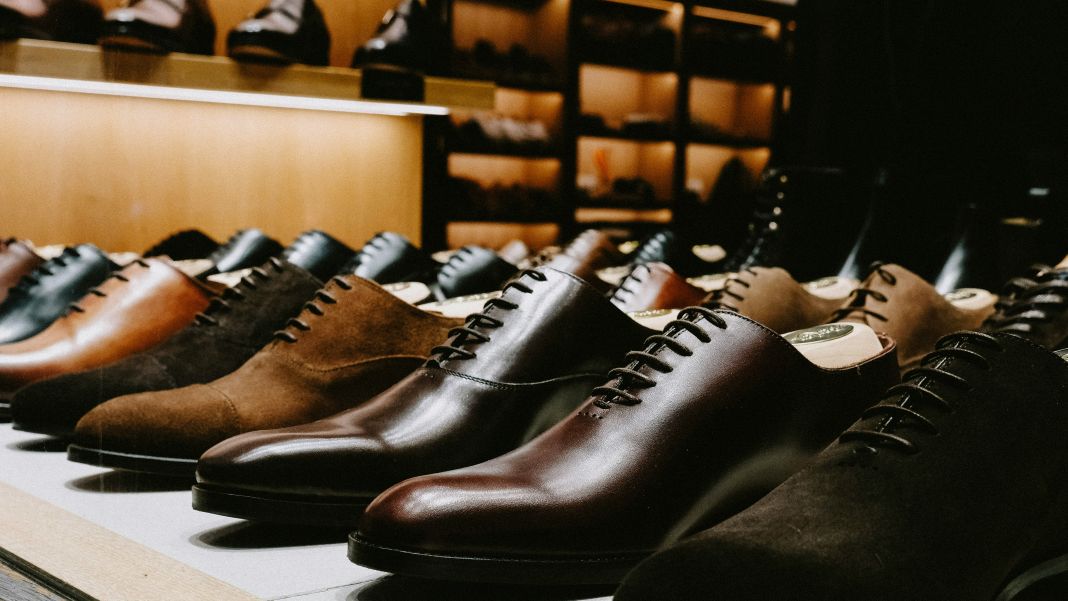
- Shoes: Choose clean, polished leather in black or dark brown. Oxford or Derby styles with low shine work best. Avoid loafers unless the role or industry leans creative or casual.
- Socks: Stick to mid or dark tones that match trouser colour. Patterns must be discreet. Ensure proper length to avoid exposing skin when seated.
- Accessories: If wearing a belt, match it to the shoe colour. Watches should be slim and understated. Pocket squares should only be worn if there’s total confidence and relevance. They are not expected.
- Grooming: Hair should be tidy and skin clean. Facial hair, if worn, should be trimmed. Fragrance should be nearly imperceptible.
- Branding: Avoid visible logos on any garment or accessory. Let the fit and tone speak for itself.
In interviews, distraction undermines presence. Clarity and consistency in these final touches show quiet attention, not showmanship.
Customised for You: When to Go Bespoke
Not every interview calls for bespoke, but some situations make it more appropriate, especially when fit, identity, or specifics of the role come into play.
Bespoke means the garment is cut from scratch to suit the individual’s posture, proportions and priorities. Unlike made-to-measure, which adjusts existing patterns, bespoke begins with direct observation and conversation. Off-the-rack, by contrast, relies on generic sizes and assumptions.
For those with non-standard body types, or anyone who values fit without compromise, bespoke offers a degree of accuracy that mass production cannot. For people expressing gender identity or professional presence in a specific way, the process of bespoke tailoring makes space for nuance.
The team at Fielding & Nicholson often works with clients attending senior interviews, board appointments or transitions into new industries. In these cases, a suit created to support how someone wants to be seen provides both comfort and confidence.
Bespoke is often worth it if:
- Off-the-rack suits never seem to fit properly
- You want to signal long-term thinking and investment
- Your role or body type requires adjustments not found in standard sizing
- You value control over fabric, detail and cut
A bespoke suit does not guarantee the job, but it can ensure you walk in with nothing holding you back.