What should you wear when the weather keeps changing?
Wear pieces that cope with shifts in temperature without forcing a full outfit change. A small set of reliable combinations, built around breathable fabrics, balanced layers and smart-casual staples, usually works better than a wardrobe full of strictly seasonal clothes.

Men’s Light Grey Knit Blazer with Sunglasses – Refined Smart Casual Outfit
What Is In This Article
Most People Overthink Transitional Dressing
You leave home in a jacket, warm up on the walk to the station, regret your choice on the train, then wish you had kept the jacket by late afternoon. That is the usual British routine, and it turns getting dressed into a minor negotiation before the day has even begun.
Most wardrobe confusion starts with the same assumption. People think unpredictable weather outfits require more options, more layers and more planning. In practice, the opposite tends to be true.
A larger wardrobe does not solve indecision if half of it only works in perfect conditions. Transitional weather dressing gets easier once you stop treating every day as a special case and start relying on combinations that already prove themselves during a normal week.
Layering gets too much credit as well. Piling clothes on and taking them off all day can feel practical in theory, but it often leaves you carrying pieces you no longer want to wear. British tailoring has always understood something simpler: clothes need to earn their place by working across settings, not by announcing a season.
That is why the most useful wardrobes usually look less dramatic than people expect. Savile Row built its reputation on precision, but the real lesson was never excess. The real lesson was knowing exactly why a jacket, trouser or shirt belonged in your daily routine.
Fabric Choices Matter More Than Seasonal Labels
Fabric matters more than fashion labels printed on a rail. “Summer” and “spring” sound helpful, yet they tell you less than how a cloth handles warmth, movement and creasing through the day.
Lightweight does not always mean comfortable. Some fabrics feel airy for ten minutes and then collapse, cling or crease the moment the temperature shifts. Breathability is different. Breathable tailoring lets heat escape and keeps air moving, which means that the garment keeps working after the morning commute.
Pure linen still has plenty going for it, but it asks for the right setting. In a relaxed environment, its rumpled surface can look easy and deliberate. In an office, on a train or through a long day of sitting and standing, linen blends and lightweight cottons often hold their line better.
Seersucker earns more attention than it gets. That puckered texture is not a novelty. It lifts cloth slightly away from the skin, helps airflow and hides the kind of creasing that would make other fabrics look tired by lunch.
Bamboo also makes sense for mixed conditions, especially in softer separates and shirts. The feel is smooth, the weight is often comfortable against the skin and the cloth tends to cope well with small temperature swings that make dressing for mixed weather so awkward.
Many people also assume technical fabrics are automatically better for changeable days. Sometimes they are useful, but thought-through natural fibres and balanced blends often feel better in daily wear. Fielding & Nicholson tailors, like many good bespoke tailoring houses, pay close attention to fabric mills for exactly that reason. Performance starts with the cloth itself, not with a marketing claim stitched into the lining.
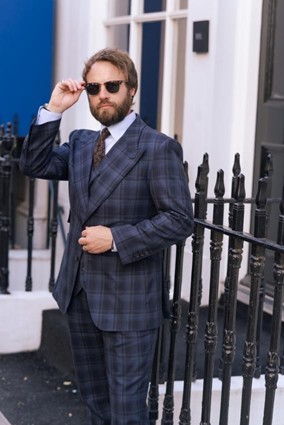
Men’s Navy Check Suit with Sunglasses – Modern Smart Tailoring Look
Chinos and Polos Are the Real Workhorses
Few combinations solve more daily problems than chinos and a polo. The pairing works for the office, works for lunch and still looks right if the day becomes slightly smarter than expected.
Fit does most of the heavy lifting here. Well-cut chinos with a clean taper and a polo that sits neatly through the shoulder look better than a more expensive outfit with no shape. Personal stylists often talk about versatility as if it comes from endless options. Most of the time, it comes from proportion.
Colour balance also makes the outfit easier to repeat without feeling stale.
- Stone or beige chinos work well with navy, olive or dark brown on top.
- Navy chinos sit comfortably with white, pale blue or soft grey.
- Olive chinos pair neatly with cream, ecru or a muted navy polo.
Once you have a handful of these combinations, outfit planning becomes much less dramatic. You stop treating every morning as a styling exercise and start treating it as what it usually is: getting dressed for a full, slightly unpredictable day.
Trend-led alternatives often ask too much of the wearer. A good chinos and polo outfit asks very little, which is precisely why it keeps proving itself.

Pro Tip: Choose lightweight, breathable fabrics like seersucker or bamboo to ease comfort without frequent outfit changes.
Tailored Shorts Outperform Throw-On Casual
Shorts go wrong when they look accidental.
Baggy shapes, long hems and flimsy fabric can make even an otherwise good outfit feel unfinished. The problem is not the shorts themselves. The problem is treating them like an afterthought.
A tailored fit, sitting above the knee with a cleaner line through the leg, usually looks sharper and feels easier to wear. Tailors know that small changes in width and length alter the whole silhouette, particularly in summer dressing where less cloth leaves less room to hide poor proportion.
Pair them with a structured polo or a lightweight shirt and the result feels intentional. Pair them with something sloppy and the outfit starts slipping into holiday clothes, even if you are nowhere near a beach.
Colour matters because it decides how often you will wear them. Navy, beige and olive usually integrate better into a versatile wardrobe than louder shades that only work with one mood, one setting or one weekend plan. The difference is visible before anyone notices the weather.

Pro Tip: Invest in well cut staples such as chinos, polos and tailored shorts to simplify styling for unpredictable days.
Light Suits Don’t Need to Scream ‘Summer’
A lightweight suit does not need a costume change in attitude. It still needs to look like a suit, just one that understands the season.
Softer colours help, including pale grey, muted blue, light brown or cream, but the real shift comes from cloth and structure. Less weight, a touch more ease in the make and a fabric that breathes properly will carry you much further than a loudly seasonal shade ever could.
Relaxed tailoring is often misunderstood. Some people hear “relaxed” and picture something loose, crumpled or half-finished. Savile Row tailors and other bespoke suiting experts tend to mean something much more precise: a garment that moves well, feels lighter on the body and still keeps its shape.
A suit without a tie is no longer making a rebellious statement. It is simply a sensible response to how many people live now. A lightweight suit with a fine polo instead of a shirt can move from morning meeting to evening drink without feeling stiff at either point.
Fielding & Nicholson approaches this area in a way that reflects a broader shift in British tailoring. The suit does not need theatrical summer details to feel right in warmer, uncertain weather. A soft-shouldered jacket, breathable cloth and open collar often do the job better than anything more forced, especially on a day that starts cool and ends bright.
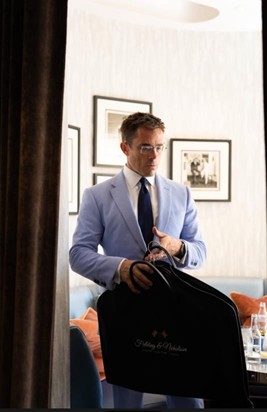
Men’s Light Blue Suit with Dress Shirt – Refined Smart Occasion Outfit
Accessories Decide the Outcome, Not the Weather
Small details often decide whether an outfit looks considered or merely assembled.
Sunglasses can sharpen a simple combination in seconds, but only if they feel in proportion to the rest of what you are wearing. Without them, a warm bright spell can make the outfit feel unfinished. With the wrong pair, the whole look starts pulling too hard for attention.
Shoes matter even more. Loafers, clean trainers and other pared-back styles usually handle spring and summer better than anything fussy. A good pair settles the tone of the outfit at once, whether you are wearing chinos, shorts or a lightweight suit.
Too many accessories tend to weaken the result. One or two finishing touches with a clear purpose usually look stronger than a collection of seasonal extras trying to compensate for uncertain skies. Restraint reads as confidence, which means that the outfit stays coherent even when the forecast does not.
The Real Question Isn’t ‘What to Wear’ It’s ‘How to Think About Dressing’
The harder question was never really what to wear. The harder question was how to stop asking the weather to make the decision for you.
Forecasts change, temperatures drift and British days rarely hold one mood for long. A better dressing mindset starts with choosing pieces that can absorb that uncertainty without turning every morning into a puzzle.
Confidence does not come from owning more in-between season clothes. Confidence comes from knowing which fabrics stay comfortable, which combinations stay balanced and which garments still look right after a day that failed to stick to the plan.
Once that clicks, transitional dressing stops being a seasonal problem and starts looking more like a habit of mind. The point is not to predict the day perfectly. The point is to dress in a way that leaves room for it to change.