Is bespoke tailoring always the right choice?
Bespoke tailoring is often regarded as a high point of personal style, but it isn’t always the most sensible place to begin. While it provides precision and individuality, its value becomes clear only under the right circumstances. This guide helps you recognise when bespoke is a smart move, when it might not be, and how to decide with clarity.
What Is In This Article
Why bespoke tailoring isn’t automatically the upgrade
Many assume bespoke tailoring is automatically superior to other options. In truth, it's a specialised solution that works best when chosen with intent. Selecting it purely for status or elegance risks overlooking its true purpose: resolving specific issues with fit, comfort, and appearance.
Asking "Is bespoke tailoring worth it?" isn’t the most helpful place to begin. A more useful question is whether you’re ready for it – in terms of your wardrobe, lifestyle, and understanding of what suits you. This is the stage where having decision readiness and an investment mindset is most beneficial. Feeling unsure can often reflect thoughtful consideration.
Uncertainty is not a weakness. It usually indicates that the decision is being approached with care and reflection. The value of bespoke tailoring becomes most apparent when it is selected deliberately and aligned with your long-term wardrobe goals.
Pro Tip: If you’re still figuring out what fits and flatters, made-to-measure often gives better value for now.

What bespoke tailoring is really designed to do
Bespoke isn’t simply about getting the measurements right. It addresses challenges that off-the-rack and made-to-measure clothing cannot solve. The process begins with a unique pattern built around your posture, body shape, and the way you move.
What an individual pattern enables
This type of pattern lets the tailor work with specific details like sloping shoulders, posture, and natural movement. These factors shape how a garment feels and functions when worn.
Why fittings matter more than expected
Each fitting refines the garment further, enhancing both comfort and structure. These adjustments support garment balance and contribute to long-term value.
Clients contribute directly to the process. The experience is based on collaboration, with your feedback guiding the outcome. Rather than indulgence, it’s about creating garments that work for you. These are the tangible bespoke tailoring benefits that show up in real-life wear.
When bespoke tailoring makes sense
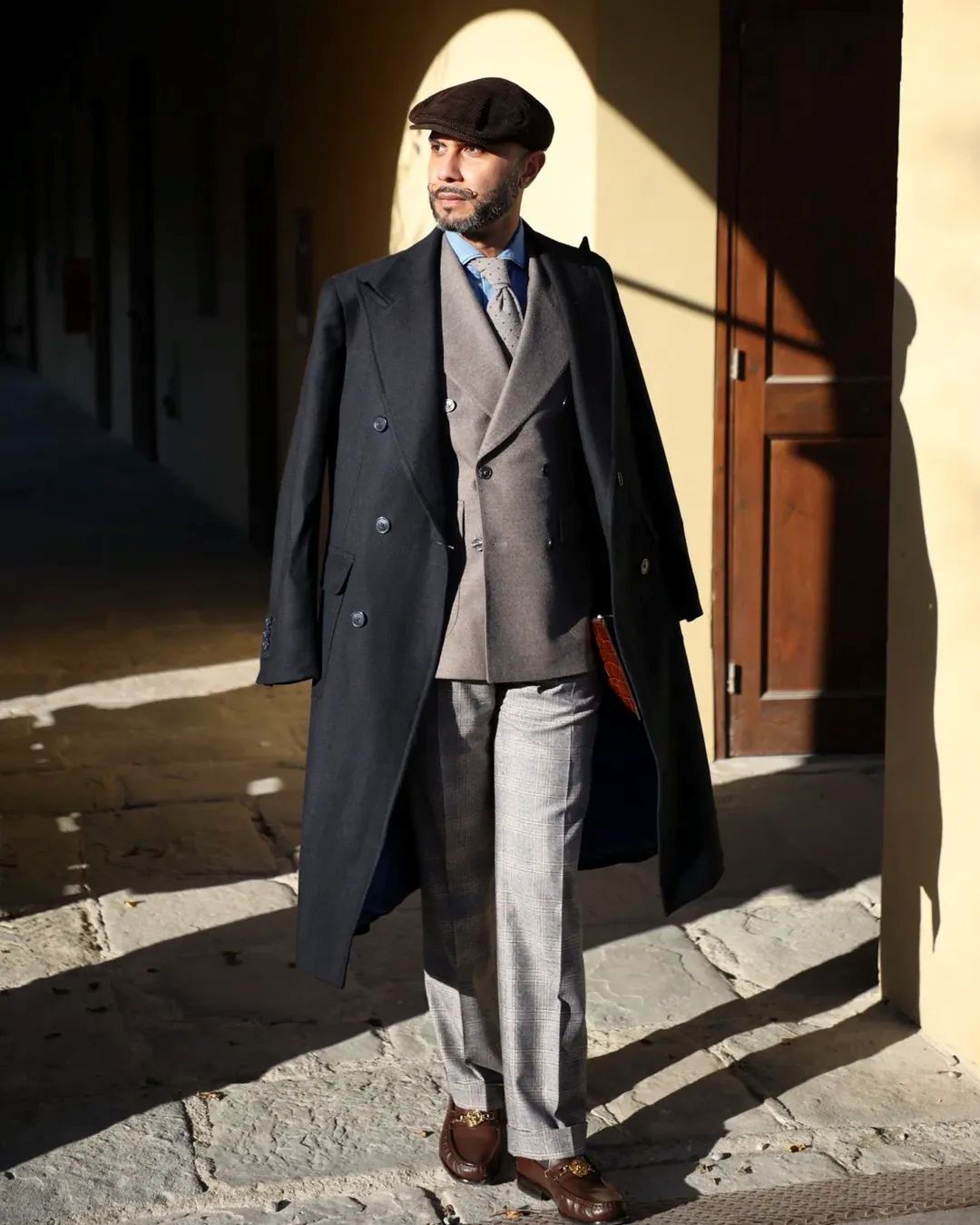
Bespoke tailoring is most worthwhile when you wear formal clothing often, maintain a stable body shape, and already have a clear sense of what suits you. In this context, it stops being a luxury and starts making practical sense.
When your preferences are settled, bespoke offers strong cost per wear and encourages garment longevity. Garments become investments that repay themselves through regular use.
Those who enjoy the tailoring process also benefit. If you appreciate the interaction, fittings, and long-term planning, bespoke suits your approach.
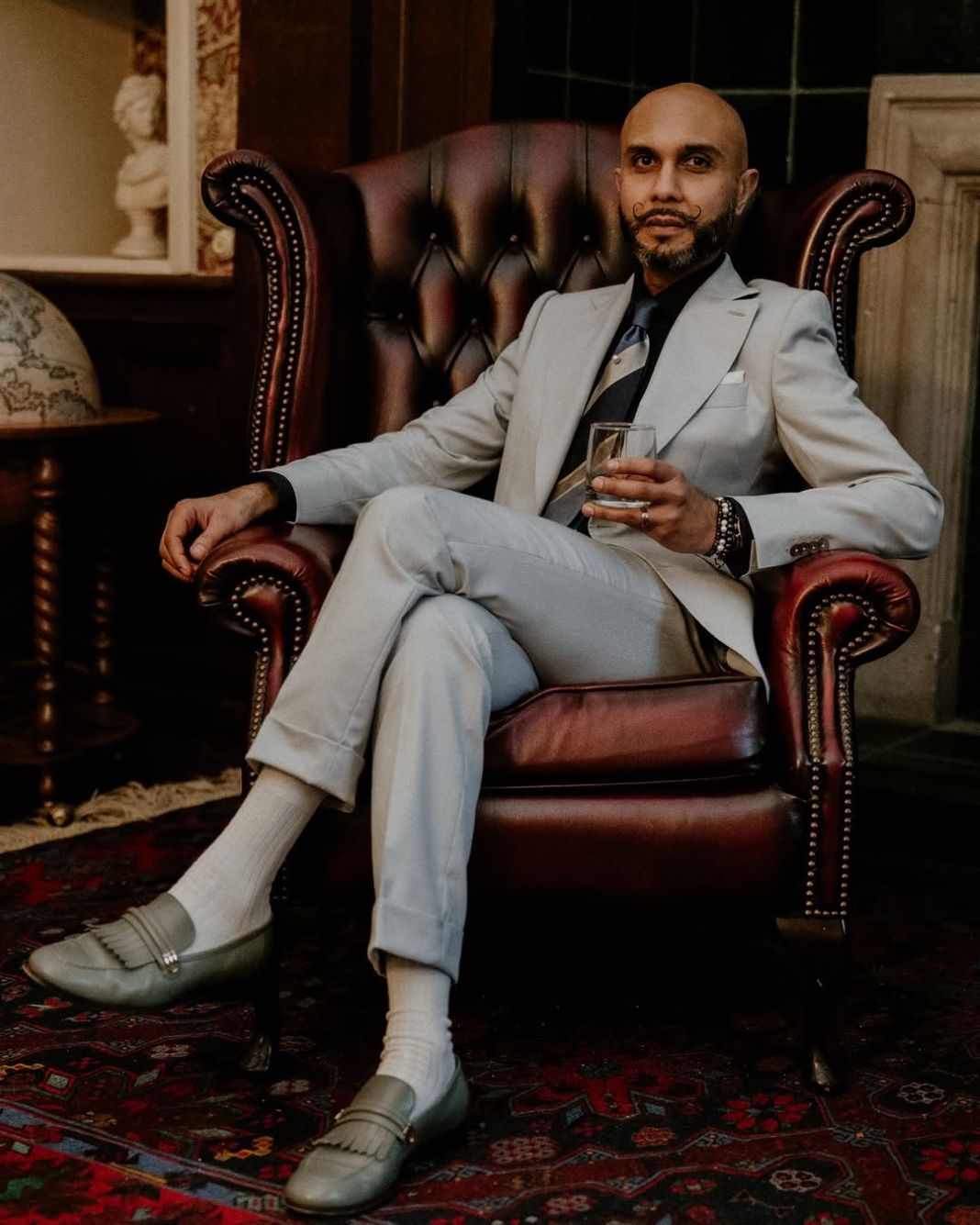
Pro Tip: Bespoke works best when your body, lifestyle and preferences are consistent over time.
When bespoke tailoring doesn’t make sense yet
Choosing not to go bespoke isn’t a misstep. In many cases, it’s the right call. If you’re still exploring different looks, wear tailoring only occasionally, or your routine and body are in transition, bespoke might feel like too much too soon.
There is real benefit in trying different formats first. Getting to know what suits your lifestyle, shape, and preferences takes time. Beginning with more flexible options can lead to better long-term outcomes.
This does not represent a compromise. It reflects self-awareness. Many people go through phases of readiness, encounter confidence gaps, or simply prefer to wait.
What to choose instead (and why it isn’t settling)
Excellent fit and personal style don’t rely on bespoke tailoring. Several strong alternatives exist for those still refining their preferences. Made-to-measure offers a balanced option between fit and affordability. Ready-to-wear, when adjusted properly, can meet many needs.
These formats let you experiment. They allow you to understand how clothes feel in day-to-day life. This kind of learning through use is essential when you're still forming your wardrobe context and building style confidence.
Understanding bespoke vs made to measure can also help clarify which route fits your current needs best.
Consider these alternatives:
- Ready-to-wear with alterations – Offers accessibility and variety. Can be tailored to fit better.
- Made-to-measure – Customises an existing pattern to suit your frame.
- Refined off-the-rack options – Ideal for testing styles before committing to bespoke.

Timing, readiness and understanding your own style
Bespoke tailoring works best when it follows experience, not precedes it. As time goes on, you become more aware of which garments you reach for regularly, which ones flatter your figure, and which feel most natural to wear. This is how style maturity develops.
Commissioning bespoke garments too early can mean choosing items that no longer reflect your current self. Allowing your preferences to emerge naturally ensures that any future investment in bespoke is made with confidence and precision.
This is part of normal personal style development and reinforces the value of waiting until your needs feel consistent.
Fit, comfort and why bespoke works differently for different people
Everyone has a different body and way of moving. That’s why one-size-fits-most options can feel uncomfortable. Bespoke tailoring is built to adjust to those differences.
This is particularly important for those whose shape, identity, or physical needs fall outside traditional sizing frameworks. The flexibility of bespoke brings real improvements in comfort and fit.
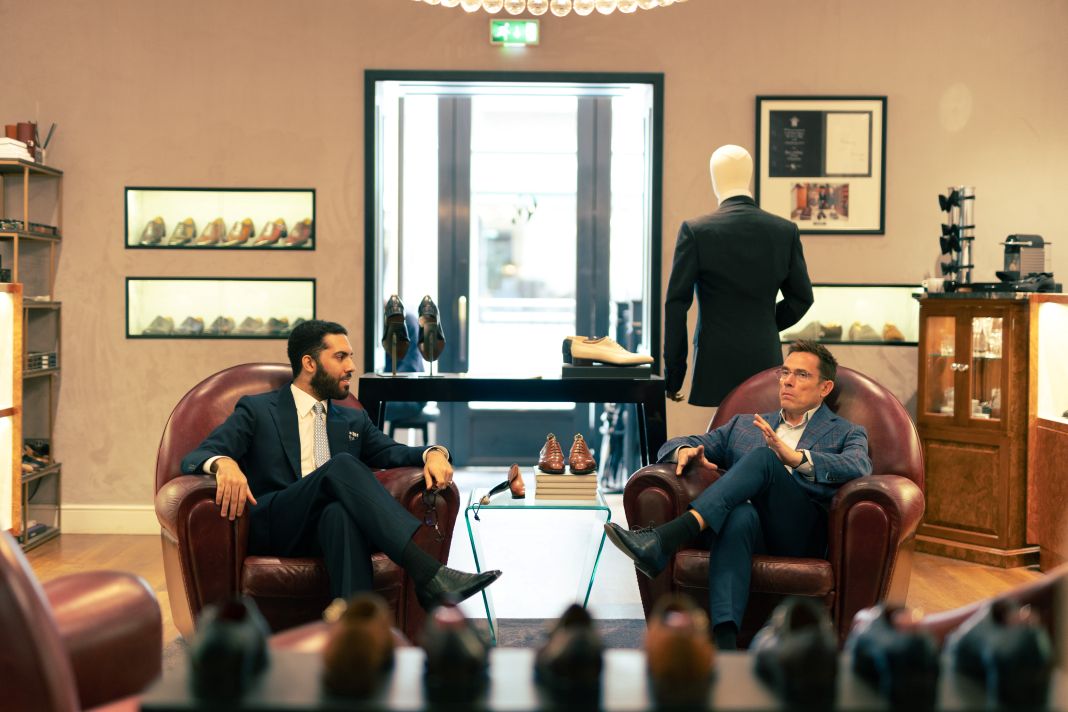
Tailoring houses like Fielding & Nicholson specialise in inclusive tailoring, ensuring that individuality, expression, and comfort are available to all clients.
Thinking long-term: bespoke as a wardrobe decision
Bespoke tailoring makes sense when treated as part of a broader wardrobe evolution. Rather than a single transaction, it becomes a tool to support ongoing dressing needs and long-term preferences.
At Fielding & Nicholson, the focus is on wardrobe foundations, wardrobe planning, and continuing support. Whether through refits or guidance on new garments, the process is ongoing. This approach aligns with an investment mindset where each piece fits into a larger plan.
Choosing bespoke tailoring with confidence, not pressure
The best tailoring decisions happen when you feel ready. If you have clarity and consistency in your needs, bespoke may be the right next step. If you're still deciding, it’s equally valid to wait.
You are under no obligation to rush the decision. When you do move forward, you’ll be doing it with purpose.