What is the Cheltenham Look and why does British country tailoring remain influential?
The Cheltenham look captures more than race-day fashion. It reflects a deeper tradition of British country tailoring that blends heritage, craftsmanship, and cultural identity. Rooted in rural life and shaped over time, this enduring aesthetic continues to define understated luxury, standing apart from fleeting trends and showy displays.
What Is In This Article
A Heritage Aesthetic: How the Cheltenham Look Became a Cultural Symbol
At first glance, the Cheltenham aesthetic may appear seasonal. Yet it runs deeper than tweed jackets or sharply cut coats. This look expresses a cultural language formed through generations of rural life, social customs, and a quiet understanding of elegance.
Rather than offering a formula for dressing, the Cheltenham style conveys a sense of place and continuity. It communicates through texture and tone – soft wool, earthy colours, and tailoring that mirrors the landscape. It suggests heritage, respect for craft, and a refined simplicity. In an era that often favours loud fashion, Cheltenham shows the enduring power of restraint.
Where It All Began: The Historical Foundations of British Country Tailoring
British country tailoring emerged out of necessity. In the moors and farmlands of Scotland, Ireland, and northern England, clothing needed to withstand the elements. Hand-woven wool garments kept farmers and shepherds warm and dry.
As rural landowners embraced these functional fabrics, they commissioned mills to produce cloth tailored for country pursuits. This sparked the creation of estate tweeds – cloth designed to blend with the landscape, whether heathered hill or woodland. Each fabric reflected the identity of its region, such as those produced by weavers in the Scottish Borders or West Yorkshire mills.
Over time, these garments evolved. What began as protection from the weather transformed into expressions of identity and social class. Tailoring added structure and refinement. This blend of utility and elegance established a lasting aesthetic.

Pro Tip: Muted patterns and natural palettes age better and pair effortlessly with both formal and casual wardrobes.

Tweed, Wool & the Earthy British Palette: The Fabrics That Forged the Look
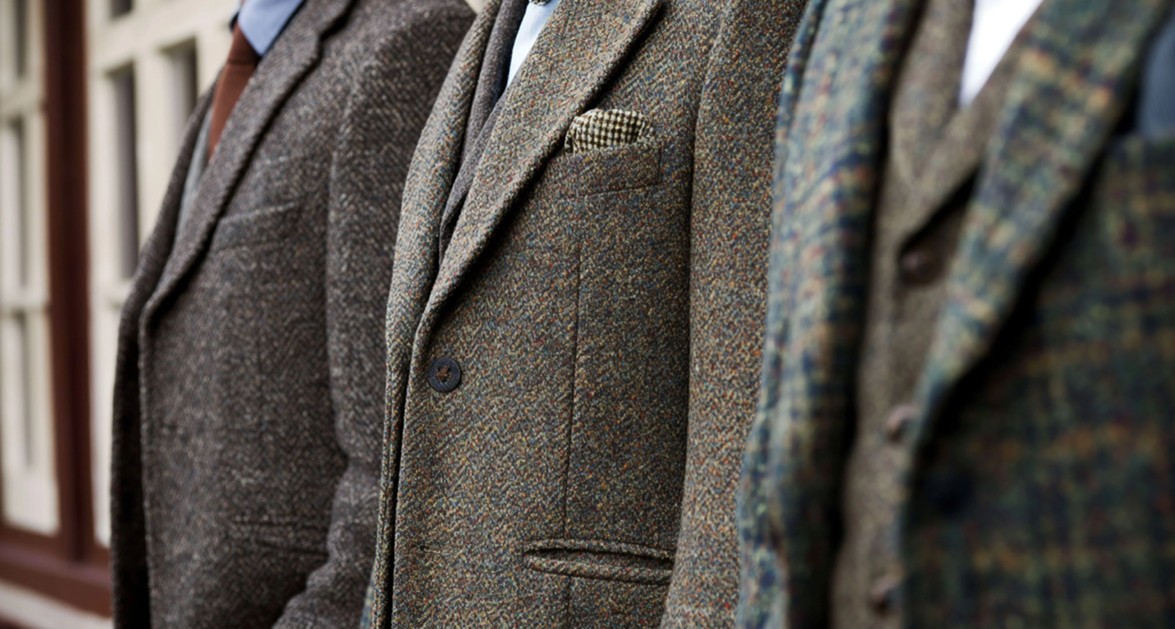
Tweed remains the hallmark of British countryside fashion. It is made from natural wool and traditionally woven. Its muted colours are rooted in the landscapes of rural Britain. Shades of moss, peat, and stone echo moorlands, forests, and dry-stone walls.
Weaves such as herringbone, barleycorn, and windowpane add further nuance. Herringbone evokes tilled earth. Windowpane recalls estate fencing. Heathered yarns shimmer like northern hillsides at dusk. These textures define the aesthetic and give garments both visual and tactile richness.
From Harris Tweed in the Outer Hebrides to fine worsted wool from Yorkshire and Cumbria, these heritage fabrics are more than material. They hold stories, preserve tradition, and express a distinctly British way of dressing that is rooted in purpose and beauty.
Why These Materials Endure: Weather, Landscape & the Craft of Rural Britain
Wool and tweed endure because they are intrinsically suited to Britain’s weather and terrain. Wool is naturally breathable, insulating, and water-repellent. Tweed, being tightly woven, holds its shape, resists wind, and keeps the body warm even when damp.
These qualities made them staples for rural life and continue to make them relevant today. Their endurance also comes from integrity. Unlike synthetic fabrics, heritage cloth improves with age. It gains softness, depth, and personality over time.
Behind each bolt of fabric lies a culture of craft. From natural dyeing to hand-finishing and hand-loomed cloth traditions, rural textile production has remained remarkably consistent. This continuity gives garments not only durability but also meaning. They represent a slower, more mindful approach to clothing. They are a foundation of eco-responsible tailoring.
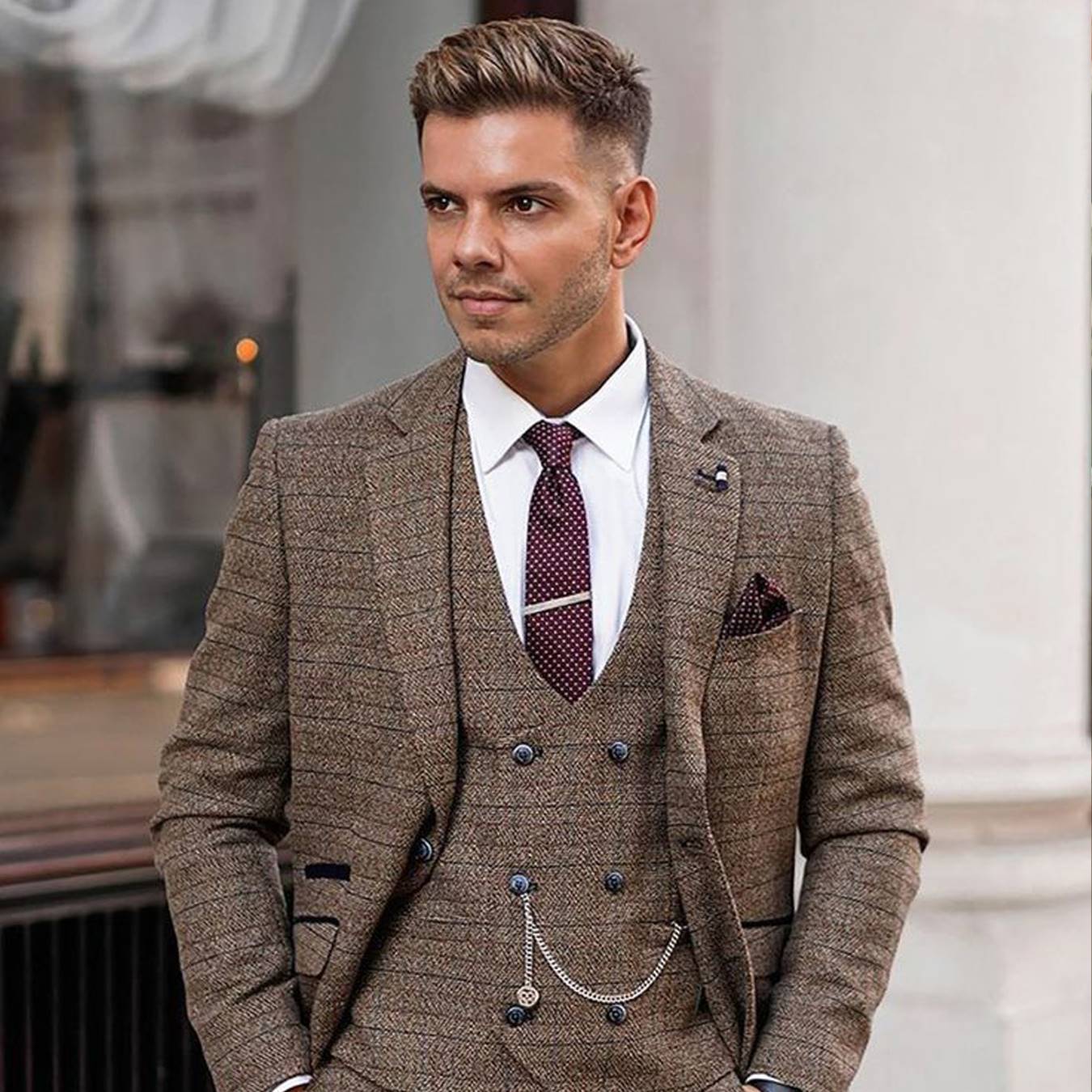
Pro Tip: Always choose cloth weight based on climate and occasion. Lightweight tweed suits offer year round versatility.
From Countryside to Society: How Country Tailoring Shaped British Style Culture
Country tailoring once belonged strictly to the fields. As the British aristocracy embraced leisure pursuits, estate attire evolved into social attire. What people wore for walking, shooting, or riding became just as acceptable – and often aspirational – in town.
By the late 1800s, this crossover shaped national style. City tailors adopted countryside silhouettes and fabrics, giving rise to what we now recognise as British country tailoring. These garments, born from necessity, became markers of taste. They represented aristocratic style codes and a broader fieldwear tradition.
Cheltenham exemplifies this evolution. The look that began among farmers and gamekeepers now defines an entire sartorial language. It communicates refinement, restraint, and cultural continuity.
Cheltenham’s Quiet Power: How the Festival Became the Stage for Understated Elegance
Cheltenham Festival offers a unique setting where tradition and personal style converge. Unlike events driven by fashion statements, it favours understatement, authenticity, and unspoken codes.
Though there is no enforced dress code, visitors arrive with a shared understanding. Wool coats, layered tailoring, and natural colour palettes dominate the crowd. This happens not because of obligation but because of instinct. At Cheltenham, style is not dictated. It is inherited.
A coat at Cheltenham is not just outerwear. It tells a story of fabric, region, craftsmanship, and values. This gives the festival its sartorial weight, a quiet stage where country tailoring speaks volumes without saying a word.

The Values Behind the Look: Craft, Character & the Appeal of Quiet Luxury
British country tailoring represents more than elegance. It embodies values. At Cheltenham, those values appear in every texture and finish: integrity, discretion, and a belief in quality over spectacle.
This aesthetic reflects a lifestyle that favours longevity. Lapels are pressed with care. Collars are constructed to sit correctly for years rather than seasons. Quiet luxury lives in these details – from horn buttons to hand-stitched linings.
For those who wear these garments, fashion is not about being seen. It is about being understood. Heritage tailoring rewards attention, not performance. It mirrors the personality of the wearer – thoughtful, discerning, and quietly confident.
Why British Country Tailoring Speaks to Modern Tastes in a Fast-Fashion World
In contrast to fast fashion’s disposable mindset, British country tailoring feels almost radical. It rejects novelty in favour of familiarity and trend in favour of substance. Every garment is an investment in the future rather than a fleeting moment.
As sustainability becomes more urgent, the appeal of tailoring built to last becomes clearer. Natural fibres, regional production, and timeless silhouettes make country clothing inherently ethical. These garments represent a carbon-conscious wardrobe built on craft rather than consumption.
This is why younger generations are rediscovering heritage style. They are drawn to authenticity, texture, and story. In wool and tweed, they find pieces that evolve with them, age beautifully, and anchor them to something meaningful – a mindful wardrobe shaped by values.
Where Craft Meets Culture: The Role of Bespoke Tailors in Preserving the Tradition
Bespoke tailoring is the bridge between heritage and modernity. It keeps tradition alive by renewing it – one client, one garment at a time.
In ateliers from Savile Row to the South West, craftspeople continue to measure, cut, and sew with discipline. Full canvas construction, pattern drafting, hand-basted seams, and cloth selection are treated with reverence. Every stitch is part of a lineage.
These tailors also collaborate with local mills, supporting regional textile production and craft preservation. They do not simply recreate old styles. They interpret them for new lives. In doing so, they keep British country tailoring culturally alive and emotionally relevant.
A Living Tradition: Why the Cheltenham Standard Endures Across Generations
Tradition endures when it remains human. The Cheltenham look has stayed relevant because it passes naturally from generation to generation, adapting without losing its purpose.
Heirloom coats are not kept for nostalgia. They are worn because they still fit, still flatter, and still function. The cloth ages. The silhouette softens. However, the spirit remains intact.
Cheltenham’s standard is one of continuity. It reflects shared values – pride in the land, appreciation for materials, and a quiet confidence in craft. This is why British country tailoring still matters. It remembers where it came from and carries those roots forward.