What should you look for in winter coat fabrics in the UK?
Staying warm, dry and stylish during a British winter begins with choosing the right coat fabric. The UK’s damp, windy and unpredictable weather challenges outerwear in ways few other climates do. A tailored winter coat must do more than provide insulation. It should resist moisture, block out wind and breathe well throughout a typical day. Natural fibres like wool and cashmere, tight weaves and carefully designed blends play a vital role. Understanding these factors allows you to make a smarter, longer-lasting choice when investing in a bespoke coat made with British coat materials.

What Is In This Article

Why UK Winter Demands the Right Fabric
Stepping into the damp chill of a UK morning can feel sharper than expected, even when the temperature is not particularly low. The cold seeps in, carried by moisture and gusts. Unlike the abrupt sting of a dry continental winter, this is a slow, persistent discomfort that clings to low-quality fabrics.
A coat’s fabric must do more than keep you warm. It needs to block wind, repel moisture and maintain comfort throughout the day. Lightweight, loosely woven coats often falter under these conditions. Bespoke tailoring offers an advantage because it allows you to choose materials suited specifically to the British climate. This means your coat delivers warmth, durability and everyday resilience, not just visual appeal.

Pro Tip: A dense weave matters more than fabric weight. Always check GSM and structure together.
Choosing the Warmest Fibres: Wool, Cashmere and Beyond
Wool is a reliable standard for natural insulation. Its crimped fibres trap air and hold warmth effectively. Melton wool, with its dense finish, provides excellent wind protection. Merino and lambswool offer softness with less bulk. Heavier weaves enhance performance in colder conditions.
Cashmere delivers softness and warmth without heaviness, but it lacks structural resilience. It performs best when blended with wool. This combination balances comfort and strength. Camel hair, naturally warm and soft, provides another refined option.
Choose based on what matters most to you. Heavier wool gives structure and warmth. Cashmere or camel hair blends add luxury while still offering reasonable practicality. These natural coat insulation options allow you to match your lifestyle needs with luxury fibre for winter comfort.
Understanding Fabric Weight & Weave: What Really Keeps You Warm
It is tempting to think that heavier fabrics are warmer, but that is not always true. GSM (grams per square metre) measures fabric weight, but the weave has more impact on warmth.
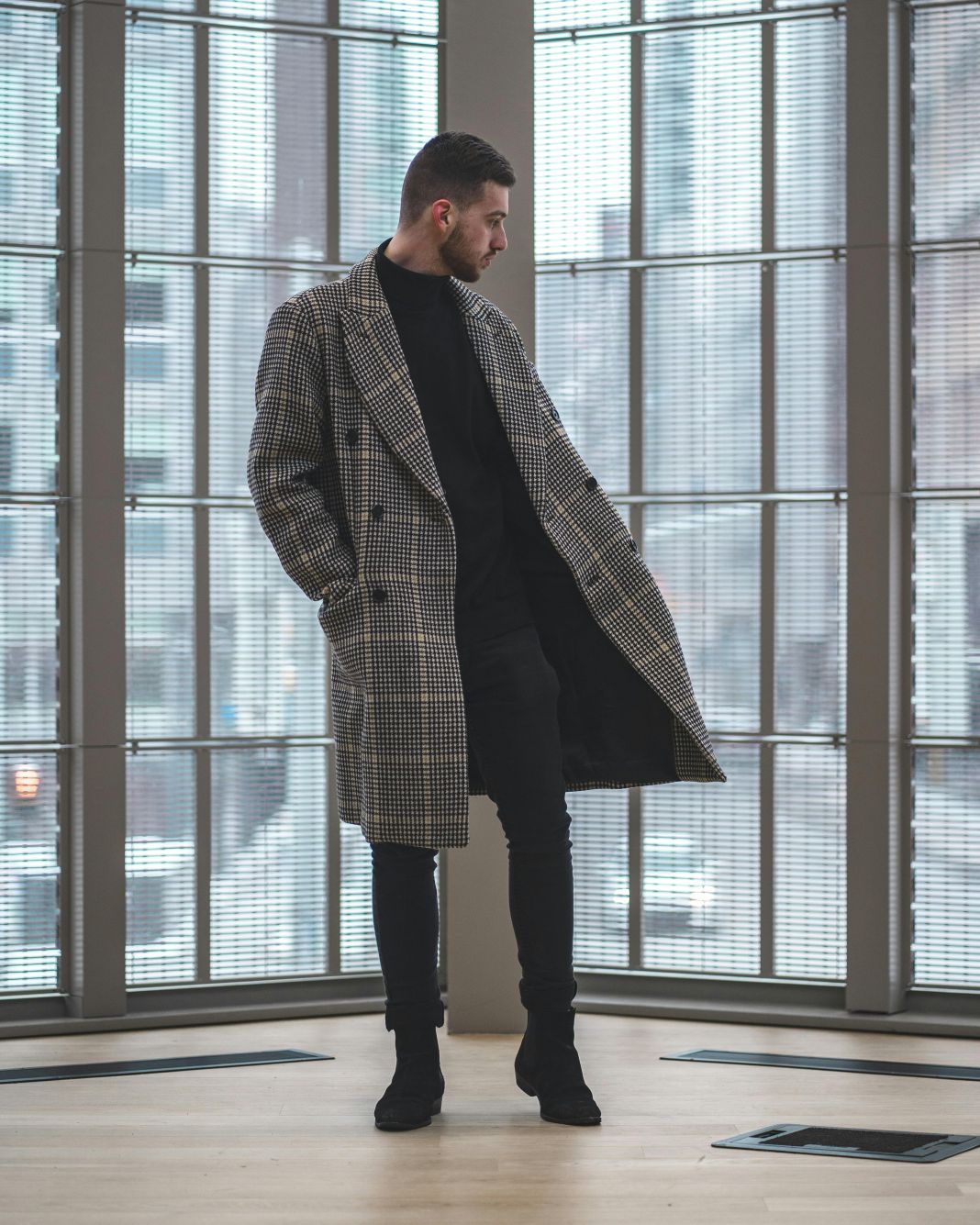
A dense weave traps heat and blocks wind. Twill and herringbone are not only stylish, but their structure also helps retain warmth. Melton, with its compact, brushed weave, excels in cold weather. These thermal weaves help maintain insulation and durability.
You can think of it this way. A loose weave is like a leaky roof, whereas a tight weave acts as a reliable shelter. Combining a higher GSM with a dense weave ensures meaningful protection against the cold, particularly in structural wool coats.


Pro Tip: Touch and drape reveal fabric quality faster than any label. Trust your hands when making a decision..
What coat fabrics are best for wet and windy UK winters?
Rain and wind are serious challenges for any UK winter coat. Wool resists moisture naturally, especially when tightly woven. Some versions include a DWR (durable water repellent) finish, which improves performance without adding stiffness.
Technical blends strengthen resilience. Waxed cotton, though less breathable, is known for handling rain. Ventile, a densely woven British cotton, swells when wet to block out moisture while still remaining breathable.
Moisture-resistant wool fabrics and wool coats designed for damp weather help you manage mist, light rain and strong gusts while keeping warm and dry.
Why breathability in winter coats matters more than you think
Breathability is often overlooked, yet it is vital. In the UK, daily life involves constant transitions between cold streets and heated shops or transport. A coat that does not breathe quickly becomes uncomfortable.
Wool excels in this area. It manages body moisture and allows air to circulate. Synthetic membranes often block airflow, which causes overheating.
Bespoke tailoring enhances breathability. A coat designed with airflow in mind reduces hot spots and helps you remain comfortable. A breathable lining can make a huge difference, especially in a wool coat suitable for city commuting.
What makes a winter coat fabric durable?
A good coat should last several winters. High-quality wool resists wear and recovers well from pressure. Blends with nylon or similar fibres add abrasion resistance while keeping a soft feel.
Well-made coats age attractively. They hold shape, soften slightly and resist pilling. Cheaper fabrics often sag or fade quickly, which makes them poor value in the long run.
Durability protects your investment. A resilient coat not only lasts but also maintains a sharp, tailored look through years of use. Abrasion-resistant blends and fabrics with strong weather ageing resistance ensure your coat performs over time.
Are natural fabrics or blends better for UK winter coats?
Blends are not a compromise. They are often the ideal choice. Wool provides warmth and breathability. Blends improve structure and longevity.
Wool-nylon blends are durable and weather-resistant. Wool-cashmere mixes offer luxury without losing strength. These fibre synergy combinations suit the varied demands of UK weather.
You can think of blends as fine-tuned materials. They provide the right balance of warmth, texture and performance for modern winterwear.
How do insulation and linings affect coat warmth?
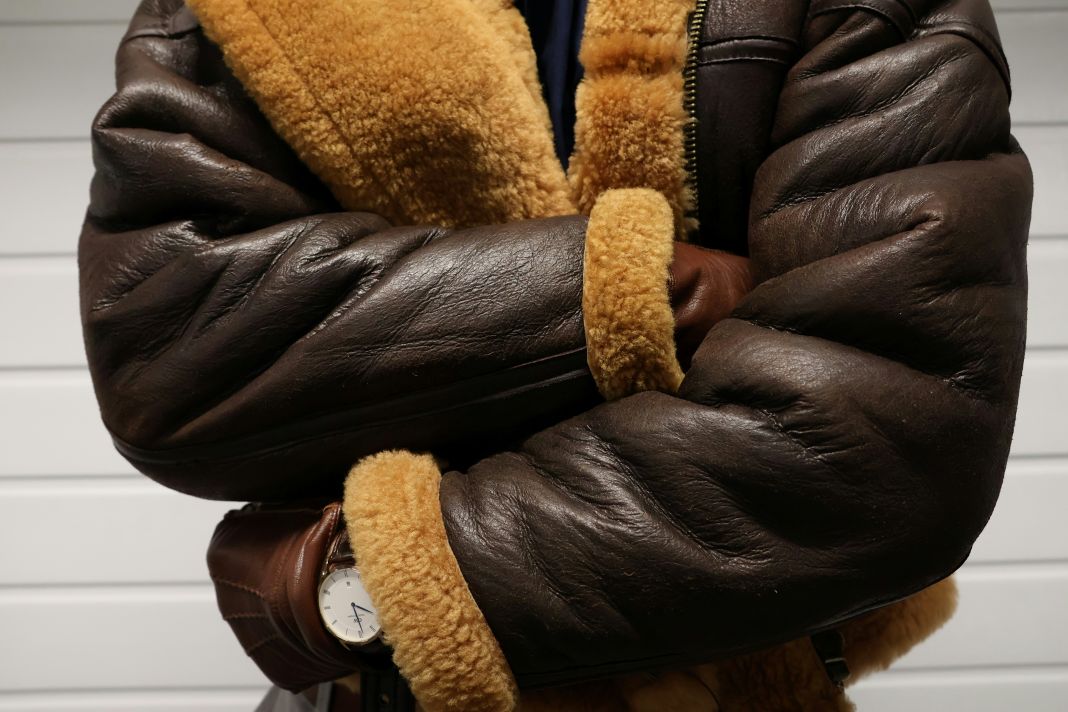
The inside of a coat is just as important as the outer fabric. Linings affect comfort and temperature. Quilted linings add warmth without bulk. Satin linings make the coat easier to wear and feel smoother against the body.
In damp weather, synthetic fills like PrimaLoft often outperform traditional down because they stay warm even when wet. Interlinings add structure and help retain heat. For some people, a coat with luxury coat insulation offers a premium feel and high-performance functionality.
Some bespoke coats avoid insulation altogether. Instead, they rely on the fabric’s weight and interlining to provide warmth in a sleeker form.
How can you tell if a coat fabric is high quality?
You can recognise quality without being an expert. A good fabric feels firm but soft. It recovers quickly after being squeezed and drapes smoothly.
Observe how the fabric falls. It should move with weight and elegance. Signs of poor quality include rough texture, dull colour and limp structure.
Take time to feel the fabric. Your senses often tell you more than a product label. A quality fabric feels inviting and refined. Knowing how to tell fabric quality helps avoid mistakes when choosing garments and ensures you understand high-quality wool coat signs.
Your Bespoke Checklist: How to Choose the Right Winter Coat Fabric
- Select a dense, tightly woven fabric to resist moisture and wind.
- Choose fibres based on your needs — wool for durability, cashmere for luxury.
- Understand GSM and weave to judge warmth.
- Opt for weather-resistant materials or fabrics with proven treatments.
- Make breathability a priority for all-day comfort.
- Invest in fabrics known for their durability and long wear.
- Choose linings and insulation that support warmth and structure.
- Handle the fabric yourself — evaluate its drape, texture and finish.
- Use this winter coat fabric checklist as a guide to ensure nothing is overlooked.
- Ask your tailor for bespoke coat fabric tips tailored to your lifestyle.
With these points in mind, you can approach bespoke tailoring with confidence. You will choose a coat that not only suits your style but also meets the practical demands of a British winter.