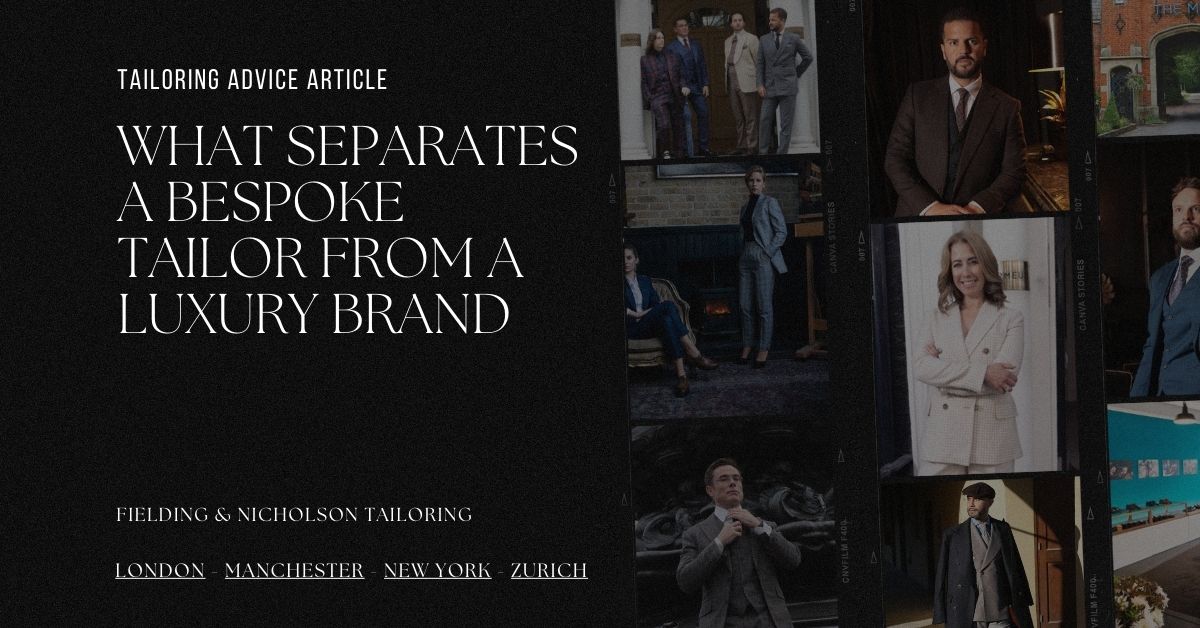
What is the most important step when choosing a bespoke tailor?
Selecting the right tailor matters more than choosing fabric, cut, or style. Every decision that follows builds from that choice. A tailor’s judgement, interpretation, and experience guide the bespoke tailoring process and shape the final garment far more than the cloth itself.
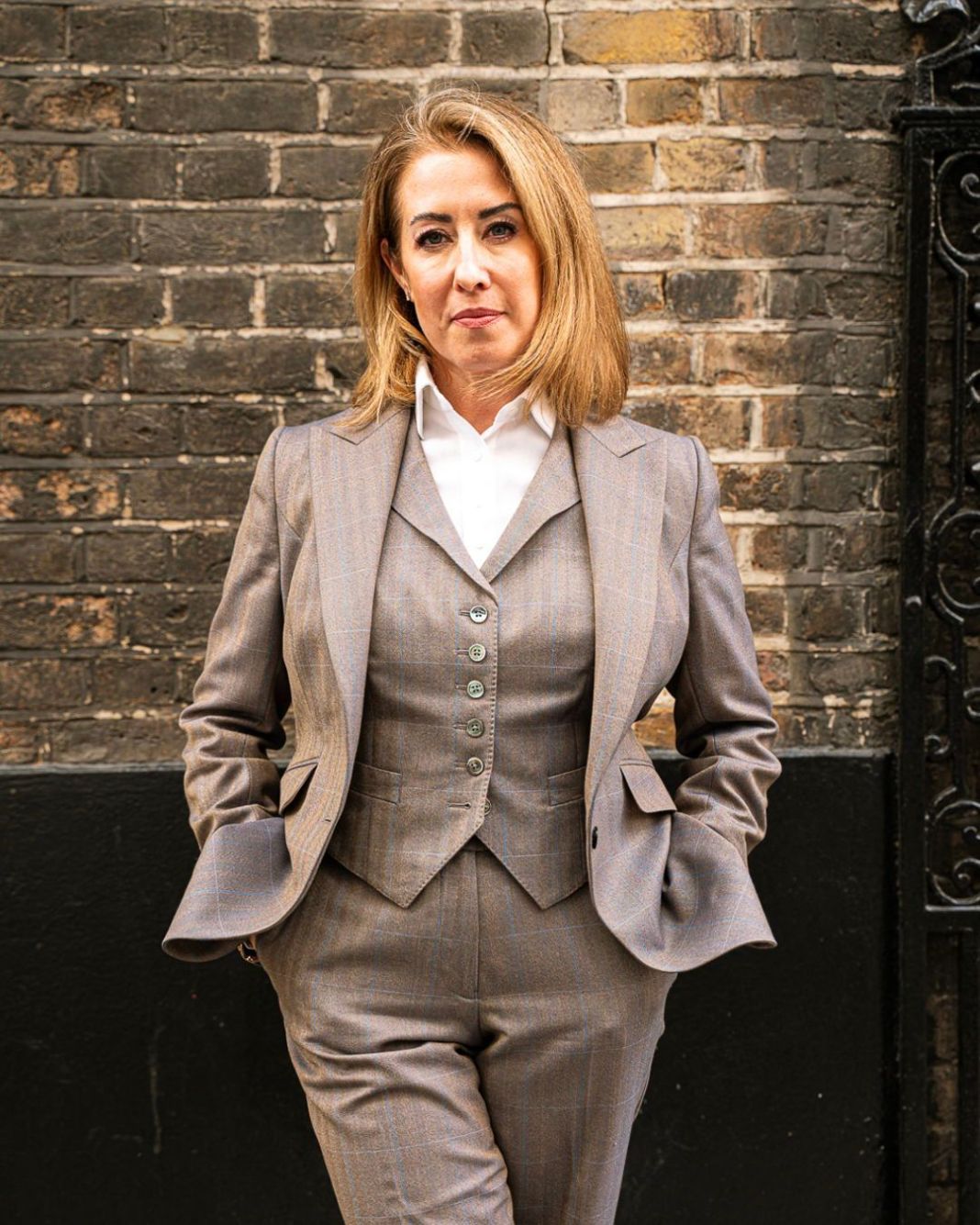
What Is In This Article
Why Choosing the Tailor Comes Before Choosing Anything Else
Many people focus on fabrics or lapels too early. However, bespoke tailoring starts with the person, not the product. The tailor you select will guide every outcome that follows.
This is not just about buying a suit. It involves entering a process built on shared understanding, trust, and long-term thinking. The suit is the end result, not the starting point.
The decision to choose a bespoke tailor early on has long-lasting effects. Most regrets come from misjudged partnerships, not from poor stitching. Fielding & Nicholson prioritises client relationships over transactions, aiming for compatibility as much as quality.
Traditional tailoring houses, especially on Savile Row, use apprenticeship systems that emphasise repetition, mentorship, and careful observation. These foundations build lasting judgement. Choosing a tailor means making a bespoke tailoring decision that influences every stage of the process.
Takeaway: Choose the person, not the cloth. Your tailor's judgement shapes everything.
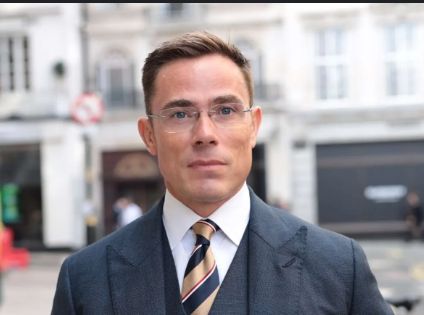
Pro Tip: Neutral colour palettes with structured tailoring transition effortlessly from day to night.

What Does a Good Bespoke Tailor Actually Do for You?
A good tailor offers guidance rather than just taking measurements. They interpret your lifestyle and help translate your needs into purposeful decisions.
You can expect a good bespoke tailor to:
- Provide thoughtful guidance rather than blind agreement
- Convert your needs into long-term clothing decisions
- Help you avoid short-sighted or misaligned choices
Disagreeing with a client at times is part of responsible tailoring. It shows the tailor is thinking beyond the immediate brief.
The team at Fielding & Nicholson, including Ian Fielding-Calcutt and Alex Riley, focus on creating clarity. Their role is to help you make informed decisions that remain relevant long after the final fitting.
This support is part of a tailoring house philosophy that prioritises long-term satisfaction over short-term compliance. The arrival of Ravi “Dapper Rav” Sagoo further strengthens this approach. His ability to combine structure with personal style gives clients even more confidence in the advice they receive.
Takeaway: A good tailor thinks with you, not just for you.
How Can You Tell Whether a Tailor Is Listening or Simply Agreeing?
Polite agreement is not the same as genuine understanding. It is easy to misread smooth conversation as true alignment.
Tailors who listen closely will:
- Ask questions that go beyond surface preferences
- Pause to reflect before giving answers
- Offer gentle pushback when necessary
These behaviours indicate they are interpreting your needs, not simply following instructions.
In their consultations, Fielding & Nicholson prioritise open dialogue. Their tailors are trained to listen actively and engage with care. This approach ensures that the bespoke experience aligns with your expectations.
Takeaway: True listening includes clarification, not just agreement.
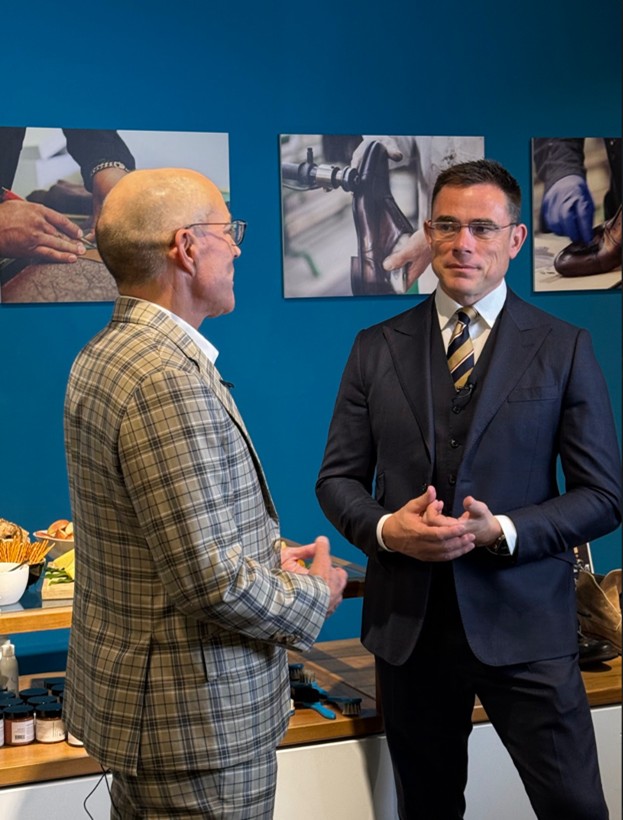
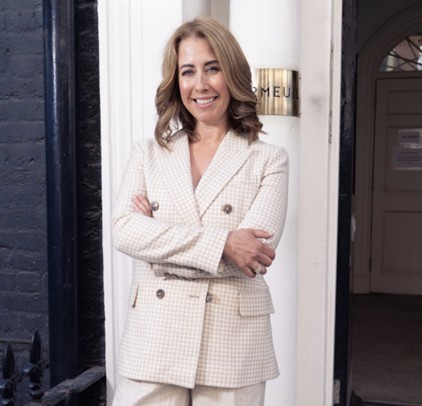
Pro Tip: Matte fabrics reduce glare in photographs and always look sharper under flash.
Why Is the Consultation a Test of Compatibility?
The consultation is not a transaction. It provides a shared opportunity to assess whether you and the tailor can work well together.
You are not expected to commit during this meeting. A proper tailor consultation allows both parties time to evaluate comfort and communication.
Compatibility means:
- Feeling understood by the tailor
- Having your input respected
- Experiencing a conversation that feels steady rather than rushed
Tailors such as Lewis Calcutt emphasise calm, mutual understanding. The goal is always to help you feel settled before any decisions are made.
Takeaway: If the consultation feels calm and open, you are in the right place.
How Do You Know Which Credentials and Experience Matter?
Experience is useful, but not all credentials reflect the same quality. What matters most is how that experience is applied today.
Reliable tailors show:
- Consistent results
- Clear methods of working
- Depth of skill gained from long-term practice, not surface-level marketing
Savile Row’s apprenticeship model trains tailors over many years through repetition. This process develops sound judgement and technical consistency.
Tailors like Raymond Chung and Nathalie May apply their experience through steady, client-focused work. Their strength lies in delivering consistent results rather than seeking attention. If you are choosing a tailor for the long term, it is their credibility and approach that matter most.
Takeaway: A steady hand is more valuable than a famous name.
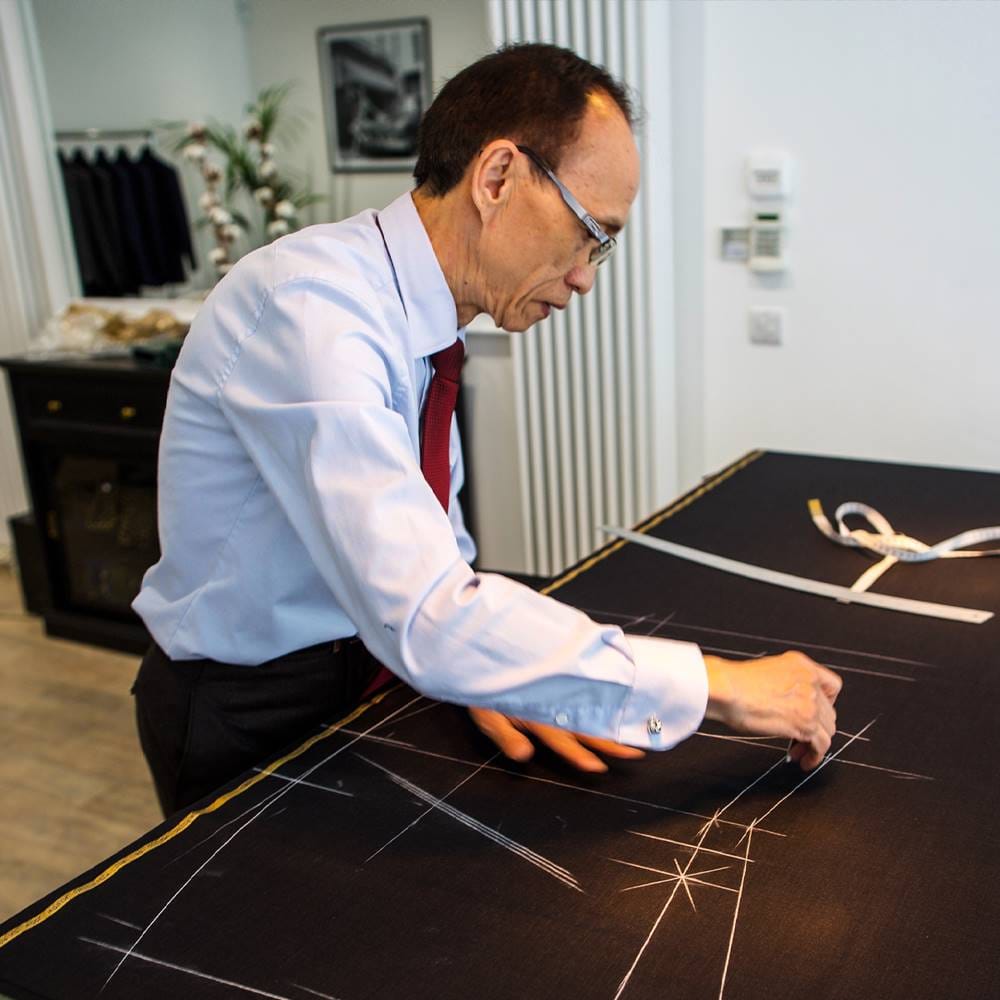
What Is the Bespoke Tailoring Process Like Before You Commit?
Bespoke tailoring takes time for a reason. Each stage exists to help the garment evolve with precision.
Expect three main fittings as part of the bespoke fitting stages:
- Baste fitting: This first fitting shapes the initial structure
- Forward fitting: This stage refines shape and corrects fit
- Final fitting: This final check confirms balance, comfort, and finish
Each stage provides the client and the tailor a chance to reflect and adjust. This sequence supports the refinement loop that defines a proper bespoke tailoring process.
The process is clearly outlined from the very beginning. Clients receive practical timelines and clear communication, which help make the tailoring journey both transparent and manageable.
Takeaway: Time spent refining is time well spent.
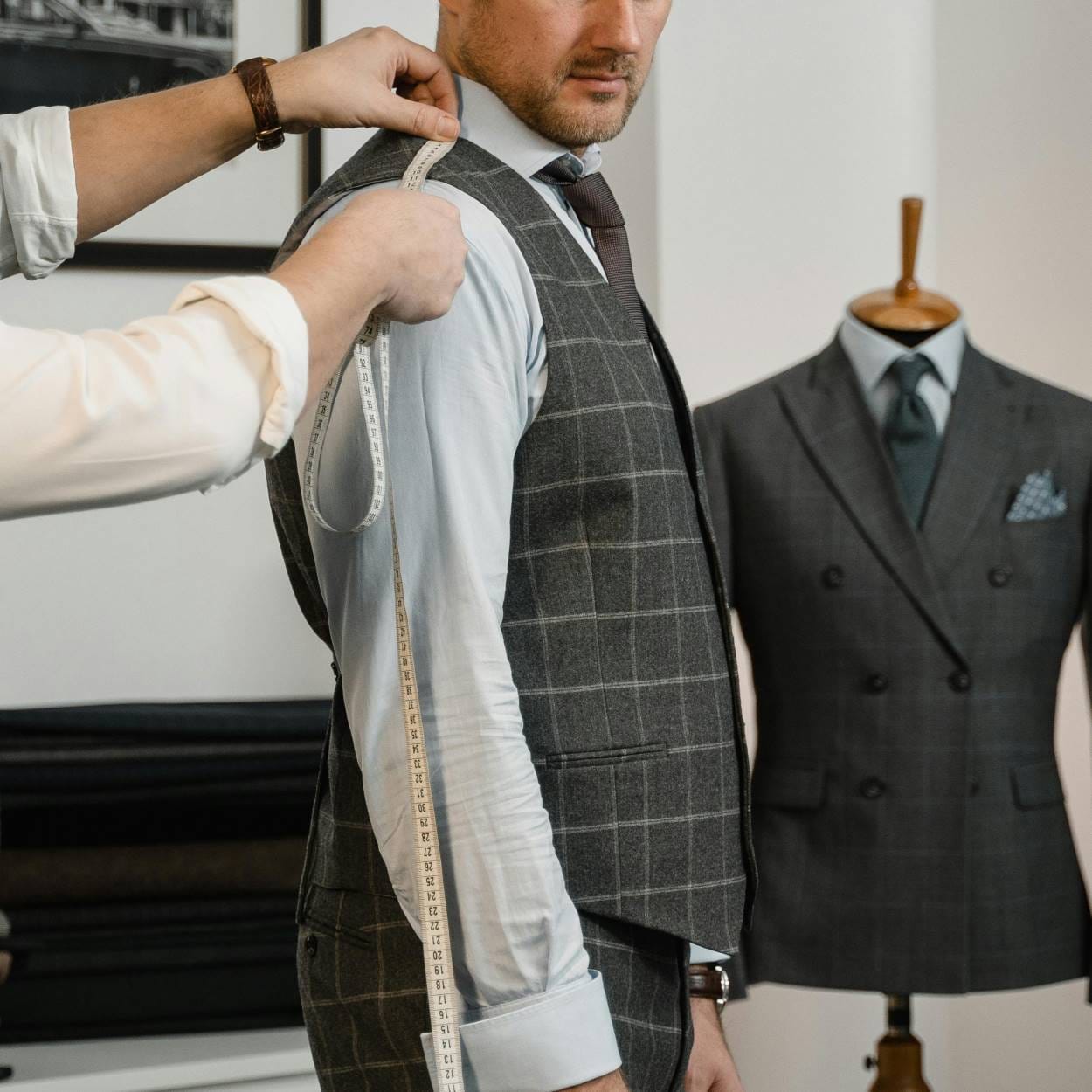
Why Should You Choose a Tailor for the Long Term?
A bespoke suit is the beginning of a relationship rather than a one-time transaction.
When working with a tailor over time, future decisions become easier. The results improve with each commission, and there is less need to repeat preferences or fit concerns.
A long-term bespoke tailoring relationship offers:
- Better alignment as your wardrobe evolves
- Fewer decisions repeated unnecessarily
- Garments that reflect how your needs and style change
This long-view approach defines how Fielding & Nicholson support their clients. Their tailors help build wardrobes with continuity across commissions. Each piece contributes to a broader and more thoughtful wardrobe strategy.
Ravi “Dapper Rav” Sagoo brings a styling dimension to this approach. His presence enhances the process by helping clients express their personality and vision with clarity. He ensures that each commission adds something meaningful to the wider bespoke relationship.
Takeaway: The right tailor grows with you, not just measures you.