
What should you wear to the British Grand Prix?
Wear clothes that feel smart, comfortable and adaptable. A good British Grand Prix outfit usually means breathable layers, practical shoes, weather-ready outerwear and a polished casual look that suits a long day outdoors at Silverstone Circuit. The aim is to look put together without dressing as if you are headed to a formal evening event.
The British Grand Prix has its own rhythm. Engines, grandstands, queues for coffee, bursts of sun, a passing shower and plenty of walking all shape the day before style enters the picture. Silverstone feels part sporting fixture, part social occasion and part outdoor endurance test, which means that getting dressed for it is less about formality and more about reading the setting well.
Some guests arrive for hospitality. Others spend the day in general admission areas, moving between viewing points and food stalls. Both experiences call for thought, but neither demands stiffness or costume dressing.
A few points matter more than most:
- The setting is outdoors for hours at a time.
- British weather can change within the same afternoon.
- Dress codes vary by ticket type and hospitality access.
- Comfortable footwear affects the whole spectator experience.
- Smart-casual usually works better than anything too formal or too casual.
Many first-time visitors assume motorsport events require one fixed look. In practice, trackside style sits somewhere between relaxed weekend dressing and polished event wear, with enough flexibility to handle grass, concrete, wind and the occasional muddy patch.
What Is In This Article
Prioritising Comfort Without Sacrificing Style
Comfort deserves top billing at Silverstone. A day at the races often includes walking between stands, standing in queues, climbing steps and sitting outdoors for long stretches, so any outfit that pinches, overheats or restricts movement will wear thin quickly.
Breathable fabrics make a noticeable difference. Cotton shirts, lightweight knitwear, soft tailoring and unstructured jackets usually feel better than anything heavily lined or rigid. Savile Row tailoring traditions have always valued fit and movement, and that principle matters here as much as appearance.
Footwear is where many otherwise good outfits come unstuck. Supportive loafers, clean leather trainers, refined ankle boots or other smart flat shoes generally cope well with a full day. Thin soles, high heels and shoes that need breaking in can turn a good plan into an uncomfortable afternoon.
Layering also keeps an outfit looking intentional. A fine knit over a shirt, or a lightweight jacket over a polo or blouse, gives you options if the temperature shifts. A comfortable race day outfit should adapt without looking as if it was packed in a panic.
Fielding & Nicholson often speaks to the value of tailoring that moves with the wearer, and that idea applies neatly here. Clothes should follow the body easily, especially if your day includes hospitality lounges, outdoor terraces and long walks between viewing spots.
A useful rule is simple:
- Do choose clothes with room to sit, walk and layer.
- Do choose shoes you have already worn comfortably.
- Do keep the overall look neat, even if it leans casual.
- Do not mistake dressing down for looking unfinished.
Smart casual trackside style works best when every piece earns its place, from the jacket on your shoulders to the shoes that carry you back to the car.
Working through British Weather: Layering and Outerwear
A dry morning at the British Grand Prix can become a wet afternoon with very little warning. British weather asks for preparation, but carrying half your wardrobe around Silverstone is rarely the answer.
Start with a light base layer that feels comfortable indoors and outdoors. Add something warmer without bulk, such as a fine merino knit, soft overshirt or lightly structured jacket. Finish with outerwear that can handle wind or rain without dominating the whole outfit.
Water-resistant jackets are often the safest choice for general admission and open seating. If your plans lean more polished, a clean, packable rain layer in a muted colour sits more comfortably with tailored separates than a heavy outdoor coat would. British wool can work well in lighter jackets or knitwear, particularly when the day starts cool.
Keep the weatherproofing practical:
- A lightweight waterproof or shower-resistant jacket
- A fine knit or overshirt for warmth
- A compact umbrella if your ticket area allows it
- Layers that fold easily into a bag without creasing badly
Colour matters more in wet conditions than people expect. Mid-tones, navy, olive, stone and textured fabrics tend to cope better with light marks or rain spots than very bright shades or pure white. Mud splashes are easier to live with when your outfit has a little visual forgiveness built in.
Once you can add or remove one layer without rethinking the whole look, dressing for British weather becomes much less of a headache.
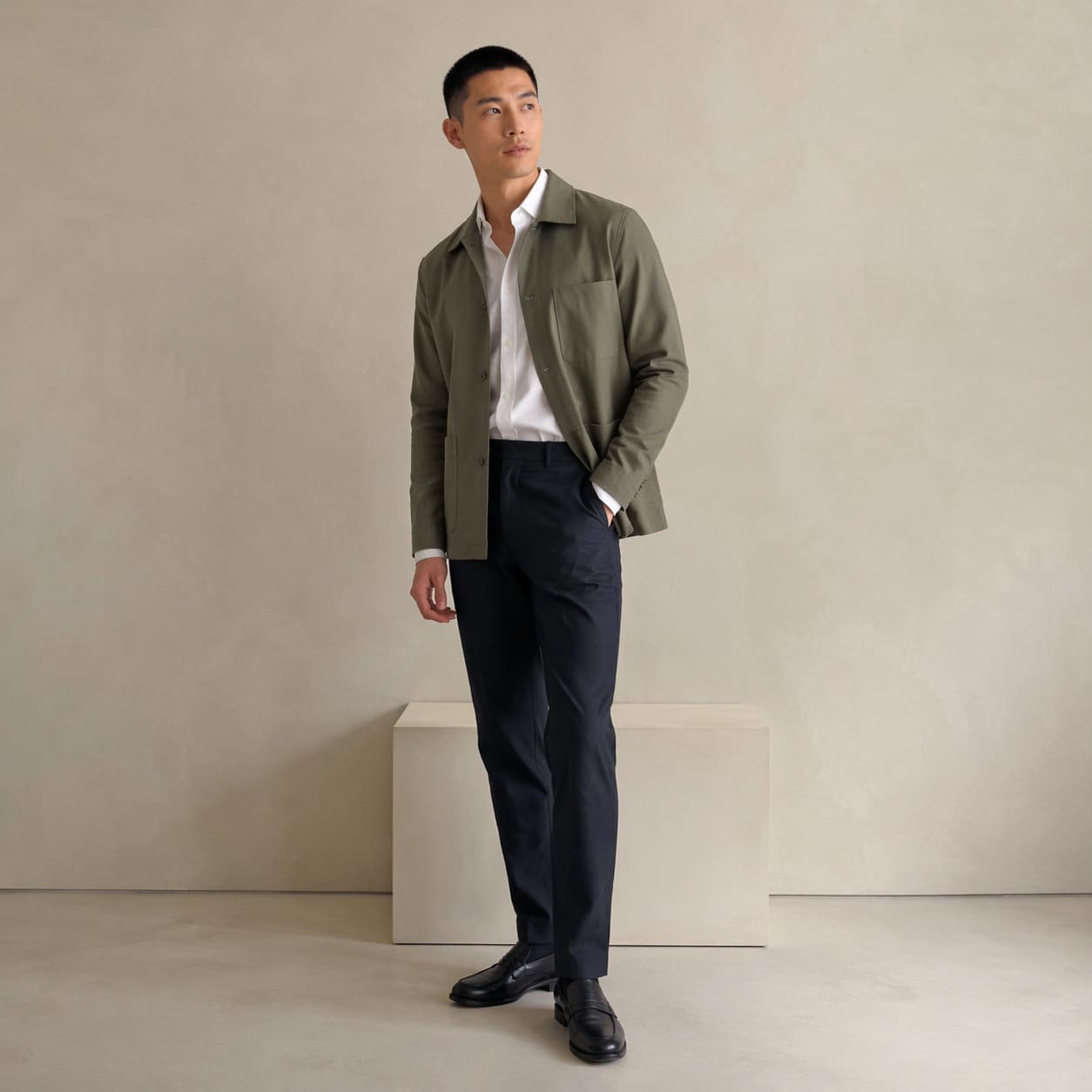
Menswear For Grand Prix – Tailored Smart Casual Style – Sample Image
Choosing the Right Fabrics and Colours
Fabric affects comfort, shape and appearance all at once. On a race day, that means choosing materials that breathe, recover well and stay presentable after hours of sitting, walking and possible drizzle.
Linen often sounds ideal for summer racing, but pure linen can crease heavily by midday. Cotton usually feels easier to manage, especially in shirts, chinos and casual tailoring. Technical blends can also be useful, particularly when they add stretch, stain resistance or quicker drying without looking overtly sporty.
A simple comparison helps.
Good choices
Cotton twill, lightweight wool, breathable technical blends, soft denim, fine merino and linen blends usually hold up well at outdoor events. These fabrics can look polished without feeling overly delicate.
Better left at home
Heavy synthetics, very stiff suiting cloth, anything that marks easily, and fabrics that crease sharply after a short car ride can become frustrating before the first laps have settled the crowd.
Colour deserves the same practical eye. Navy, taupe, olive, cream, soft blue and muted checks give plenty of flexibility and suit the British Grand Prix atmosphere well. Motorsport-inspired style can come through in a subtle stripe, a racing green jacket or a neat check rather than anything literal.
All-black outfits can feel too severe in daylight and show dust more than expected. All-white can look sharp for a moment, then suffer at the first coffee spill or damp seat. A slightly mixed palette tends to survive the day with more grace.

Pro Tip: Choose water-resistant outerwear in muted tones to handle sudden showers and disguise minor marks at Silverstone
Smart-Casual Trackside: Outfits That Work
The easiest way to get dressed for Silverstone is to build around one smart-casual idea and adapt it to the forecast. Tailored separates usually do this well because they look considered without tipping into ceremony.
For anyone who likes structure, an unstructured blazer with chinos or tailored trousers is a dependable starting point. Add a polo shirt, fine gauge knit or crisp cotton shirt, then finish with practical shoes. The result feels polished enough for hospitality and still comfortable in the stands.
If you prefer a softer approach, try neat trousers or dark denim with a lightweight jacket and simple knitwear. That combination suits men, women and anyone building a look outside traditional categories. Inclusive tailoring has widened the conversation around event dressing in a useful way, with more attention paid to fit, proportion and ease than old gender rules.
Fielding & Nicholson tailors often work across menswear, womenswear and inclusive bespoke clothing, and that broad view makes sense for race day dressing. A smart Grand Prix outfit should support the person wearing it, not force them into someone else's idea of what race style ought to look like.
A few outfit formulas work especially well:
- Unstructured blazer, polo shirt, chinos, leather trainers or loafers
- Lightweight knit, tailored trousers, shower-resistant jacket, smart flat shoes
- Relaxed shirt, neat dark denim, overshirt or casual blazer, ankle boots
- Midi skirt or tailored wide-leg trousers, fine knit or blouse, short weather-ready jacket, comfortable flats
Accessories should refine the outfit rather than dominate it. A belt, watch, scarf or understated jewellery can add personality without making the whole look feel overworked.
The best trackside outfits usually look as if they belong equally in a paddock-side café, a hospitality lounge and a photograph you still like a year later.
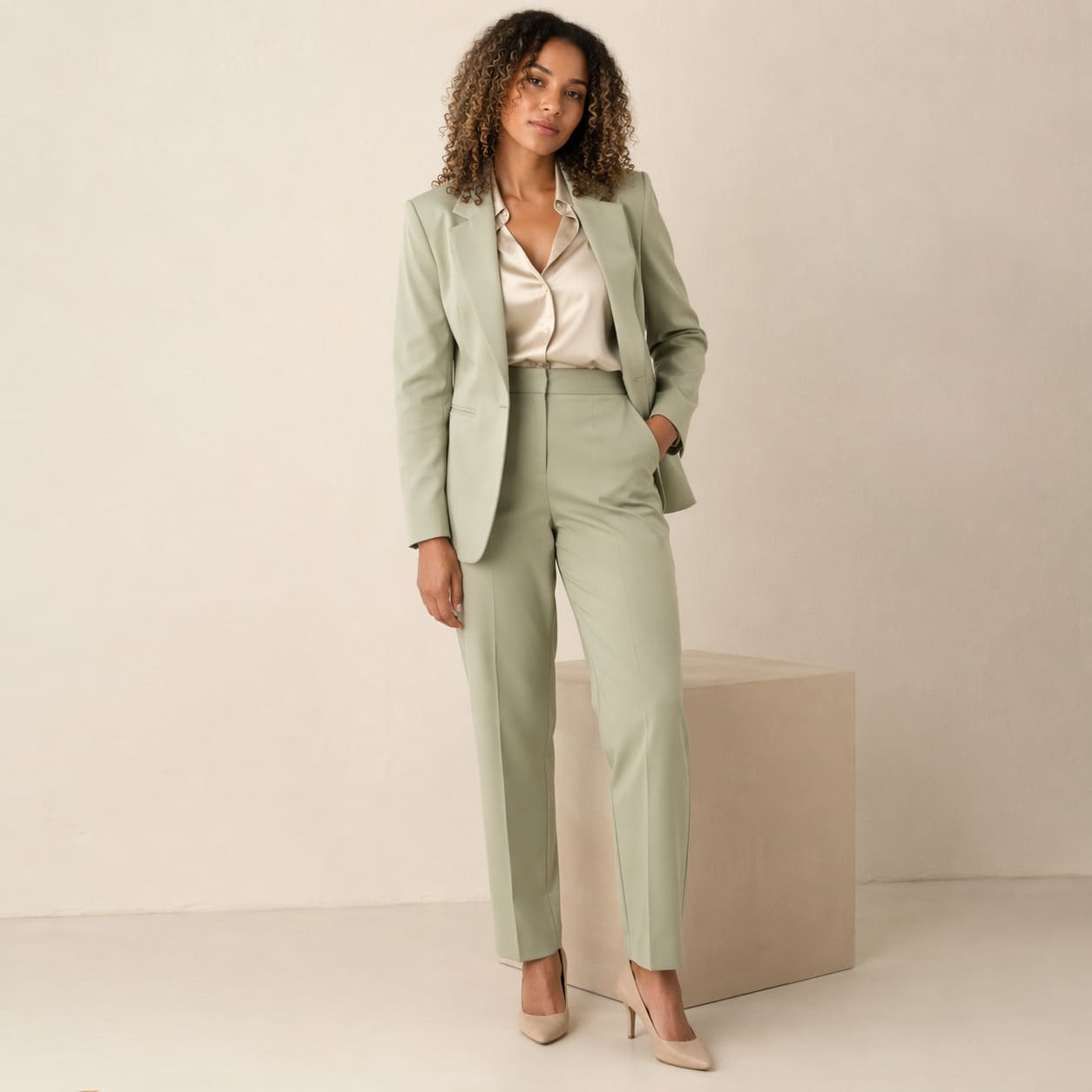
Womenswear For Grand Prix – Sage Green Linen Tailored Suit – Sample Image
Accessories and Finishing Touches
Accessories should solve problems first and decorate second. At the British Grand Prix, that means sun, glare, carrying essentials and staying hands-free.
The most useful pieces are straightforward:
- Sunglasses with reliable glare protection
- A hat or cap that suits your outfit and offers shade
- A practical crossbody bag, tote or compact backpack
- A watch or subtle jewellery that does not get in the way
Sunglasses earn their place even on mixed-weather days because bright cloud cover can still feel harsh around the circuit. Hats help in open seating, though a style with a secure fit is usually easier in windy conditions than anything too floppy or delicate.
Bags need enough room for layers, tickets, water and small daily items without becoming heavy by lunchtime. Crossbody styles often work particularly well because they leave both hands free for moving through crowds, carrying refreshments or folding away a jacket.
Jewellery and watches work best when they stay understated. Trackside style has a practical spirit, so one or two considered details usually look sharper than a collection of statement pieces competing for attention.
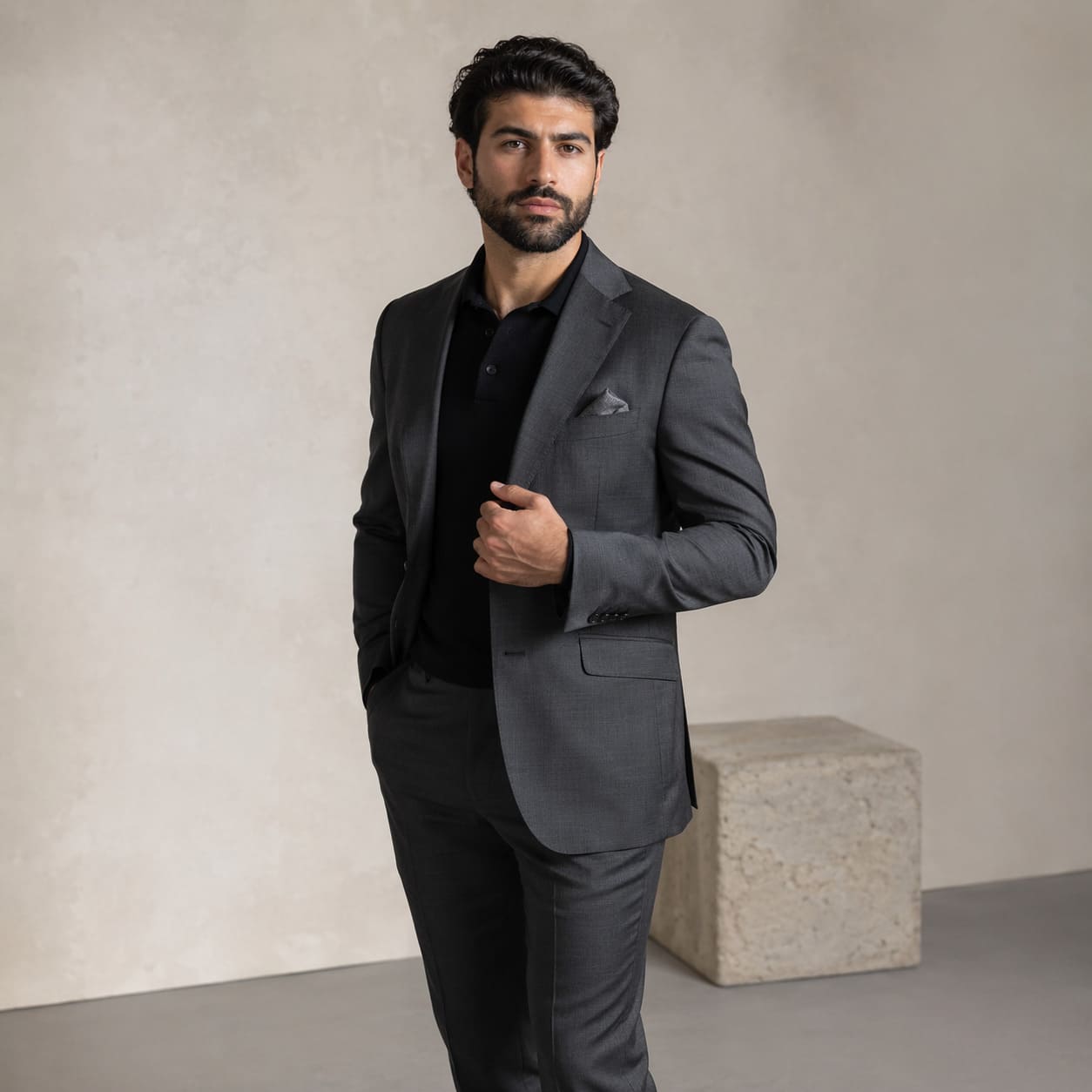
Menswear for Grand Prix – Charcoal tailored suit with black shirt – Sample Image

Pro Tip: Break in any new shoes well before race day to ensure lasting comfort on concrete and grass
Common Mistakes to Avoid When Dressing Trackside
Plenty of race day outfit mistakes come from good intentions. People want to look the part, then lean too far into glamour, casualwear or weather panic.
- Wearing shoes chosen for appearance alone. Smart shoes that hurt after twenty minutes tend to dominate the day for all the wrong reasons.
- Dressing for one forecast and ignoring the rest. A warm start can tempt people into skipping layers, then a cooler, windier afternoon leaves them searching for shelter.
- Going too formal for the setting. A stiff suit, delicate fabrics or anything that feels better suited to an evening reception can look slightly misplaced at a motorsport event.
- Swinging too far the other way. Gym wear, beachwear or very scruffy casual clothes can feel out of step, particularly in hospitality areas where British event etiquette still matters.
- Packing for every possibility. A heavy bag full of spare options becomes tiring quickly, especially if you are moving around the circuit.
- Following outdated stereotypes about motorsport fashion. Silverstone attracts all kinds of guests, and the strongest looks tend to be practical, personal and well judged rather than themed.
Most regrets at outdoor events come from one small miscalculation repeated over several hours, whether that is a damp jacket, aching feet or clothes that never quite settle.
Dressing for Confidence: Beyond the Dress Code
The strongest race day look is usually the one that lets you forget about your clothes for long enough to enjoy the racing. Dress codes matter up to a point, but personal ease matters more once the crowds build, the weather shifts and the day finds its pace.
Bespoke tailoring has always been linked with individuality, and that idea still holds value far beyond formal suiting. Whether your style leans classic, relaxed or slightly more expressive, the aim is the same: clothing that feels like a natural extension of you in a distinctly British sporting setting.
A few confidence cues are worth keeping in mind:
- Choose fit before formality.
- Build around comfort, then refine the details.
- Let colour or pattern show personality in a measured way.
- Dress for movement, weather and a full day out.
- Keep the final effect polished, calm and easy to wear.
British sporting culture has become more open in the way it reads style. A good outfit at Silverstone no longer depends on fitting one narrow template. It depends on looking appropriate, feeling comfortable and carrying yourself with the quiet assurance that comes from getting the basics right.
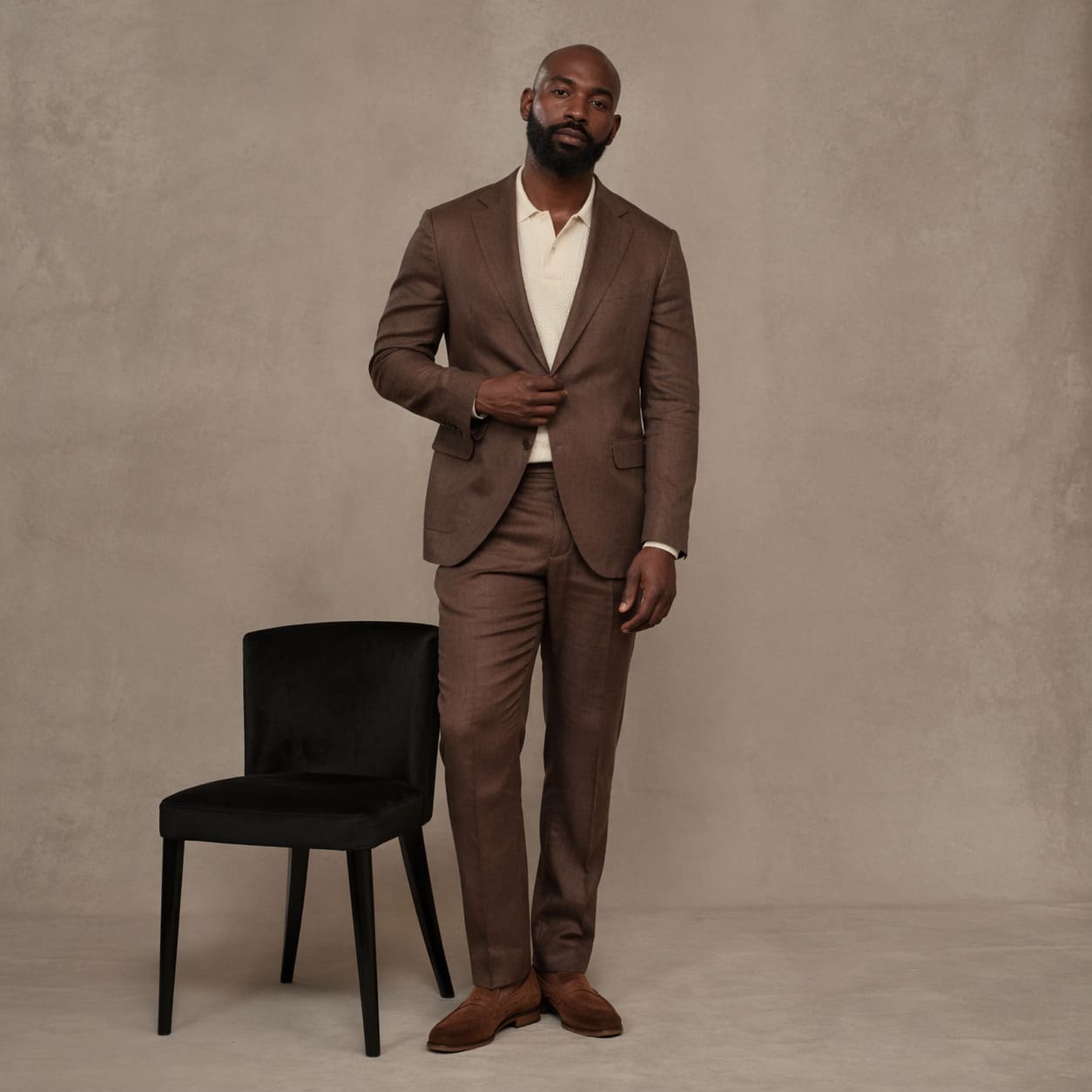
Menswear for Grand Prix – Brown tailored suit with white shirt – Sample Image