What is the real difference between Savile Row tailors and high street suits?
Yes, there is a real difference, but it is not simply a matter of price or prestige. Savile Row tailoring usually involves a more individual process, more precise fitting, and more considered construction, whereas high street suits are made to suit a wider range of people at scale. The better choice depends on how often you wear a suit, how you want it to fit, and what you expect from it over time.
What Is In This Article
Understanding the foundations
Savile Row carries a long association with British tailoring houses, handwork, and a close relationship between tailor and client. That reputation matters, although it can sometimes make the comparison feel simpler than it really is. A suit from Savile Row is not automatically right for every person, and a high street suit is not automatically poor.
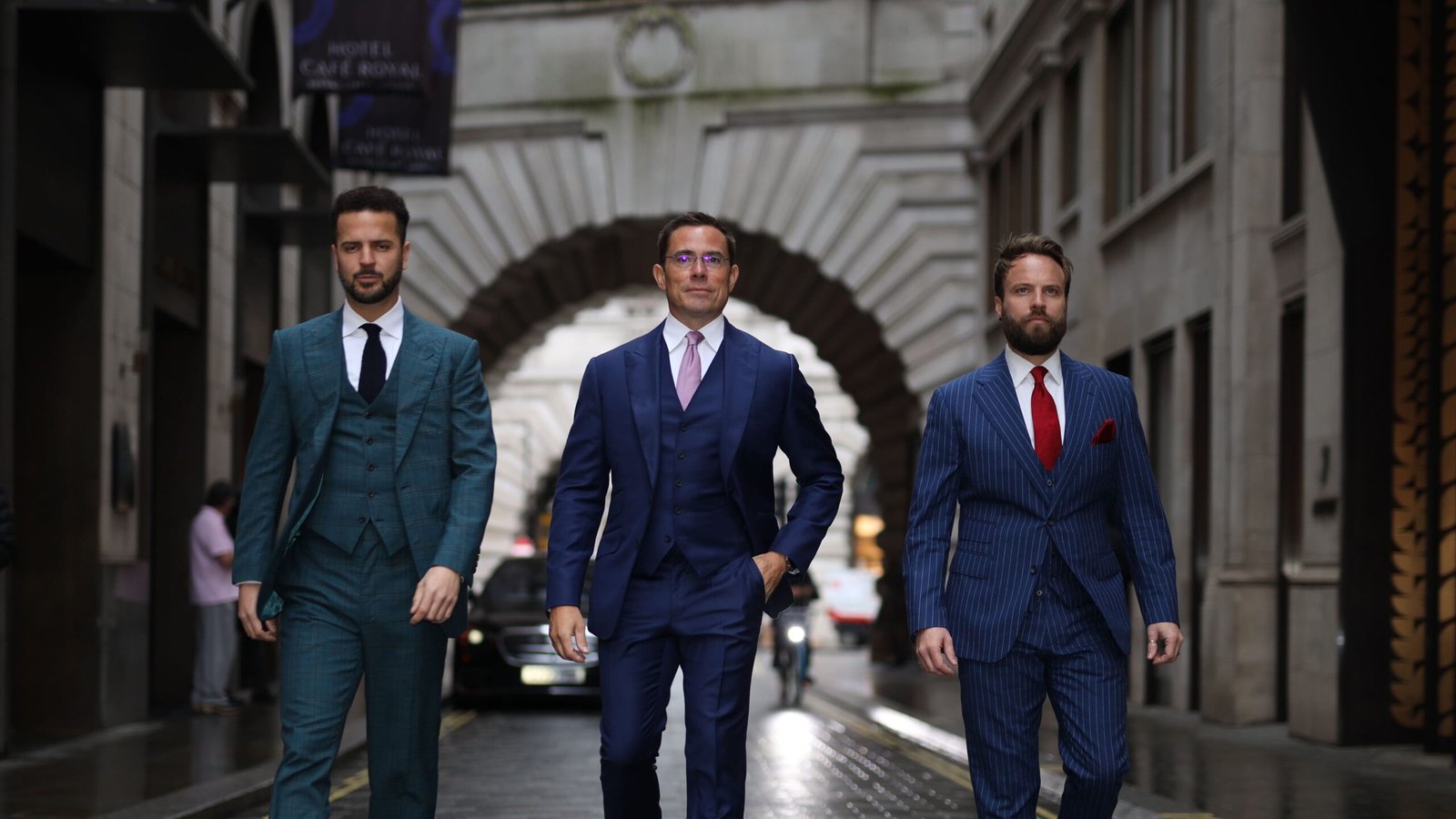
At the most basic level, the difference is about method. High street suits are usually produced in standard sizes and sold ready-to-wear. Savile Row tailoring, by contrast, is commonly linked to bespoke work, where a pattern is created for one individual and refined through fittings.
A quick comparison makes the distinction clearer:
- High street suits are generally made in volume, using standard blocks and broader size grading.
- Savile Row tailoring is usually based on an individual pattern, personal fittings, and closer attention to how the garment sits on one body.
- Made-to-measure sits somewhere between the two, using an existing pattern adjusted to the wearer rather than built from scratch.
Misunderstandings often come from mixing up these categories. Many people use "bespoke" to mean any suit that feels premium, although true bespoke has a specific meaning in tailoring industry standards and usually involves hand pattern cutting, fittings, and a garment developed from the ground up for one client.
Tradition also plays a part, though tradition does not mean standing still. Some British tailoring houses preserve old techniques while adapting style, cloth choice, and fit preferences for modern wardrobes. On the high street, the strongest brands have also improved cut, cloth selection, and in-house alterations, which means that the gap is real but not identical in every case.
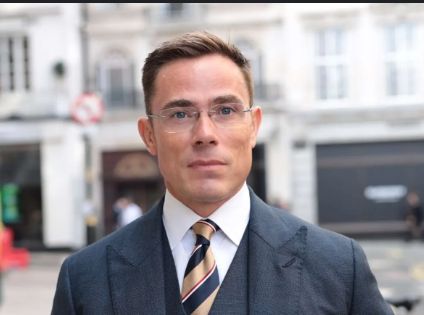
Pro Tip: A professional fitting can reveal subtle adjustments that significantly improve comfort and appearance, often overlooked in off-the-rack suits.
The craftsmanship divide: construction, materials, and attention to detail
Picture two navy suits on a rail. From a few feet away, they may look broadly similar. Once you wear them, move in them, and inspect how they are built, the differences often become easier to feel than to see.
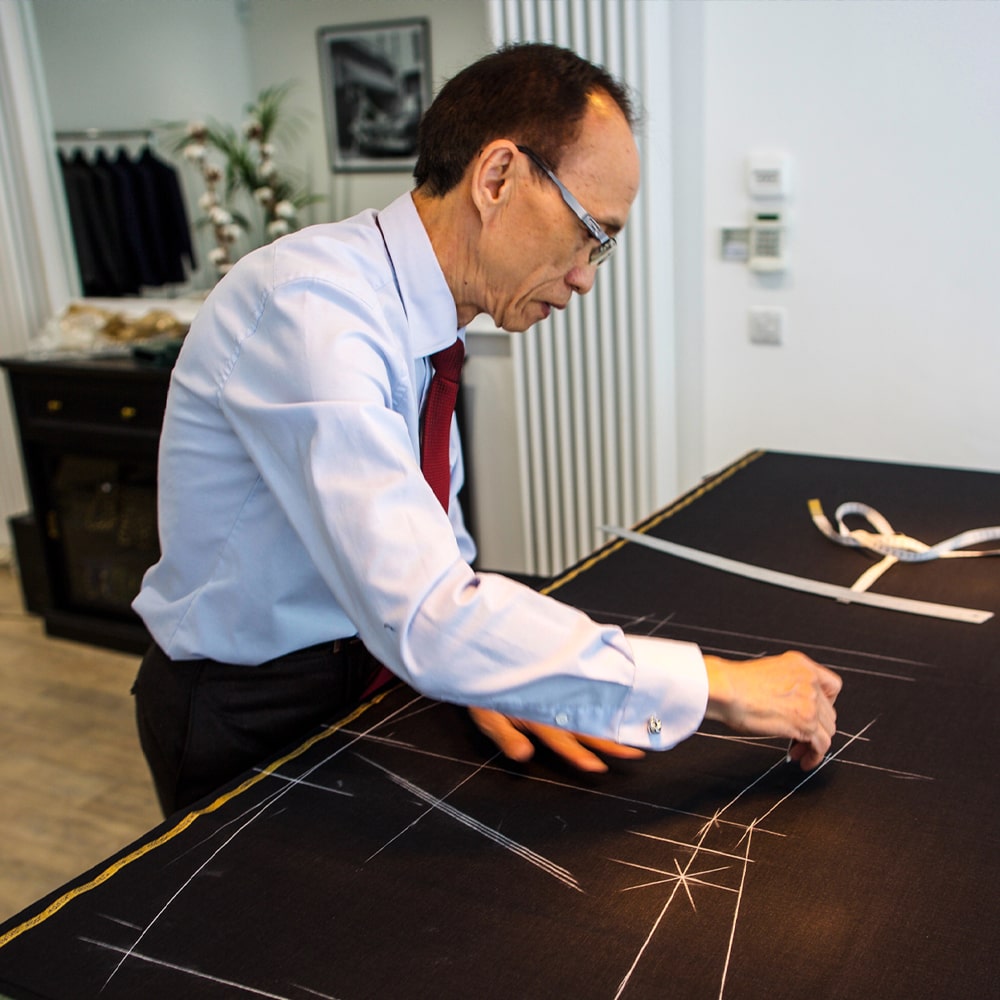
Construction is a major dividing line. A bespoke suit may involve hand-cutting, careful pattern work, and several fitting stages. A high street suit is more likely to be machine assembled in larger production runs, with choices made for consistency and speed.
One of the clearest technical differences lies inside the jacket. Better bespoke suit construction often uses canvas through the chest and front, which allows the garment to shape itself over time and move with the wearer. Many cheaper ready-to-wear jackets use fused construction, where interlining is bonded to the cloth. Fusing can keep costs down and produce a clean look at first, but it does not always age in the same way.
Fabric also affects the result. Savile Row tailors often work with established cloth merchants and British wool mills, offering a wider range of weights, weaves, and finishes. That does not mean every high street fabric is poor. It does mean that bespoke clients usually have more say over how the suit feels in winter, how it breathes in warmer weather, and how formal or relaxed the finished look should be.
In practice, the process tends to unfold like this:
- The cloth is chosen for use, feel, drape, and purpose.
- The pattern is cut around the individual body and posture.
- Fittings refine balance, sleeve pitch, collar shape, trouser line, and overall comfort.
Fielding & Nicholson, like other genuine bespoke houses, places value on those fitting stages because small changes in balance and proportion affect the whole garment. A sleeve that hangs cleanly or a collar that sits close to the neck sounds minor on paper, yet those details shape how settled a suit feels after several hours of wear.
Durability is linked to all of this. Better lining quality, stronger seam work, repairable construction, and more stable cloth choice can give a suit a longer useful life. A high street suit can still serve well for occasional use, especially if the fit is decent and the wearer is realistic about what the garment is meant to do.
Fit and personalisation: how much does it really matter?
Anyone who has worn a jacket that pulls across the back or trousers that twist at the leg already knows the answer. Fit matters every minute the suit is on your body.
Standard sizing works by averaging shapes. That system is practical, and for some people it works surprisingly well. Bodies, though, are rarely symmetrical in the way shop sizing assumes. One shoulder may sit lower. A chest may be broader than the waist suggests. Posture can shift the whole line of a jacket without changing the tape measure very much.
Bespoke fitting accounts for those subtleties. Multiple fittings allow the tailor or pattern maker to adjust balance, length, rise, lapel position, sleeve hang, and the amount of ease through different parts of the body. That level of refinement changes both comfort and appearance.
Personalisation also goes beyond measurement. A person buying off-the-rack usually chooses from what is available in the shop: a limited set of colours, lapel shapes, pocket styles, and cloths. Bespoke personalisation gives more control over the visual language of the suit, including whether it should read formal, understated, expressive, soft, sharp, structured, or relaxed.
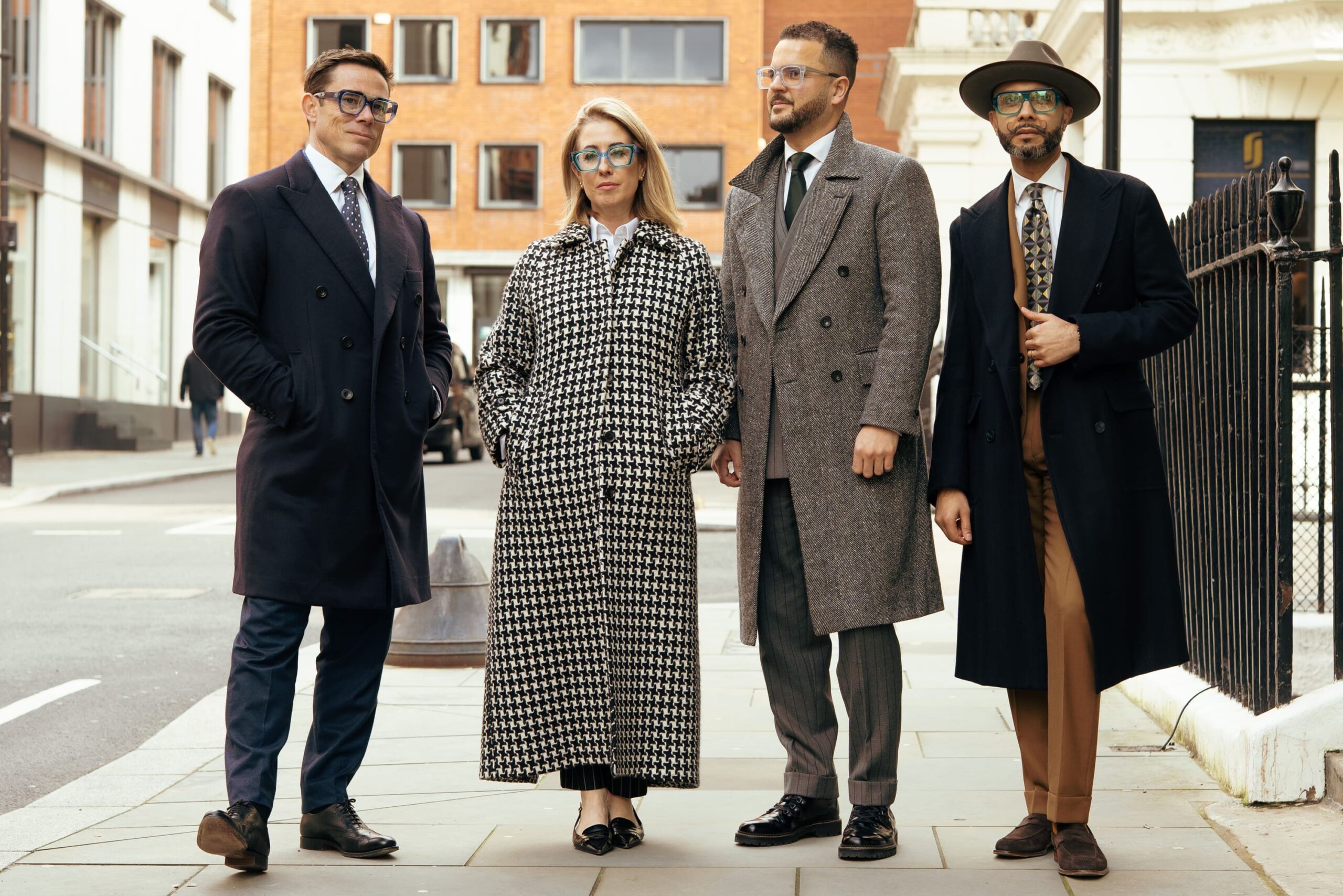
Inclusive tailoring matters here as well. People often talk about fit as if every client falls neatly into traditional menswear sizing. That is not the case. Women, non-binary clients, LGBTQ+ clients, and people with disabilities may want clothing that respects both comfort and identity without forcing them into unsuitable blocks or dated assumptions. Experienced tailoring consultants can adapt the process to body shape, style preference, mobility needs, and how the wearer wants to present themselves.
For some clients, the emotional side is as important as the technical side. Feeling properly seen in a fitting room can change the whole experience of wearing tailored clothing. A suit stops feeling like a uniform borrowed from someone else's idea of formality and starts feeling like a garment with a point of view.
Pro Tip: Selecting suit fabric based on both climate and intended use extends garment longevity and ensures year-round comfort.
Cost, value, and longevity: what are you really paying for?
Price is the easiest difference to spot and the hardest one to judge properly. A high street suit usually asks for less money upfront. Bespoke tailoring asks for more time, more labour, and a larger initial spend.
Value depends on use. Someone who needs a suit twice a year for the odd wedding or work event may find that a well-chosen high street option makes complete sense. A person who wears tailoring every week may start to judge cost differently, especially once alterations, replacement cycles, and comfort enter the picture.
A simple way to think about it is this:
- High street often suits occasional wear, tighter budgets, and immediate need.
- Bespoke often suits frequent wear, specific fit requirements, and a longer wardrobe horizon.
- Made-to-measure can appeal to people who want some fit improvement without the full bespoke process.
Longevity is about more than whether the cloth frays. Garment lifespan also depends on whether the suit can be altered, repaired, and pressed back into shape over the years. Better construction often gives more scope for that kind of maintenance. A cheaply made suit may cost less at the till, although repeated replacement can change the picture over time.
Sustainability enters the discussion quietly but meaningfully. Buying fewer garments and wearing them longer can be a sensible approach, provided the garment was worth keeping in the first place. A suit that remains comfortable, repairable, and visually relevant after years of use occupies a different category from one bought for a single season and forgotten in the wardrobe.
The experience: service, relationship, and aftercare
Buying a suit on the high street is often efficient. You choose a size, try a few options, perhaps arrange some alterations, and take it home. For many people, that is enough.
Bespoke tailoring tends to feel different because the service does not stop at the moment of purchase. The relationship can extend into future adjustments, advice on cloth for a new season, repairs after regular wear, or planning a wardrobe that works across business, formal, and social settings.
Some clients value that continuity because their needs change. Weight shifts. Work patterns change. A wedding suit turns into a jacket worn separately years later. Trousers may need refreshing before the coat does. An ongoing relationship with tailoring consultants and alteration specialists can make those transitions smoother and more thoughtful.
A house such as Fielding & Nicholson often reflects this relationship-led model by treating tailoring as something developed over time instead of a single transaction. The practical benefit is straightforward: the tailor already knows the client's pattern, preferences, and how previous garments have worn in real life.
Trust grows in very ordinary details. It shows up when someone remembers that you prefer a higher rise, a softer shoulder, or more room through the forearm because you spend long hours at a desk. That familiarity is hard to replicate in a retail setting built around volume and turnover.
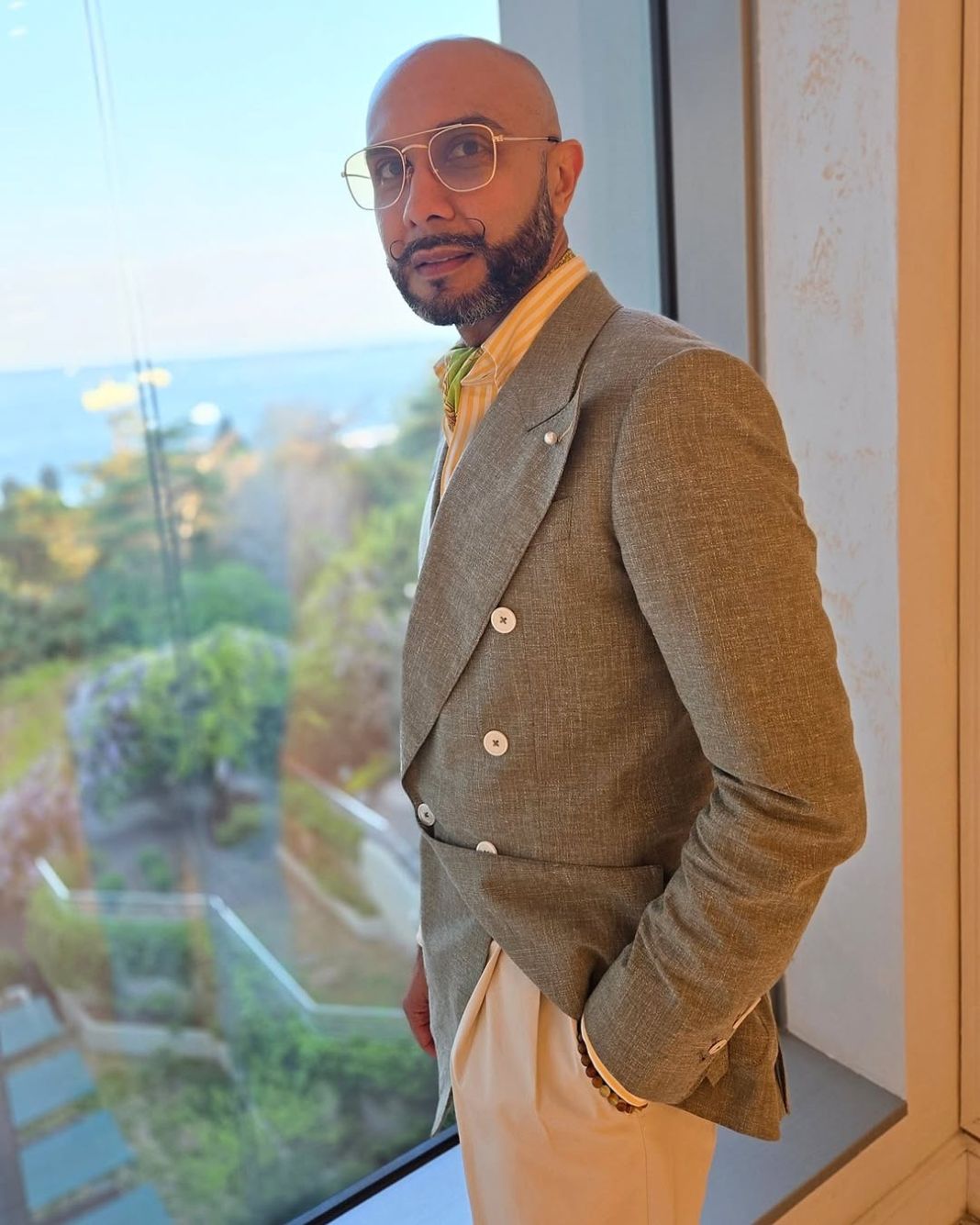
Beyond the suit: personal expression, identity, and modern tailoring
For a long time, many people viewed tailoring as formal, male, and fairly rigid. That picture no longer describes the full landscape.
Modern tailoring houses increasingly work with clients who want suiting to reflect personal style, gender expression, comfort needs, and day-to-day life. Some want a classic business suit. Others want a sharply cut jacket worn with denim, a softer trouser shape, or a wardrobe that moves easily between formal events and everyday use.
Inclusive tailoring has become an important part of that shift. A client may want the authority of a structured jacket without a traditionally masculine shape. Someone else may want a trouser block that fits cleanly without relying on standard menswear or womenswear assumptions. Skilled consultants can interpret those preferences through cloth, line, and proportion instead of pushing everyone into the same template.
Style innovation also sits comfortably within tradition. A tailor can respect classic garment construction while adjusting shoulder expression, jacket length, button stance, pocket style, and fabric texture to suit contemporary taste. The result does not need to look theatrical to feel personal.
That is one reason tailoring still matters. It offers a way to dress with intention when standard retail categories feel too blunt or too narrow.
The real difference: what matters most to you?
The biggest gap between bespoke vs high street is not prestige. The real gap is how closely the garment is shaped around your body, your habits, and your preferences.
For some people, a high street suit with good alterations is the sensible answer. For others, especially those who wear tailoring often or struggle with standard sizing, bespoke may justify itself through fit, comfort, repairability, and a stronger sense of ease in the garment.
A useful way to weigh the choice is to consider three points:
- How often will you wear the suit?
- How difficult is it for you to get a clean fit from standard sizing?
- Do you want a one-off purchase or a wardrobe built with more thought over time?
Tailoring myths still cloud the conversation. Savile Row is sometimes treated as pure image, and the high street is sometimes dismissed too quickly. In reality, both serve a purpose. The difference becomes meaningful when you look past labels and focus on construction, fit, service, and how the suit lives with you after the first wear.
That is where the decision usually becomes clearer. The best suit is not the one with the most status attached to it. The best suit is the one that matches your life, wears well, and still feels right when the occasion is no longer new.