
How can you tell whether a suit needs alteration or full replacement?
A suit is usually worth altering if the cloth is sound, the structure is stable, and the changes needed are modest, such as adjusting sleeve length or taking in the waist. Replacement makes more sense when the fabric has worn thin, the shape has been compromised, or repeated alterations would cost more than the suit is worth in fit, comfort, and appearance.
What Is In This Article
Understanding the lifespan of a suit
A suit wears out in much the same way as a good pair of leather shoes or a well-kept car. Longevity depends on quality, use, and care, not age alone.
Several factors shape suit lifespan:
- Fabric quality and weight
- Construction method and internal canvas
- How often the suit is worn
- Whether it is rotated with other suits
- Storage, pressing, and general suit care
A finely made suit in a durable wool can last for many years if it is rested between wears and brushed after use. By contrast, a lightly built suit worn several times a week without rotation will usually show strain much sooner, especially at the seat, elbows, cuffs, and trouser hems.
Construction matters as much as cloth. Bespoke garments, including those produced by houses influenced by Savile Row and British tailoring standards, are often built with greater attention to balance, seam allowance, and repair potential. Made-to-measure and off-the-peg suits can also serve well, but their long-term durability varies more widely.
Storage habits affect durability in ways people often miss. Cramped wardrobes, wire hangers, frequent dry cleaning, and poor ventilation all shorten a suit's useful life. A jacket hung on a shaped hanger and allowed to air after wear will generally keep its line far better than one folded over a chair for days.
Common alterations: what can and cannot be fixed
Most suit alterations are straightforward, but every garment has limits.
What can often be altered:
- Trouser length, waist, and leg taper
- Jacket sleeve length within certain bounds
- Waist suppression through the jacket body
- Minor seat and side seam adjustments
- Button repositioning and some relining work
What usually cannot be altered well:
- Significant shoulder width changes
- Major jacket length changes
- Deep changes to armhole shape
- Severe imbalance in the original cut
- Damage caused by worn-out cloth rather than poor fit
A skilled alteration specialist can improve a great deal, but no tailor can turn every suit into something it was never cut to be. Letting out seams only works if there is enough inlay in the cloth. Tapering can sharpen a silhouette, yet too much can throw off balance between chest, waist, and skirt. Repeated work on the same areas may also leave visible stress, which means that the suit starts to look overworked even if the stitching is tidy.
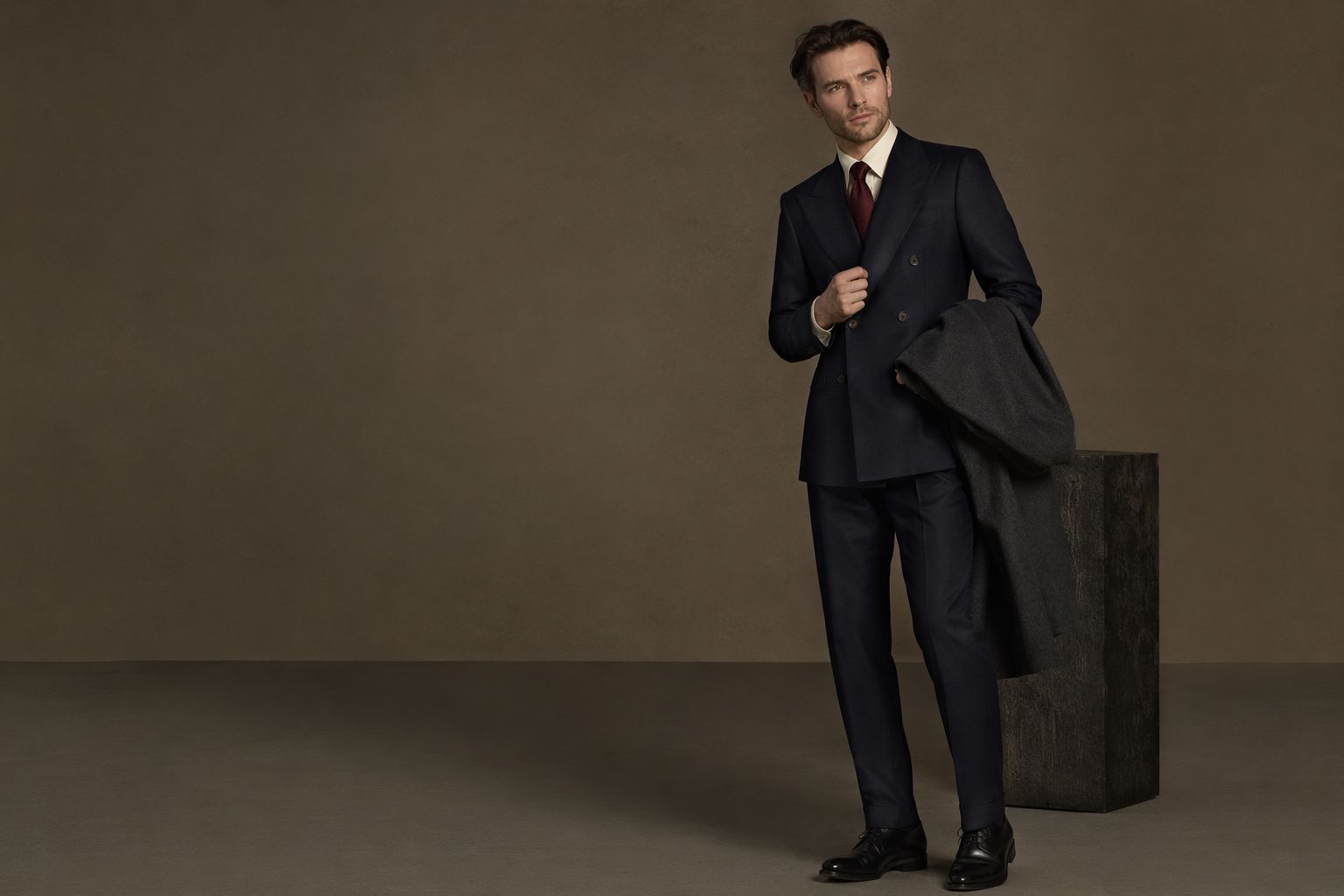
Men's Bespoke – Double breasted navy suit menswear – Sample Image
Signs your suit is beyond repair
Some issues point clearly to replacement rather than suit repair. The key is to look past sentimental value and judge the garment as it is now.
Warning signs include:
- Fabric thinning at the seat, knees, elbows, or crotch
- Fraying that has reached the outer cloth rather than just the edge finish
- Tears that sit in high-tension areas
- Moth damage across multiple panels
- Permanent staining that affects wearability
- Lingering odour that cleaning has not removed
- Lining disintegration alongside outer fabric wear
- Shoulder collapse or misshapen chest structure
- Noticeable colour fading on one part of the suit only
- A history of alterations that never quite solved the problem
Once the cloth itself has lost strength, repairs become temporary at best. A patch may hold for a short period, but worn fibres do not regain their original resilience. The same applies to a jacket whose internal structure has broken down. If the chest has collapsed or the shoulders sit unevenly because the padding and canvas have shifted, the suit may still exist, but it no longer performs as intended. In practice, that often shows up first in the mirror: the front looks tired even after pressing.
Pro Tip: Have your suit professionally assessed before committing to major alterations, as hidden fabric or structure damage may limit what is possible.
Fit and proportion: when alterations compromise style
Imagine a jacket that started life with clean lines and balanced lapels. After several rounds of adjustment, the waist is tighter, the sleeves are narrower, and the quarters pull apart when buttoned. Technically, it fits. Visually, something has gone wrong.
Proportion is easy to disturb and hard to restore. If the body is taken in too far, the pockets can sit awkwardly and the skirt may flare. Shortening sleeves too much can upset the relationship between cuff, button stance, and lapel width. Narrowing trousers repeatedly can also leave them mean in shape rather than elegant.
Some fit issues come from body changes, but others come from asking too much of the original cut. Shoulder balance is a good example. A jacket can be adjusted at the waist and sleeves without much trouble, yet if the wearer now stands differently or carries one shoulder lower than before, the whole garment may twist. No amount of simple tapering will fix that.
Good tailoring should make the suit look settled on the body. A compromised suit often looks busy. Seams are working too hard, drape disappears, and symmetry starts to drift from one side to the other.

Women's bespoke tailoring – Sample Image
The role of personal change: body, style, and lifestyle shifts
A suit can be in good condition and still no longer be right for you. Bodies change, routines change, and dress codes shift with them.
Weight fluctuation is the most obvious reason. Even a well-made suit has only so much flexibility built into its seams. If measurements have changed across the chest, seat, rise, and shoulders at the same time, alteration becomes less about refinement and more about reconstruction.
Style moves as well. Someone who once needed a formal business wardrobe may now dress in a softer, less structured way. Another person may find that an old slim-cut suit no longer suits their taste, even if it still fastens. That does not mean the suit failed. It simply belongs to an earlier version of how they dressed.
Life events also change what feels appropriate. Weddings, new roles, retirement, or a shift in social habits can all make an older suit feel out of step. Sentimental attachment is real, especially with occasion wear, but sentiment and practicality do not always point in the same direction. Sometimes the best place for a once-important suit is careful storage, not continued use.
Cost considerations: when replacement makes more sense
Alterations are often good value, but the maths changes once repair becomes repetitive or structural.
A simple way to weigh alterations against replacement:
- Minor fit updates on a sound suit usually make financial sense
- Multiple rounds of changes on a mediocre suit often do not
- Structural repairs plus relining can approach the value of replacement
- Better initial make and stronger cloth often justify higher repair spend
Cost is not just about the next invoice. A suit that still feels awkward after several adjustments can become expensive in a quieter way because it spends more time unworn. By contrast, a garment that fits well and suits your current life tends to earn its place in the wardrobe.
Fielding & Nicholson, like other relationship-led tailoring houses, tends to frame value over time rather than in one moment. That way of thinking is useful even if you never buy bespoke. If the cloth is tired, the fit no longer reflects your shape, and the alteration list keeps growing, replacement may be the more sensible use of money.
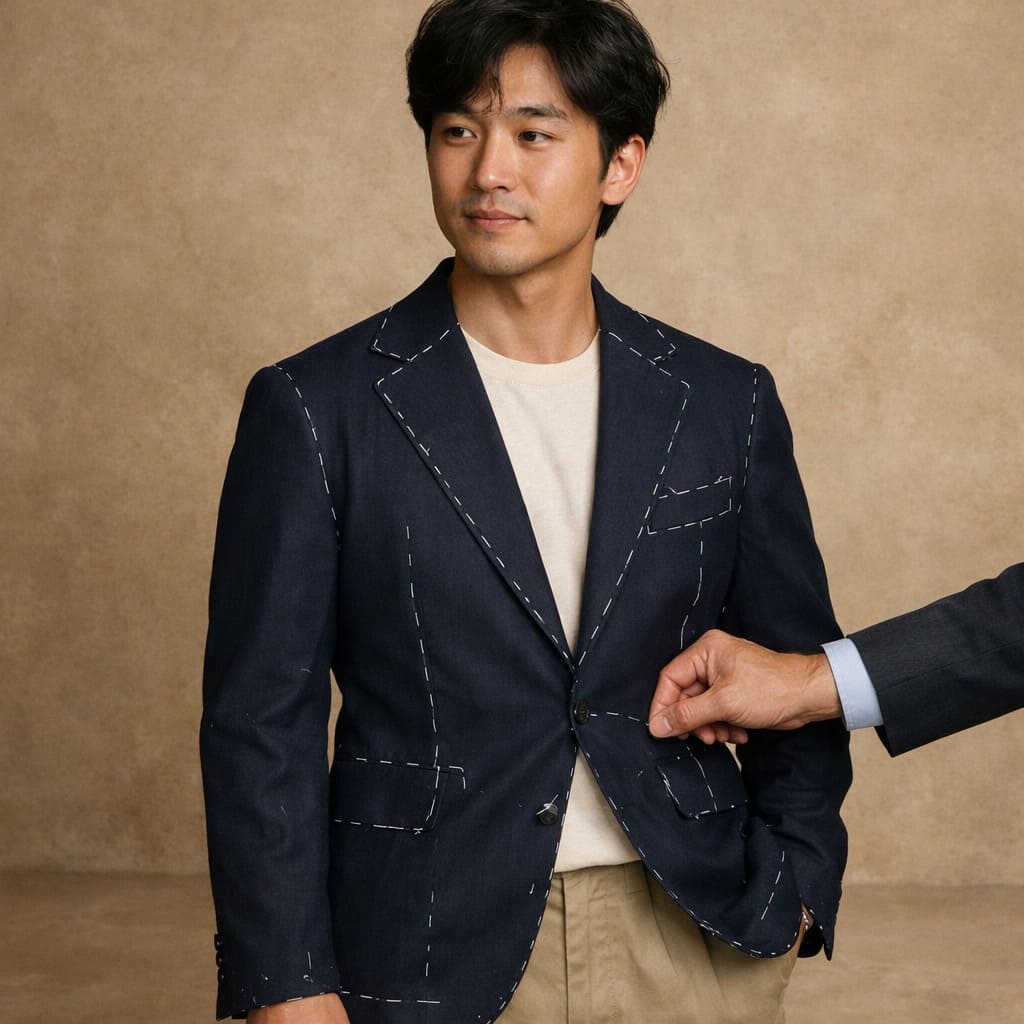
Men's Bespoke – Navy blazer with visible tailoring stitch detail – Sample Image

Pro Tip: Rotate your suits and brush them after each wear to maximise their lifespan and maintain their original shape.
The value of expert advice: when to consult a tailor
Sometimes the wearer sees a suit they once loved. A trained eye sees twisting seams, strained balance, or cloth that has lost its body.
An experienced tailor or fitting consultant can spot the difference between a suit that looks tired and one that is actually finished. They will notice whether the issue sits in the shoulder line, sleeve pitch, seat shape, or fabric condition. Those details are easy to miss when you are used to seeing the garment on your own body.
Professional assessment is especially useful in borderline cases. A jacket may only need relining and sleeve adjustment, or it may have reached the point where any further work would distort it. In houses with a strong bespoke background, including Fielding & Nicholson, that judgement often comes from years of looking at how garments age rather than from chasing a quick alteration. The best advice in this setting is usually plain: keep it, change it, or let it go.
If you are uncertain, bring the suit into daylight, put it on properly, and ask for an honest view of the cloth, structure, and proportion, not just whether it can be made to fit.
Moving forward: rethinking suit ownership and longevity
A good suit does not need to last forever to be worth having. It needs to serve its purpose well, hold its shape with dignity, and earn the care it receives.
Useful ways to think about suit longevity include:
- Buy with rotation in mind, not constant wear.
- Judge a suit by fabric, structure, and relevance to your life.
- Treat replacement as wardrobe management, not waste.
- Keep pieces that still work hard, and retire those that no longer do.
British tailoring tradition has long valued repair, adjustment, and proper maintenance. That same tradition also accepts a simple truth: some garments have given all they can. Knowing the difference is part of dressing well.
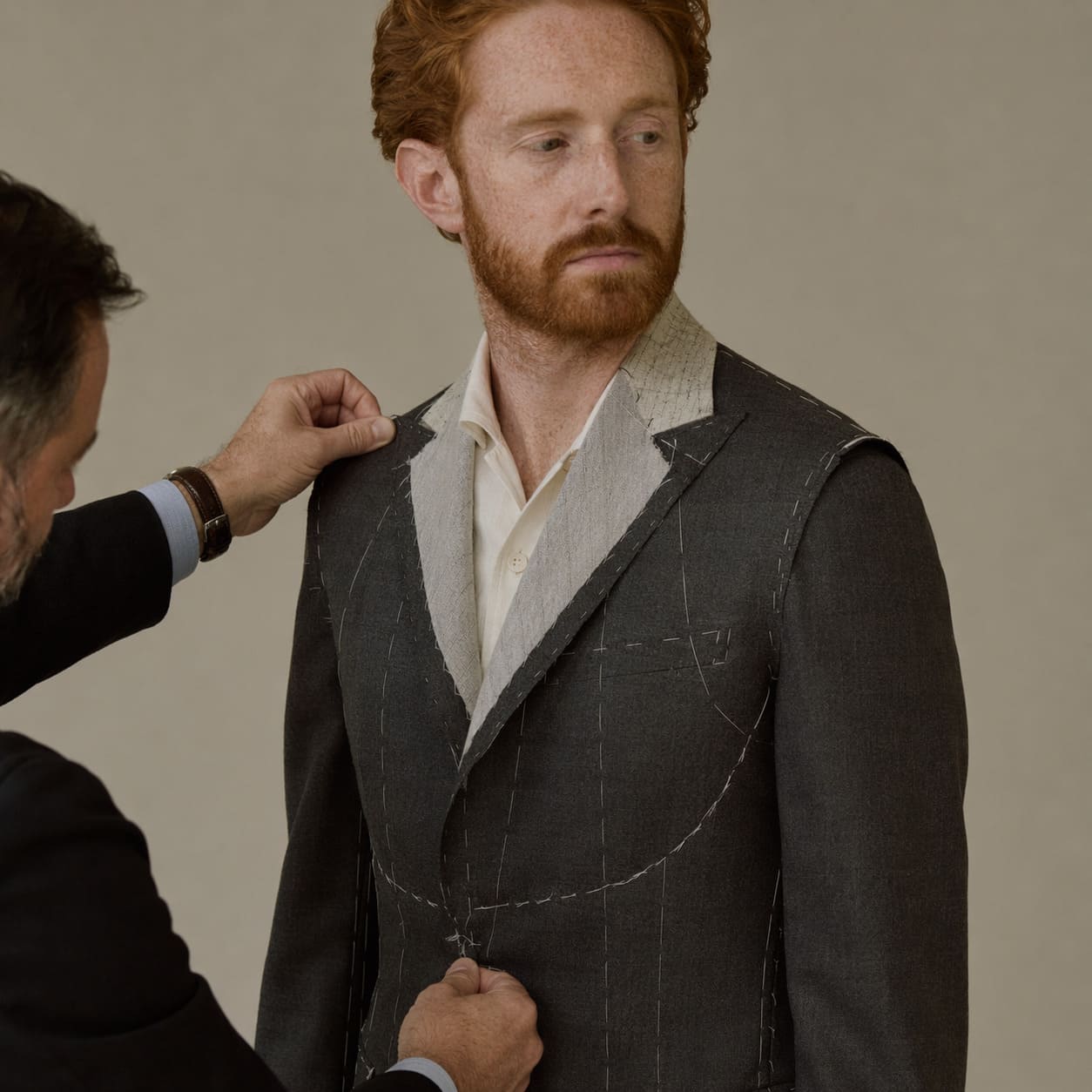
Men's Bespoke – Grey waistcoat with white shirt and tailoring adjustment – Sample Image