What should you expect from bespoke tailoring in Cheshire?
The strongest reason to choose bespoke tailoring in Cheshire is the process: private consultation, guided cloth choices, measured fit, repeated fittings and final refinement. For Manchester clients, The Mere in Knutsford adds calm access and privacy, so the garment can be judged carefully instead of rushed through a city-centre errand.
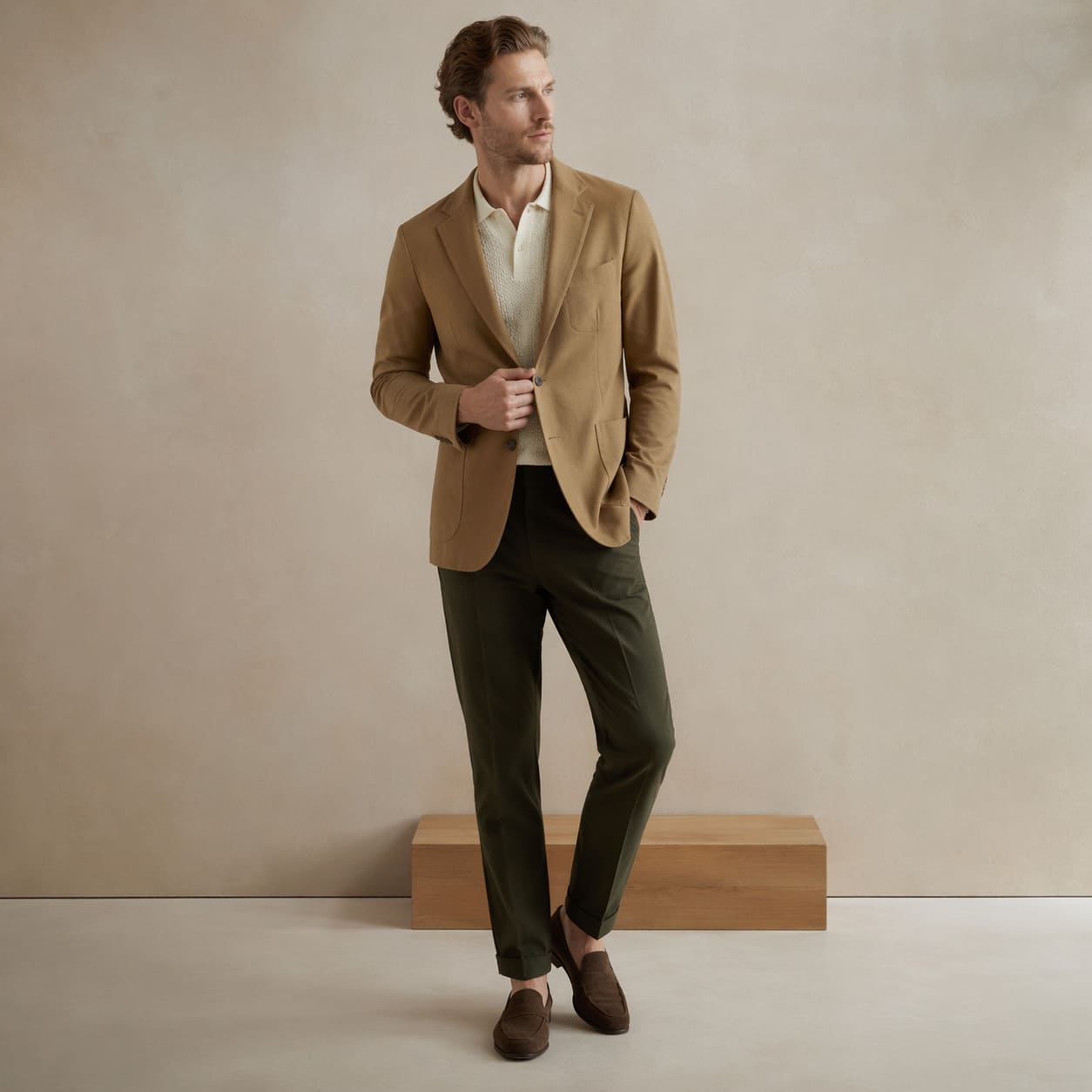
Men's Bespoke Suits – Tan blazer with green trousers – Sample Image
What Is In This Article
Bespoke Tailoring Should Be Judged by Process, Not Polish
Labels can flatter almost anything. Bespoke tailoring should mean a garment made through a personal process, with fit, proportion, cloth and construction decisions developed around the individual client.
Off-the-peg, made-to-measure and bespoke can all be valid choices. Their value changes with the garment’s purpose, the time available and how much involvement the client wants.
| Option | How it usually works | Best suited to |
|---|---|---|
| Off-the-peg | Existing sizes, sometimes with limited alteration | Quick purchases, simpler needs and lower involvement |
| Made-to-measure | An existing base pattern adjusted to the client | Clients who want improved fit and choice without a full bespoke process |
| Bespoke | An individual pattern, multiple fittings and garment refinement | Major events, long-term wardrobe pieces and complex fit needs |
Choice should follow the garment’s job. A business suit worn often, a wedding suit intended to work beyond the day, or formalwear where proportion matters may justify the time and attention of a bespoke suit process. A simpler need, shorter lead time or lower level of involvement may point elsewhere.
Serious advice does not hide behind tailoring language. A good tailor should explain body posture, shoulder line, trouser break, lapel shape, cloth weight and garment purpose in plain terms, so the client can judge the work without pretending to be technical.
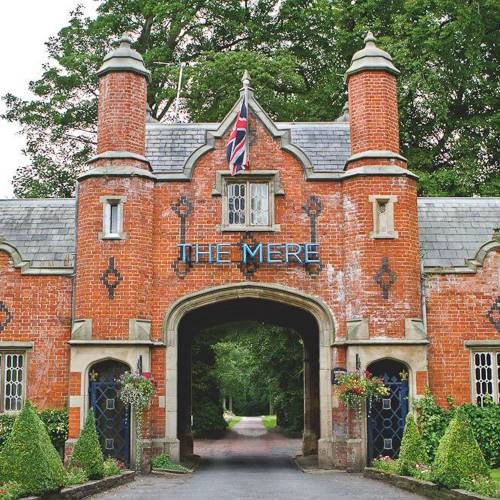
Manchester Tailors - Fielding & Nicholson Tailoring Based at The Mere in Cheshire
The First Appointment Should Not Depend on Knowing Exactly What You Want
A first appointment does not require a client to arrive with a complete design brief. Better decisions usually start with ordinary information: where the garment will be worn, how often it needs to work, what has felt wrong in previous clothes and what the client would prefer to avoid.
Purpose shapes almost every later choice. A wedding suit, black tie garment, business suit or separate jacket places different demands on cloth, structure and styling. Manchester and Cheshire clients often arrive with a setting in mind, but the appointment should turn that setting into practical choices, including how formal the garment needs to feel and whether it should have life after the event.
Cloth should be narrowed by use before colour takes over. Wool, cashmere, silk blends, linen and cotton each behave differently in handle, drape and seasonal wear. A calm consultation helps the client compare feel, weight and suitability without being buried under swatches.
Comfort belongs in the same conversation as style. Normal shoes, a typical shirt shape and a clear sense of preferred trouser rise can help the fitting judgement. Fit concerns should be said plainly, whether they relate to movement, body confidence, posture or how a garment sits when seated for long periods.
Inclusive bespoke tailoring should feel like part of the same professional standard. Menswear, womenswear, non-binary tailoring and LGBTQ+ clients all call for the same careful listening: proportion, comfort, identity and use need to align before styling details carry any weight.
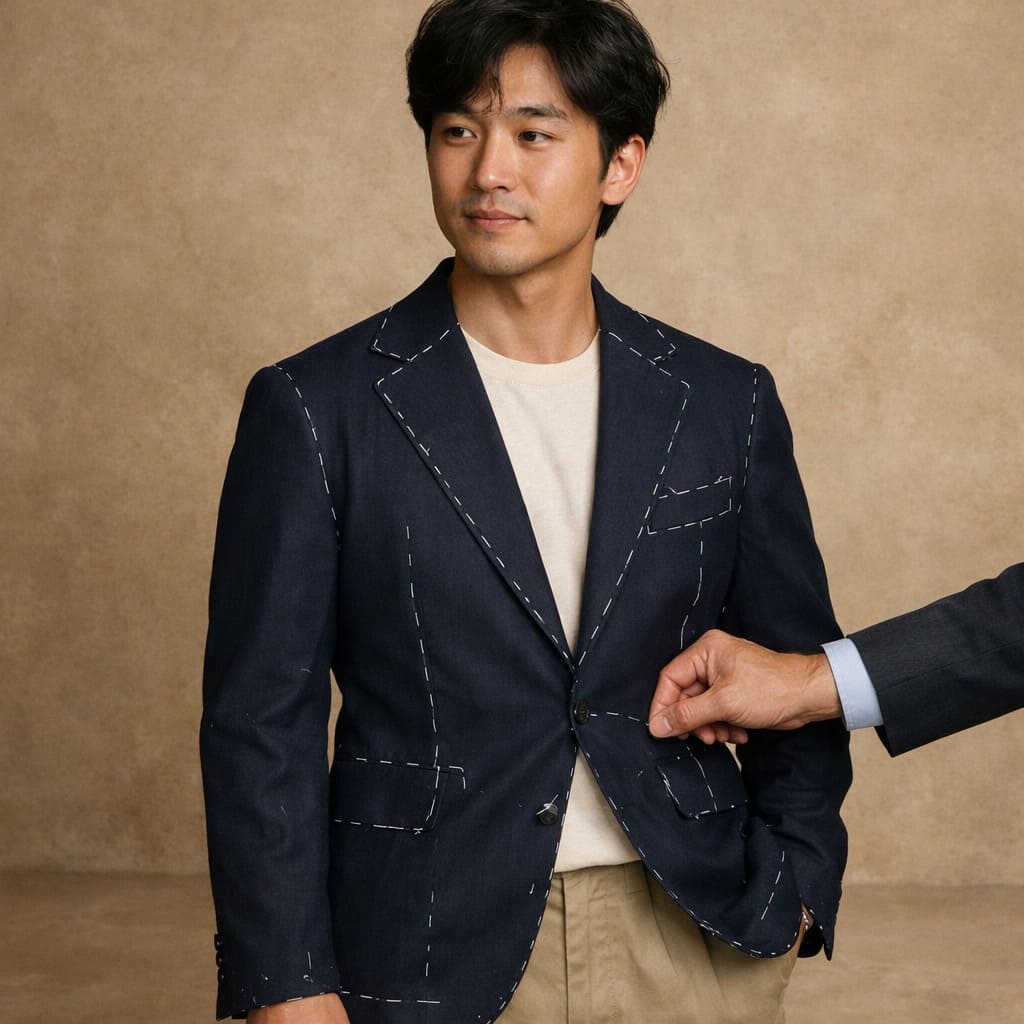
Men's Bespoke – Navy blazer with visible tailoring stitch detail – Sample Image
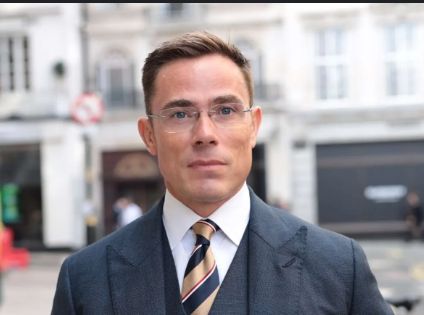
Pro Tip: Bring the shoes you expect to wear with the finished garment. They help the tailor judge trouser break, balance and overall line more accurately.
The Fitting Process Is Where Bespoke Earns Its Time
Fittings are the reason bespoke takes commitment. Measurement begins the work, but repeated fit assessment allows the garment to be corrected while it is still being made.
- Consultation and initial measure. The tailor clarifies purpose, style preferences, fit concerns, cloth and first measurements.
- Pattern and early construction. The garment begins to take shape around the client’s body and intended use.
- Baste fitting. The garment is loosely assembled so balance, line and comfort can be judged before completion.
- Refinement fitting. Adjustments focus on areas such as shoulder fit, collar position, sleeve length, trouser line and movement.
- Final fitting. The finished garment is inspected for fit, comfort, finish and pressing before it enters the wardrobe.
According to Fielding & Nicholson, a bespoke suit typically needs three to five fittings and the process usually takes 8 to 12 weeks. That timing is not empty delay. It gives the tailor and client enough contact with the garment to correct issues that a single appointment would miss.
Baste Fitting Changes the Garment While Change Is Still Possible
A baste fitting matters because the suit has not yet been fully finished. The tailor can assess balance, posture, sleeve pitch, waist shape and trouser line before the work becomes harder to alter.
Clients should expect to move naturally at this stage. Standing still gives one view of the garment, but sitting, turning and lifting the arms can reveal whether the jacket pulls, the collar sits cleanly or the trousers fall as intended. Pins and chalk marks are signs of active judgement, not faults in the process.
Final Fitting Should Be Inspection, Not Theatre
A final fitting should feel calm and exact. The main questions are simple: does the garment sit cleanly, does it move comfortably, does the finish match the agreed style and does the client understand how it should be worn and cared for?
Collection has its own pleasure, but theatre should not replace inspection. A well handled final fitting pays attention to the last small things, including pressing, line and ease, because those details decide how often the garment will be chosen after the first occasion.
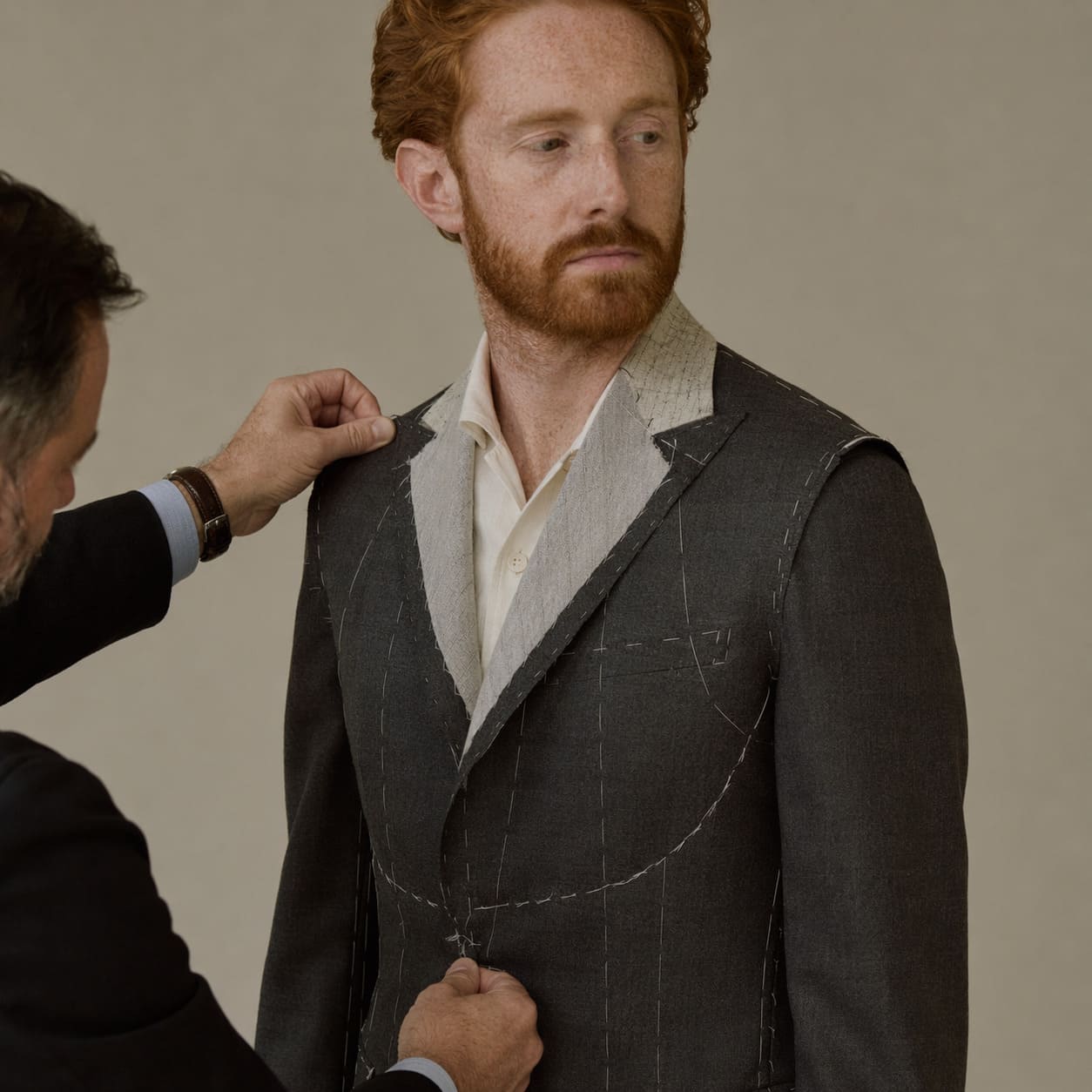
Men's Bespoke – Grey waistcoat with white shirt and tailoring adjustment – Sample Image
The Mere Removes the Friction of a City-Centre Tailoring Visit
A city-centre tailoring visit can suit a quick retail errand; a private Cheshire appointment suits a commission that needs thought, repeat fittings and fewer interruptions. For many Manchester clients, the appeal lies in lower friction as much as location.
Fielding & Nicholson’s Manchester showroom is at The Mere Golf Resort and Spa in Knutsford, Cheshire, where fittings are by appointment only. Its Manchester showroom information names access from the M6 and M56, ample parking and nearby Knutsford station, which matters when a garment may involve several visits.
Current Accor venue information for Fairmont Cheshire The Mere lists Manchester Piccadilly as 17 miles away, with a 32 minute drive time. Readers may see both The Mere Golf Resort and Spa and Fairmont Cheshire The Mere used for the same Knutsford site, so the practical point is to plan for the venue rather than the older or newer name alone.
Privacy changes the tone of the appointment. Cloth selection, body fit and wardrobe needs are personal subjects, and a quieter setting can make them easier to discuss. That is especially useful for grooms coordinating an occasion suit, executives refining a work wardrobe, or clients who want womenswear or non-binary tailoring handled without retail-floor noise.
Repeat fittings also make access more than a convenience detail. Parking, rail access, appointment structure and a setting with room to pause all reduce the sense that bespoke tailoring is squeezed between other tasks. The garment receives better attention when the visit feels like a considered appointment, not an errand under pressure.
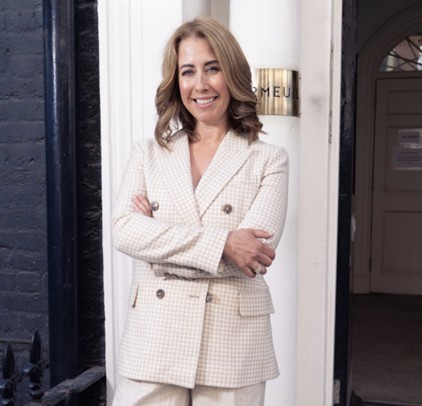
Pro Tip: If you want the suit to work after the occasion, say so at the first consultation. That gives the tailor a clearer brief on cloth, structure and styling.
The Right Bespoke Choice Is a Wardrobe Decision, Not a One-Off Reveal
Bespoke value is often misread at the first reveal. The better test comes later, when the garment has to earn its place through comfort, usefulness and repeated wear.
Wedding suits, business suits, ceremonial tailoring and formalwear all need different decisions. A wedding suit may need to respect a day’s dress code and still work afterwards. A business suit needs to sit well through travel, meetings and long periods of wear. Formalwear depends heavily on proportion, restraint and finish, because small styling errors are more visible.
Aftercare and future alterations also belong in the decision. Bodies change, roles change and wardrobes change. A commission chosen with future use in mind will usually serve better than one driven by a single dramatic detail.
The detail worth prioritising is the quality of the fit conversation, because every durable garment starts with honest assessment before it becomes a line on a wardrobe rail.
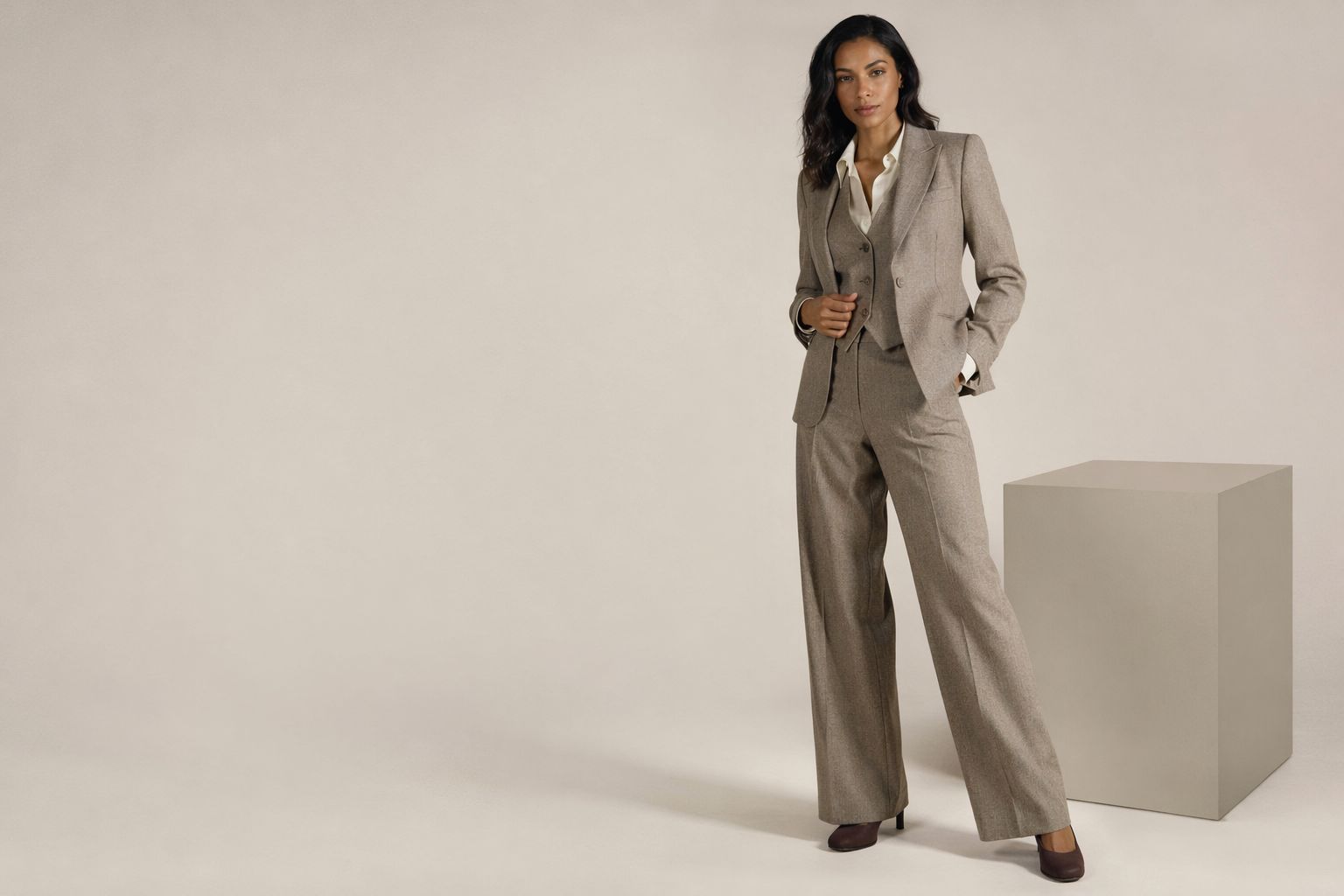
Women's bespoke tailoring – Sample Image
Frequently asked questions
Do I need to know the exact suit style before a bespoke appointment?
No. A client needs to know the occasion, intended use, likes, dislikes and any fit concerns. A good appointment turns that information into cloth, cut and style decisions.
What should I wear to a bespoke suit fitting?
Wear clothes and shoes close to what you expect to wear with the finished garment. Shoes, shirt shape and preferred trouser rise can all affect how the tailor judges balance and length.
Is bespoke worth it for a wedding suit?
Bespoke can be worth it when the suit needs to fit a major occasion and still work in the wardrobe afterwards. The decision makes most sense when the garment has a clear use beyond a single photograph.
Can bespoke tailoring work for womenswear and non-binary clients?
Yes. Bespoke tailoring can be built around body shape, comfort, identity and garment purpose, without forcing the client into a narrow category. The consultation should treat those needs as part of the normal fitting conversation.
Can a bespoke suit be altered if my body changes?
A bespoke garment can often be assessed for future alteration, although the options depend on its construction, cloth and the nature of the change. Long-term tailoring works best when aftercare is discussed before the garment is treated as finished.