What women’s suit styles flatter every body shape?
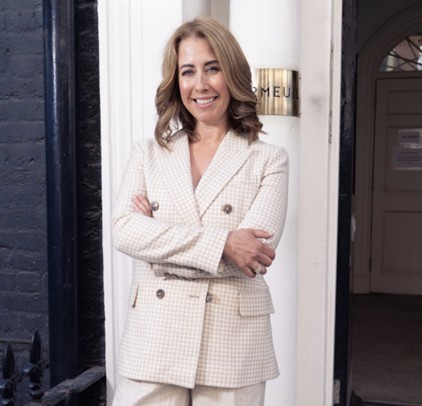
The most flattering suit styles for women are those that work with your body’s natural proportions. A well-structured suit enhances your silhouette through thoughtful design. Shoulder shaping, jacket length and fabric drape all play a role. Whether your figure is curvy, straight, petite or tall, the right cut can bring balance, contour and effortless elegance.
What Is In This Article

Why the Right Suit Style Can Transform Your Shape
A suit does more than cover your body. It provides structure, balance and polish, much like architectural framing. The right design can change how you carry yourself and how others perceive you.
Proportion, not size, is what truly matters. A silhouette feels balanced when seams fall in the right places, fabrics drape cleanly and lines guide the eye smoothly. For example, a cinched waist draws attention to curves, while long lapels lengthen the upper body.
Fit is about how the garment sits on your shape. Style, by contrast, determines which features are enhanced or softened. When combined, fit and style create a pleasing overall look.
Tailoring can be adjusted to suit a wide range of shapes. It is both flexible and inclusive, whether you are buying off the rack or exploring a made-to-measure option. Confidence also plays a key role in how a suit looks. When you feel good in a suit, that energy is visible. Flattering clothing does not mean hiding; it means choosing designs that help you feel your best.

Pro Tip: A dense weave matters more than fabric weight. Always check GSM and structure together.
How to Identify Your Body Type (A Simple Guide)
Understanding your body type begins with recognising your proportions. This is not about fitting into a rigid category, but learning how different features relate to one another.
Measure or observe the ratio of your bust, waist and hips. Compare your shoulder width with your hips. Look at the balance between your torso and leg length.
Sometimes jackets feel snug at the chest, or trousers sit awkwardly at the waist. These fit issues offer helpful insights into your shape.
Most people do not match a single category. Many women have a blend of traits from several shapes. This is why tailored recommendations are often more accurate than broad style types.
Suiting Principles That Flatter Every Woman’s Body
Some tailoring principles apply to every body shape.
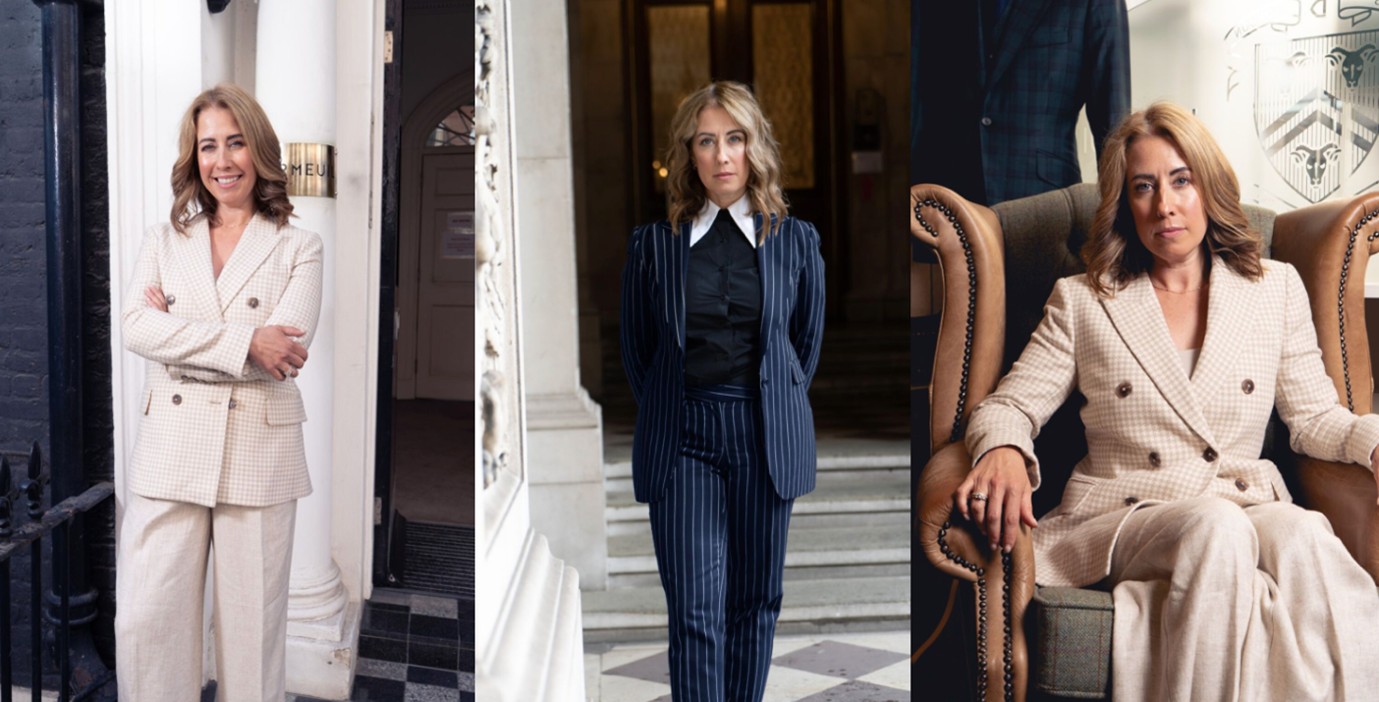
Vertical design elements, such as lapels and long seams, help to elongate the body. Horizontal features, including pocket flaps or belts, tend to create the appearance of width.
The point at which a jacket ends can have a significant impact. If the hem sits at your widest point, it may add bulk. A hemline that falls just above or below this point usually flatters more.
Lapel width should match shoulder width. Petite frames benefit from narrower lapels, while broader shoulders suit wider ones. These proportions are rooted in British tailoring standards, often seen in the classic silhouettes of Savile Row suits.
The rise and cut of trousers also influence proportions. Mid- and high-rise styles can lengthen the legs. Tapered cuts define the lower leg, while wide-leg trousers help balance the frame if your upper body is more prominent.
Each tailoring decision influences the way the eye moves across the body. Even minor adjustments can significantly reshape how a suit looks and feels.
Pro Tip: Touch and drape reveal fabric quality faster than any label. Trust your hands when making a decision..
Suit Styles That Flatter an Hourglass Shape
An hourglass figure includes balanced shoulders and hips with a defined waist.
Look for blazers that follow this natural symmetry. Structured waists, princess seams and peplum details all work well. Fabrics with soft drape, such as crepe, ponte or lightweight wool, enhance curves without clinging.
High-waisted trousers and column cuts support the flow of your silhouette. Avoid boxy jackets. Instead, select designs with structure that mirrors your shape.
The best styles highlight your balance without exaggerating it.
Suit Styles That Flatter a Pear or Triangle Shape
Pear-shaped bodies have fuller hips and narrower shoulders.
Balance is achieved by drawing attention to the upper body. Choose structured shoulders, bold lapels or detailing at the neckline to add visual weight where it is needed most.
Longline blazers lengthen the frame and skim over the hips. Straight or wide-leg trousers help to even out proportions.
Tight trousers that grip the hips can distort visual balance. It is better to opt for styles that offer gentle movement and relaxed cuts.
Suit Styles That Flatter an Apple or Round Shape
Apple shapes tend to carry more volume around the midsection.
Longline jackets with single-button closures help to streamline the torso. V-shaped lapels open the neckline and soften the chest.
Fabrics should drape naturally without adding bulk. Clean lines support vertical flow. Straight-leg trousers give the outfit a stable and grounded base.
Avoid belts or detailing that cut across the waistline. Instead, look for uninterrupted structure and garments that are easy to wear.

Suit Styles That Flatter a Rectangle or Straight Shape
Rectangle shapes are marked by even proportions and less waist definition.
Create shape with tailoring that suggests curves. Darted blazers, peplum hems or subtle seaming introduce visual contour. Tapered trousers can also enhance lower-body definition.
Soft, flexible fabrics such as jersey, stretch wool or brushed cotton help create dimension. These materials provide gentle structure through movement.
This body shape benefits from contrast and thoughtful detail.
Suit Styles That Flatter an Inverted Triangle Shape
Inverted triangle bodies have broader shoulders and narrower hips.
Choose jackets with minimal padding and slim lapels to soften the appearance of the upper body. Avoid details that widen the shoulder line.
A-line or wide-leg trousers help restore proportion by grounding the lower half. Relaxed fabrics such as crepe or soft twill can soften angular lines.
Allow volume in the trousers to lead the overall shape. This approach brings balance to the silhouette.
Proportion Fixes for Petite, Tall & Mixed Body Types
Height and vertical proportions have a major impact on how suits fit.
Petite women often benefit from shorter jacket bodies, cropped sleeves and ankle-length trousers. Oversized garments may overwhelm smaller frames, so correct scale is essential.
Tall women may require extra length in sleeves and legs. Look for suits that are designed for taller proportions or that offer tailoring options.
If your legs are longer or shorter than your torso, adjust jacket length and trouser rise accordingly. These small changes create a more balanced outline.
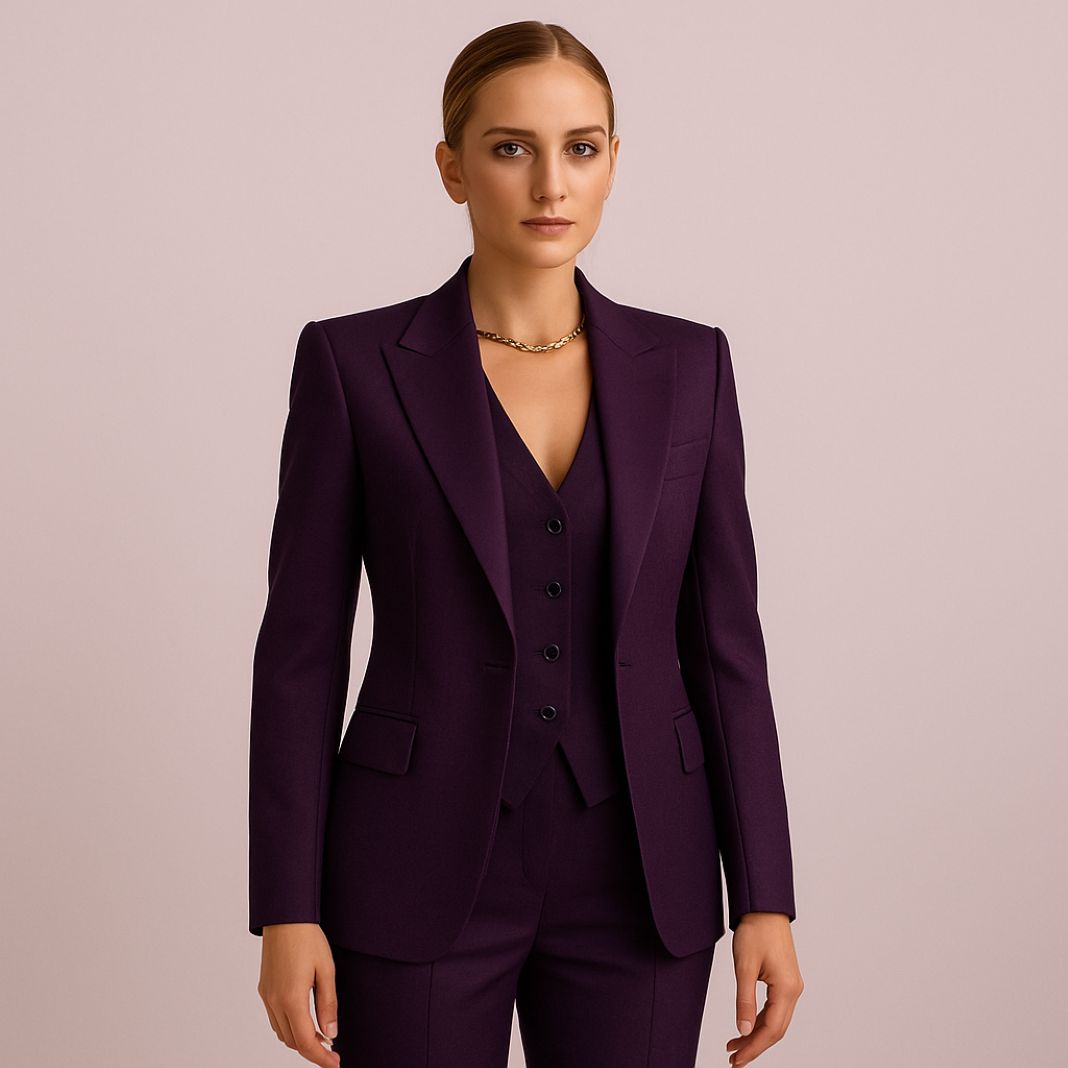
Tailoring Adjustments That Make Any Suit More Flattering
Even minor alterations can transform how a suit fits and feels.
Define the waist, reshape the sleeves or hem the trousers to create better proportions. These tailoring steps improve how a garment moves with your body.
Such refinements are common in both made-to-measure and bespoke tailoring. They ensure your suit aligns with your natural shape.
A proper fit enhances confidence and allows for ease of movement.
Choosing the Right Suit for Work, Events & Special Occasions
Different settings call for different suit choices.
For work, prioritise comfort and polish. Choose neutral tones, mid-rise trousers and lightly structured jackets that support long wear and mobility.
At events, feel free to be more expressive. Select bold cuts, textured fabrics or standout blazers. Use colour or silhouette to reflect personality.
Let the nature of the occasion guide your outfit. A versatile suit wardrobe adapts to both formality and function.
Your Next Step: Personalised Suit Guidance That Fits Your Shape
Suit shopping can feel challenging, especially when your body type is not reflected in typical ready-to-wear options.
A personalised suit consultation provides clarity. It matches cuts, fabrics and styles to your actual measurements, lifestyle and preferences. Whether you are seeking a tailored women’s suit or booking a full suit fitting consultation, expert guidance streamlines the experience.
Tailoring reveals your natural strengths. It enhances the garment so that it reflects who you are.
You deserve a suit that fits well, feels effortless and helps you stand tall with confidence.