How can you stay professional in an overheated office without feeling stifled?
Choosing breathable fabrics, precise tailoring, and minimal layering allows professionals to stay sharp and comfortable in warm office environments. A well-made suit does not have to overheat the wearer if designed thoughtfully from fabric to fit.
What Is In This Article
Understanding the Challenge: Dressing Smart in Overheated Workspaces
Office temperatures rarely feel ideal. One colleague finds it freezing while another is perspiring under artificial lights. Modern HVAC systems and dress codes do not always make things easier. In particular, open plan offices with limited airflow or buildings that favour year-round heating build up warmth that can turn suiting into a test of endurance.
Professionals in customised clothing often contend with unnecessary heat from layering, tightly woven fabrics, or restrictive cuts. Sweating through a jacket mid-meeting is not just uncomfortable, it undermines the confidence that dressing well should bring.
Inconsistent temperatures are frustrating, but not inevitable. With the right materials and construction, a suit can remain polished while allowing for movement, ventilation and cooling. Bespoke tailoring has an advantage here. It takes into account the working environment, including heat hotspots and required physical movement, to create a suit that looks formal but feels breathable.
The difference lies not just in appearance, but in how the suit interacts with the body. Comfort directly affects concentration and tone. A suit that traps heat becomes a daily distraction. One that fits and breathes properly becomes part of the solution.

Pro Tip: Fresco wool suits maintain structure while offering airflow, making them a reliable choice for indoor heat without sacrificing form.
Fabric First: Choosing Materials That Breathe and Perform
For hot offices, fabric is the most decisive factor in staying comfortable. Not all natural fibres are equal, and assumptions about dress fabrics can lead to unexpected discomfort.
Wool often surprises clients. Tropical wool and open-weave options like fresco remain structured but allow substantial airflow, making them ideal for maintaining professionalism in heat. These wools also resist wrinkles better than linen, keeping a crisp look throughout the day.
Linen and cotton are familiar lightweight fabrics, but each has trade-offs. Linen is breathable but softer in structure. Cotton absorbs sweat more than it releases it, making it less ideal for prolonged wear under artificial heat.
Fabric comparison at a glance:
- Tropical Wool: Lightweight, breathable, holds shape well
- Fresco Wool: High twist yarns, strong airflow, crease resistant
- Linen: Excellent breathability, but creases easily and is softer
- Cotton: Comfortable, but prone to sweat retention
A tailor with a broad cloth library and technical knowledge, such as those at Fielding & Nicholson, can guide clients toward performance fabrics that maintain traditional form while addressing heat issues.


Pro Tip: Partial linings and extended vents are simple tailoring changes that can significantly improve airflow and reduce internal heat.
Construction Counts: How Suit Design Affects Heat Retention
Fabric is only the beginning. The internal structure of a suit has a significant effect on how hot or cool it feels.
Full Canvas: A traditional build that includes interlinings throughout the front panels. Offers shape and drape, but less airflow. Half Canvas: Provides structure through the chest and lapel while leaving the bottom panel lighter and more breathable. Unstructured: Minimal or no canvas and light padding. Maximises airflow, ideal for very warm offices or summer settings where formality is still required.
Beyond canvasing, lining choices matter. A fully lined jacket traps more heat. Partial or buggy linings preserve airflow while retaining professional design. Tailors can also tweak shoulder padding, chest build and vents to promote flexibility and ventilation.
Common breathability features include:
- Side vents for easier movement and air movement
- Light pad or natural shoulders to reduce insulation at key sweat points
- Lighter interlinings that retain clean lines without overbuilding the garment
Ultimately, climate-conscious tailoring is a quiet form of engineering. Clients often do not see what has been removed, only that they feel cooler.

Fit for Function: Why Tailoring Precision Matters in the Heat
A suit that fits poorly becomes an insulation chamber around the body. Excess fabric bunches and captures heat. Tension points around the back, chest or underarms inhibit movement and airflow, making even light fabrics feel restricting.
Accurate tailoring shortens the time body heat remains trapped. It clears airflow paths through the chest and sleeves and provides freedom without unnecessary bulk. Small adjustments make a large difference: a sloped shoulder, a trimmed waist, a raised armhole.
During consultations, experienced tailors such as those at Fielding & Nicholson ask about working environments, commuting patterns and activity levels. These signals become adjustments that result in a suit fitted, but comfortable in heat.
Typical adjustments for warm offices include:
- Removing lining from upper back
- Narrowing sleeve width without restricting movement
- Extending back vents for improved flow
- Choosing a crisper drape with less structure
Precision is not about tightness. It is about alignment, and so that the garment works with the wearer, rather than sitting on top of them.
The Capability of Layering Less (and Smarter)
Layering remains one of the most misunderstood elements of office dressing. More clothing is often equated with formality. In hot environments, this backfires.
Waistcoats, thicker shirts and undershirts add bulk and trap heat. Thoughtful alternatives offer similar professionalism with reduced insulation.
Practical swaps include:
- Waistcoat out, structured shirt in: A well-fitted shirt gives definition without added warmth
- Heavy cottons out, blended poplins in: Lightweight, breathable shirt cloths feel fresher
- Undershirts only when moisture-wicking: Synthetic blends designed to stay dry add value, not sweat
Summer layering does not mean underdressing. It means removing non-important insulation. Cultural expectations can vary, but in most professional settings, a well-cut suit and quality shirt speak louder than added pieces. Minimalism, when precise, enhances authority.
Colour and Tone: How Palette Affects Perception and Heat
Heat absorption varies significantly by colour. Darker tones retain more warmth, especially under lighting or in sun-facing office spaces. Lighter shades can reduce surface temperature while still presenting maturity and professionalism.
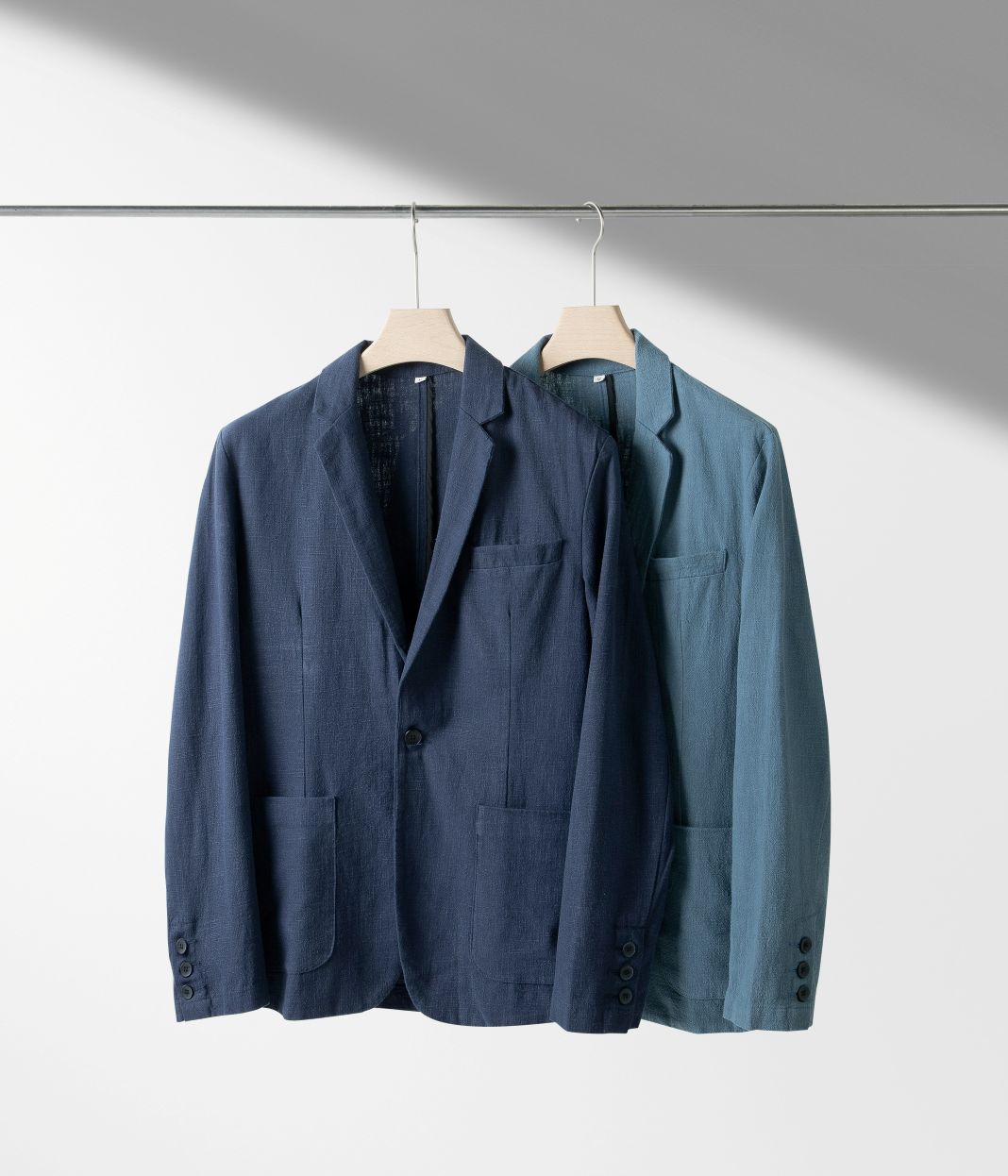
A navy suit absorbs more heat than one in mid-grey or stone. While few workplaces permit pastel suits, there is scope for seasonal shifts without becoming informal.
Thoughtful palettes for warm offices include:
- Light grey or mid-grey: Understated but smart
- Stone or beige: Formal when structured, ideal in summer tailoring
- Dusty blue or periwinkle: A subtle shift from navy that reacts better to light
Custom tailoring offers more freedom in handling colour tone, ensuring the final result feels appropriate for both client and context. Colour is visual temperature management, and a missed opportunity in hot environments.

Smart Accessories That Don’t Add Heat
Accessories may be small, but they affect comfort. Each item should be chosen for breathability and simplicity, especially in elevated temperatures.
Cooler choices include:
- Socks: Fine merino or bamboo blends manage moisture with less thickness
- Ties: Silk grenadine or crisp cotton ties weigh less than wool-based versions
- Pocket squares: Linen or light cotton adds polish without adding heat
- Shoes: Unlined leather or loafers support airflow better than heavily structured brogues
- Belts: Slim leather or side adjusters instead of thick buckled options
Minimalism works well in summer office dressing. Reducing layers of decoration allows the suit and shirt to breathe and ensures accessories complement without overpowering.
When to Go Bespoke: Tailoring for Temperature and Longevity
A bespoke suit addresses overheating not by removing elements, but by refining them. It aligns material, cut and construction with a person’s daily requirements.
For professionals exposed to fluctuating office temperatures or warm transport commutes, bespoke tailoring becomes a form of long-term planning. A tailor can adjust not just fit, but fabric weave, lining weight, sleeve construction and even internal structure, so the final result works with the individual’s climate and lifestyle.
At Fielding & Nicholson, consultation is central. Clients discuss office conditions, wardrobe goals and climate. In response, tailors propose fabrics such as tropical wool, tweak internal construction to improve airflow, or recommend partial lining strategies that preserve silhouette and comfort.
The result is not just a cooler suit. It is a wardrobe that keeps the wearer confident and functional, regardless of the building’s thermostat. Bespoke tailoring, in this context, moves beyond style. It becomes sensible, adaptable and enduring.