Why Does Choosing the Right Fabric Matter for May’s Unpredictable Weather?
Each May in Britain brings a mix of crisp mornings, sudden showers and sunny bursts that test the mettle of any suit. The difference between feeling polished at dinner or looking wilted by mid-afternoon often comes down to fabric choice. Selecting the right cloth is a matter of style but also key to comfort, confidence and all-day performance during the mercurial British spring.
May weather challenges a suit from the moment you step outside. Throughout the day, temperature swings invite the debate between breathability and structure.
- Mornings can begin with a chill that makes insulation welcome.
- Lunchtime may usher in surprising warmth, demanding airflow and moisture management.
- By evening, an unplanned drizzle may threaten to disrupt even the most considered outfit.
Tailoring houses like Fielding & Nicholson see first-hand the demands clients face as they move from work meetings to evening events, often without time to change. The reality is that spring tailoring must balance adaptability with lasting sharpness, whatever the forecast delivers.
What Is In This Article

Linen: The Allure and Realities After a Day Out
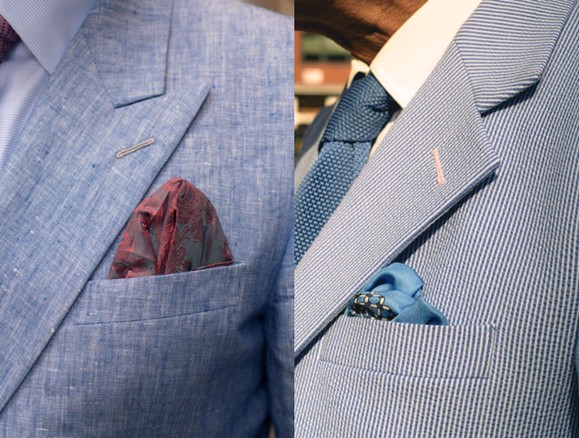
Linen remains a perennial favourite for its cooling feel and relaxed sophistication. Cut well, its breezy texture and understated sheen lend an easy elegance for spring days. Yet linen’s reputation is inseparable from its capacity to crease, an attribute that often divides opinion by the end of a long outing.
After hours of wear, a linen suit will show its process. It might mould itself comfortably to the body, but it will also gather creases, particularly at elbows, knees, and where one sits or leans.
Here’s how linen fares across a typical day:
- Advantages:
- Outstanding breathability keeps you from overheating even in direct sun.
- Lightweight feel offers unrivalled airflow and comfort.
- Soft, natural drape and tactile texture lend character and approachable style.
- Considerations:
- Visible creasing develops quickly, signalling relaxation rather than strict formality.
- Shape can soften with long wear, creating a lived-in, sometimes rumpled look.
- In some contexts, these traits read as chic and effortless; in others, they risk appearing less put-together.
Clients of Fielding & Nicholson often appreciate how linen recording their day visually becomes part of its appeal. However, those seeking a crisp, absolute neatness from morning to night may find linen’s expressive character less compatible with their priorities.

Pro Tip: Pair your linen suit with a breathable cotton shirt to enhance comfort and manage moisture during temperature shifts.
Lightweight Wool: Subtlety, Structure, and Staying Power
Lightweight wool has earned its place as a spring staple, thanks to a rare balance of comfort and smartness. British wool mills produce fine suiting cloths that breathe well yet maintain a polished silhouette throughout extended wear, which means that lightweight wool often appeals to those valuing both elegance and reliability.
Wool’s unique fibre structure gives it resilience. After a day of wear, a lightweight wool suit typically retains its sharp crease and clean line, shrugging off many of the demands that unravel linen.
Key attributes of lightweight wool include:
- Impressive wrinkle resistance, allowing suits to look freshly pressed even after long periods of sitting or movement.
- Adaptive thermal properties help regulate temperature in both sun and shade, thanks to natural moisture wicking.
- A definitive, structured drape upholds formality and polish.
Although lightweight wool carries a slightly higher degree of formality compared with linen, it adapts well through different parts of the day. For those moving between client meetings and evening dining, wool’s reliable appearance can inspire ongoing confidence. Fielding & Nicholson’s tailoring team often recommend superfine wool for those seeking enduring style in uncertain spring weather, as it answers both practicality and visual impact.


Pro Tip: For lightweight wool, choose a minimal lining to maximise ventilation without sacrificing structure.
Sharpness Defined: What Really Counts After a Full Day?
What does it mean to look sharp after hours on the move? The answer varies more than many people realise. For some, it is a crisp silhouette and razor-edged crease. For others, it is feeling comfortable and authentic despite the gentle shifting of fabric.
Sharpness is less about total perfection than about harmony between fit, fabric and context. A well-tailored suit, whether linen or wool, achieves its aim by supporting a clean silhouette, reflecting the wearer’s personality, and staying appropriate to the occasion.
Here are a few points to consider when judging sharpness after a full day out:
- Is the suit still comfortable, or has it become restrictive or shapeless?
- Does the fabric reflect your intention, relaxed refinement or formal control?
- Has the fit held its original form, with lapels smooth and shoulders in place?
- Are any creases or changes in texture consistent with your style and the setting?
Savile Row standards value fit above fleeting perfection. Confidence, personal expression, and situational appropriateness often outweigh the pursuit of a picture-perfect finish.

Tailoring Expertise: How Bespoke Makes the Difference
The fabric sets the tone, but expert tailoring draws out its best qualities and tempers its drawbacks. A master tailor understands how to cut linen to minimise excess rumpling while maximising comfort, or how to build light structure into a wool suit so that it drapes beautifully but never feels stiff.
The bespoke process blends hand-finishing, precise adjustments, and a holistic understanding of each client’s habits. For example, Fielding & Nicholson’s team may include lightweight, breathable linings for those sensitive to May’s swings in temperature, or subtly adjust fit for range of movement if the wearer’s day involves regular travel.
Customisation options go far beyond fit. Vent placement, shoulder structure, and finishing touches are chosen with a view to the client’s lifestyle and preferences for garment longevity. This investment in skill means any well-chosen fabric, linen or wool, benefits from finer comfort, sharper appearance, and easier day-to-night transitions.
Decision Time: Choosing the Right Fabric for Your May Outing
Selecting the ideal suit fabric for May is a thoughtful process rooted in your own needs and expectations. Imagine your day: Will you need to command a boardroom, stroll through gardens, or work through public transport during a sudden downpour?
To choose, consider the following:
- Climate and activity: How far will you be walking? Will you face direct sun, shifting temperatures, or damp conditions?
- Event style: Is the occasion better suited to relaxed linen or the all-day polish of wool?
- Personal comfort: Does freedom of movement or unyielding crispness matter more to you?
- Care expectations: Are you prepared for visible creases, or do you want a garment that stays nearly flawless with little fuss?
Consultation with a knowledgeable tailor, such as those at Fielding & Nicholson, offers invaluable guidance. Experts can assess your preferences and recommend fabric solutions tailored to your lifestyle, ensuring you feel and look your best, from bright May mornings to evening’s end.